

Are you thinking about breeding cats or just curious if cat breeding is illegal? You’re not alone.
Many people wonder about the rules and laws around breeding cats. Knowing whether it’s legal or not can save you from serious trouble. You’ll discover the key facts about cat breeding laws, what you need to watch out for, and how to stay on the right side of the law.
Keep reading—your next steps depend on understanding this important information.

Credit: www.aza.org
Cat Breeding Laws
Cat breeding laws vary widely across the world. These laws protect animals and ensure breeders follow ethical practices. Understanding these regulations helps avoid legal trouble. It also ensures the health and safety of cats.
Legal Status By Region
Cat breeding is legal in many countries but with rules. Some places ban breeding without a license. Others limit breeding to protect cat welfare. Laws differ between states, provinces, or cities. Always check local rules before starting breeding.
Licensing Requirements
Most regions require breeders to get a license. This license proves breeders meet health and safety standards. It may involve inspections and paperwork. Licensing helps stop illegal or harmful breeding practices. Renewing the license can be yearly or bi-yearly.
Breed-specific Regulations
Certain cat breeds face special rules. Some breeds have health risks needing extra care. Breeders may need special permits for these cats. Some regions ban breeding specific breeds outright. These laws aim to protect cats and buyers alike.

Credit: www.aspca.org
Animal Welfare Concerns
Animal welfare concerns are at the heart of debates about cat breeding. Many worry about how breeding affects cats’ health and happiness. Poor breeding can cause pain and suffering. Understanding these issues helps people make better choices.
Health Risks To Cats
Breeding can cause many health problems for cats. Some breeds have genetic issues passed to kittens. These problems include weak bones, breathing trouble, and heart disease. Sick cats need special care and often suffer pain. Healthy breeding reduces these risks and keeps cats strong.
Ethical Breeding Practices
Ethical breeders focus on cats’ well-being first. They avoid mating cats with health problems. Ethical breeders give cats good food, space, and vet care. They also find loving homes for kittens. This practice helps keep cats safe and happy.
Impact Of Overbreeding
Overbreeding leads to many homeless cats and kittens. Shelters fill with animals needing homes. Overbreeding also causes stress and illness in cats. It lowers the quality of life for many animals. Controlling breeding helps reduce this problem and saves lives.
Common Legal Issues
Cat breeding involves many legal rules. Understanding common legal issues helps avoid problems. These rules protect animals and buyers. Ignoring laws can lead to serious trouble. Here are some key legal issues breeders face.
Unlicensed Breeding Penalties
Many places require a license to breed cats. Breeding without one can cause fines or business shutdown. Authorities check for proper permits regularly. Unlicensed breeders risk losing their cats. Penalties vary but can include jail time.
Consumer Protection Laws
Breeders must provide honest information about cats. Misleading buyers about health or breed can lead to lawsuits. Buyers have rights to refunds or replacements. Records of vaccinations and health tests are often required. Clear contracts help avoid legal disputes.
Animal Cruelty Charges
Breeders must keep cats safe and healthy. Poor living conditions or neglect can lead to cruelty charges. Authorities investigate complaints about abuse or neglect. Convictions may result in fines, jail, or bans on breeding. Humane treatment is a legal and moral duty.
Responsible Breeding Tips
Responsible breeding is key to keeping cats healthy and happy. It helps reduce health problems and supports good genetics. Breeders must follow clear steps to do this right. These tips guide breeders to care well for their cats and produce strong, healthy kittens.
Choosing Healthy Breeding Cats
Start with cats that have no health issues. Check their family history for genetic problems. Pick cats with good temperaments and strong bodies. Avoid breeding cats with known diseases or bad traits. Healthy parents give a better chance for healthy kittens.
Maintaining Proper Records
Keep detailed records of each cat’s health, vaccinations, and breeding dates. Track the kittens’ growth and health status. Good records help spot problems early. They also prove responsible care to buyers and vets. Organize papers clearly for easy reference.
Working With Veterinary Experts
Visit vets regularly to check the cats’ health. Get advice on breeding timing and care. Use vets to screen for diseases before breeding. They guide proper vaccinations and treatments. Professional support protects cats and improves breeding results.
Alternatives To Breeding
Breeding cats is not the only way to bring a feline friend into your life. Many alternatives help reduce the number of homeless cats. These options support animal welfare and prevent overpopulation. Choosing these paths benefits cats and communities.
Adoption And Rescue
Adopting a cat saves a life. Shelters and rescue groups have many cats needing homes. These cats come from different backgrounds but all deserve love. Adoption gives cats a second chance. It also reduces the demand for breeding. Rescued cats bring joy and companionship.
Supporting Shelter Initiatives
Shelters need help to care for cats. Donations and volunteering improve their work. Supporting shelters helps provide food, medicine, and shelter. It also funds education on responsible pet care. Community support is vital to keep shelters running. This support protects many cats from suffering.
Promoting Spaying And Neutering
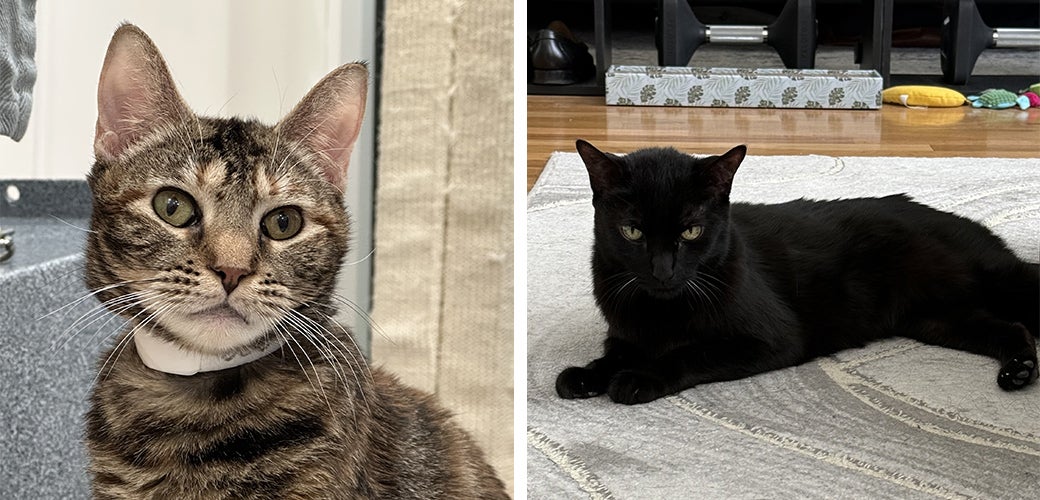
Spaying and neutering control cat populations. It prevents unwanted litters and reduces strays. These procedures improve cats’ health and behavior. Communities that promote spaying and neutering see fewer homeless cats. Pet owners should learn about these benefits. This practice helps create a balanced cat population.
Credit: www.aspca.org
Frequently Asked Questions
Is Cat Breeding Illegal Everywhere?
Cat breeding is not illegal everywhere. Laws vary by country and region. Some places regulate or restrict breeding to prevent abuse.
What Laws Regulate Cat Breeding?
Laws vary but often cover animal welfare, licensing, and breeding limits. Some areas require breeders to register and follow strict guidelines.
Can Unlicensed Cat Breeding Lead To Legal Trouble?
Yes, unlicensed breeding can cause legal issues. Authorities may fine or shut down breeders violating local animal welfare laws.
Are There Ethical Concerns About Cat Breeding?
Yes, ethical concerns include overpopulation, health problems, and poor treatment. Responsible breeding follows strict care and health standards.
Conclusion
Cat breeding laws vary by place and situation. Some areas allow it with rules. Others ban it completely to protect animals. Always check local laws before starting breeding. Responsible breeding means caring for cats’ health and safety. Illegal breeding can lead to fines or jail.
Knowing the rules helps keep cats safe and happy. Stay informed and act wisely when breeding cats. This protects you and the animals you love.