
Have you ever wondered if your cat’s breed could affect their risk of developing chronic kidney disease? If you care deeply about your furry friend’s health, this question matters.
Chronic kidney disease is a serious condition that can quietly impact your cat’s quality of life. But is it more common in certain breeds? Understanding this could help you spot warning signs early and take better care of your pet.
Keep reading to discover which cat breeds might be more at risk and what you can do to protect your beloved companion.
Cat Breeds And Kidney Disease
Chronic Kidney Disease (CKD) affects many cats worldwide. Some breeds seem more likely to develop this illness. Understanding which breeds face higher risks can help cat owners take better care.
Genetics play a big role in kidney health. Certain breeds inherit traits that may increase their chances of kidney problems. Knowing these factors helps with early detection and care.
Breeds With Higher Ckd Risk
Some cat breeds show a higher risk of CKD. Persian cats often develop kidney issues due to inherited diseases. Siamese and Abyssinian cats also have higher CKD rates. These breeds need regular health checks to catch problems early.
Genetic Factors In Ckd
Genetics influence how likely a cat is to get CKD. Faulty genes can damage kidney function over time. Some breeds carry specific gene mutations linked to kidney disease. Understanding genetics helps veterinarians plan better treatments.
Comparing Purebred And Mixed Breeds
Purebred cats often have a higher risk of CKD than mixed breeds. Purebreds inherit genes from a limited gene pool. Mixed breed cats usually have more genetic diversity. This diversity may protect them from certain diseases, including kidney problems.
Credit: www.antechdiagnostics.com
Symptoms Of Ckd In Cats
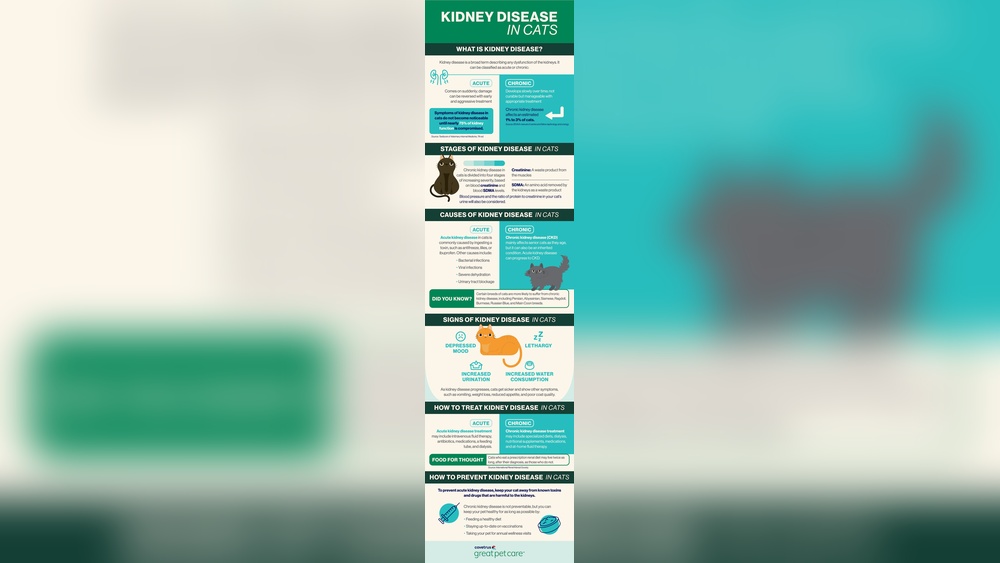
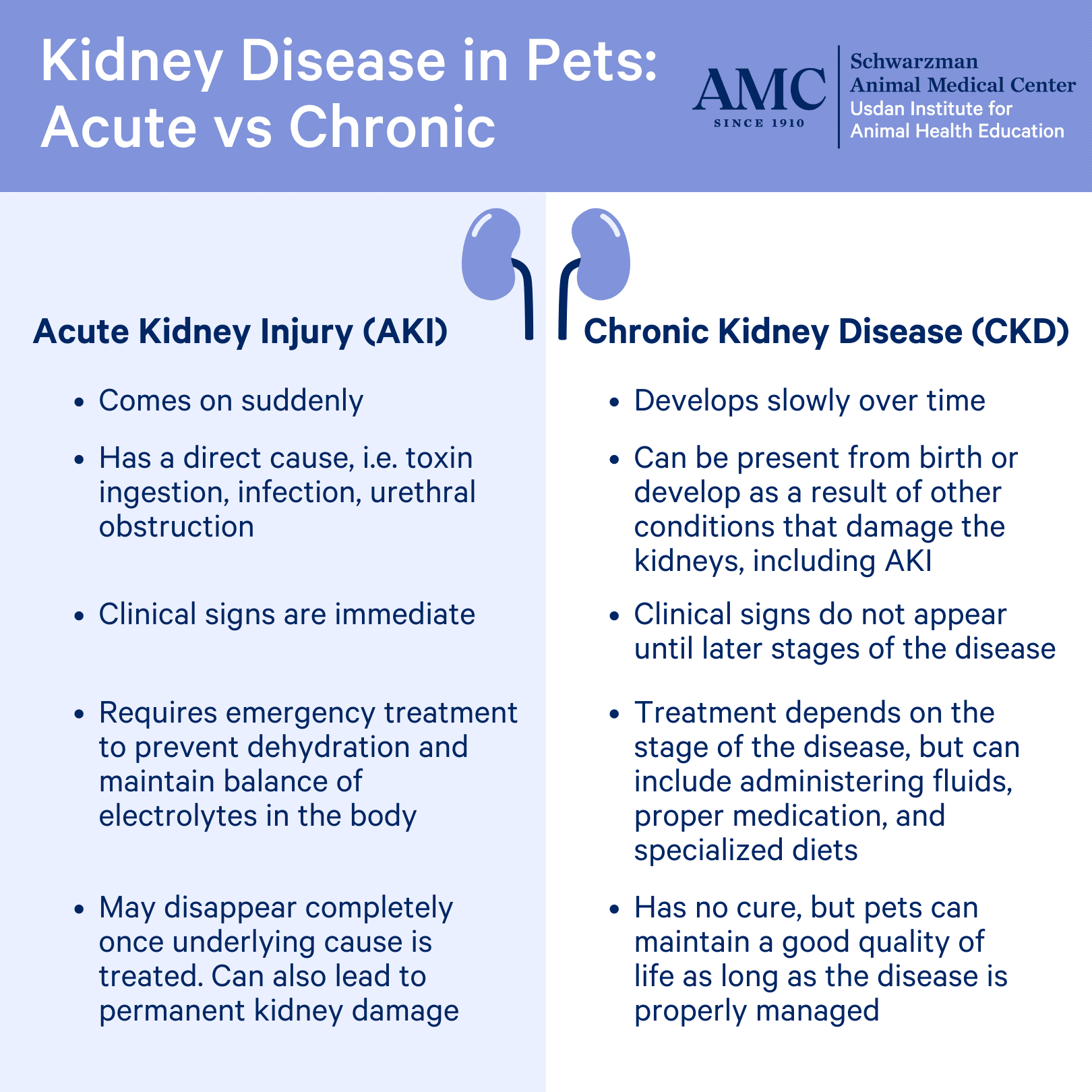
Chronic Kidney Disease (CKD) in cats often shows subtle signs at first. Recognizing these symptoms early can help manage the disease better. Cats hide pain well, so watching for changes is key. Understanding symptoms helps cat owners act quickly.
Early Signs To Watch
In the beginning, cats may drink more water than usual. You might see them urinate more often too. Some cats lose weight without eating less. Notice if your cat seems less active or hides more. A dull coat or bad breath can also be early signs.
Progression Of Symptoms
As CKD worsens, symptoms become clearer. Vomiting and nausea may happen often. Your cat might stop eating or drink less water. Weakness and lethargy increase with time. Bad breath, mouth ulcers, and dehydration are common too.
When To See A Vet
Visit a vet if you notice any early signs. Sudden changes in drinking or urination need attention. Weight loss and poor appetite also require a check-up. Regular vet visits help detect CKD before it worsens. Early care can improve your cat’s quality of life.
Causes Of Ckd In Cats
Chronic Kidney Disease (CKD) is a serious health issue in cats. Understanding its causes helps in early detection and care. Several factors can lead to CKD. Some relate to the cat’s body, others to their environment or diet.
Knowing what causes CKD can guide better health choices for your cat. This section covers the main causes linked to age, diet, lifestyle, and surroundings.
Age And Ckd
Older cats face a higher risk of CKD. Kidneys wear down over time and lose function. Age causes natural cell damage, reducing kidney efficiency. Many senior cats show signs of kidney problems.
Young cats can get CKD too, but it is less common. Genetics or infections may cause early kidney damage. Still, aging remains the top risk factor for CKD in cats.
Diet And Lifestyle Impact
Poor diet can harm cat kidneys. Low-quality food may lack essential nutrients. Excess salt or protein can strain kidneys. Overweight cats often develop health issues that affect kidneys.
Active cats with balanced diets tend to have healthier kidneys. Hydration is crucial. Cats that drink little water risk kidney damage. Feeding wet food helps increase water intake.
Environmental Influences
Exposure to toxins can cause kidney damage in cats. Chemicals in cleaning products or plants may be harmful. Some medications also affect kidney health. Outdoor cats face risks from poisons or infections.
Stressful environments can weaken a cat’s immune system. This may increase vulnerability to kidney disease. Providing a safe, calm space supports kidney health.
Diagnosis And Testing
Diagnosing chronic kidney disease (CKD) in cats requires careful testing. Early detection helps manage the disease better. Different methods reveal how well the kidneys work. Vets use various tools to check your cat’s health. Understanding these tests helps you follow your cat’s care plan.
Common Diagnostic Methods
Vets examine your cat’s symptoms and history first. They check for signs like weight loss and increased thirst. Physical exams include feeling the kidneys and checking blood pressure. These initial steps guide which tests to perform next. Diagnosis often involves a mix of tests for accuracy.
Blood And Urine Tests
Blood tests measure waste products like creatinine and BUN. High levels indicate poor kidney function. Urine tests check concentration and protein levels. Low urine concentration signals kidney trouble. Protein in urine may show kidney damage. These tests track disease progression over time.
Imaging Techniques
X-rays and ultrasounds give images of the kidneys. These help spot size changes or blockages. Ultrasound shows kidney structure and blood flow clearly. Imaging rules out other causes of symptoms. It supports diagnosis and guides treatment choices.
Managing Ckd In Cats
Managing chronic kidney disease (CKD) in cats requires careful attention and ongoing care. The goal is to slow the disease and keep your cat comfortable. Treatment focuses on diet, medicine, and regular checkups. Each step plays an important role in maintaining your cat’s quality of life.
Dietary Changes
Diet is key in managing CKD. Cats with kidney issues need food low in protein and phosphorus. This helps reduce the kidneys’ workload. Wet food is often better to keep cats hydrated. Special kidney diets also have added vitamins and minerals. These diets support kidney function and overall health.
Medications And Treatments
Medications help control symptoms and slow CKD. Your vet may prescribe drugs to lower blood pressure. Others help reduce protein loss in urine. Some cats need treatments for anemia or nausea. Always follow the vet’s instructions carefully. Proper medication can improve your cat’s comfort and health.
Monitoring And Follow-up
Regular vet visits are vital for cats with CKD. Blood and urine tests track kidney function. These tests help adjust diet and medicine. Watch for changes in appetite, weight, or behavior. Early detection of problems can prevent serious issues. Consistent monitoring gives your cat the best chance to live well.
Credit: www.amcny.org
Preventing Ckd
Preventing chronic kidney disease (CKD) in cats requires early care and good habits. Many cat breeds can develop CKD, but some need more attention. Protecting your cat’s kidneys starts with simple steps you can take every day.
Regular Vet Checkups
Regular visits to the vet help catch CKD early. Blood tests and urine checks show how well the kidneys work. Early detection means better care and longer life for your cat. Schedule checkups at least once a year. Older cats or those with breed risks need more frequent visits.
Hydration Tips
Keeping your cat hydrated supports healthy kidneys. Fresh water should always be available. Some cats prefer running water from a pet fountain. Wet cat food adds moisture to their diet. Avoid dry food only, as it may reduce water intake. Encourage drinking by placing water bowls in quiet spots.
Healthy Lifestyle Choices
Healthy weight lowers the risk of kidney problems. Feed balanced, nutritious food made for cats. Avoid overfeeding and limit treats. Regular play keeps your cat active and fit. Stress can harm kidney health, so keep your home calm. Clean litter boxes and a safe space help reduce stress.
Credit: www.ufaw.org.uk
Frequently Asked Questions
Which Cat Breeds Are Prone To Chronic Kidney Disease?
Certain breeds like Persians, Maine Coons, and Abyssinians show higher CKD risk. Genetic factors can increase susceptibility. Early screening helps in managing the disease effectively.
How Does Chronic Kidney Disease Affect Cats?
CKD causes gradual kidney function loss, leading to toxin buildup. Symptoms include weight loss, increased thirst, and lethargy. Early detection improves treatment outcomes and quality of life.
Can Diet Help Cats With Chronic Kidney Disease?
Yes, a kidney-friendly diet low in protein and phosphorus supports kidney health. Specialized diets reduce kidney workload and slow disease progression. Always consult a vet before changing your cat’s diet.
Is Chronic Kidney Disease Hereditary In Cats?
Some cat breeds inherit genes increasing CKD risk. Genetic predisposition plays a significant role in disease development. Responsible breeding can reduce hereditary CKD cases.
Conclusion
Certain cat breeds do seem to face higher risks of kidney disease. Knowing this helps cat owners watch for early signs. Regular vet check-ups can catch problems before they get worse. Feeding a healthy diet supports kidney health in all cats.
Each cat is unique, so care should match their needs. Staying informed and observant keeps your cat healthier longer. Kidney disease is serious but manageable with good care. Small steps make a big difference in your cat’s life.