

Traveling with a cat can feel like a big challenge. You might wonder if your furry friend will stay calm or if the trip will be stressful for both of you.
What if your cat hates the carrier or gets upset in a new place? You’re not alone in asking these questions. But here’s the thing: with the right tips and preparation, traveling with your cat can be easier than you think.
Keep reading to discover how you can make your next trip smooth and comfortable for your beloved pet.

Credit: www.amazon.com
Preparing Your Cat For Travel
Preparing your cat for travel takes time and care. Cats feel safe in familiar places. New experiences can stress them out. Proper preparation helps your cat stay calm. Start early to make travel easier for both.
Choosing The Right Carrier
Pick a carrier that is sturdy and secure. It should be large enough for your cat to move. Look for good ventilation and easy access. Soft-sided carriers offer comfort but check for durability. Avoid carriers that are too small or heavy. Your cat must feel safe inside the carrier.
Familiarizing Your Cat With The Carrier
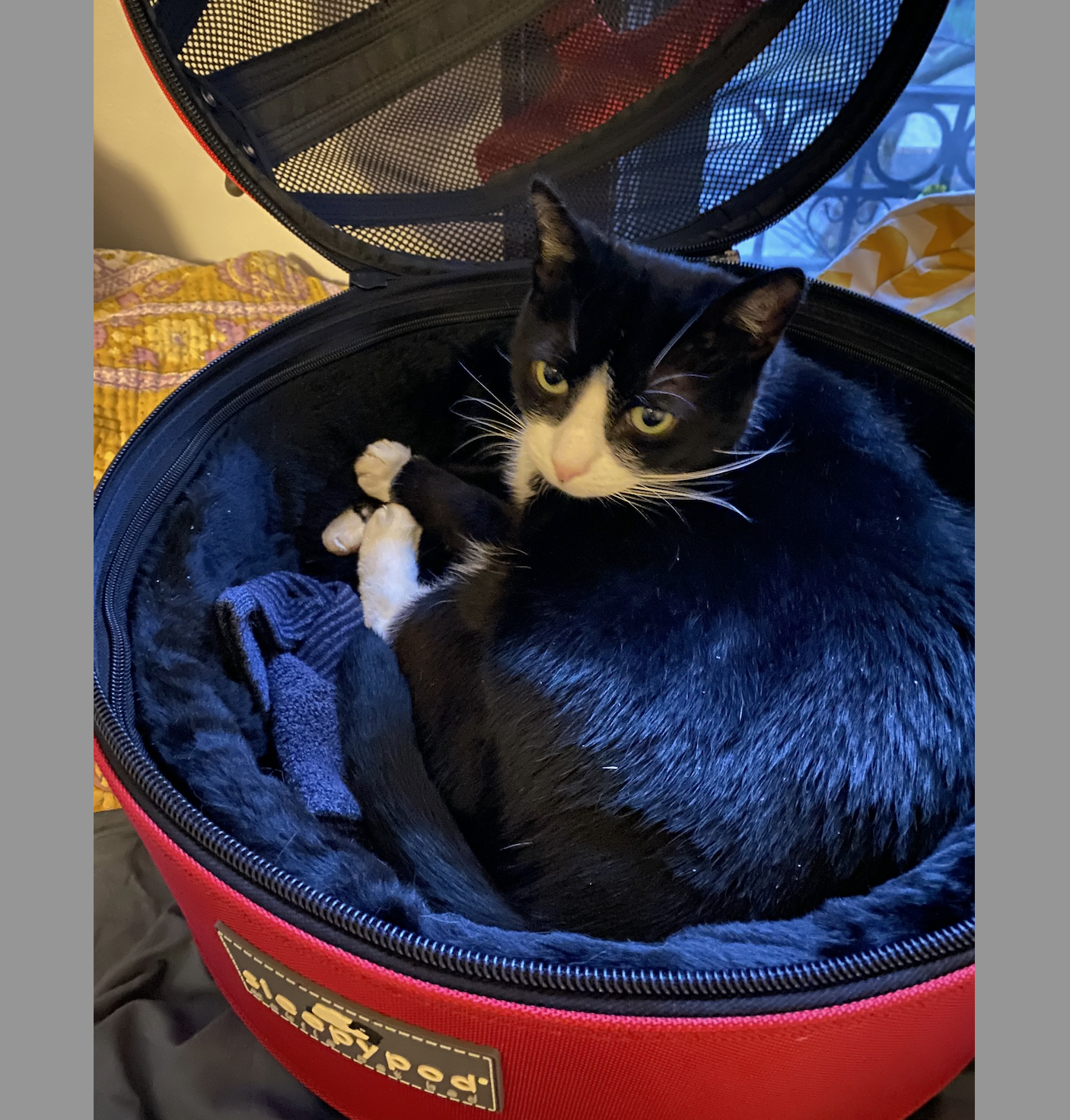
Introduce the carrier days before travel. Leave it open in a quiet room. Place your cat’s favorite blanket or toy inside. Encourage your cat to enter by offering treats. Let your cat explore the carrier at their own pace. This reduces fear and builds comfort.
Health Check And Vet Visit
Schedule a vet visit before the trip. Confirm vaccinations and health status are up to date. Ask the vet about travel-related health tips. Request a health certificate if needed for travel. Discuss calming options if your cat gets anxious. A healthy cat makes travel safer and easier.
Packing Essentials For Your Cat
Packing for a trip with your cat needs careful planning. Cats feel safe with familiar things. Bringing the right items helps reduce their stress. It also keeps them healthy and happy during travel.
Food And Water Supplies
Bring enough food for the whole trip. Keep the same brand and type your cat eats daily. Sudden food changes can upset their stomach. Pack a portable water bowl to keep your cat hydrated. Carry fresh water in a sealed container. Offer food and water regularly, especially on long trips.
Comfort Items And Toys
Comfort items help your cat feel secure. Pack a favorite blanket or a small bed. These carry your cat’s scent and calm them down. Include a few toys your cat likes. Toys distract and entertain during waiting times. Avoid noisy toys that might scare your cat.
Litter And Waste Management
Bring a small, easy-to-clean litter box. Use the same litter your cat uses at home. Pack extra litter to avoid running out. Carry waste bags for cleaning up after your cat. Clean the litter box often to keep your cat comfortable. Good waste management prevents odors and mess.
Traveling By Car With A Cat
Traveling by car with a cat can be smooth with the right preparation. Cats feel safer in familiar spaces, so a calm environment helps. Planning ahead reduces stress for both you and your cat. Small steps make the journey easier and more enjoyable.
Safety Tips And Carrier Placement
Always use a sturdy carrier to keep your cat safe. The carrier should be well-ventilated and secure. Place the carrier where it won’t move during the drive. The back seat on the floor is a good spot. Avoid placing the carrier in direct sunlight or near air vents. Keep the carrier closed to prevent escapes. Never hold your cat on your lap while driving.
Managing Motion Sickness
Some cats get motion sickness during car rides. Signs include drooling, yawning, or vomiting. To reduce sickness, keep the car cool and quiet. Avoid feeding your cat right before the trip. Short trips can help your cat get used to the car. Speak softly and calmly to soothe your cat. If sickness is severe, consult a vet for advice or medication.
Frequent Breaks And Hydration
Stop every two to three hours for breaks. Offer water during these breaks to keep your cat hydrated. Avoid letting your cat out of the carrier in unfamiliar places. Use a leash or harness if you allow your cat outside briefly. Keep breaks calm and quiet to prevent stress. Hydration helps your cat stay healthy and alert.

Credit: tractive.com
Flying With A Cat
Flying with a cat can be a challenge but also an adventure. Many pet owners worry about their cat’s comfort and safety during air travel. Preparing well helps reduce stress for both you and your cat. Understanding the rules and steps makes the trip smoother.
Airline Policies And Regulations
Each airline has different rules for flying with pets. Some allow cats in the cabin, while others require them to travel in cargo. Check the airline’s pet policy before booking. Look for size limits on carriers and any health papers needed. Airlines may also have fees for pets. Knowing these details helps avoid surprises at the airport.
Booking A Pet-friendly Flight
Choose flights with less travel time and fewer connections. Early morning or late evening flights are often less crowded. Book your cat’s spot as early as possible. Many airlines limit the number of pets per flight. Confirm your reservation and ask about pet carrier rules. A calm flight benefits both you and your cat.
Handling Airport Security And Boarding
At security, you must take your cat out of the carrier. Carry your cat through the metal detector while the carrier goes through the scanner. Keep your cat calm with gentle petting or a calm voice. Boarding is easier if you arrive early. Have your cat’s documents ready for inspection. Stay relaxed to help your cat feel safe.
Keeping Your Cat Calm During Travel
Travel can be stressful for cats. Keeping your cat calm during travel helps make the trip smoother. A calm cat is safer and more comfortable. There are simple ways to reduce your cat’s stress. These methods help your cat feel safe and relaxed on the move.
Using Calming Sprays And Supplements
Calming sprays and supplements can help lower anxiety in cats. These products use natural ingredients to soothe your pet. Spray the carrier before travel to create a relaxing space. Some supplements come as chewables or drops. Always check with a vet before giving supplements. These tools often reduce nervous behaviors during trips.
Maintaining A Quiet Environment
Noise makes cats nervous during travel. Keep the car or carrier quiet to avoid stress. Close windows to block loud sounds. Soft music or silence works best. Avoid sudden noises or loud talking near your cat. A calm setting helps your cat stay peaceful and rest.
Recognizing Stress Signals
Cats show stress in many ways. Watch for signs like meowing, hiding, or drooling. Pacing or scratching the carrier means discomfort. Heavy breathing or shaking also shows fear. Recognizing these signs lets you act quickly. Calm your cat with gentle words or pauses in travel. Early action can stop stress from growing.
Credit: www.goodhousekeeping.com
Settling In At Your Destination
Settling in at your destination is a key step for traveling with a cat. Cats feel safe in familiar places. New environments can cause stress or fear. Creating a calm and secure space helps your cat adjust. Small efforts make a big difference in their comfort.
Setting Up A Safe Space
Choose a quiet room for your cat to stay in. Add their bed, toys, and litter box. Avoid loud noises or busy areas. This space becomes their safe zone to relax. Let your cat explore this area first. It helps them feel more secure.
Maintaining Routine And Feeding
Keep feeding times the same as at home. Use the same food and water bowls. Cats like routine and predictability. Regular playtime and petting also calm them. A steady routine reduces stress and builds trust.
Exploring New Surroundings Safely
Introduce your cat to new rooms slowly. Watch their reactions and give breaks if needed. Use a harness or carrier when outside. New sights and smells can be exciting but scary. Supervised exploration keeps your cat safe and happy.
Frequently Asked Questions
Is Traveling With A Cat Stressful For Pets?
Traveling can be stressful for cats due to changes in environment and routine. Proper preparation, a secure carrier, and familiar items help reduce anxiety and keep your cat calm during trips.
What Are The Best Travel Carriers For Cats?
Soft-sided carriers with good ventilation and secure closures are ideal. They provide comfort, safety, and are airline-approved for cabin travel. Choose a carrier that fits your cat well and is easy to carry.
How Can I Keep My Cat Calm During Travel?
Use calming pheromone sprays or collars, bring familiar toys, and maintain a quiet environment. Gentle talking and regular breaks help reduce stress. Avoid feeding right before travel to prevent nausea.
Can I Fly With My Cat In The Cabin?
Yes, many airlines allow cats in the cabin within an approved carrier. Check airline policies in advance for size and weight limits. Book early, as cabin spots for pets are limited.
Conclusion
Traveling with a cat takes some planning and patience. Cats feel safe in familiar spaces, so bring their favorite items. Keep calm and speak softly to help them relax. Short trips can help your cat get used to travel. Always check rules for pets before you go.
It may not be easy, but it can be done. The key is to care for your cat’s needs. Enjoy your journey together, step by step.