
If your cat is feeling unwell, you might wonder whether grooming is a good idea. You want to keep your furry friend clean and comfortable, but could grooming actually make things worse?
Taking care of a sick cat can be tricky, and knowing when and how to groom them is important. You’ll discover the key signs to watch for and simple tips to help your cat feel better without causing extra stress.
Keep reading to find out exactly what you should do to care for your sick cat’s grooming needs safely.
Credit: www.humaneworld.org
Grooming Needs Of Sick Cats
Caring for a sick cat often means paying extra attention to grooming. Illness can change how cats clean themselves. Their fur might get matted or dirty. Skin may become flaky or oily. Grooming helps keep your cat comfortable and healthy during illness. It also prevents problems like infections or skin irritations.
Understanding the grooming needs of sick cats is key. It helps you know when to help and how to do it gently. Cats may need more grooming support than usual. Small, regular grooming sessions work best. They reduce stress and keep your cat calm.
Signs Your Cat Needs Grooming
Look for fur that is tangled or clumped. Notice any dirt or debris stuck in the coat. Pay attention to bad smells from the fur or skin. Watch for patches where fur is missing or thinning. Check if your cat is scratching more than usual. These signs show your cat needs help grooming.
Impact Of Illness On Grooming Habits
Sick cats often groom less. Pain or weakness makes self-cleaning hard. Illness can reduce their energy and interest in grooming. Some conditions cause dry or oily skin. Others may lead to hair loss or sores. Grooming habits change because the cat feels unwell. This makes regular grooming by owners important.
When To Groom A Sick Cat
Grooming a sick cat needs care and attention. Not every sick cat can be groomed safely. Knowing the right time to groom helps avoid stress and harm. It keeps your cat comfortable and supports healing.
Watch your cat’s behavior and health closely. Some cats may feel too weak for grooming. Others might need grooming to stay clean and prevent skin issues. Understanding your cat’s state is key.
Assessing Your Cat’s Condition
Check how your cat looks and acts before grooming. Notice if your cat is very tired or weak. Look for signs like fever, vomiting, or breathing trouble. If your cat hides or refuses to move, it may be too sick.
Examine the skin and fur gently. See if there are wounds or infections. Avoid grooming if your cat shows pain or discomfort. Light grooming can help if your cat is calm and alert.
Consulting Your Veterinarian
Ask your vet before grooming a sick cat. Vets know your cat’s health best. They can tell you if grooming is safe or not. Follow their advice about timing and method.
Your vet may suggest special care or tools. Sometimes, professional grooming is better. They can help prevent making your cat’s illness worse. Always keep your vet informed about your cat’s condition.
Safe Grooming Techniques
Grooming a sick cat needs care and attention. Safe grooming techniques keep your cat calm and prevent harm. Use gentle methods to protect your cat’s fragile health. Small steps make grooming easier for both of you.
Using Gentle Tools
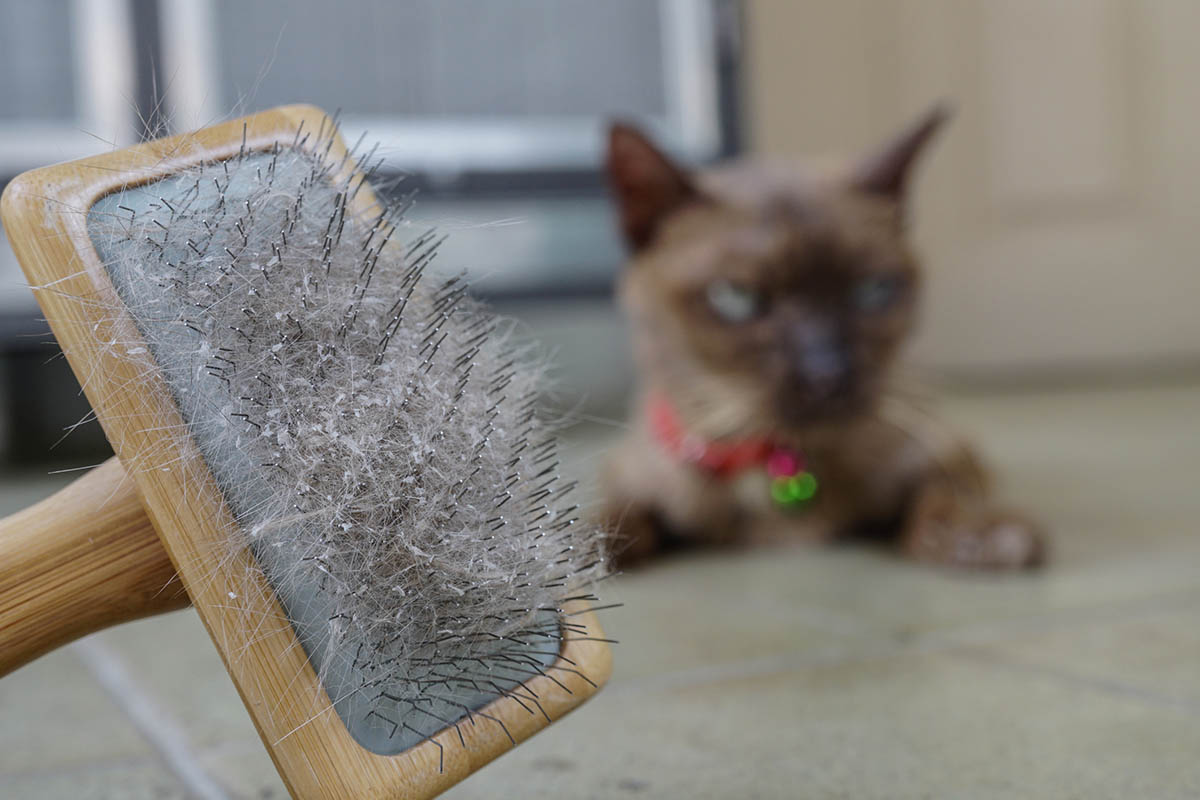
Choose soft brushes or combs with wide teeth. Avoid metal tools that can hurt delicate skin. Use tools designed for sensitive or older cats. Keep tools clean to stop infections. Soft strokes help remove dirt without pain.
Handling A Sensitive Cat
Approach your cat slowly and speak softly. Watch for signs of stress or discomfort. Stop if your cat shows pain or tries to escape. Use light touches and avoid pulling fur. Take breaks often to keep your cat relaxed.
Credit: northkennyvet.com
Alternatives To Traditional Grooming
Grooming a sick cat can be tricky and stressful. Some cats feel weak or scared during grooming. There are gentler ways to keep your cat clean without full grooming sessions. These alternatives help maintain hygiene while keeping your cat comfortable. They reduce stress and protect your cat’s health.
Spot Cleaning Methods
Spot cleaning targets dirty or matted fur areas only. Use a damp cloth or pet wipes made for cats. Gently rub the soiled spots to remove dirt. Avoid soaking your cat or using strong soaps. This method keeps your cat fresh without full baths. It is quick and less stressful for sick cats.
Brushing with a soft brush can also help. It removes loose hair and prevents mats. Do it slowly and gently to avoid hurting your cat. Spot cleaning is useful for small messes or light dirt. It keeps your cat clean without overwhelming them.
Professional Grooming Services
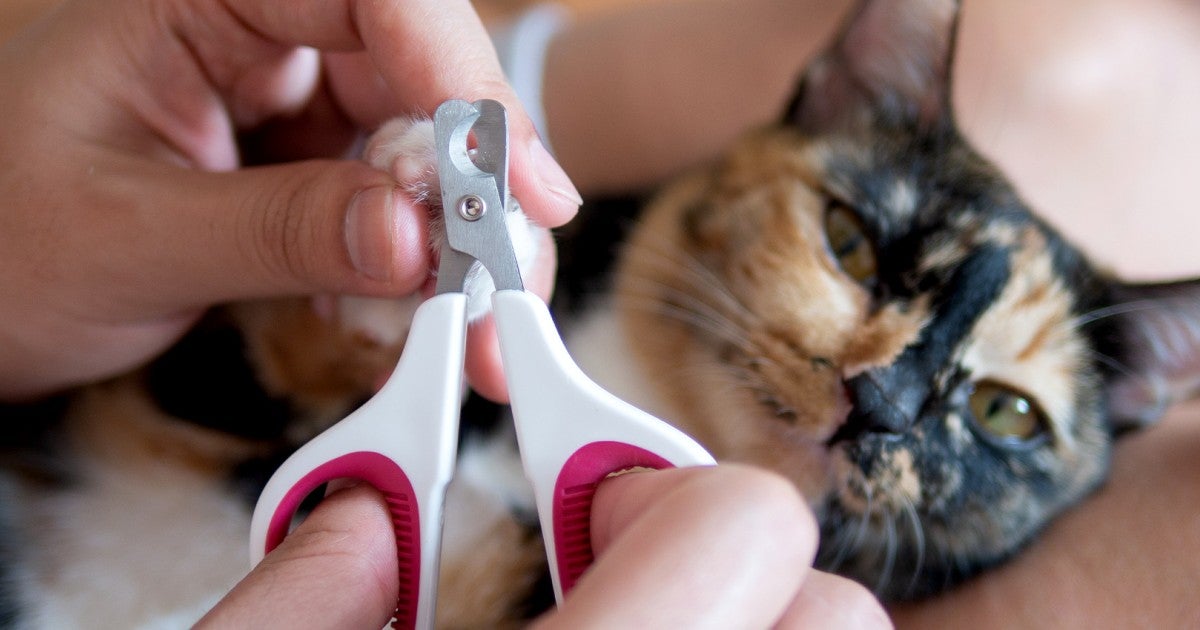
Professional groomers have experience with sick or elderly cats. They know how to handle fragile cats carefully. You can ask for gentle grooming or specific services like nail trimming. Groomers use tools that make grooming safer and faster. They can spot health issues while grooming your cat.
Some groomers offer mobile services at your home. This reduces travel stress for your cat. Always choose groomers who understand your cat’s health needs. Professional help ensures your cat stays clean without added stress.
Supporting Your Cat’s Recovery
Supporting your cat’s recovery is very important after illness. Gentle care helps your cat heal faster. Grooming plays a key role but must be done carefully. It keeps your cat clean and comfortable. Also, it helps you check for any new problems early.
Focus on making grooming a calm and safe experience. Small, careful actions can reduce stress. Your cat will feel better and more relaxed during recovery.
Maintaining Comfort During Grooming
Use a soft brush or comb to avoid hurting your cat. Brush gently, especially near sore areas. Keep grooming sessions short, about five to ten minutes. Watch your cat’s reactions. Stop if your cat seems upset or tired. Use a warm, damp cloth to clean dirty spots. Avoid strong shampoos or chemicals that may irritate skin. Make sure the room is warm and quiet. Speak softly to soothe your cat during grooming.
Nutrition And Hydration Tips
Good food helps your cat fight illness and recover. Provide fresh water often. Encourage your cat to drink by offering water in different bowls. Offer small meals throughout the day. Choose easy-to-digest, nutritious food recommended by your vet. Avoid sudden changes in diet to prevent stomach upset. Add warm water or broth to dry food to increase moisture. Monitor eating and drinking habits closely. Contact your vet if your cat refuses food or water for more than a day.
Preventing Future Grooming Challenges
Preventing future grooming challenges is key for a sick cat’s comfort. A gentle grooming routine helps keep your cat clean and healthy. It also lowers stress for both you and your pet. Small, regular efforts can make grooming easier over time. Your cat will feel better and stay calmer during grooming sessions.
Good grooming habits can stop problems before they start. Healthy skin and fur protect your cat from infections and discomfort. This care supports your cat’s healing and overall well-being.
Routine Care Strategies
Set a regular grooming schedule for your cat. Use soft brushes that suit your cat’s fur type. Brush gently to avoid hurting sensitive skin. Keep grooming sessions short to prevent stress. Check your cat’s fur and skin for dirt or mats. Clean your cat’s ears and eyes carefully. Clip nails regularly to avoid scratches. Offer treats and praise to encourage cooperation. A calm, steady routine helps your cat relax over time.
Monitoring Health Changes
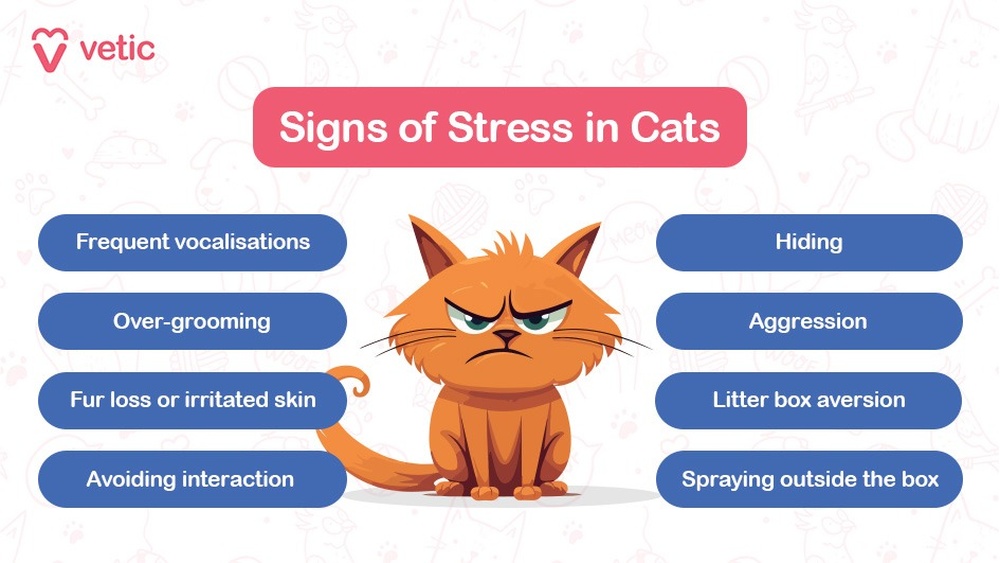
Watch for changes in your cat’s grooming habits. Notice if your cat stops grooming or over-grooms. Look for bald spots, redness, or sores on the skin. Check for unusual smells or discharge. Keep track of your cat’s appetite and energy levels. Report any changes to your veterinarian quickly. Early detection of problems prevents bigger health issues. Monitoring health helps you adjust grooming to your cat’s needs.
Credit: www.petprofessional.com.au
Frequently Asked Questions
Can I Groom My Cat When It Is Sick?
Yes, grooming a sick cat is possible but should be gentle. Avoid stressful or long sessions. Consult your vet first for advice.
Does Grooming Help A Cat Recover From Illness?
Grooming can promote comfort and cleanliness. However, it does not directly speed recovery. Always prioritize medical care for your cat.
What Grooming Tools Are Safe For Sick Cats?
Use soft brushes and damp cloths for sick cats. Avoid loud or harsh grooming tools to reduce stress and discomfort.
How Often Should I Groom A Sick Cat?
Groom your sick cat as needed to keep it clean. Frequency depends on the cat’s condition and vet recommendations.
Conclusion
Grooming a sick cat needs gentle care and attention. Always watch your cat’s comfort and health first. Use soft brushes and avoid causing stress or pain. Keep grooming short to prevent tiring your cat. If unsure, ask a vet for advice.
Clean fur helps your cat feel better and stay healthy. Small acts of care can mean a lot during illness. Remember, patience and kindness help your cat heal.