
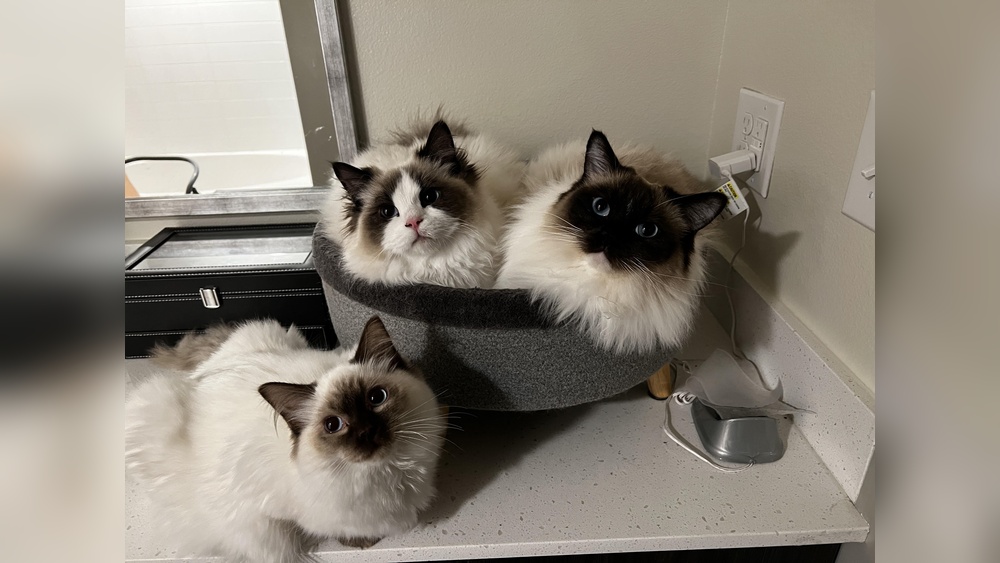
Have you ever thought about giving a loving home to a breeding retiree cat? These cats have spent their early years helping to bring new life into the world, and now they need someone like you to care for them.
You might wonder if adopting one is the right choice for you. What special needs do they have? How will their past affect their future with you? Keep reading, and you’ll discover the surprising benefits and important things to consider before welcoming a breeding retiree cat into your life.
This could be the decision that changes both your lives for the better.
Why Choose A Breeding Retiree Cat
Choosing to adopt a breeding retiree cat is a kind decision. These cats have spent part of their lives helping breeders create new litters. Now, they deserve a calm and loving home. Adopting a retired breeder gives you a chance to save a special cat. It also helps reduce the number of cats in shelters.
Benefits Of Adopting Retired Breeders
Retired breeder cats often have calm and gentle temperaments. They are used to human care and handling. These cats usually adjust well to home life. Many are already spayed or neutered, which saves extra costs. Retired breeders tend to be healthy because breeders care for them. They often show gratitude and form strong bonds with new owners. Adopting one means giving a cat a second chance at happiness.
Common Myths And Facts
Some believe retired breeders are unhealthy or unfriendly. This is not true. Many are in good health and loving. Others think they cannot be good pets. In truth, they often make loyal and calm companions. Another myth is that they are old and less playful. While some may be older, many still enjoy play and affection. Knowing the facts helps you make a wise choice for your home.
Preparing Your Home
Preparing your home is important before adopting a breeding retiree cat. These cats may need extra care and comfort after their past life. Creating a welcoming and calm environment helps them adjust faster. Small changes can make a big difference for their happiness and health.
Creating A Safe Space
Choose a quiet room for your new cat. Make sure it is free from loud noises and busy activities. Provide a cozy bed where the cat can rest comfortably. Keep the area clean and calm to reduce stress. Add hiding spots like a box or a small tent. Cats feel secure when they can hide if needed. Avoid sudden changes in this space to help the cat feel safe.
Essential Supplies To Have Ready
Prepare all the important items before bringing your cat home. Have food and water bowls that are easy to clean. Buy high-quality cat food suited for older cats. Place a litter box in a quiet, accessible spot. Provide scratching posts to keep claws healthy. Keep grooming tools nearby for regular brushing. Have toys to encourage gentle play and exercise. These supplies help your cat feel cared for and comfortable.
Health And Wellness Care
Adopting a breeding retiree cat means extra care for their health and wellness. These cats often need special attention after years of breeding. Their bodies and immune systems may need support. You must be ready to provide good health care to keep them happy.
Veterinary Checkups And Vaccinations
Regular vet visits are very important for retired breeder cats. The vet can check for any hidden problems. Vaccinations keep your cat safe from serious diseases. Older cats may need boosters or special vaccines. Early detection of illness can save your cat’s life. Make a schedule and stick to it for checkups.
Managing Chronic Conditions
Breeding retiree cats may have long-term health issues. Common problems include arthritis, kidney disease, or dental troubles. Managing these needs patience and care. Your vet can suggest medicines or treatments. You might need to adjust your cat’s diet. Keep a close eye on their behavior and comfort. Small changes help improve their quality of life.

Credit: www.reddit.com
Nutrition And Diet
Proper nutrition is key for a breeding retiree cat’s health. These cats need a diet that supports their age and past activity. Feeding them well helps keep their energy and weight balanced. It also supports their immune system and joint health.
Choosing The Right Food
Select food with good protein to maintain muscle. Look for ingredients like chicken, turkey, or fish. Avoid fillers like corn or soy that add little nutrition. Wet food helps keep cats hydrated and supports kidney health. Dry food can aid dental care but offer fresh water too.
Special Dietary Needs For Retired Cats
Older cats need fewer calories to prevent weight gain. They may need food with added vitamins and minerals. Supplements like omega-3 fatty acids help joint and skin health. Some cats need food that supports sensitive stomachs or urinary health. Always monitor your cat’s eating habits and adjust food as needed.
Emotional Support And Socialization
Emotional support and socialization are key reasons to consider adopting a breeding retiree cat. These cats often have years of experience interacting with people. They can bring calm and comfort to your home.
Many breeding retiree cats enjoy quiet companionship. They tend to bond deeply with their new families. Their gentle nature can help reduce feelings of loneliness. This makes them excellent emotional support animals.
Building Trust And Bonding
Building trust with a breeding retiree cat takes time and patience. These cats may need a calm environment to feel safe. Speak softly and move slowly around them. Let them come to you on their own terms.
Offer treats and gentle pets to encourage closeness. Consistent care helps form a strong bond. Watch for signs of comfort like purring or kneading. Such moments show your cat feels secure with you.
Handling Anxiety And Stress
Breeding retiree cats may have experienced stress in the past. They respond well to routines and quiet spaces. Provide a cozy bed and a safe hiding spot.
Use soft voices and gentle touches to soothe anxiety. Avoid loud noises or sudden movements around them. Regular play sessions can help reduce stress and build confidence.
These cats often sense your emotions. Calm energy can help them relax. Caring for a retiree cat is rewarding and healing for both.
Exercise And Enrichment
Exercise and enrichment are very important for a breeding retiree cat. These cats need gentle activities to keep their bodies strong and minds sharp. Exercise helps them stay healthy and happy. Enrichment stops boredom and gives them something to enjoy daily.
Gentle Play Ideas
Gentle play suits older cats perfectly. Soft toys are good for light batting and pouncing. Use feather wands or small balls for short play sessions. Let your cat take breaks as needed. Slow movements and calm voices help your cat feel safe. This kind of play keeps muscles moving without stress or injury.
Mental Stimulation Activities
Mental exercises keep a retiree cat’s brain active. Puzzle feeders with small treats encourage problem-solving. Hide treats around the house to spark their natural hunting skills. Simple training with clickers or treats can teach new tricks. Changing toys often keeps their interest alive. These activities help prevent boredom and improve mood.
Long-term Care Planning
Planning for the long-term care of a breeding retiree cat is very important. These cats have unique needs as they age. Understanding how to care for them helps ensure they live comfortably and happily.
Retired breeder cats may face health challenges. Planning ahead allows you to handle these changes calmly. It also helps you give them the best support over the years.
Monitoring Aging Signs
Watch your cat closely for signs of aging. Changes in eating habits, mobility, or behavior can appear slowly. Early detection of problems helps manage health better.
Look for less energy, weight loss, or changes in litter box use. These signs can point to health issues. Regular vet visits are key to catch problems early. Keep a diary of any changes to discuss with your vet.
End-of-life Considerations
Think about your cat’s comfort in later years. Plan for pain management and special care needs. Prepare a quiet, warm space for your cat to rest.
Discuss with your vet about signs of serious illness. Know when to make tough decisions with kindness. Having a plan reduces stress for you and your cat. It shows your deep care for their final days.
Credit: www.petfinder.com

Credit: www.royalcanin.com
Frequently Asked Questions
What Is A Breeding Retiree Cat?
A breeding retiree cat is a cat that has finished its breeding career. These cats often need homes. They are usually healthy and socialized. Adopting one saves a cat’s life and provides a loving pet.
Are Breeding Retiree Cats Good Pets?
Yes, breeding retiree cats make great pets. They are often calm and well-behaved. They have experience living with humans. These cats adapt well to home life and show affection.
How To Care For A Breeding Retiree Cat?
Care involves regular vet visits and a balanced diet. Provide a quiet, safe space to help them adjust. Offer gentle play and lots of love. Monitor health closely as they may have special needs.
Where Can I Adopt A Breeding Retiree Cat?
You can adopt from breeders, shelters, or rescues specializing in retired cats. Many breeders offer retiree cats for adoption. Check local animal shelters and online adoption platforms for availability.
Conclusion
Adopting a breeding retiree cat brings many rewards. These cats often have calm and loving personalities. They may need special care, but they give great companionship. You help a cat find a peaceful, happy home. This choice supports animal welfare and reduces shelter overcrowding.
Think about your lifestyle and readiness before deciding. Giving a retired cat a chance can change both your lives. A quiet friend waits for someone like you. Consider opening your heart and home today.