
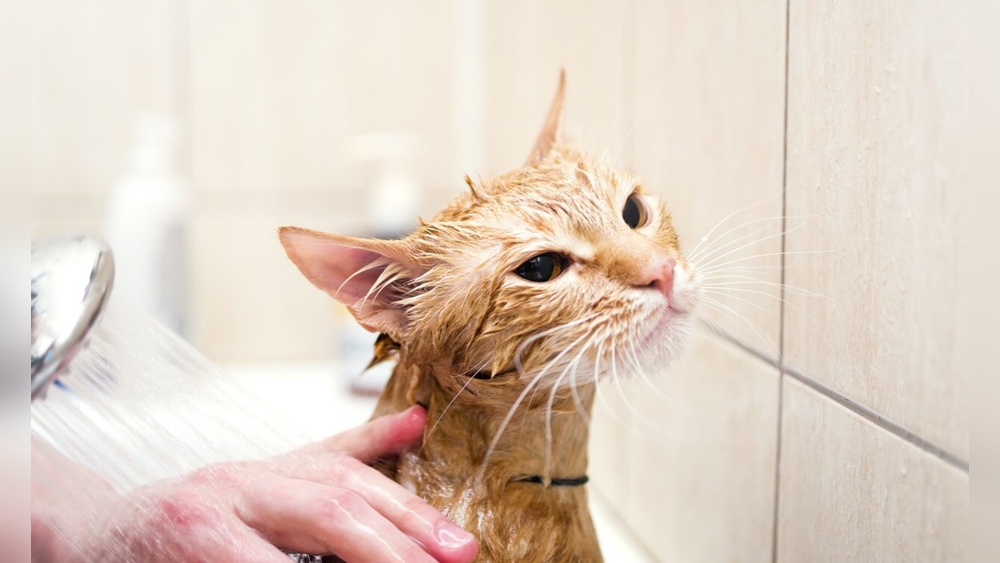
Have you noticed your cat isn’t grooming itself like it used to? You might be wondering, “Should I bathe my cat if it doesn’t groom?” It’s a common concern for many cat owners.
When your furry friend stops cleaning their fur, it can lead to discomfort and health issues. But bathing a cat isn’t always simple, and you want to make sure you’re doing the right thing for your pet. You’ll discover when a bath is necessary, how to do it safely, and what other steps you can take to keep your cat clean and healthy.
Keep reading to learn how to care for your cat’s hygiene without stress—for both you and your feline friend.

Credit: www.reddit.com
When Cats Stop Grooming
Cats spend a lot of time grooming themselves. It keeps their fur clean and healthy. But sometimes, cats stop grooming. This change can worry pet owners. Understanding why cats stop grooming helps you care for them better.
Common Causes
Age can affect grooming habits. Older cats may groom less often. Pain or injury can stop grooming too. Cats with arthritis or wounds may avoid cleaning. Changes in the environment might stress cats. Stress can reduce their self-care activities.
Health Concerns
Illness often causes poor grooming. Skin problems, like fleas or allergies, make grooming painful. Dental issues can also reduce grooming. If a cat feels sick, it grooms less. Regular vet visits help catch health problems early.
Behavioral Factors
Behavioral changes may reduce grooming. Depression or anxiety can stop cats from grooming. Changes in routine or home life cause stress. Some cats groom less after trauma. Understanding your cat’s behavior is key to helping them.
Signs Your Cat Needs A Bath
Knowing when your cat needs a bath is important. Cats usually clean themselves well. Sometimes, they miss spots or have trouble grooming. Signs can help you decide if a bath is needed. Watch your cat closely for these signs.
Visible Dirt And Odor
Check your cat’s fur for dirt or dust. Dirt can build up if your cat goes outside. A strong smell is another sign. Cats are usually clean and smell fresh. A bad odor means a bath is needed.
Mattes And Tangles
Look for clumps of fur that stick together. Mattes and tangles can hurt your cat’s skin. Cats with long fur often get them. If your cat cannot remove them by licking, a bath can help.
Skin Issues
Watch for red or irritated skin. Dry patches or sores show your cat may need help. A bath can soothe skin problems if done gently. Always use cat-safe shampoo for sensitive skin.
Bathing Frequency For Cats
Bathing frequency for cats depends on their grooming habits and health. Most cats clean themselves well, so they rarely need baths. Some cats do not groom enough and may require extra care. This section explains how often to bathe cats in different situations.
Normal Grooming Cats
Cats that groom themselves usually stay clean. Their tongues remove dirt and loose fur. These cats rarely need baths. Bathing them too often can dry their skin. A bath every few months is enough. Brushing regularly helps keep their coat healthy.
Cats That Don’t Groom
Some cats do not groom well. They might be sick or old. Their fur can get dirty or tangled. These cats may need baths more often. Bathing every 3 to 4 weeks can help. Use a gentle cat shampoo and warm water. This keeps their skin clean and comfortable.
Age And Health Considerations
Young kittens and older cats need special care. Young cats may not like baths but need them sometimes. Older cats might have weak muscles or skin problems. Talk to a vet before bathing these cats. Health issues can change how often to bathe them. Always be gentle and patient during baths.
Credit: www.aspca.org
Safe Bathing Techniques
Bathing a cat that does not groom itself needs care and patience. Use safe bathing techniques to keep your cat calm and healthy. Proper methods make the bath less stressful for both of you. Follow these simple steps for a smooth experience.
Choosing Cat-friendly Shampoo
Pick a shampoo made for cats only. Human shampoos can hurt their skin and fur. Look for gentle, natural ingredients. Avoid strong scents and chemicals. A mild shampoo helps keep your cat’s coat soft and clean.
Water Temperature Tips
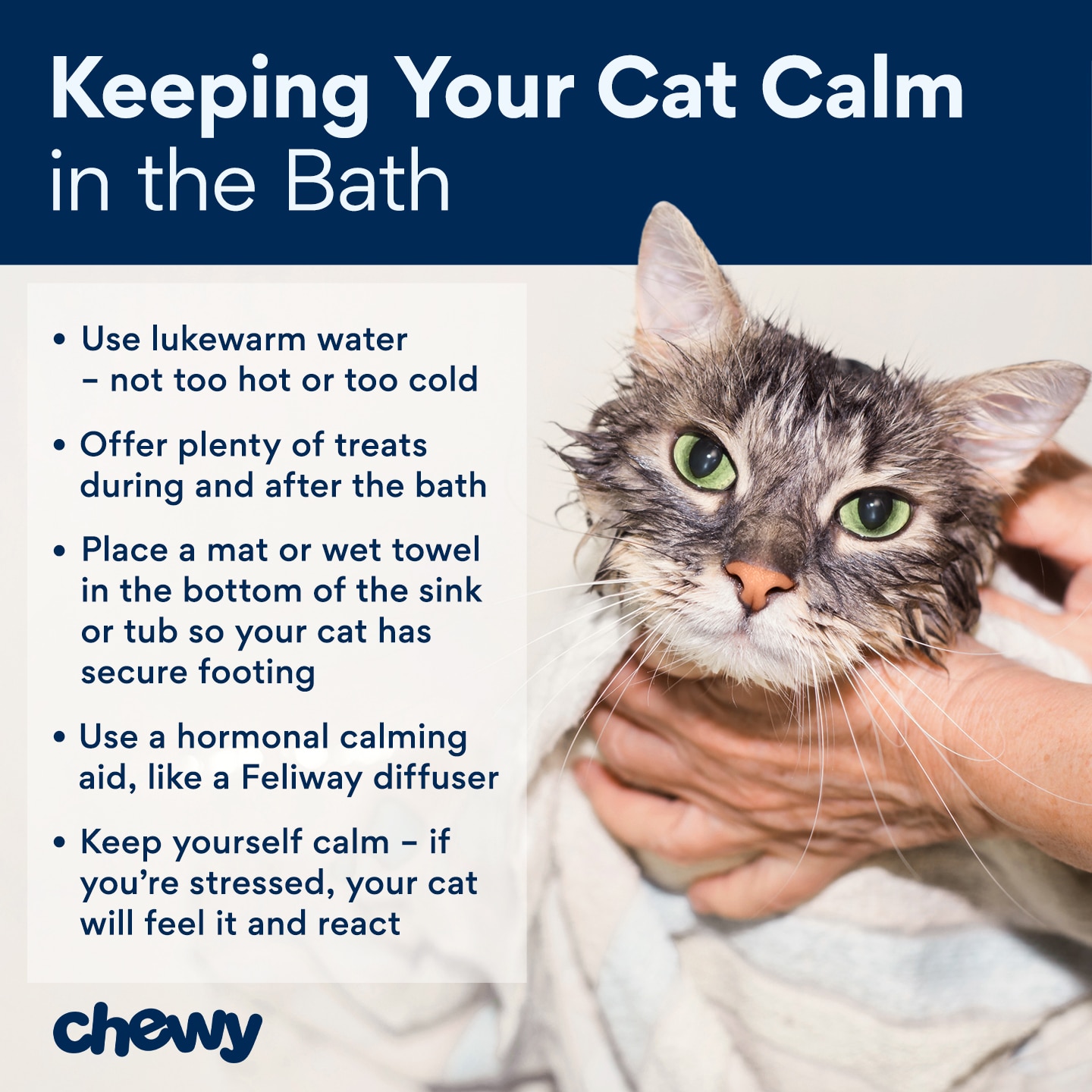
Use warm water, not hot or cold. Lukewarm water feels comfortable to your cat. Test the water on your wrist first. Too hot or cold water can scare or hurt your cat. Keep the water level shallow for safety.
Step-by-step Bath Process
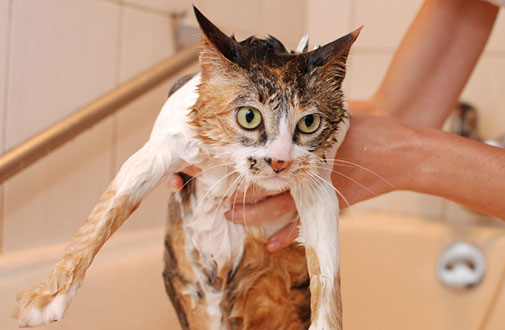
Start by brushing your cat to remove loose fur. Place a non-slip mat in the sink or tub. Gently wet your cat’s fur with a cup or sprayer. Apply shampoo and rub softly without scrubbing hard. Rinse well to remove all soap. Use a towel to dry your cat. Keep your voice calm and soothing. Give treats to reward good behavior.
Alternatives To Bathing
Bathing a cat that does not groom itself can be stressful for both you and your pet. Cats dislike water, and baths might cause anxiety or injury. There are gentler ways to keep your cat clean and comfortable. These alternatives help maintain hygiene without full baths.
Spot Cleaning
Spot cleaning targets dirty areas on your cat’s fur. Use a damp cloth or pet wipes made for cats. Gently rub the soiled spot to remove dirt or debris. This method is quick and less stressful than a full bath. Repeat as needed to keep your cat fresh.
Brushing And Dematting
Brushing removes loose fur, dirt, and prevents mats. Use a soft brush or comb designed for cats. Regular brushing improves skin health and reduces shedding. For mats, carefully detangle with a dematting tool or comb. Work slowly to avoid hurting your cat.
Professional Grooming Services
Professional groomers have experience with cats that resist baths. They use special tools and techniques to clean and trim fur safely. Groomers can also handle mats and skin issues gently. Consider this option if home grooming is too hard or your cat has thick fur.
Credit: www.chewy.com
Preventing Grooming Problems
Preventing grooming problems helps keep your cat healthy and happy. Cats that do not groom themselves may face skin issues or discomfort. You can support your cat by managing their health and environment carefully.
Regular Vet Checkups
Vet visits catch health problems early. Your vet can check for skin diseases or pain that stops grooming. Regular exams help keep your cat in good shape. Follow your vet’s advice to maintain your cat’s coat and skin.
Diet And Hydration
Good food makes a strong coat. Balanced diets with essential nutrients support healthy skin. Water is very important too. Proper hydration helps your cat’s skin stay soft and healthy. Monitor your cat’s eating and drinking habits daily.
Environmental Enrichment
A stressed cat may stop grooming. Provide toys, scratching posts, and quiet spaces. These reduce stress and boredom. A calm environment encourages your cat to groom more. Pay attention to changes in your cat’s behavior and comfort.
Frequently Asked Questions
Why Does My Cat Not Groom Itself?
Cats may stop grooming due to illness, stress, or old age. Grooming issues can indicate skin problems, pain, or dental issues. If your cat stops grooming, consult a vet promptly to identify and treat the underlying cause.
Should I Bathe My Cat If It Doesn’t Groom?
Bathing a cat that doesn’t groom can help maintain cleanliness. Use cat-specific shampoo and lukewarm water. Avoid frequent baths to prevent skin dryness. Always consult your vet before bathing to ensure it’s safe and necessary for your cat’s condition.
How Often Should I Bathe A Non-grooming Cat?
Bathing frequency depends on your cat’s condition. Generally, bathing once a month is enough if your cat doesn’t groom. Overbathing can cause skin irritation. Always follow your vet’s advice for the best bathing routine tailored to your cat’s needs.
Can Bathing Replace Regular Grooming For Cats?
Bathing is not a substitute for regular grooming. Cats need daily brushing to remove loose fur and prevent mats. Bathing helps with cleanliness but doesn’t replace the benefits of brushing. Combine both for optimal hygiene in cats that don’t groom.
Conclusion
Bathing a cat that does not groom can help keep it clean. Use gentle cat shampoo and warm water for safety. Avoid bathing too often to protect your cat’s skin. Regular brushing also supports your cat’s hygiene and comfort. Watch your cat’s health closely for any changes.
A clean cat feels better and stays healthy. Simple care makes a big difference for your furry friend.