
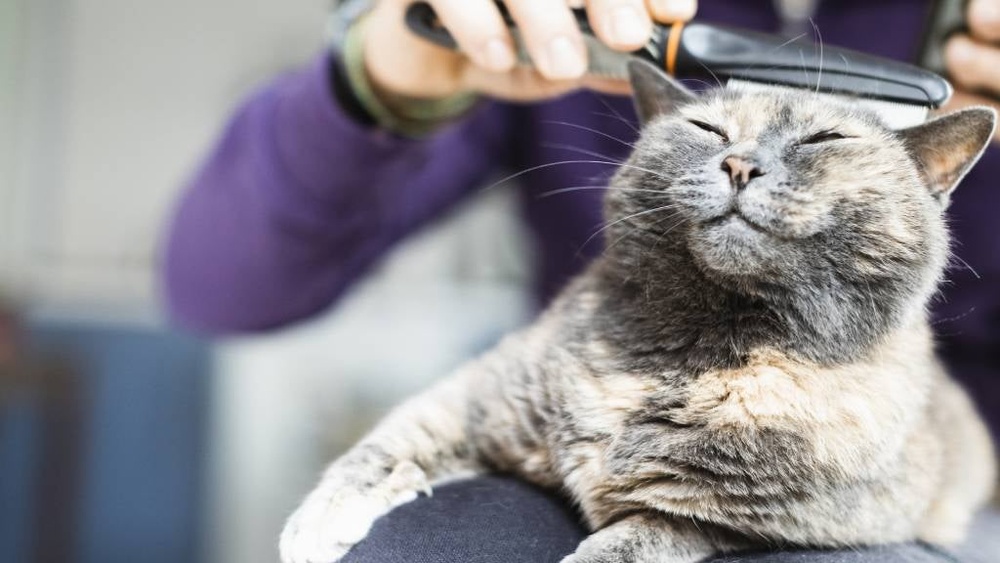
Have you ever wondered if your cat really needs grooming? You might think cats take care of themselves, but there’s more to it than just a quick lick.
Grooming your cat can improve their health, reduce shedding, and even strengthen the bond between you. If you want to keep your furry friend happy and healthy, understanding when and how to groom them is key. Keep reading to discover the simple steps you can take to make grooming a positive experience for both you and your cat.
Benefits Of Grooming Cats
Grooming cats offers many benefits that improve their health and happiness. Regular grooming helps keep their coat clean and shiny. It also supports overall well-being and comfort. Grooming is an important part of caring for your cat every day.
Improved Coat Health
Brushing removes dirt and loose fur from your cat’s coat. It spreads natural oils that keep the fur soft and smooth. A well-groomed coat reduces mats and tangles. Healthy fur protects your cat’s skin from irritation and infections.
Reduced Shedding And Hairballs
Regular grooming lowers the amount of fur your cat sheds around the house. It catches loose hairs before your cat swallows them. This helps prevent hairballs and digestive problems. Grooming keeps your home cleaner and your cat healthier.
Early Detection Of Health Issues
Grooming time helps you notice changes in your cat’s skin or coat. You can spot lumps, bumps, or wounds early. Detecting issues early means faster treatment and better recovery. Grooming acts as a simple health check for your cat.
Enhanced Bonding Time
Grooming creates a calm and relaxing moment with your cat. It builds trust and strengthens your relationship. Cats often enjoy gentle brushing and feel comforted. This quiet time helps your cat feel safe and loved.
Signs Your Cat Needs Grooming
Knowing when your cat needs grooming is important for its health. Cats may not always show discomfort, but signs can tell you when grooming is necessary. Watching your cat’s coat and skin helps spot these signs early. Regular grooming keeps your cat clean and comfortable.
Matted Or Tangled Fur
Clumps of fur that stick together are mats. They can hurt your cat’s skin by pulling on it. Tangled fur looks messy and can trap dirt. Mats and tangles need careful brushing or trimming. Ignoring them can cause pain and skin problems.
Excessive Shedding
Shedding is normal but too much can signal a need for grooming. Loose fur can cover your home and cause hairballs. Regular brushing removes dead fur and reduces shedding. It also helps your cat feel more comfortable.
Unpleasant Odors
A bad smell from your cat’s fur or skin is a warning. It might mean dirt, oils, or infection. Grooming helps clean away odors and keeps your cat fresh. Smells that don’t go away need a vet check.
Scratching And Irritation
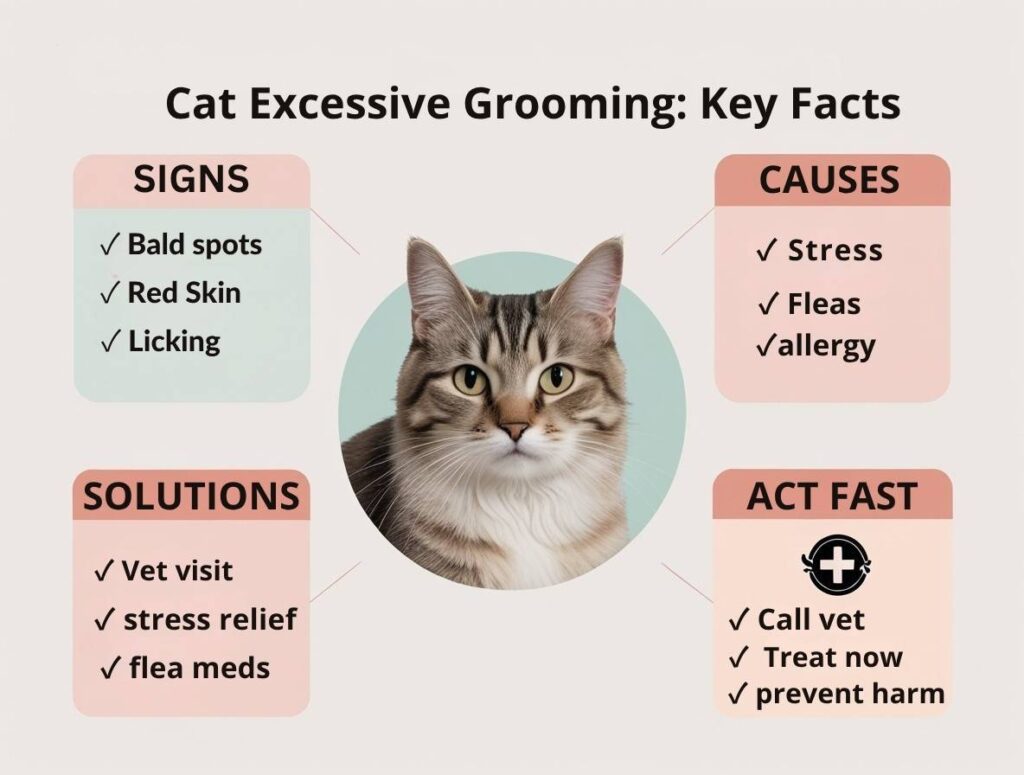
Frequent scratching or biting shows your cat may feel itchy. This can come from fleas, dry skin, or allergies. Grooming soothes irritation by removing dirt and loose fur. If scratching continues, see a vet to find the cause.
Grooming Tools For Cats
Grooming your cat helps keep them healthy and comfortable. Using the right tools makes grooming easier and safer. Each tool has a special job to care for different parts of your cat.
Brushes And Combs
Brushes and combs remove loose fur and prevent mats. A soft-bristle brush suits short-haired cats. A wide-toothed comb works well for long hair. Regular brushing reduces hairballs and keeps the coat shiny.
Nail Clippers
Clipping your cat’s nails prevents scratches and damage. Use clippers made for pets to avoid splitting nails. Trim only the sharp tips. Be careful not to cut the quick, the pink part inside the nail.
Ear And Eye Care Supplies
Clean ears and eyes help avoid infections. Use gentle wipes or pads made for cats. Never insert cotton swabs deep into the ear canal. Wipe away discharge and dirt carefully around the eyes.
Bathing Essentials
Most cats do not need frequent baths. When necessary, use cat-safe shampoo. Prepare warm water and a non-slip surface. Rinse well to remove all soap and dry your cat gently with a towel.
Step-by-step Grooming Process
Grooming your cat is important for its health and happiness. A clear, step-by-step approach makes grooming easier for both you and your pet. Regular grooming keeps your cat’s coat clean and shiny. It also helps prevent mats and hairballs.
Start with gentle brushing. Trim nails carefully. Give baths only when necessary. Clean ears and eyes regularly. These simple steps create a comfortable routine for your cat.
Brushing Techniques
Use a soft brush made for cats. Brush in the direction of hair growth. Start with short strokes to avoid hurting your cat. Focus on areas where mats form, like behind ears and under legs. Brush your cat daily if it has long hair.
Nail Trimming Tips
Choose a small, sharp clipper designed for pets. Hold your cat’s paw gently but firmly. Trim only the sharp tips of the nails. Avoid cutting into the quick, which is pink and sensitive. Trim nails every two to three weeks to prevent overgrowth.
Bathing Your Cat
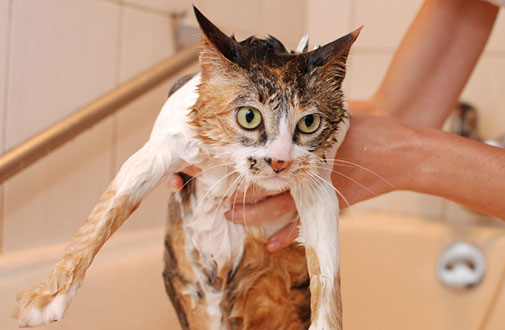
Use a mild shampoo made for cats. Wet your cat with warm water slowly. Apply shampoo and lather gently. Rinse thoroughly to remove all soap. Dry your cat with a towel in a warm room. Only bathe your cat when it is very dirty or has fleas.
Cleaning Ears And Eyes
Use a soft cloth or cotton ball for cleaning. Dampen it with warm water or a vet-approved solution. Wipe around the eyes and ears gently. Avoid pushing anything deep into the ear canal. Clean ears and eyes once a week to prevent infections.
Grooming Frequency Recommendations
Grooming helps keep cats clean and healthy. The frequency of grooming depends on your cat’s coat type and needs. Regular grooming prevents mats, reduces shedding, and improves skin health. Knowing how often to groom supports your cat’s comfort and well-being.
Short-haired Cats
Short-haired cats need grooming about once a week. Brushing removes loose hair and dirt. It also helps reduce hairballs. These cats usually manage their own grooming well. Weekly brushing keeps their coat shiny and clean.
Long-haired Cats
Long-haired cats need grooming more often, around three to four times a week. Their fur can easily tangle and form mats. Regular brushing prevents painful knots and skin problems. It also lowers shedding and keeps the coat soft.
Senior And Special Needs Cats
Senior and special needs cats may need daily grooming. Older cats groom less due to arthritis or illness. Gentle daily brushing helps keep their skin healthy. It also allows you to check for lumps or injuries. Adjust grooming to match your cat’s comfort level.
Credit: www.aspca.org
Common Grooming Challenges
Grooming a cat can be tricky. Many cats do not like being handled or brushed. They may resist and make the process hard for their owners. Understanding common grooming challenges helps make grooming easier. It also keeps your cat calm and safe.
Handling Resistant Cats
Some cats dislike grooming from the start. They may scratch or bite to avoid it. Use gentle touches and slow movements. Try to groom in short sessions. Let your cat get used to tools first. Praise and treats help build trust. Avoid forcing your cat to prevent fear.
Dealing With Stress And Anxiety
Grooming can cause stress for many cats. Signs include shaking, hiding, or growling. Create a quiet, calm space for grooming. Speak softly and stay patient. Take breaks if your cat feels nervous. Use calming sprays or pheromones if needed. A relaxed cat grooms more easily.
Avoiding Common Grooming Injuries
Accidents can happen during grooming. Clippers or brushes can cause scratches or cuts. Use the right tools for your cat’s fur type. Keep nails trimmed carefully to avoid pain. Watch your cat’s reactions closely. Stop if your cat shows signs of pain. Safe grooming protects your cat and builds trust.
When To Seek Professional Grooming
Knowing when to seek professional grooming for your cat is important. Some cats need expert care beyond home grooming. Professionals have the tools and skills to keep your cat healthy and comfortable.
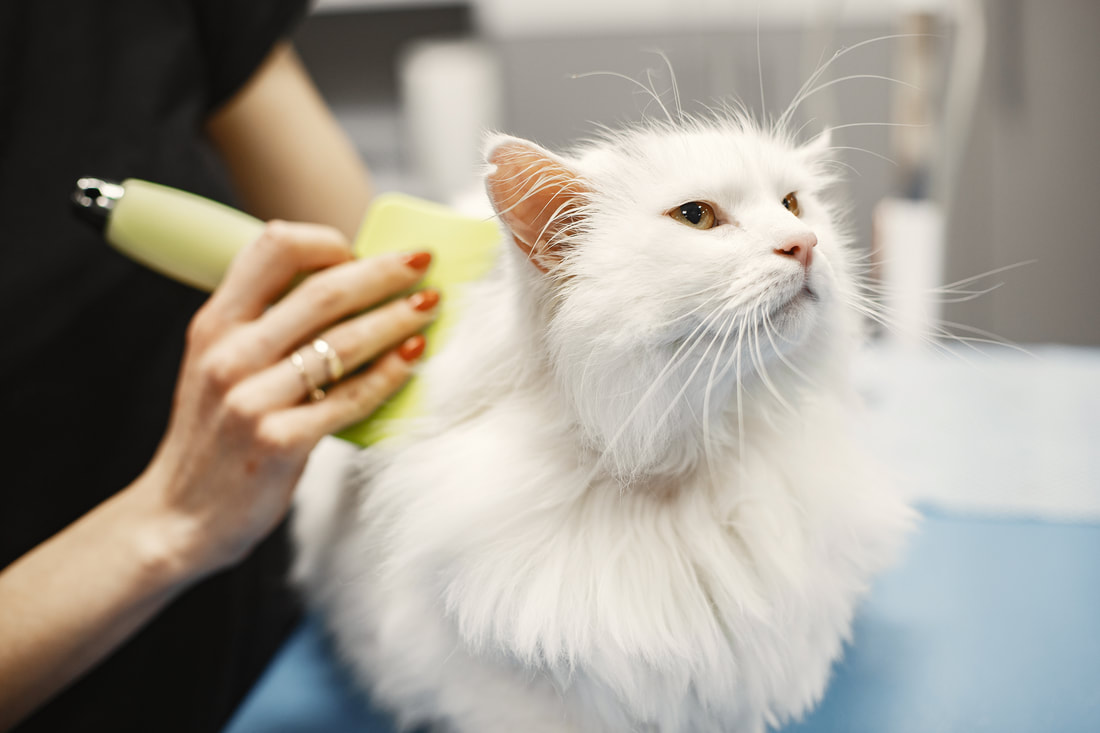
Professional grooming helps with mats, nail care, and hygiene issues. It also reduces stress for cats that dislike grooming at home. Watch your cat’s behavior and coat condition closely to decide if you need help.
Signs You Need Help
Your cat has tangled or matted fur that you cannot comb out. Skin looks irritated or has sores under the fur. Nails are too long or sharp to trim safely. Your cat shows stress or aggression during grooming. Bad odors come from the fur or skin. These signs mean a professional groomer can assist.
Choosing The Right Groomer
Look for groomers with experience working with cats. Check reviews and ask for recommendations from your vet. Make sure the groomer uses gentle, cat-friendly tools. A calm and quiet environment helps reduce your cat’s fear. Ask if the groomer handles special needs or health issues.
Costs And Considerations
Professional grooming costs vary by service and location. Basic grooming like nail trimming or baths costs less. Full grooming with mats removed or haircuts costs more. Plan for regular visits to maintain your cat’s coat. Budget for grooming as part of your cat’s health care.
Credit: www.rockthecatspa.com
Credit: doctorgroomer.com
Frequently Asked Questions
How Often Should My Cat Be Groomed?
Cats with long hair need grooming daily to prevent mats. Short-haired cats can be groomed weekly. Regular grooming reduces shedding and hairballs.
Can Grooming Improve My Cat’s Health?
Yes, grooming helps detect skin issues, parasites, and infections early. It also promotes a healthy coat and better circulation.
What Tools Are Best For Grooming Cats?
Use a soft-bristle brush for short hair and a wide-toothed comb for tangles. Nail clippers and pet-safe wipes are useful too.
Is Professional Grooming Necessary For Cats?
Professional grooming is helpful for difficult coats or anxious cats. It ensures thorough care and reduces stress for both cat and owner.
Conclusion
Grooming helps keep your cat clean and healthy. It removes dirt and loose fur. Grooming also prevents hairballs and skin problems. Regular brushing builds a strong bond with your pet. Some cats need more grooming than others. Short-haired cats may need less care.
Long-haired cats require more frequent attention. Watch your cat’s behavior and coat condition. This helps decide how often to groom. A well-groomed cat looks happy and feels good. Taking time to groom is worth it. Your cat will enjoy the extra care.