
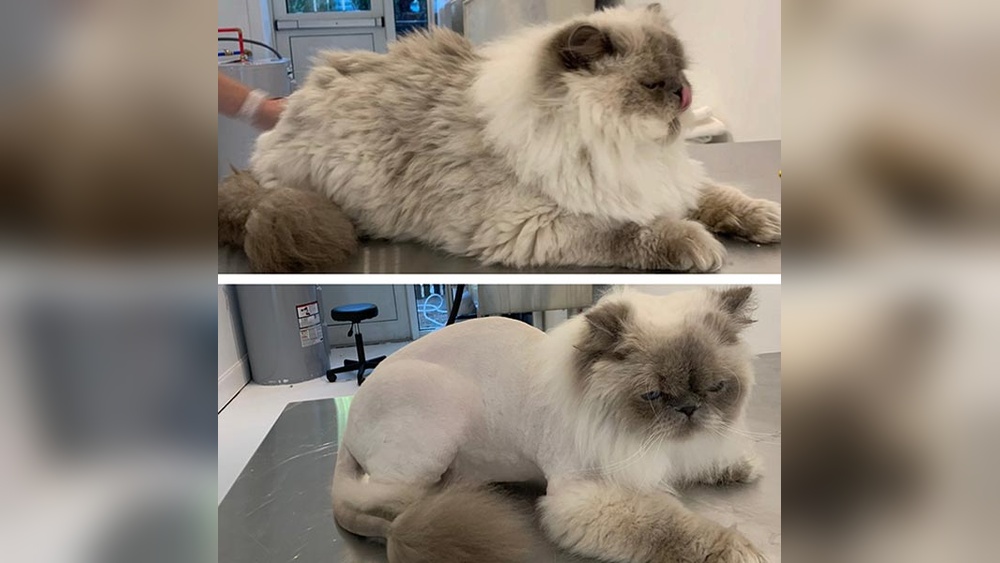
Are you wondering if your cat really needs grooming? You might think cats clean themselves well enough, but there’s more to it than just a quick lick.
Grooming can keep your furry friend healthy, comfortable, and looking their best. If you want to know how grooming can benefit your cat—and whether it’s something you should add to your routine—keep reading. This guide will help you make the best choice for your pet’s happiness and well-being.
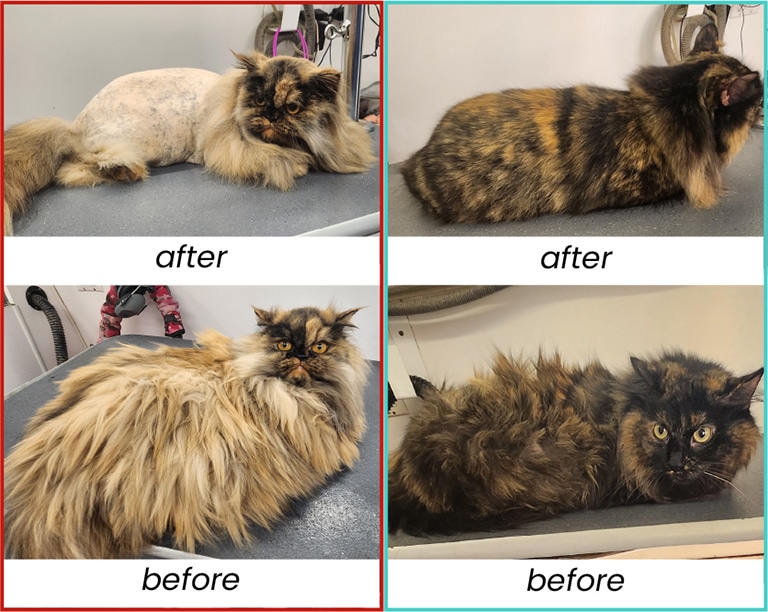
Credit: smoochie-pooch.com
Benefits Of Cat Grooming
Cat grooming offers many benefits for both cats and their owners. Regular grooming helps keep your cat healthy and comfortable. It also reduces problems that may cause stress or discomfort. Grooming is a simple way to care for your cat’s well-being every day.
Improved Coat Health
Grooming helps remove dirt and loose fur from your cat’s coat. It spreads natural oils that keep the fur shiny and soft. A healthy coat protects your cat’s skin from damage. Grooming also reduces dry skin and irritation.
Reduced Shedding
Brushing your cat regularly lowers the amount of hair shed around the house. It catches loose fur before it falls off. This keeps your home cleaner and reduces hair on furniture. Less shedding means fewer hairballs for your cat too.
Prevention Of Matting
Matting happens when fur tangles and clumps together. Grooming prevents mats by keeping fur smooth and untangled. Mats can be painful and cause skin infections. Removing mats early stops discomfort and skin problems.
Early Detection Of Health Issues
Grooming lets you check your cat’s skin and body closely. You can find lumps, bumps, or wounds early. Detecting problems early helps your vet treat them faster. Grooming also reveals signs of parasites like fleas or ticks.
When To Groom Your Cat
Knowing the right time to groom your cat keeps them healthy and happy. Grooming is not just about looks. It helps prevent hairballs, skin problems, and discomfort. Different cats need grooming at different times. Pay attention to your cat’s needs and habits.
Breed And Coat Type Considerations
Long-haired cats need grooming more often than short-haired cats. Breeds like Persians or Maine Coons require daily brushing. Short-haired cats like Siamese can be brushed weekly. Thick or dense coats also need frequent care. Grooming helps remove loose hair and prevents mats.
Seasonal Grooming Needs
Cats shed more during spring and fall. These seasons need extra grooming sessions. Regular brushing removes dead hair and reduces shedding. It also helps your cat stay cool in summer. Grooming during colder months keeps their coat healthy and warm.
Signs Your Cat Needs Grooming
Look for mats or tangles in your cat’s fur. Excessive shedding or hairballs show grooming is needed. Dry or flaky skin means your cat needs care. Scratching or licking too much can signal discomfort. Regular checks help spot these signs early.
Diy Grooming Tips
Grooming your cat at home can save money and build trust. It keeps your cat clean and healthy. You learn about your cat’s skin and fur closely. Here are some easy tips for DIY grooming.
Choosing The Right Tools
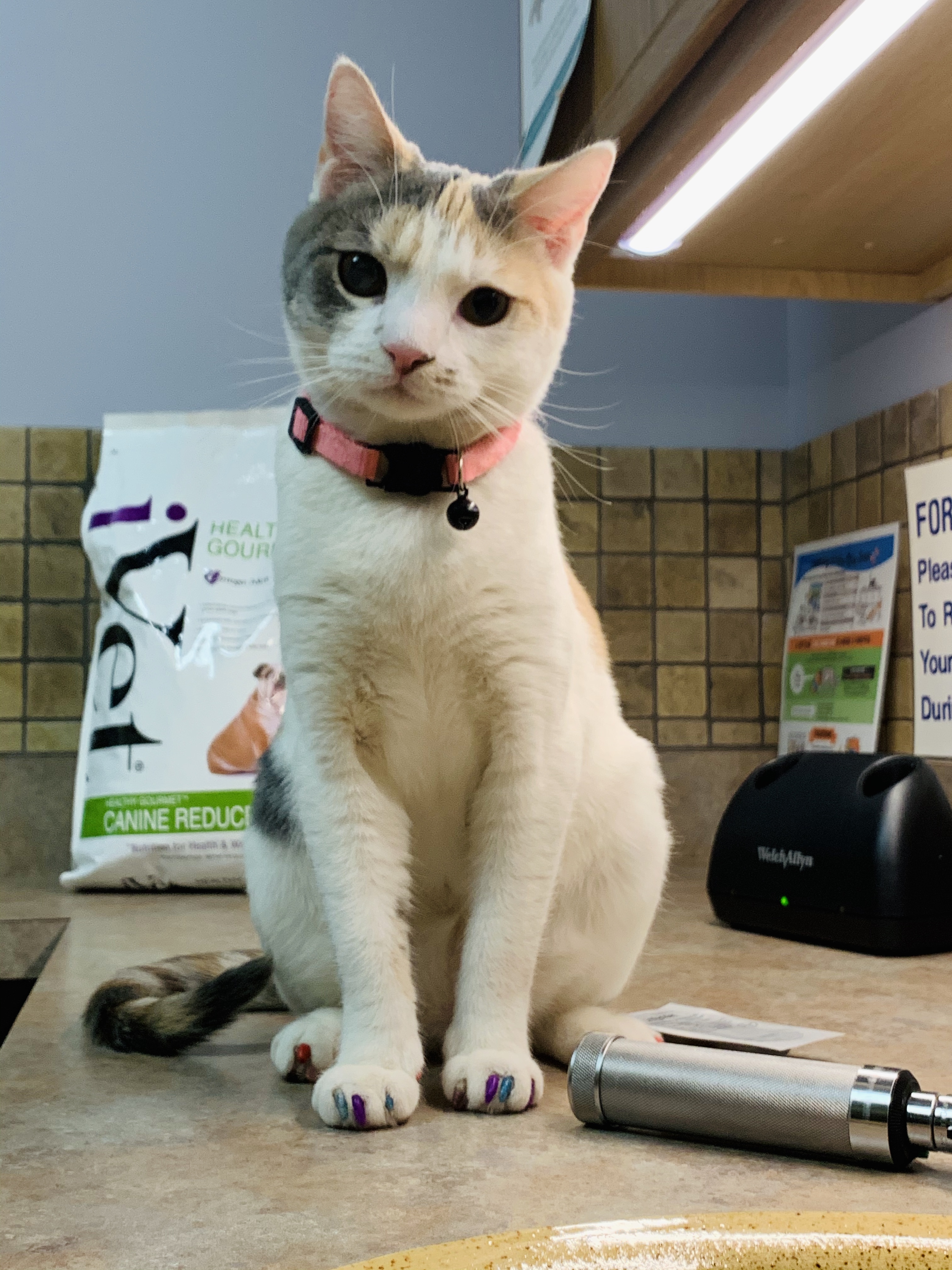
Select tools made for cats. Use a soft brush for short hair. For long-haired cats, choose a comb with wide teeth. Avoid harsh or metal brushes that might hurt your cat. Keep nail clippers designed for pets nearby. Have a soft towel ready for bath time.
Brushing Techniques
Brush your cat gently in the direction of hair growth. Start at the head and move to the tail. Be extra careful around sensitive areas like the belly. Use slow, calm strokes to relax your cat. Stop if your cat shows signs of stress. Regular brushing prevents mats and reduces shedding.
Bathing Your Cat Safely
Use lukewarm water and cat-safe shampoo. Avoid human shampoos; they can irritate your cat’s skin. Wet your cat slowly, starting from the neck down. Rinse thoroughly to remove all shampoo. Keep your cat warm during and after the bath. Dry with a soft towel and stay calm to reassure your cat.
Credit: www.4pawsanimal.com
Professional Grooming Services
Professional grooming services offer a safe and thorough way to care for your cat’s coat. Experts handle tasks like bathing, brushing, and nail trimming. These services help keep your cat clean and healthy. They also reduce shedding and prevent matting. Groomers have the right tools and skills to manage your cat’s specific needs.
What To Expect
During a grooming session, expect your cat to be gently brushed and bathed. Nail trimming and ear cleaning are common parts of the service. Groomers check for skin problems or parasites. The environment is calm to keep your cat relaxed. Sessions usually last between 30 minutes and one hour.
Finding A Trusted Groomer
Choose a groomer with good reviews and experience. Ask about their training and handling methods. Make sure they use safe, pet-friendly products. Visit the grooming salon beforehand to see cleanliness and comfort. A trusted groomer will respect your cat’s needs and limits.
Costs And Frequency
Professional grooming costs vary by location and services offered. Expect to pay between $40 and $80 per session. Cats with long or thick fur may need more frequent grooming. Many cats benefit from grooming every 4 to 8 weeks. Regular visits keep your cat’s coat healthy and shiny.
Handling Grooming Challenges
Grooming cats can be tough. Many cats do not like being touched or held for long. Some get scared or act aggressively. Handling these challenges helps keep grooming safe and calm. Patience and care make a big difference.
Understanding your cat’s behavior is key. Small steps can reduce stress. Learning how to manage anxiety and aggression helps both you and your cat.
Dealing With Anxious Cats
Many cats feel nervous during grooming. They may hide or try to run away. Speak softly and move slowly. Use gentle strokes to calm them. Give short breaks to avoid overwhelming your cat. Create a quiet and safe space for grooming. A calm environment lowers anxiety.
Managing Aggression
Some cats hiss or scratch during grooming. This is a sign of fear or pain. Watch your cat’s body language closely. Stop if your cat becomes too upset. Use towels to gently hold aggressive cats. Avoid sudden moves that may scare them. Stay calm and patient to reduce aggression.
Tips For Difficult Grooming Sessions
Try grooming in short sessions. Break tasks into smaller steps. Reward your cat with treats or praise after each step. Use the right tools to make grooming easier. A soft brush is less scary than clippers. Enlist help from another person if needed. Regular grooming helps your cat get used to it.
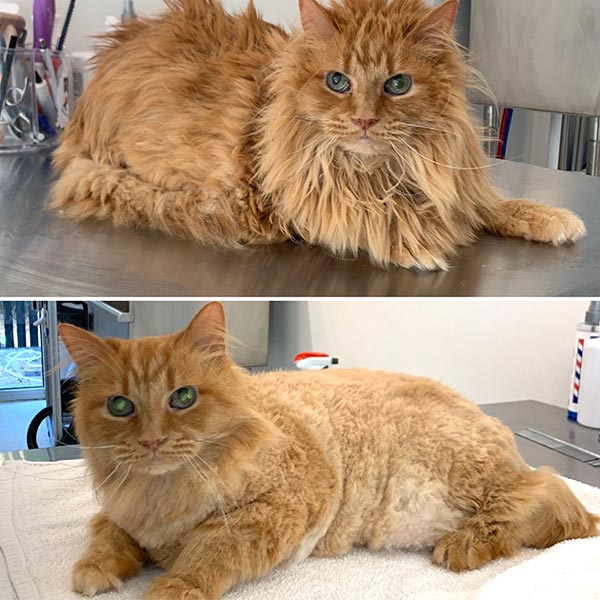
Credit: www.daysmart.com
Maintaining Grooming Between Sessions
Maintaining grooming between professional sessions keeps your cat healthy and comfortable. Grooming is not just about looks. It helps prevent mats, reduces shedding, and keeps skin healthy. Small daily efforts make a big difference over time.
Daily Care Routines
Brush your cat gently every day. This removes loose fur and dirt. It also stops hairballs from forming. Use a brush suited to your cat’s fur type. Check for tangles or mats and fix them early. Clean your cat’s eyes and ears regularly. Use a soft cloth or a vet-recommended wipe. Trim nails carefully to avoid scratches and damage.
Monitoring Skin And Coat
Look for changes in your cat’s skin. Redness, bumps, or dryness could mean problems. A dull coat may signal health issues or poor grooming. Watch for excessive scratching or licking. These signs need attention from a vet. Keep an eye on any hair loss spots. Early detection helps prevent bigger issues later.
Diet And Hydration Impact
Your cat’s diet affects its skin and coat health. Feed high-quality food rich in nutrients. Omega-3 fatty acids improve coat shine and reduce inflammation. Fresh water is vital for hydration and skin moisture. Dehydrated cats often have dry, flaky skin. Monitor your cat’s eating and drinking habits daily. Healthy nutrition supports grooming naturally.
Frequently Asked Questions
Why Should You Get Your Cat Professionally Groomed?
Professional grooming helps maintain your cat’s coat health and cleanliness. It reduces shedding, prevents matting, and improves skin condition. Groomers also check for parasites and skin issues. Regular grooming keeps cats comfortable and can extend their lifespan by preventing health problems.
How Often Should Cats Be Groomed For Best Results?
Most cats benefit from grooming every 4 to 6 weeks. Long-haired breeds may need grooming more frequently. Regular sessions help prevent mats and hairballs. Frequency depends on your cat’s coat type, age, and health. Consult a groomer or vet to set a schedule.
Can Grooming Reduce Cat Hair Shedding In The House?
Yes, grooming significantly reduces shedding by removing loose fur. Brushing and professional grooming prevent hair from spreading indoors. It also minimizes hairballs, improving your cat’s digestion. Regular grooming keeps your home cleaner and your cat more comfortable.
Is Grooming Necessary For Indoor Cats Without Long Hair?
Indoor short-haired cats still benefit from grooming. It helps remove dead hair and distributes natural oils. Grooming also allows early detection of skin issues or parasites. Even indoor cats can develop mats or tangles, so occasional grooming is recommended.
Conclusion
Cats need grooming for health and comfort. Regular grooming keeps their fur clean and untangled. It helps spot skin problems early. Grooming also reduces shedding and hairballs. Some cats enjoy the attention and touch. Choose a groomer who is gentle and patient.
Not all cats need professional grooming often. At home brushing works well for many cats. Think about your cat’s breed and coat type. Grooming can make your cat happier and healthier. Small effort, big benefits. Worth considering for every cat owner.