

Have you ever wondered when your cat might start having kittens? Knowing the age when cats begin breeding is important for every pet owner.
It helps you make smart decisions about their health and care. You’ll discover the signs to watch for and what to expect as your cat grows. Keep reading to learn how to keep your furry friend happy and healthy while managing their breeding age wisely.
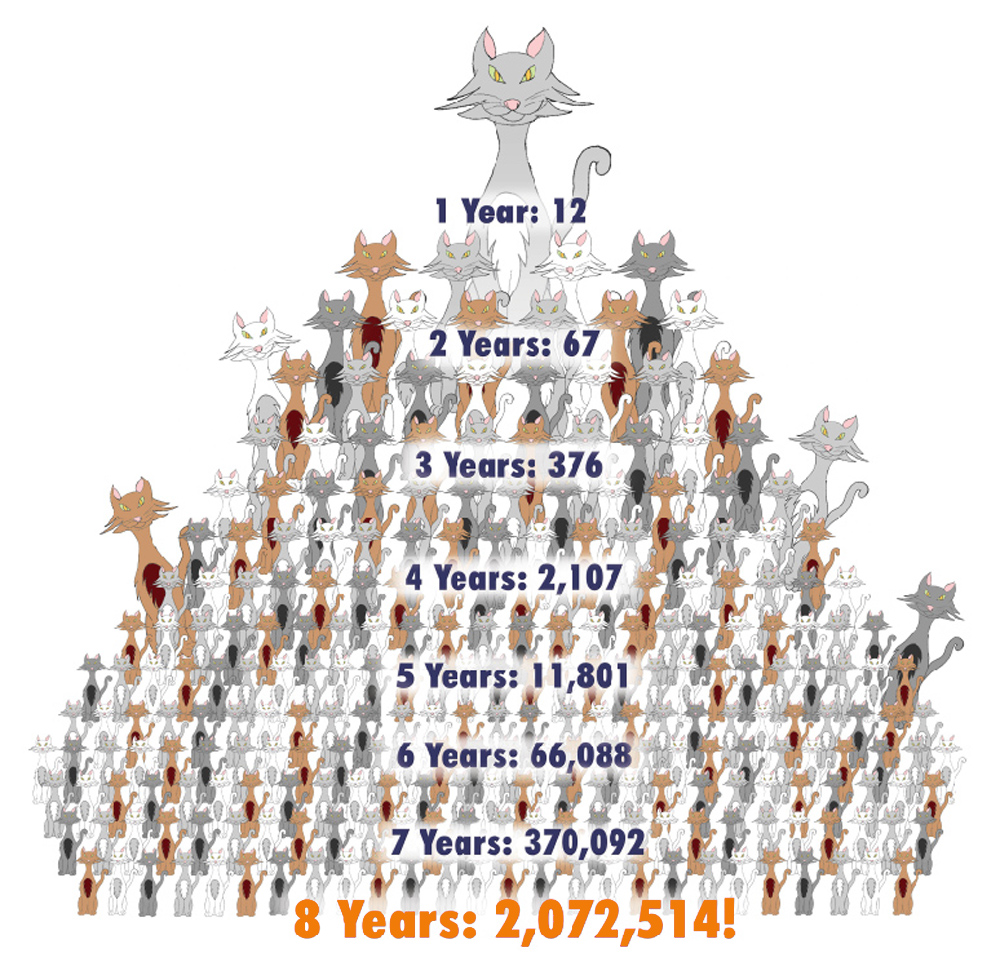
Credit: spayneuter.org
Cat Breeding Age
Cats start breeding at different ages depending on many factors. Knowing the right age helps in caring for your pet properly. It also prevents unwanted litters and health issues.
When Cats Reach Sexual Maturity
Cats usually reach sexual maturity between 5 and 12 months old. Female cats, called queens, often go into heat around 6 months. Male cats, called toms, become fertile near 6 to 9 months. Some cats mature earlier or later based on their health and environment.
Differences Between Breeds
Smaller breeds tend to mature faster than larger ones. For example, Siamese cats may start breeding earlier than Maine Coons. Breed genetics affect the growth and development speed. Knowing breed traits helps predict breeding age more accurately.
Indoor Vs Outdoor Cats
Outdoor cats may breed earlier because of more natural light and activity. Indoor cats can have delayed maturity due to limited stimuli. Indoor cats often start breeding closer to 9 or 12 months. Environment plays a big role in a cat’s breeding age.

Credit: dremmanuelfontaine.com
Signs Of Breeding Readiness
Cats show clear signs when they are ready to breed. These signs help owners know the right time to expect kittens. Observing these signs can ensure proper care and attention for the cat.
Breeding readiness includes physical changes, behavior shifts, and heat cycles. Each sign gives clues about the cat’s reproductive stage. Understanding these signs helps in managing your cat’s health.
Physical Indicators
Young female cats develop a swollen, pinkish vulva as they mature. This change usually appears around five to six months old. Their body may also grow slightly larger and leaner. Male cats show testicles that become more visible and firm. These physical changes mark the start of fertility.
Behavioral Changes
Cats ready to breed act differently. Females may become more vocal and restless. They often rub their bodies against furniture and people. Males might spray urine to mark territory. Both sexes may show increased affection or agitation. These behaviors signal they are ready to mate.
Heat Cycles Explained
Female cats go through heat cycles, also called estrus. Each cycle lasts about a week, repeating every few weeks. During heat, females are fertile and ready to mate. Signs include loud meowing and rolling on the floor. Heat cycles start around six months but can vary. Knowing this helps predict when your cat can breed.
Risks Of Early Breeding
Breeding cats at a very young age can cause serious problems. Young cats are not fully ready for pregnancy or raising kittens. Their bodies need more time to grow and become strong. Early breeding can harm their health and well-being. It also affects the kittens they may have. Understanding the risks helps keep cats safe and healthy.
Health Concerns For Young Cats
Young cats face many health risks from early breeding. Their immune system is not strong enough. This can lead to infections and illness. Pregnancy puts extra strain on their small bodies. They may lose weight or become weak. Early breeding also increases the chance of birth problems. Many vets advise waiting until cats are older.
Impact On Growth And Development
Cats grow and develop during their first year. Early pregnancy can slow this important process. Young cats may not reach full size or strength. Their bones and muscles remain weak. This affects their overall health and lifespan. Proper growth is important for healthy kittens too. Delaying breeding helps cats grow properly and stay strong.
Potential Complications
Breeding too early can cause serious complications. Young cats may have trouble giving birth. This can lead to emergency surgery or death. Kittens born from very young mothers may have low birth weight. They might be weak or sickly. Early breeding also raises the risk of stillborn kittens. Avoiding early breeding protects both mother and kittens.
Responsible Breeding Practices
Responsible breeding practices protect cats’ health and improve kitten quality. Breeders must plan carefully to avoid health problems and overpopulation. Following good practices helps cats live longer and happier lives. It also supports ethical treatment of animals and reduces risks for breeders and owners.
Ideal Breeding Age
Cats usually start breeding at six months old, but this is too early. Experts recommend waiting until cats are at least one year old. At this age, cats are stronger and more mature. Breeding too early can cause health issues and weak kittens. Healthy mothers produce healthier litters.
Health Screening And Vaccinations
Before breeding, cats need thorough health checks. Testing for genetic diseases helps avoid passing problems to kittens. Vaccinations protect cats from infections during pregnancy and after birth. Regular vet visits ensure cats stay healthy. Healthy cats have better chances for safe pregnancies.
Spaying And Neutering Benefits
Spaying and neutering prevent unwanted litters and reduce stray cat populations. These procedures lower risks of certain cancers and infections. They also improve cats’ behavior and calm their instincts. Responsible breeders spay or neuter cats not used for breeding. This keeps cats healthy and communities safe.
Caring For Pregnant Cats
Caring for pregnant cats requires special attention and care. Their needs change as they grow kittens inside. Proper care helps both the mother and her kittens stay healthy.
Pregnant cats need the right food, a safe place, and regular health checks. These steps ensure a smooth pregnancy and reduce risks. Let’s explore how to care for a pregnant cat in detail.
Nutritional Needs
Pregnant cats need more calories and nutrients than usual. Feed her high-quality kitten food to support growth. Protein and fat are important for her and the kittens. Fresh water must always be available. Avoid giving treats that do not add nutrition.
Safe Environment Setup
Create a quiet and warm space for the pregnant cat. Use soft bedding in a low-traffic area of your home. Keep this area clean and free from hazards. Avoid loud noises and sudden changes around her. This safe place helps her feel calm and secure.
Monitoring Health During Pregnancy
Watch for signs of illness or distress in the cat. Check her appetite, energy, and behavior daily. Schedule regular vet visits to track her health and the kittens’ growth. Look out for any unusual discharge or swelling. Early care prevents complications during pregnancy and birth.
Myths About Cat Breeding Age
Many people have wrong ideas about the age when cats start breeding. These myths can confuse cat owners and lead to poor care choices. Knowing the truth helps keep cats healthy and safe.
Understanding the real facts about cat breeding age is important for every cat lover. This section clears up common myths and shares advice from experts.
Common Misconceptions
Some believe cats can breed as early as two months old. Others say cats must be one year old before breeding. Both are not true. Early breeding can harm young cats. Many think cats only breed in spring, but they can breed year-round in warm places.
Scientific Facts
Cats usually reach breeding age at five to six months. This age can change by breed and environment. Female cats go into heat, called estrus, starting around this time. Male cats become fertile close to six months. Breeding too early can cause health problems for both mother and kittens.
Advice From Veterinarians
Veterinarians suggest waiting until cats are at least one year old to breed. This helps ensure full physical maturity. Spaying and neutering are recommended to avoid unplanned litters. Vets advise monitoring cats’ health closely if breeding is planned. They stress responsible breeding to protect cats’ well-being.

Credit: dremmanuelfontaine.com
Frequently Asked Questions
At What Age Do Cats Start Breeding?
Cats typically begin breeding at around 5 to 9 months old. Female cats enter their first heat cycle during this period. Males become sexually mature slightly later but can start breeding around 6 months. Early breeding depends on the cat’s health and environment.
How Can I Tell When My Cat Is Ready To Breed?
Signs include behavioral changes like restlessness and vocalization. Female cats display heat cycles, showing interest in males. Males may spray and become more aggressive. Observing these behaviors helps identify when cats are ready to breed.
Is It Safe For Cats To Breed At 6 Months?
Breeding at 6 months can be risky. Cats may not be physically mature enough for pregnancy. Early breeding increases health risks for both mother and kittens. Veterinarians usually recommend waiting until the cat is at least one year old.
How Often Do Cats Go Into Heat Before Breeding?
Female cats can go into heat every 2 to 3 weeks during breeding season. Heat cycles last about 7 to 10 days. This frequent cycling increases chances of early breeding if not managed properly.
Conclusion
Cats usually start breeding between five and twelve months old. This age can vary by breed and health. Female cats can have several litters each year. Knowing this helps you care for your cat better. Spaying or neutering can prevent unwanted litters.
Responsible pet care keeps cats healthy and happy. Understanding breeding age helps protect your pet and community. Always watch for signs your cat is ready to breed. Taking action early can avoid many problems later.