
Are you curious about when your cat can start breeding? Knowing the right age is important for your cat’s health and well-being.
Understanding this helps you make smart choices about care and responsibility. You’ll discover the key signs and age milestones that signal when your cat is ready to breed. Keep reading to learn what every cat owner needs to know to keep their furry friend happy and healthy.
Cat Sexual Maturity
Cats reach sexual maturity at different ages. This marks the time they can start breeding. Knowing this helps owners care better for their pets. It also prevents unwanted litters and health issues.
Sexual maturity means a cat is ready to mate and have kittens. This stage usually begins in the first year of life. Understanding when cats reach this stage is important for responsible pet care.
When Cats Reach Puberty
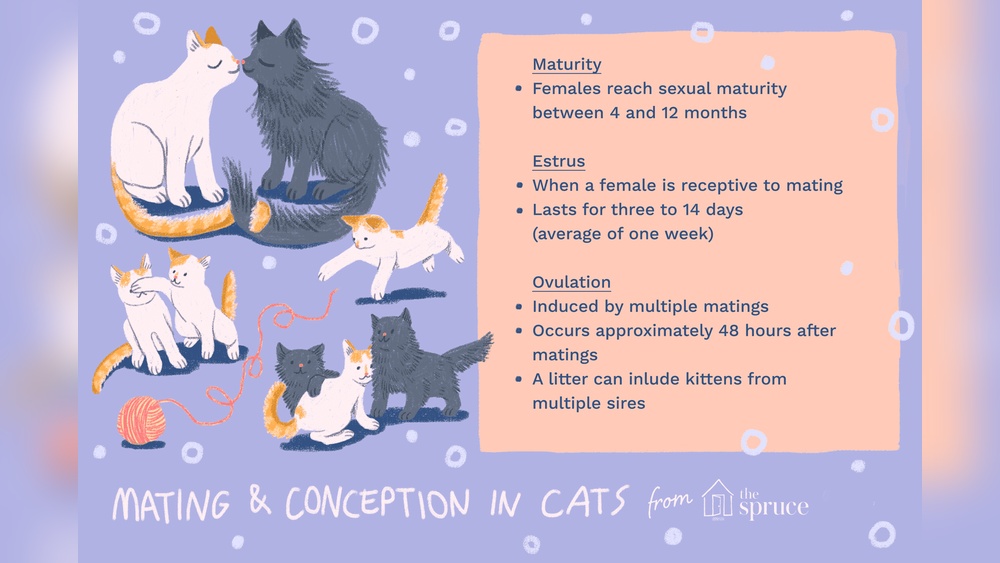
Most cats hit puberty between five and twelve months old. Female cats often enter heat cycles by six months. Male cats start showing mating behavior around the same age.
Smaller breeds may mature earlier than larger ones. Outdoor cats tend to reach puberty sooner than indoor cats. Early puberty means cats can breed at a young age.
Factors Influencing Maturity Age
Several things affect when cats become sexually mature. Genetics play a big role in maturity timing. Nutrition also influences growth and development speed.
Environmental factors like daylight and temperature can change puberty onset. Stress or illness may delay maturity. Each cat’s timeline is unique and varies widely.
Breeding Age For Female Cats
Female cats start breeding when they reach a certain age. This time varies but usually happens early. Knowing the right age helps owners care for their cats better. It also helps manage their health and breeding safely.
First Heat Cycle Timing
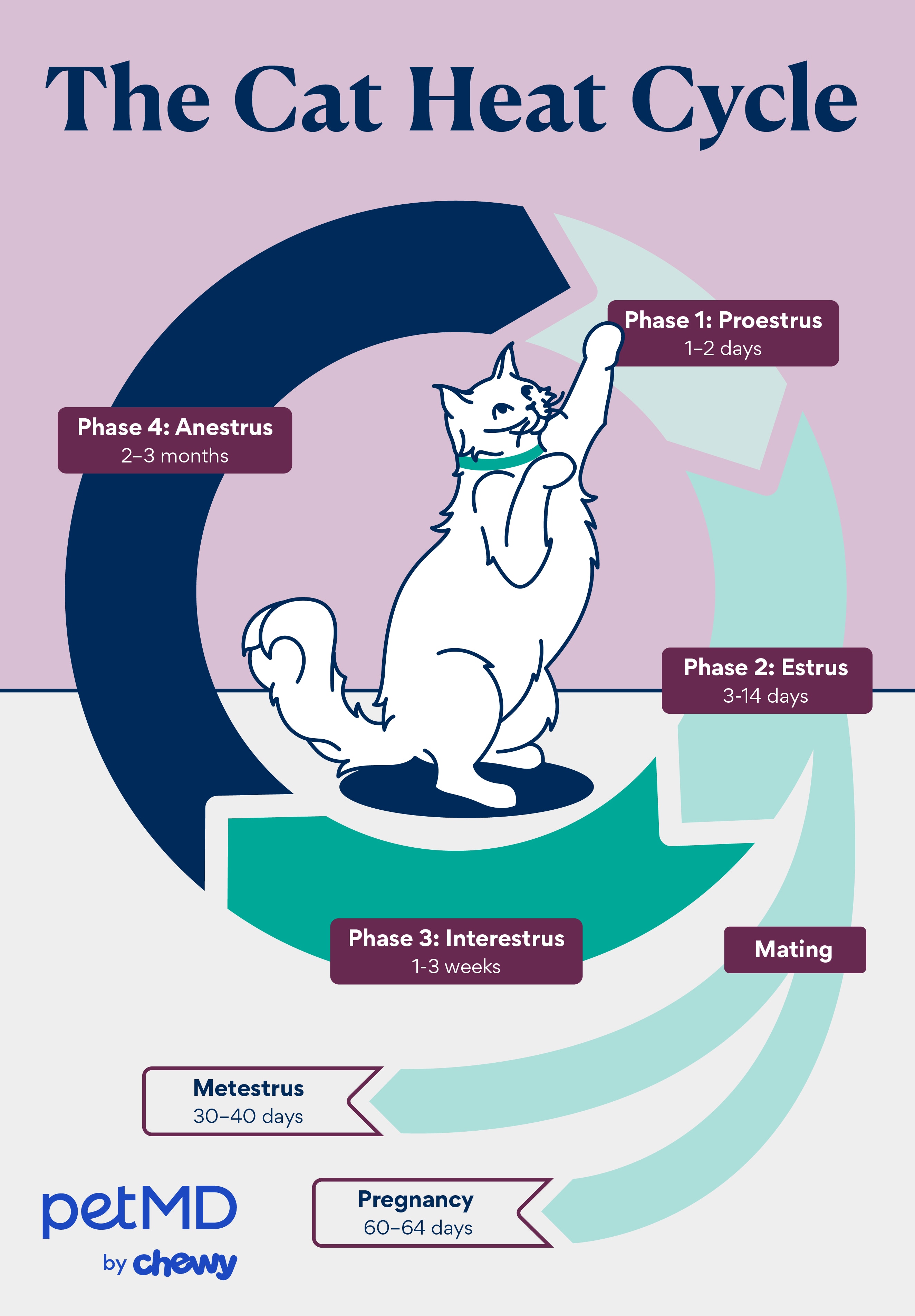
Female cats have their first heat cycle between five and nine months. Some cats may start as early as four months. This heat cycle means they can get pregnant. Smaller or indoor cats might have their first heat later. The timing depends on breed, health, and environment.
Signs Of Readiness To Breed
When a female cat is ready to breed, she shows clear signs. She may become more vocal and restless. Her tail lifts to the side when petted. She may rub against people or objects more often. These signs show she is in heat and can mate.
Breeding Age For Male Cats
Male cats reach breeding age at different times based on breed and health. Understanding when they start breeding helps in managing their behavior and health. Knowing these stages is important for cat owners and breeders.
Onset Of Fertility
Male cats usually become fertile between 5 and 12 months of age. Some cats may start earlier, while others take longer. Fertility means they can father kittens. This stage marks the start of their reproductive life.
Behavioral Changes
Breeding age brings noticeable behavior changes in male cats. They may spray urine to mark territory. Restlessness and loud vocalizing are common. These signs show their readiness to find a mate. Owners should watch for these changes closely.
Health Risks Of Early Breeding
Breeding cats at a very young age can cause serious health risks. Their bodies are not ready for the stress of pregnancy and raising kittens. Early breeding can harm both the mother cat and her babies.
Understanding these risks helps protect your cat’s health. It also ensures better care for future generations of cats.
Physical Strain On Young Cats
Young cats are still growing. Pregnancy adds heavy physical strain on their small bodies. Their bones, muscles, and organs may not be fully developed. This can lead to weakness and exhaustion. The cat may have trouble carrying the kittens to full term. This stress can cause long-term health problems.
Potential Complications
Early breeding increases the chance of complications during birth. Young cats face higher risks of infections and injuries. Their kittens may be born weak or sick. Some may not survive. The mother cat might need emergency veterinary care. These issues can be costly and emotionally difficult. Avoiding early breeding helps reduce these dangers.
Responsible Breeding Practices
Responsible breeding practices protect the health of cats and their kittens. Breeding should only happen at the right time and with proper care. This helps avoid health problems and supports strong, happy cats.
Understanding when and how to breed cats responsibly is important. It ensures the well-being of both the mother and her offspring.
Ideal Breeding Age
Cats usually start breeding between 6 and 12 months old. Breeding too early can harm the mother and kittens. Most experts suggest waiting until the cat is at least 1 year old. This allows her body to fully develop. Breeding at the right age improves the chances of healthy kittens.
Pre-breeding Health Checks
Before breeding, cats need a full health check. A vet will look for diseases and check overall health. Vaccinations and parasite control must be up to date. Genetic tests help identify inherited conditions. Only healthy cats should be bred to avoid passing problems to kittens.
Credit: www.petmd.com
Spaying And Neutering Benefits
Spaying and neutering cats bring many important benefits for pets and owners. These procedures help control the cat population and improve health. They also reduce some unwanted behaviors. Understanding these benefits helps owners make the best choice for their cats.
Preventing Unwanted Litters
Spaying and neutering stop cats from having babies. This helps reduce the number of homeless cats. Many cats need homes, and fewer litters mean fewer cats on the streets. It also lowers the risk of overcrowding in shelters. Responsible pet owners help by preventing extra litters.
Health And Behavioral Advantages
Spayed and neutered cats often live longer, healthier lives. These surgeries lower the chance of certain cancers and infections. Cats also show less aggression and roaming behaviors. They become calmer and more relaxed at home. Health and behavior both improve after these procedures.
Signs Your Cat Is Ready
Understanding when a cat is ready to breed is important for every cat owner. Cats show clear signs before they start breeding. These signs help you know the right time to care for your cat properly. Watch closely for changes in behavior and body.
Behavioral Indicators
Cats act differently when they are ready to breed. They become more vocal, making loud, frequent meows. Some cats rub their body against furniture and people more often. They may also roll on the floor or show restless movements. Female cats often show a strong desire to go outside. Males may spray urine to mark territory. These behaviors indicate your cat is ready for breeding.
Physical Changes
Physical changes in cats signal their readiness to breed. Female cats’ genitals become swollen and red. You might notice some clear discharge. Male cats develop larger testicles and a broader face. Their body may look stronger and more muscular. These changes usually happen between five to twelve months of age. Observing these signs helps you understand your cat’s breeding stage.
:strip_icc()/will-heat-cycle-end-after-mating-554846-0287b41fab614446a08cf8eea4c6dbd6.jpg)
Credit: www.thesprucepets.com
Managing Breeding In Domestic Cats
Managing breeding in domestic cats requires care and attention. It helps keep cats healthy and prevents unwanted litters. Understanding how to handle breeding can improve the life of your cat.
Proper management also avoids health risks and stress for the animals. It is important to know when cats are ready and how to plan breeding safely.
Monitoring Heat Cycles
Female cats go into heat several times a year. Each cycle lasts about a week. Signs include loud meowing, restlessness, and rubbing against objects.
Tracking these signs helps you know when the cat is ready to mate. Write down the dates to spot patterns. This makes breeding timing easier and safer.
Safe Mating Practices
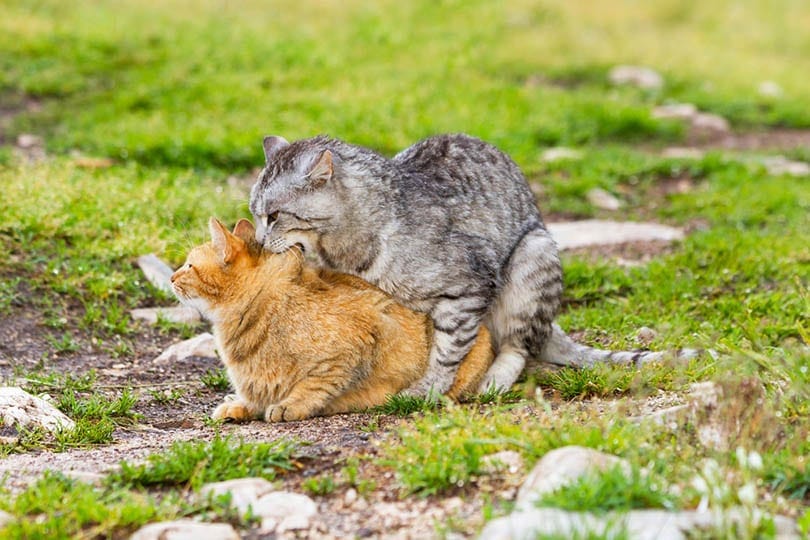
Choose a healthy mate to avoid passing diseases. Both cats should be checked by a vet before mating. Keep the environment calm and clean during mating.
Never force cats to mate. Let them interact naturally. After mating, give the female space to rest and recover.
Credit: articles.hepper.com
Frequently Asked Questions
At What Age Do Cats Start Breeding?
Cats typically start breeding around 5 to 12 months old. Female cats can go into heat as early as five months. Male cats reach sexual maturity around six months but usually breed later. Age varies by breed, health, and environment.
How Often Can Cats Breed In A Year?
Cats can breed multiple times a year, especially females in heat. They may have 2 to 3 litters annually. Heat cycles occur every 2 to 3 weeks during breeding season. Breeding frequency depends on health and care.
When Is The Best Age To Spay Or Neuter Cats?
Spaying or neutering is best done between 4 to 6 months old. This prevents unwanted litters and health issues. Early sterilization helps reduce behavioral problems. Consult a vet for the optimal timing for your cat.
Can Early Breeding Affect A Cat’s Health?
Yes, early breeding can harm a cat’s health. Young cats may face complications during pregnancy and birth. It can also affect their growth and immune system. Responsible breeding age ensures better health for both mother and kittens.
Conclusion
Cats usually start breeding between five to twelve months old. Female cats can go into heat several times a year. Male cats become fertile around the same age. Responsible pet owners should consider spaying or neutering early. This helps avoid unwanted litters and health issues.
Knowing the right time helps you care for your cat better. Keep an eye on your cat’s behavior to spot breeding signs. Taking action early supports your cat’s well-being and happiness.