
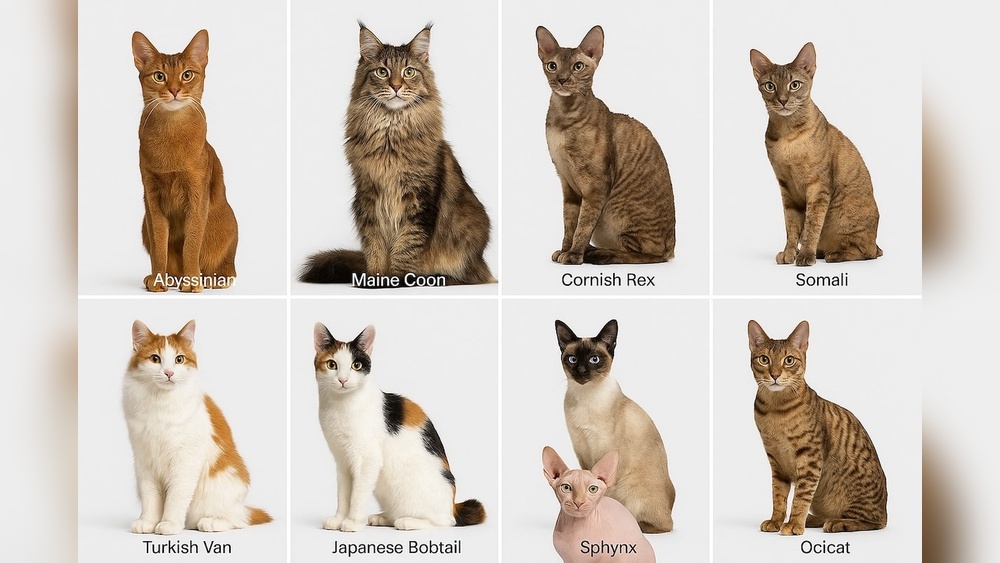
Are you curious about the many types of cats you might meet or bring into your home? Whether you’re thinking about adopting a new furry friend or just love learning about animals, knowing all the different cat breeds can be both fun and helpful.
Each breed has its own unique look, personality, and charm that could match your lifestyle perfectly. Keep reading, and you’ll discover a complete guide to all the cat breeds out there—so you can find the one that feels just right for you.
Popular Cat Breeds
Popular cat breeds have unique looks and personalities. These breeds are loved by many cat owners worldwide. They offer a variety of sizes, colors, and temperaments. Knowing about these breeds helps you understand cats better.
Siamese
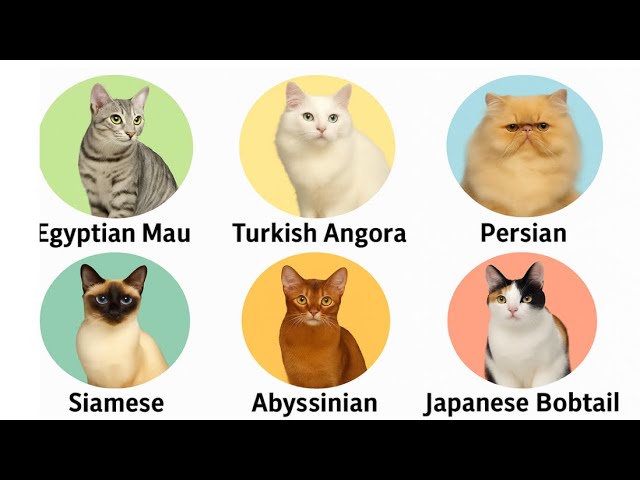
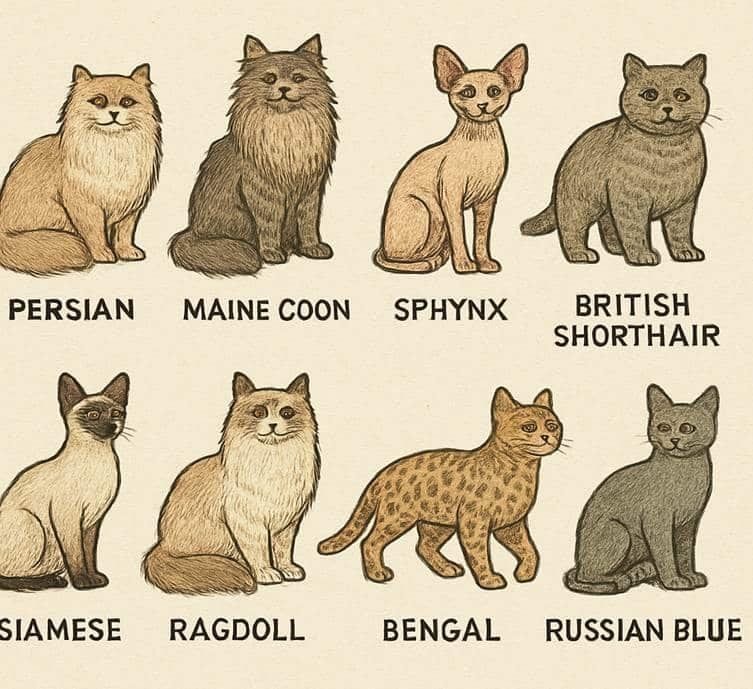
The Siamese cat is famous for its striking blue eyes and sleek body. It has a short coat with color points on ears, face, paws, and tail. Siamese cats are very vocal and enjoy attention. They form strong bonds with their owners and love to play.
Maine Coon
Maine Coon is one of the largest domestic cat breeds. It has a long, thick coat and tufted ears. This breed is gentle, friendly, and good with children. Maine Coons adapt well to different homes and climates. Their playful nature makes them fun pets.
Persian
Persians have long, fluffy fur and flat faces. They are calm and enjoy quiet environments. This breed needs regular grooming to keep its coat clean. Persians prefer a relaxed lifestyle and gentle handling. They make great lap cats for a peaceful home.
Ragdoll
Ragdolls are large cats with blue eyes and soft fur. They get their name because they relax completely when held. These cats are sweet, calm, and love to be near people. Ragdolls are good for families and get along with other pets.
Bengal
Bengals look wild with their spotted or marbled coats. They have a muscular build and high energy levels. Bengals are curious and enjoy climbing and exploring. They need lots of playtime and mental stimulation. This breed suits active owners well.
Credit: www.youtube.com
Rare Cat Breeds
Rare cat breeds catch attention with their unique looks and traits. These cats are not common and often have special histories. They can be a great choice for people who want a pet that stands out.
Each rare breed has a story and qualities that make it special. Their appearances vary widely, from unusual ears to exotic patterns. These cats often require special care and attention.
Kinkalow
The Kinkalow has curled ears and a small body. It is a mix of American Curl and Munchkin breeds. This breed is playful and loves attention from people. Its ears curl back, giving it a unique look.
Peterbald
Peterbald cats have slender bodies and little or no hair. They come from Russia and have an elegant appearance. These cats are very friendly and enjoy human company. Their soft skin feels warm to touch.
Serengeti
Serengeti cats look like wild leopards but are gentle pets. They have long legs and spotted coats. This breed is active and loves to play often. It is a mix of Bengal and Oriental cats.
Toyger
Toygers look like tiny tigers with stripes on their bodies. They are bred to have a wild look but a calm nature. These cats are smart and can learn tricks easily. Their coat has bright orange and black colors.
Chausie
Chausie cats are large and have a wild, jungle-like look. They come from crossing domestic cats with wild jungle cats. This breed is very active and loves to explore. They enjoy playing and spending time with their owners.
Breed Characteristics
Cat breeds differ widely in many ways. Each breed has unique traits that make it special. Understanding these breed characteristics helps find the right cat for any home. Traits like size, coat, behavior, and health vary between breeds. Knowing these details makes pet care easier and more enjoyable.
Size And Build
Cat breeds range from tiny to large. Some are slim and light, while others are stocky and heavy. Size affects how much space and food a cat needs. Build influences activity level and play style. Large cats may be calm but strong. Small cats often stay active and quick.
Coat Types And Colors
Coats vary in length, thickness, and texture. Some cats have short, smooth fur. Others grow long, fluffy coats. Coat colors include black, white, orange, gray, and mixed patterns. Some breeds feature stripes, spots, or patches. Grooming needs depend on coat type and length.
Temperament Traits
Temperament differs by breed and individual cat. Some cats are friendly and social. Others prefer quiet and alone time. Many breeds are playful and curious. Some cats are calm and gentle. Knowing temperament helps match cats with family life and routines.
Health Considerations
Certain breeds face specific health issues. Some have genetic risks for heart or kidney problems. Others may need special diets or exercise. Regular vet checkups keep cats healthy. Understanding breed health helps with early care and prevention.
Choosing The Right Breed
Choosing the right cat breed is important for a happy home. Each breed has unique traits. These traits affect your daily life with your pet. Consider what fits your lifestyle before deciding. Understanding breed needs helps prevent problems later.
Lifestyle Compatibility
Some cats enjoy quiet homes. Others need busy places with lots of people. Some breeds like being alone more. Think about your work hours and home size. Choose a breed that matches your daily routine.
Grooming Needs
Long-haired cats need regular brushing. Short-haired cats require less grooming. Some breeds shed more than others. Grooming time can add up each week. Pick a breed with grooming needs you can handle.
Activity Levels
Active cats enjoy playing and exploring. Calm cats prefer resting and quiet time. Some breeds are very energetic and need space. Others are more relaxed and need less activity. Match the cat’s energy with your lifestyle.
Allergy Considerations
Some cats produce fewer allergens. No cat is fully hypoallergenic, but some are better. People with allergies should spend time with the breed first. Choose a breed that causes less allergic reaction for comfort.
Mix Breeds And Hybrids
Mix breeds and hybrids add diversity to the world of cats. These cats combine traits from different breeds, making each one unique. Mix breeds come from two or more purebred cats. Hybrids come from crossing domestic cats with wild species. Both types offer interesting looks and personalities.
Common Mixes
Many mix breeds are popular among cat lovers. The Domestic Shorthair is a common mix with varied colors and patterns. Another favorite is the Tuxedo mix, known for its black and white coat. Mixes often have strong health and adapt well to homes. Their personalities can be playful, calm, or curious.
Hybrid Cat Types
Hybrid cats have wild ancestry. The Bengal is a famous hybrid, bred from domestic cats and Asian leopard cats. Bengals have a spotted coat and energetic nature. The Savannah is another hybrid, from domestic cats and servals. These cats are tall, active, and need plenty of playtime. Hybrids need special care and space.
Adoption Tips For Mixes
Adopting mix breeds is rewarding. Visit local shelters to find many mixed cats. Ask about the cat’s behavior and health history. Spend time with the cat before adopting. Prepare your home with toys, litter, and food. Mix breeds often adjust quickly to new families.
Credit: catopedea.com
Breed Origins And History
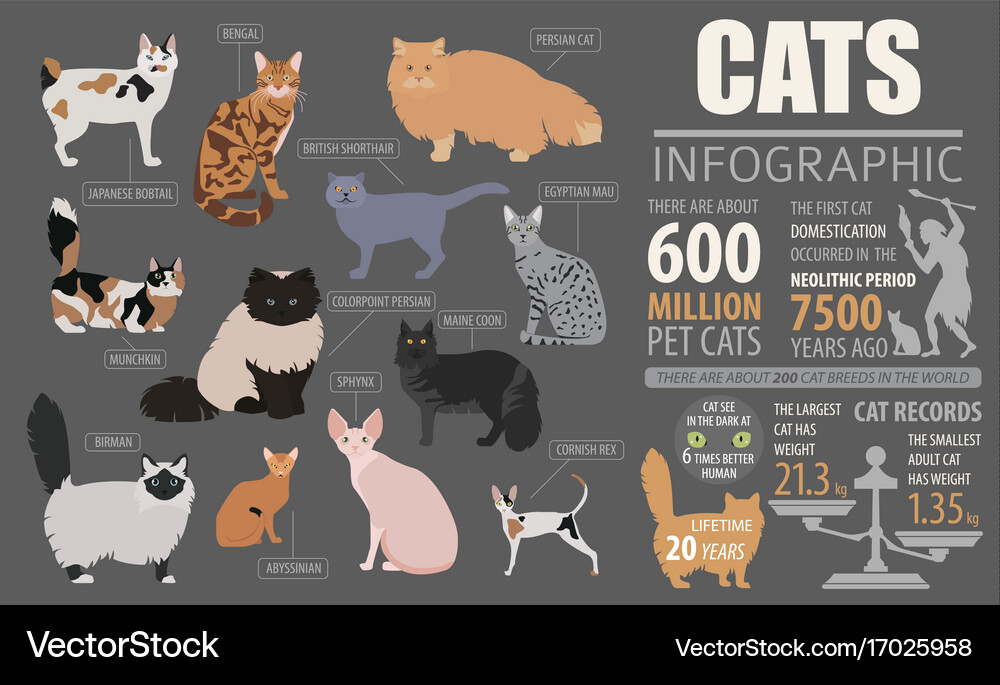
Cats have a rich history that spans thousands of years. Their breeds come from many parts of the world. Each breed has a unique story. Understanding their origins helps us appreciate these animals more. From ancient times to modern homes, cats have adapted and thrived alongside humans. Their history shows how people and cats have shaped each other.
Ancient Breeds
Some cat breeds date back over 4,000 years. Egyptian Mau is one of the oldest. It was worshiped in ancient Egypt. Another example is the Siamese cat from Thailand. These cats were prized for their beauty and grace. Ancient breeds often had strong hunting skills. They lived close to humans but stayed wild in many ways.
Modern Developments
Many new cat breeds appeared in the last 200 years. Breeders selected cats for special traits. Traits like coat color, size, and personality became important. Breeds like the Persian and Maine Coon grew popular. Modern breeds often have a mix of ancient traits. Breeders work to keep cats healthy and unique. These developments show human influence on cat diversity.
Cultural Significance
Cats hold a special place in many cultures. In Japan, the Maneki-neko cat brings good luck. In Norse mythology, cats were linked to the goddess Freyja. Cats also appear in art and stories worldwide. Different breeds reflect local traditions and beliefs. People value cats not just as pets but as symbols.
Credit: www.vectorstock.com
Frequently Asked Questions
What Are The Most Popular Cat Breeds Worldwide?
Popular cat breeds include Persian, Maine Coon, Siamese, Ragdoll, and British Shorthair. Each has unique traits and temperaments. These breeds are favored for their looks, personalities, and adaptability to homes.
How Do Cat Breeds Differ In Personality?
Cat breeds vary in sociability, activity, and affection levels. For example, Siamese cats are vocal and social, while Persians are calm and reserved. Understanding breed traits helps match cats with owners’ lifestyles.
Which Cat Breeds Are Best For Families?
Ragdolls, Maine Coons, and Burmese cats are ideal for families. They are gentle, friendly, and patient with children. These breeds usually adapt well to busy households and active environments.
Are Hypoallergenic Cat Breeds Truly Allergy-free?
No cat breed is completely hypoallergenic, but some produce fewer allergens. Breeds like the Sphynx and Russian Blue may cause fewer allergy symptoms. Regular grooming also helps reduce allergens.
Conclusion
Cats come in many shapes, sizes, and colors. Each breed has unique traits and charm. Some cats are playful, others are calm and gentle. Choosing the right breed depends on your lifestyle and needs. Knowing more about cat breeds helps you care for them better.
Enjoy learning about these wonderful animals. They bring joy and comfort to many homes. Every cat is special in its own way. Keep exploring and appreciate the diversity of cats.