
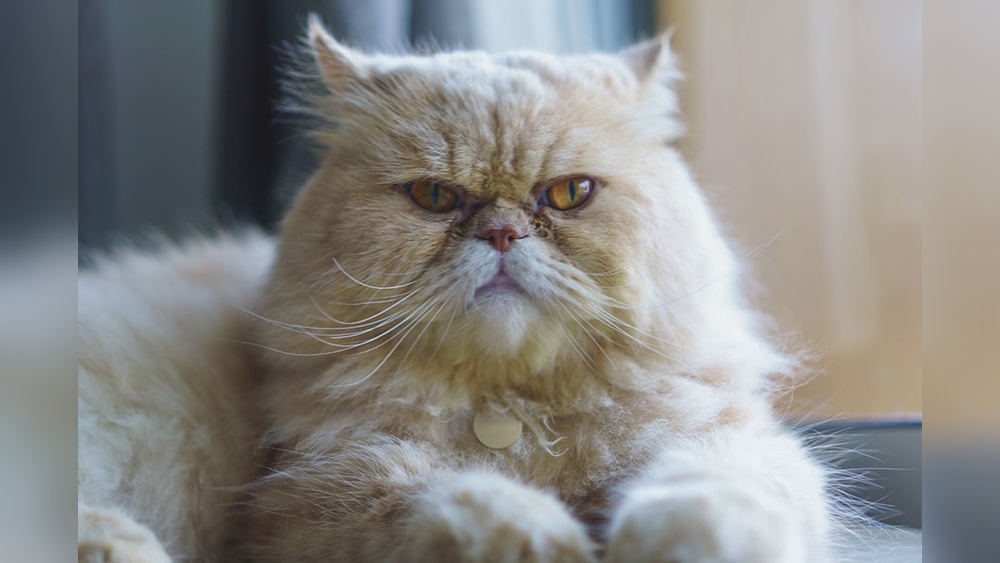
Have you ever noticed a cat with a flat, pushed-in face and wondered what makes them so unique? These special cats belong to a group called brachycephalic breeds.
If you’re curious about what sets these cats apart, how their looks affect their health, and whether they might be the right pet for you, you’re in the right place. Keep reading to discover everything you need to know about brachycephalic cat breeds and why they capture the hearts of so many cat lovers.
Credit: www.orchardhousevets.com
Brachycephalic Cat Traits
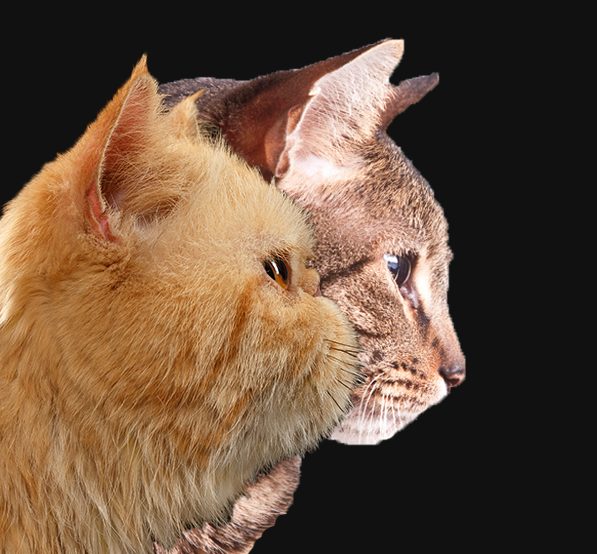
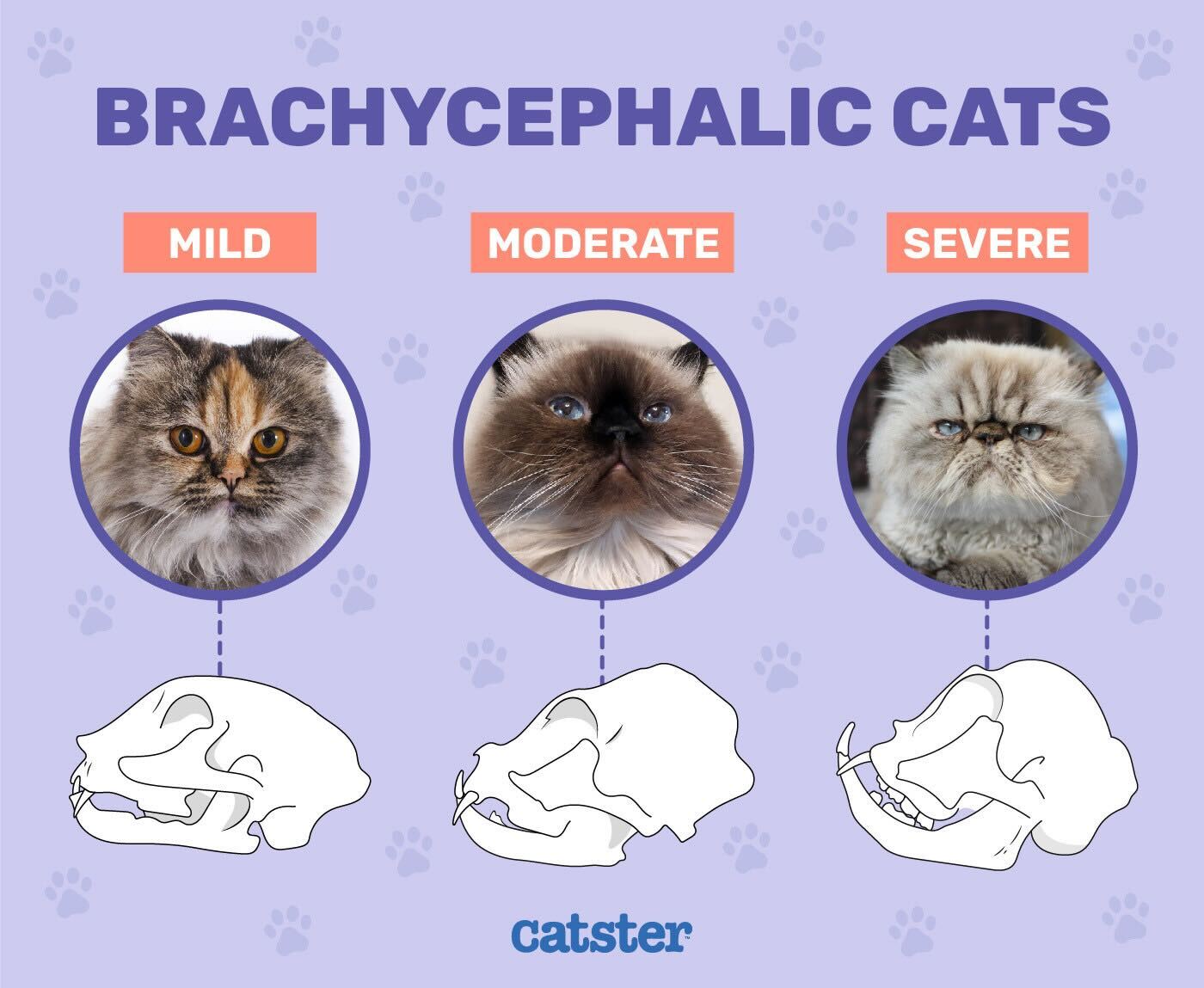
Brachycephalic cats have unique traits that make them stand out. These cats have a special face shape. Their heads are shorter and wider than usual. This gives them a flat-faced appearance. Many people find this look very cute and charming.
The traits affect more than looks. They influence the cat’s breathing and other body functions. Knowing these traits helps understand the care these cats need.
Facial Structure And Appearance
Brachycephalic cats have a broad, flat face. Their nose is short and pushed in. Eyes are large and round, often wide apart. The skull shape causes the jaw to be shorter. This gives the face a squished look. Their ears are usually small and set wide on the head.
Common Breeds With Brachycephalic Features
Some cat breeds are known for brachycephalic traits. The Persian cat is the most famous example. Exotic Shorthairs also share this flat face. Himalayan cats, a type of Persian mix, have these features. Scottish Folds can sometimes show mild brachycephaly. These breeds have been bred for their unique look.
Health Challenges Linked To Brachycephaly
Brachycephalic cats often face health problems. Their short noses can cause breathing trouble. They may snore or have noisy breathing. Eyes are more exposed and can dry out easily. Dental issues happen because of the jaw shape. Some cats may have skin folds that trap dirt. These traits require regular care to keep cats healthy.
Credit: www.catster.com
Popular Brachycephalic Cat Breeds
Brachycephalic cat breeds have a unique look. Their flat faces and short noses make them stand out. These features give them a charming, distinct appearance. Many cat lovers find these breeds irresistible.
The popularity of brachycephalic cats continues to grow worldwide. Their gentle nature and striking faces attract many pet owners. Below are some of the most popular brachycephalic cat breeds.
Persian Cats
Persian cats are one of the oldest brachycephalic breeds. They have long, thick fur and a flat face. Their calm and sweet personality makes them great pets. Persians need regular grooming to keep their coat clean. They enjoy quiet homes and gentle attention.
Himalayan Cats
Himalayan cats look like a mix between Persians and Siamese. They have the flat face of a Persian and color points like a Siamese. Himalayans are soft and playful companions. Their thick fur requires daily brushing. They thrive in peaceful environments.
Exotic Shorthair Cats
Exotic Shorthairs share many traits with Persians but have short fur. Their plush coat is easier to care for. They have the same flat face and round eyes. These cats are affectionate and enjoy being near people. Exotic Shorthairs are great for families with less grooming time.
Health Concerns In Brachycephalic Cats
Brachycephalic cats have unique face shapes with flat noses. This shape can cause several health problems. Owners must understand these issues to care well for their pets. Awareness helps to spot problems early and seek help.
Breathing Difficulties
Short noses can block airways in brachycephalic cats. This causes noisy or labored breathing. Cats may snore or cough often. Heat or exercise can make breathing worse. Watch for signs of distress or fatigue.
Eye Problems
Flat faces mean eyes sit more exposed. This can lead to dryness and irritation. Eyes may get scratched easily or develop infections. Some cats have tear drainage issues. Regular eye checks are important to prevent pain.
Dental Issues
Small jaws can cause crowded teeth in these cats. Misaligned teeth increase risk of gum disease. Chewing and eating may become uncomfortable. Regular dental care and vet visits can reduce problems.
Skin And Coat Care
Skin folds around the face can trap dirt and moisture. This leads to infections or rashes. Clean folds gently and keep skin dry. Check coat for mats and brush regularly to keep fur healthy.
Daily Care Tips For Brachycephalic Cats
Brachycephalic cats have unique needs due to their flat faces. Their care requires attention to health and comfort every day. This section guides you through important daily care tips for these special cats.
Regular Veterinary Checkups
These cats need frequent vet visits to catch health issues early. Checkups help monitor breathing, heart, and eye health. Your vet can recommend treatments or changes in care. Keeping a close watch helps prevent serious problems later.
Maintaining Clean Airways And Eyes
Brachycephalic cats often have blocked airways and watery eyes. Clean their nose and eyes gently each day. Use a soft, damp cloth to wipe away mucus and dirt. Keeping these areas clean reduces infections and breathing troubles.
Diet And Weight Management
Healthy weight is very important for these cats. Extra weight can make breathing harder. Feed balanced meals and avoid overfeeding. Monitor their weight regularly and adjust food amounts as needed. Proper diet supports overall health and breathing ease.
Environmental Adjustments
Keep their living space cool and well-ventilated. Avoid places with strong smells or smoke that can irritate airways. Provide soft bedding to support comfort and rest. A calm environment helps reduce stress and breathing difficulty.
Breeding And Ethical Considerations
Brachycephalic cat breeds have unique facial features. Their flat faces and short noses make them stand out. These traits come from specific breeding choices. These choices raise important ethical questions. Breeding should balance beauty with the cat’s health. Careful thought is needed to protect these cats’ well-being.
Breeding Practices Impact
Breeding for flat faces can cause health problems. Brachycephalic cats often face breathing difficulties. Eye and dental issues are common too. Overemphasis on looks can harm their quality of life. Ethical breeders avoid extreme traits that cause suffering. The goal is healthy cats, not just perfect looks.
Choosing Responsible Breeders
Find breeders who prioritize health over appearance. Responsible breeders perform health tests before mating. They avoid breeding cats with known health problems. They also provide clear information about the breed’s risks. Visiting the breeder and seeing the cats helps. Choose breeders who care deeply about their animals.
Promoting Cat Welfare
Cat welfare means more than looks. It includes good health, comfort, and happiness. Education about brachycephalic breeds helps owners understand care needs. Support rules that limit harmful breeding practices. Promote adoption of cats needing homes, not just purebreds. Every cat deserves respect and a good life.

Credit: animalwellnessmagazine.com
Frequently Asked Questions
What Defines Brachycephalic Cat Breeds?
Brachycephalic cats have flat, short noses and broad heads. This unique skull shape affects their breathing and appearance. Common breeds include Persians and Exotic Shorthairs. Their facial structure gives them a distinctive, cute look but requires special care.
Which Cat Breeds Are Brachycephalic?
Popular brachycephalic breeds include Persian, Exotic Shorthair, Himalayan, and Scottish Fold cats. These breeds share a flat-faced appearance and broad skull. They are known for their unique looks and gentle personalities. Each breed requires specific health monitoring due to their facial structure.
Are Brachycephalic Cats Prone To Health Issues?
Yes, brachycephalic cats often face breathing difficulties and eye problems. Their flat faces can cause respiratory issues and tear duct blockages. Regular vet check-ups are essential. Proper grooming and monitoring help maintain their health and comfort.
How To Care For Brachycephalic Cat Breeds?
Care involves regular vet visits, proper grooming, and monitoring breathing. Maintain a clean environment to prevent infections. Use humidifiers to ease breathing if needed. Feeding a balanced diet and ensuring hydration support their overall health.
Conclusion
Brachycephalic cat breeds have unique looks and special needs. They often face breathing and health challenges. Owners must give them gentle care and regular vet visits. These cats offer loving companionship despite their differences. Understanding their traits helps keep them happy and safe.
Choose these pets only if ready for their care. Loving attention makes a big difference every day. Brachycephalic cats bring joy with their sweet personalities. They deserve kindness and patience from all owners.