
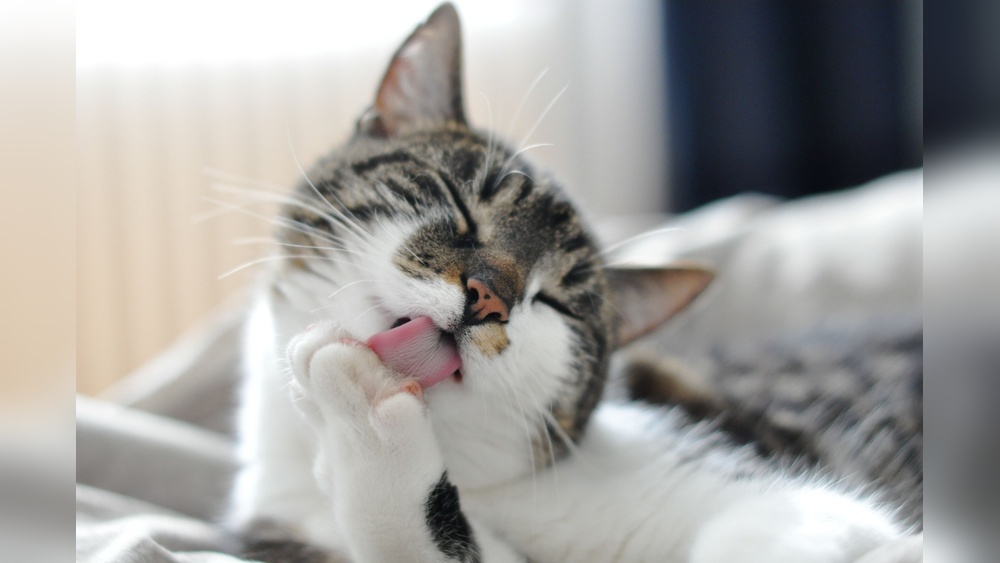
Have you ever wondered why your cat spends so much time licking its fur? Understanding what cat grooming really means can change the way you care for your furry friend.
Grooming isn’t just about keeping your cat clean—it’s a vital part of their health and happiness. You’ll discover the surprising reasons behind your cat’s grooming habits and learn how you can support them. Keep reading to unlock the secrets of your cat’s self-care routine and strengthen the bond you share.
Credit: www.mspca.org
Why Cats Groom Themselves
Cats spend a lot of time cleaning themselves. Grooming is more than just keeping clean. It helps cats stay healthy and calm. Understanding why cats groom reveals their natural habits and needs.
Natural Instincts Behind Grooming
Cats groom themselves because it is a natural habit. Wild cats use grooming to remove dirt and smell. This helps them stay hidden from predators. Grooming also spreads natural oils on their fur. These oils protect the skin and keep fur soft.
Benefits Of Self-grooming
Grooming helps cats control their body temperature. It removes loose fur and dirt. This reduces the chance of skin problems. Grooming also stops fleas and ticks from staying on cats. Clean fur means fewer health risks for cats.
How Grooming Affects Behavior
Grooming relaxes cats and reduces stress. It gives them a sense of comfort and safety. Cats that groom often feel more confident. Grooming also helps cats bond when they clean each other. This behavior shows trust and friendship.
Common Grooming Behaviors
Cats spend a lot of time grooming themselves. This behavior keeps them clean and healthy. Grooming also helps cats feel calm and comfortable. Understanding common grooming behaviors can help you care for your cat better.
Licking And Biting
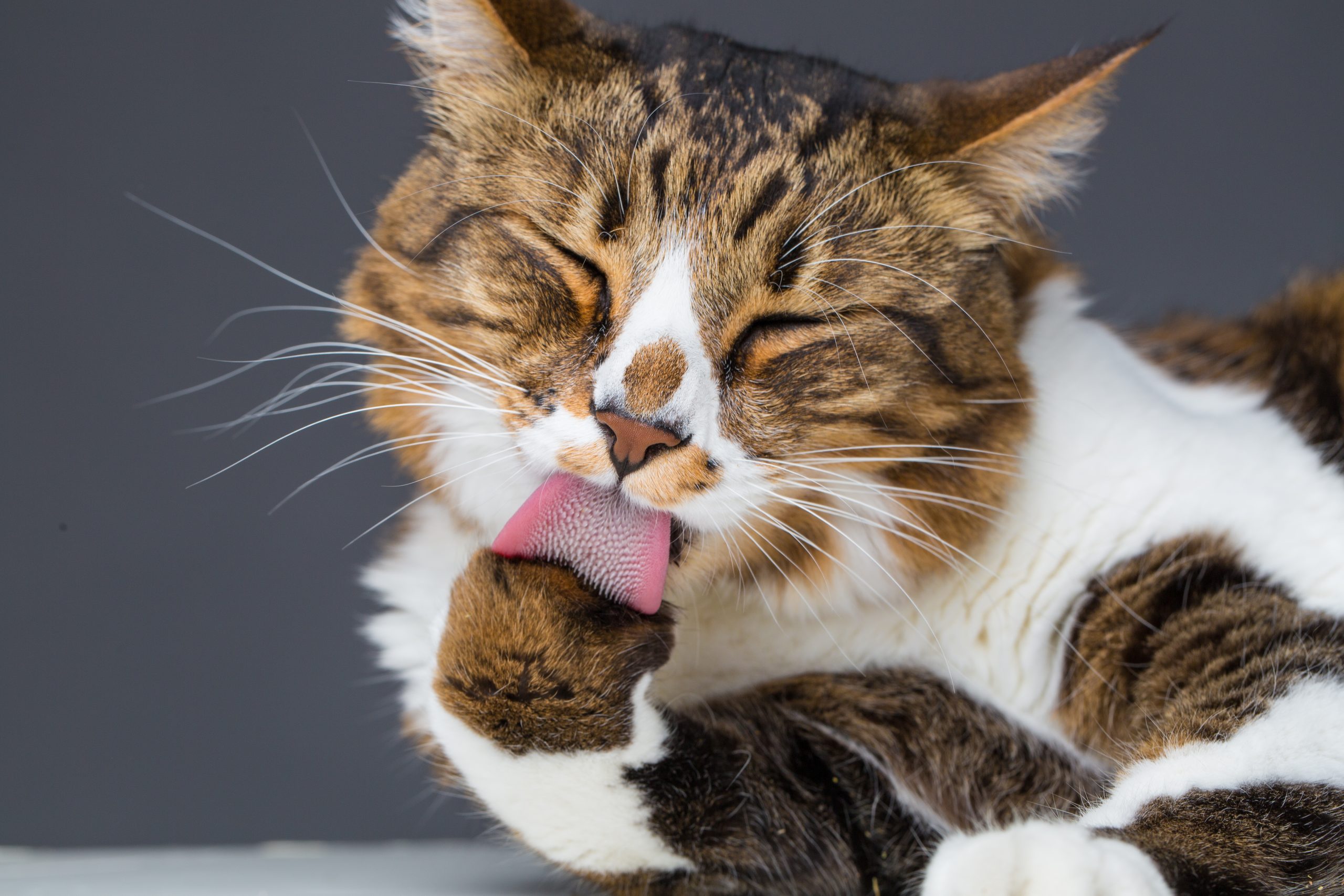
Cats use their tongues to lick their fur clean. Their tongues have tiny, rough bumps that remove dirt and loose hair. Sometimes, cats bite gently to remove tough dirt or mats. Licking also spreads natural oils that keep fur shiny and soft.
Scratching And Shedding
Scratching helps cats remove old fur and dead skin. It also sharpens their claws and marks their territory. Shedding is a natural process where cats lose old fur. Regular grooming helps control shedding and keeps fur smooth.
Cleaning Hard-to-reach Areas
Cats are flexible and use grooming to clean spots hard to reach. They twist their bodies to clean behind ears and under their legs. This ensures every part stays clean and free from dirt or parasites.
Signs Of Grooming Issues
Cats spend a lot of time grooming themselves to stay clean and healthy. Grooming helps remove dirt, loose fur, and parasites. It also keeps their skin healthy and controls body temperature. Sometimes, cats show signs of grooming problems. These signs may point to health or behavioral issues. Recognizing these signs early helps your cat get the right care quickly.
Over-grooming Symptoms
Some cats groom too much. This can cause bald spots or red, irritated skin. You might see scabs or sores on their body. Over-grooming may lead to hair loss in patches. Cats may lick the same area repeatedly. This behavior can cause wounds or infection. Stress, allergies, or pain often cause over-grooming.
Under-grooming Indicators
Cats that groom too little may look dirty or oily. Their fur can become matted or tangled. Skin may appear dry or flaky. You may notice a bad smell from their coat. Older or sick cats often under-groom. Weakness or dental pain can make grooming hard. Lack of grooming can lead to skin problems.
When To Consult A Vet
Seek veterinary help if grooming changes last more than a few days. If your cat has bald spots, wounds, or skin redness, see a vet. Persistent licking or hair loss also needs a checkup. Changes in grooming might signal allergies, infections, or stress. Early diagnosis helps treat problems faster. Your vet can suggest treatments and improve your cat’s comfort.
:strip_icc()/understanding-cat-grooming-553960_FINAL-c1db78344e2b4499b48b4302b52b0870.jpg)
Credit: www.thesprucepets.com
Daily Grooming Tips For Cat Owners
Daily grooming keeps cats healthy and happy. It helps stop hair mats and skin problems. Grooming also builds a strong bond between cats and owners. Small daily steps make grooming easy and stress-free.
Brushing Techniques
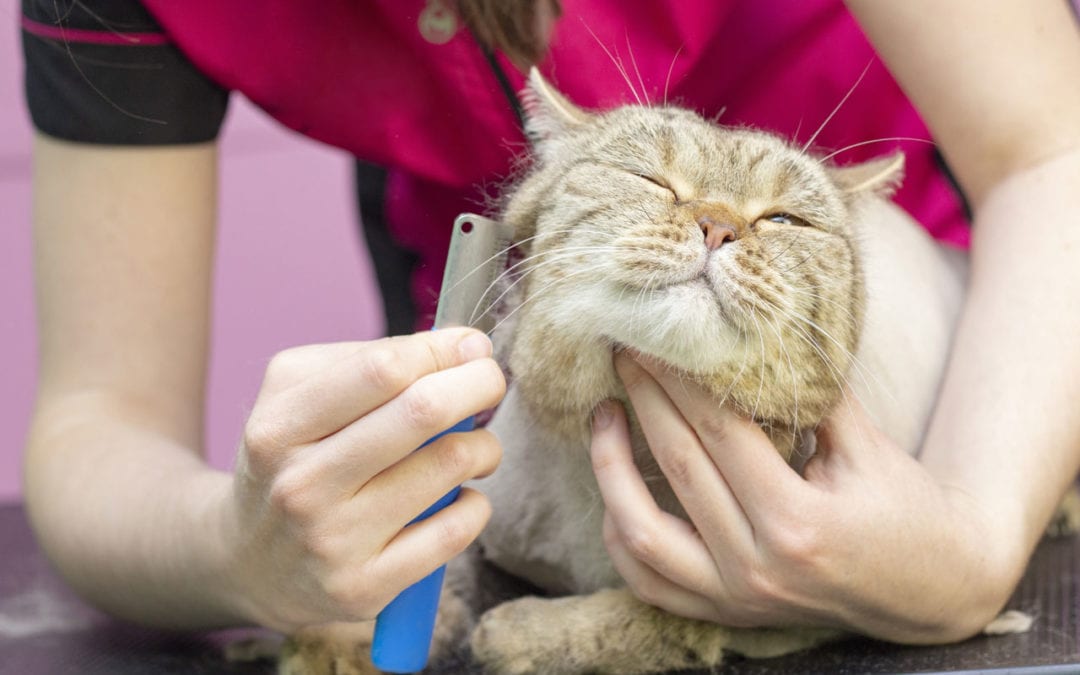
Use a soft brush for short-haired cats. For long-haired cats, a wide-tooth comb works best. Brush gently in the direction of hair growth. Start with short sessions and increase time slowly. Brush daily to remove loose fur and dirt.
Bathing Guidelines
Bathe cats only when needed. Use lukewarm water and cat-safe shampoo. Wet the fur carefully, avoiding eyes and ears. Rinse well to remove all shampoo. Dry your cat with a towel and keep them warm.
Nail And Ear Care
Trim nails every two weeks. Use special cat nail clippers and cut small tips. Check ears weekly for dirt or smell. Clean ears with a damp cotton ball, not deep inside. Healthy nails and ears prevent infections and pain.
Diet And Its Role In Coat Health
A cat’s diet plays a big role in keeping its coat healthy and shiny. Good food gives your cat the nutrients needed for strong fur. Poor diet can cause dry, dull, or patchy fur. Eating the right foods helps your cat look and feel its best every day.
Nutrients For A Shiny Coat
Proteins build and repair fur. Cats need high-quality animal protein daily. Fatty acids like omega-3 and omega-6 keep fur soft and glossy. Vitamins A and E protect skin and coat from damage. Zinc supports healthy skin and helps prevent hair loss.
Hydration Importance
Water is key for a shiny coat. It keeps skin moist and fur smooth. Dehydration makes fur dry and brittle. Fresh, clean water should always be available. Wet cat food can add moisture to the diet.
Supplements To Consider
Fish oil supplements boost omega-3 levels. They help reduce itching and improve fur shine. Biotin supports hair growth and skin health. Always check with a vet before starting supplements. Some cats may need extra nutrients for their coat.
Credit: unionlakepetservices.com
Environmental Factors Affecting Grooming
Cats groom themselves to stay clean and healthy. Their grooming habits can change due to the environment around them. Different factors like stress, seasons, and their living space affect how often and how well they groom. Understanding these factors helps you care for your cat better.
Stress And Grooming Habits
Stress can change a cat’s grooming behavior. Some cats groom more when they feel anxious. This over-grooming can cause bald spots or skin problems. Other cats may stop grooming altogether when stressed. Changes in routine, loud noises, or new pets can increase stress. Watching your cat’s grooming can help spot stress early.
Seasonal Coat Changes
Cats shed and grow new fur with the seasons. In spring and fall, they lose old fur to prepare for new coats. This natural process can make grooming more intense. Cats may lick more to remove loose hair. Regular brushing helps remove dead fur and keeps coats healthy. Seasonal changes also affect how thick or thin their fur gets.
Creating A Comfortable Space
A calm and safe space encourages cats to groom well. Cats feel more relaxed in quiet, familiar areas. Provide soft bedding and hiding spots. Avoid sudden changes in their environment. A comfortable space reduces stress and supports good grooming. Clean spaces also help cats stay cleaner and healthier.
Frequently Asked Questions
What Is Cats Grooming And Why Is It Important?
Cats grooming is the process where cats clean themselves using their tongue and paws. It helps remove dirt, loose fur, and parasites. Grooming also regulates their body temperature and reduces stress. It keeps their coat healthy, shiny, and free from matting or infections.
How Often Do Cats Groom Themselves Daily?
Cats groom themselves several times a day, usually spending 30-50% of their waking hours grooming. This frequent grooming helps maintain cleanliness and comfort. Kittens learn grooming behavior from their mother, and adult cats continue this habit throughout their lives to stay healthy.
Can Cats Grooming Prevent Hairballs?
Yes, grooming helps reduce hairballs by removing loose fur before ingestion. However, excessive grooming can lead to more hair intake and hairballs. Regular brushing by owners can help minimize hairball formation by reducing the amount of fur cats swallow.
Do All Cats Groom Equally?
No, grooming frequency varies by breed, age, and health. Long-haired cats groom more to maintain their coat. Older or sick cats may groom less, which can indicate health issues. Observing changes in grooming habits helps detect potential problems early.
Conclusion
Cats grooming themselves is a natural and important habit. It helps keep their fur clean and healthy. Grooming also helps cats relax and feel safe. Watching your cat groom can show you how they feel. Regular grooming by owners supports their health too.
Understanding this behavior helps you care for your cat better. Keep your cat happy and healthy by noticing their grooming habits. A clean cat is often a happy cat. Simple care makes a big difference.