

Are you curious about the different types of cats and what makes each breed unique? Whether you’re thinking about adding a furry friend to your home or simply want to learn more about these fascinating creatures, understanding cat breeds can help you find the perfect match for your lifestyle.
From playful and energetic to calm and cuddly, each breed has its own personality and charm. Keep reading to discover the world of cat breeds and find out which one might be the ideal companion for you.
Popular Cat Breeds
Many cat lovers enjoy knowing about popular cat breeds. Each breed has unique looks and traits. Some cats have short hair, while others have long, fluffy coats. Personalities vary, too. Some breeds are calm and gentle. Others are playful and curious. Here are some well-known cat breeds you might find interesting.
Domestic Shorthair
Domestic Shorthairs are the most common cats in many homes. They have short, easy-to-care-for fur. These cats come in many colors and patterns. They are friendly and adaptable. Domestic Shorthairs love to play and cuddle. They fit well in almost any family.
Siamese
Siamese cats have striking blue eyes and sleek bodies. Their short coats show off their pointed color patterns. Siamese cats are very vocal and social. They enjoy being around people and other pets. These cats are curious and intelligent, always exploring their space.
Maine Coon
The Maine Coon is one of the largest domestic cat breeds. They have long, thick fur that keeps them warm. Their bushy tails and tufted ears make them stand out. Maine Coons are gentle giants, very friendly and calm. They enjoy playing but are also happy to relax.
Persian
Persian cats have long, flowing coats and flat faces. They require regular grooming to keep their fur clean. Persians are quiet and sweet-natured. They prefer calm environments and gentle handling. These cats often enjoy lounging in cozy spots all day.
Ragdoll
Ragdolls are large cats with soft, semi-long fur. They get their name because they go limp when held. Ragdolls are very affectionate and love human company. They are gentle and usually calm around children. These cats make great companions for quiet homes.
Distinctive Traits
Cats come in many breeds, each with unique traits. These traits make every breed special. Understanding these helps you appreciate each cat’s beauty and character.
Some traits are easy to see, like colors and size. Others show in how cats act. All these features create the charm of each breed.
Coat Patterns And Colors
Cat coats vary widely in pattern and color. Some have solid colors like black or white. Others show stripes, spots, or patches. Common patterns include tabby, calico, and tortoiseshell. The coat can be short or long, thick or thin. These colors and patterns give each cat a unique look.
Size And Build
Cat breeds differ in size and body shape. Some cats are small and light, perfect for laps. Others are large and muscular, built for strength. Some breeds have slender bodies and long legs. Others have round faces and compact builds. Size and build affect how cats move and play.
Eye Color Variations
Eye color is a striking feature in cats. Many breeds have green, blue, or amber eyes. Some cats have odd eyes, with two different colors. Bright eye colors often stand out against their coat. Eyes add to the cat’s personality and charm.
Personality Traits
Personality varies by breed and individual cat. Some cats are playful and energetic all day. Others prefer calm and quiet surroundings. Many breeds are friendly and love to cuddle. Some cats are independent and enjoy alone time. Knowing personality traits helps find the right cat for your home.
Breed Origins
Cats come in many breeds, each with a unique story. The origins of these breeds help us understand their traits and behaviors. Some breeds trace back to ancient times, while others are products of recent breeding efforts. The environment and culture of a region also shape the breed’s features. Exploring these origins reveals the rich history behind our feline friends.
Ancient Breeds
Some cat breeds have existed for thousands of years. These ancient breeds often come from wild ancestors. The Egyptian Mau, for example, has roots in ancient Egypt. It was admired for its speed and spotted coat. Another ancient breed is the Siamese cat from Thailand. These breeds stayed close to their original form for centuries. Their history connects us to early human civilizations.
Modern Developments
New cat breeds have developed in the last century. Breeders selected cats for special traits like fur color or size. The Bengal cat is a modern breed, created by crossing domestic cats with wild Asian leopards. Modern breeding focuses on health and temperament too. These developments add variety to the cat world. They meet the needs and tastes of cat lovers today.
Regional Influences
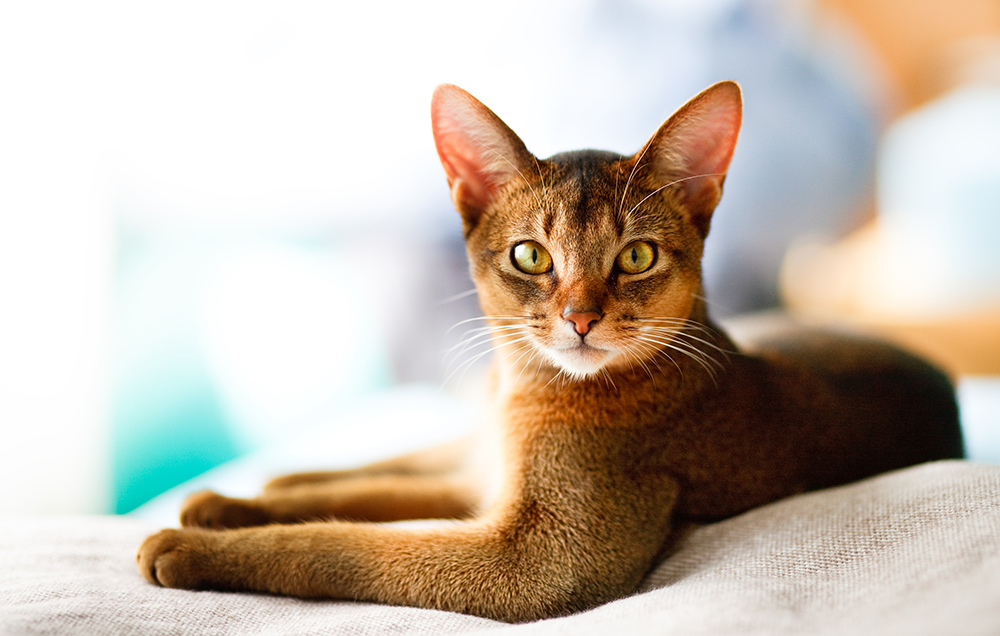
Geography plays a big role in cat breed origins. Climate and environment affect a breed’s coat and body shape. For example, the Norwegian Forest cat has a thick coat for cold weather. In contrast, the Egyptian Mau has a short coat suited for hot climates. Cultural preferences also influence breeding choices. Different regions value different traits in cats. This variety enriches the global cat population.
Credit: www.purina.com
Care Needs By Breed
Caring for cats varies by breed. Each breed has unique needs. Understanding these needs helps keep your cat happy and healthy. Attention to grooming, diet, exercise, and health is essential. These factors affect your cat’s well-being and lifespan.
Grooming Requirements
Long-haired breeds need daily brushing to avoid mats. Short-haired cats require less grooming but still benefit from weekly brushing. Some breeds shed heavily and need frequent care. Regular grooming reduces hairballs and skin problems. Nail trimming and ear cleaning are vital for all cats.
Dietary Preferences
Different breeds may prefer certain types of food. Some cats need high-protein diets due to their activity levels. Others may require special food for sensitive stomachs or allergies. Always provide fresh water. Avoid feeding dogs’ food or human snacks to your cat.
Exercise And Play
Active breeds need more playtime to stay fit. Some cats enjoy climbing and jumping on cat trees. Interactive toys help prevent boredom and obesity. Quiet breeds may prefer gentle play and less activity. Regular exercise improves mood and reduces stress.
Health Considerations
Certain breeds are prone to specific health issues. Regular vet visits help catch problems early. Some cats need dental care or vaccinations more often. Watch for signs of illness like changes in appetite or behavior. Keeping health records helps track your cat’s well-being.
Choosing The Right Cat
Choosing the right cat is important for a happy home. Each cat breed has unique needs and traits. Think about your lifestyle and space before picking a cat. This helps both you and your new pet enjoy life together.
Living Environment
Some cats do well in small apartments. Others need more space to roam. Indoor cats prefer safe, quiet places. Outdoor cats enjoy exploring and climbing. Match your cat’s needs with your home size. This keeps your cat healthy and content.
Activity Level
Cats vary in energy. Some breeds are playful and active. Others like to rest and relax. Choose a breed that fits your pace. Active cats need toys and time to play. Calm cats suit a peaceful lifestyle better.
Allergy Concerns
Many people are allergic to cats. Some breeds produce less allergen. These cats may cause fewer allergy problems. Hypoallergenic cats include Siberians and Balinese. Know your allergies before choosing a cat. This avoids health issues for your family.
Compatibility With Other Pets
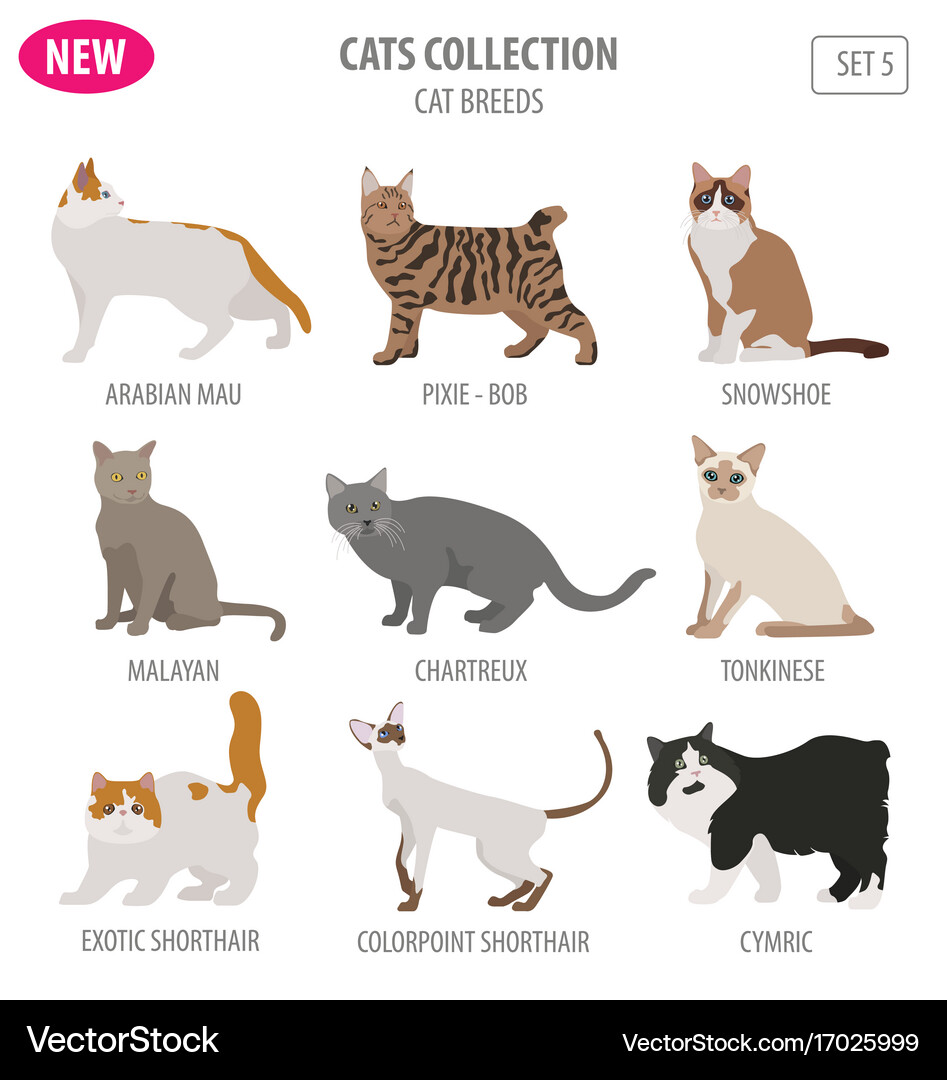
Not all cats get along with other animals. Some breeds are friendly to dogs and other pets. Others prefer to be the only pet. Consider your current pets before adopting. A good match helps reduce stress for everyone.
Credit: www.vectorstock.com

Credit: www.womansday.com
Frequently Asked Questions
What Are The Most Popular Cat Breeds Worldwide?
The most popular cat breeds include the Siamese, Persian, Maine Coon, Ragdoll, and Bengal. Each breed has unique traits and appearances. These breeds are loved for their friendly nature and distinct looks, making them favorites among cat owners globally.
How Do Cat Breeds Differ In Personality?
Cat breeds vary in personality traits such as playfulness, affection, and independence. For example, Siamese cats are vocal and social, while Persians are calm and gentle. Knowing breed personalities helps owners choose cats that best fit their lifestyle and preferences.
Which Cat Breed Is Best For Families With Children?
Ragdoll and Maine Coon cats are ideal for families with children. They are gentle, patient, and enjoy interaction. These breeds tolerate handling well, making them great companions for kids and family environments, promoting a loving and safe household.
Are Hypoallergenic Cat Breeds Available?
Yes, hypoallergenic cat breeds like the Sphynx, Balinese, and Russian Blue produce fewer allergens. These cats are suitable for allergy sufferers. However, no cat is completely allergen-free, so spending time with the breed before adoption is recommended.
Conclusion
Cats come in many breeds, each with unique traits and looks. Some have long fur, others short. Some are calm, while others are playful. Knowing breeds helps you pick the right pet. Every cat has its own charm and care needs.
Choose one that fits your home and heart. Enjoy the company of these wonderful animals. Cats bring joy and comfort in many ways. Their diversity makes them special companions for everyone.