
Are you dreaming of having a cat but worried about allergies? You’re not alone.
Many cat lovers face sneezing, itching, or watery eyes around their furry friends. But what if you could enjoy a loving companion without the allergy struggles? Understanding which breeds of cats are hypoallergenic can make all the difference for your comfort and happiness.
You’ll discover the best cat breeds that are kinder to allergy sufferers. Keep reading to find the perfect match for your home and breathe easier with your new feline friend.

Credit: www.thepioneerwoman.com
Allergies And Cats
Many people love cats but suffer from allergies. These allergies can cause sneezing, itchy eyes, and runny noses. Understanding how cat allergies work helps in managing symptoms. Some cat breeds produce fewer allergens. This makes them better for allergy sufferers.
How Cat Allergies Work
Cat allergies happen when the body’s immune system reacts to proteins cats produce. The immune system treats these proteins as harmful. It releases chemicals like histamine to fight them. This causes allergy symptoms such as sneezing and itching. Allergic reactions vary from person to person. Some people have mild symptoms, others have severe reactions.
Common Allergens In Cats
Allergens come from cat saliva, skin flakes, and urine. When cats groom themselves, saliva spreads on their fur. Once dry, it becomes airborne and can be inhaled. Dander, tiny skin flakes, also floats in the air. Urine can leave allergenic proteins on surfaces. These proteins trigger allergic reactions in sensitive people.

Credit: www.thepioneerwoman.com
Traits Of Hypoallergenic Cats
Hypoallergenic cats have special traits that make them easier for allergy sufferers. These cats produce fewer allergy triggers than others. Their coat and skin play a big role in this.
Not all hypoallergenic cats are the same. Some shed less, while others produce less dander. Understanding these traits helps in choosing the right breed.
Low Shedding Breeds
Shedding spreads allergens around the home. Cats that shed less keep allergens to a minimum. Breeds like the Siberian and Balinese shed very little. Their fur traps allergens instead of spreading them. Less fur on the floor means fewer allergy problems.
Less Dander Producers
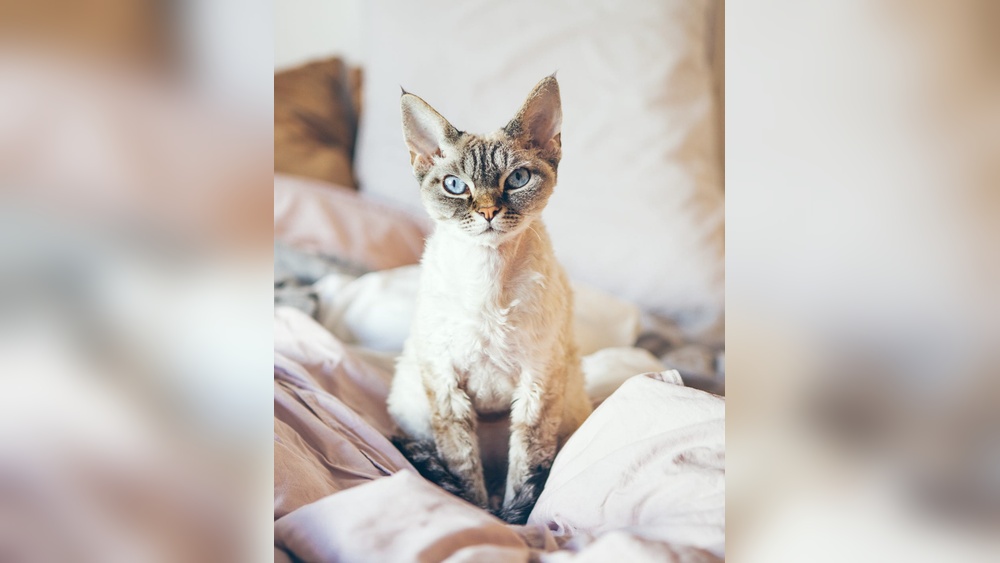
Dander is tiny skin flakes that cause allergies. Some cats naturally produce less dander. Breeds like the Devon Rex and Cornish Rex have this trait. Their skin releases fewer allergens. This helps reduce allergic reactions in sensitive people.
Top Hypoallergenic Cat Breeds
Some cats cause fewer allergy problems than others. These breeds produce less allergen or have coats that do not shed much. Knowing the top hypoallergenic cat breeds can help you find a pet that fits your home and health. Each breed has unique traits and charm.
Siberian Cats
Siberian cats have thick, soft fur but low allergen levels. They produce less of the protein that causes allergies. These cats are friendly and playful. Their hypoallergenic nature surprises many cat lovers.
Balinese Cats
Balinese cats have long, silky hair but less allergen. Their coat sheds minimally, reducing allergen spread. They are social and affectionate pets. Balinese cats suit families wanting a loving companion.
Russian Blue Cats
Russian Blue cats have short, dense fur. They produce less of the allergy-causing protein. These cats are quiet and gentle. Their striking blue eyes add to their appeal.
Bengal Cats
Bengal cats have short, sleek coats that shed little. They produce fewer allergens than many other breeds. Bengals are active and curious cats. Their unique spotted coat is eye-catching.
Sphynx Cats
Sphynx cats have no fur but need skin care. They produce less allergen due to lack of hair. These cats are warm and friendly. Their unusual appearance makes them stand out.
Devon Rex Cats
Devon Rex cats have short, wavy coats that shed less. They produce lower allergen levels. These cats are playful and affectionate. Their large ears and eyes give a cute look.
Choosing The Right Allergy-friendly Cat
Choosing the right allergy-friendly cat can make a big difference for people with sensitivities. Not all hypoallergenic breeds suit every home or lifestyle. Understanding your daily routine and preferences helps find the best match. This section guides you through key factors to consider before bringing a cat home.
Lifestyle Considerations
Think about your daily schedule and living space. Some cats need more attention and playtime. Others enjoy quiet time and less activity. Small homes may suit smaller or less energetic breeds. Active breeds need more space to move and explore. Allergic reactions can vary, so spend time with the cat before deciding. Grooming needs differ between breeds. Some require regular brushing to reduce allergens. Others have low-maintenance coats that need little care.
Temperament And Care Needs
Each breed has a unique personality. Some cats are very social and enjoy company. Others prefer solitude and calm environments. Consider your family members, especially children or other pets. Some cats adapt well to busy households. Others need a peaceful and stable setting. Hypoallergenic cats still need love and care. Feeding, health checks, and regular vet visits are essential. Choose a breed that fits your ability to provide care.
Managing Cat Allergies At Home
Managing cat allergies at home helps reduce symptoms and keeps your space comfortable. Small steps make a big difference for allergy sufferers. Focus on cleaning and air quality to control allergens.
Cleaning Tips
Clean your home often to remove cat dander. Use a vacuum with a HEPA filter to catch tiny particles. Wash your cat’s bedding and toys weekly. Wipe surfaces with a damp cloth to trap dust. Avoid carpets and heavy curtains that hold allergens.
Air Quality Improvement
Good air quality lowers allergy triggers. Use air purifiers with HEPA filters to clean indoor air. Keep windows open when weather allows for fresh air flow. Avoid smoking indoors as it worsens breathing problems. Place houseplants that help filter air naturally.

Credit: www.happypawsus.com
Frequently Asked Questions
What Are The Most Popular Hypoallergenic Cat Breeds?
Popular hypoallergenic cat breeds include the Siberian, Balinese, and Sphynx. These breeds produce fewer allergens, making them suitable for allergy sufferers.
How Do Hypoallergenic Cats Reduce Allergic Reactions?
Hypoallergenic cats produce less of the Fel d 1 protein, the main allergen. Their reduced shedding also limits allergen spread in the home.
Can Hypoallergenic Cats Still Trigger Allergies?
Yes, hypoallergenic cats can still cause mild allergic reactions. However, symptoms are usually less severe compared to regular cats.
Are Hypoallergenic Cats Low Maintenance?
Many hypoallergenic breeds require regular grooming to manage their coat and skin. This helps minimize allergens and keeps them healthy.
Conclusion
Choosing a hypoallergenic cat breed can help reduce allergy problems. Breeds like the Siberian, Balinese, and Sphynx offer options for sensitive people. Remember, no cat is 100% allergy-free, but some produce fewer allergens. Spend time with a cat before adopting to test your reaction.
Clean your home regularly to keep allergens low. A happy cat and a comfortable home are possible with the right breed. Enjoy the company of a feline friend without constant sneezing or itching.