
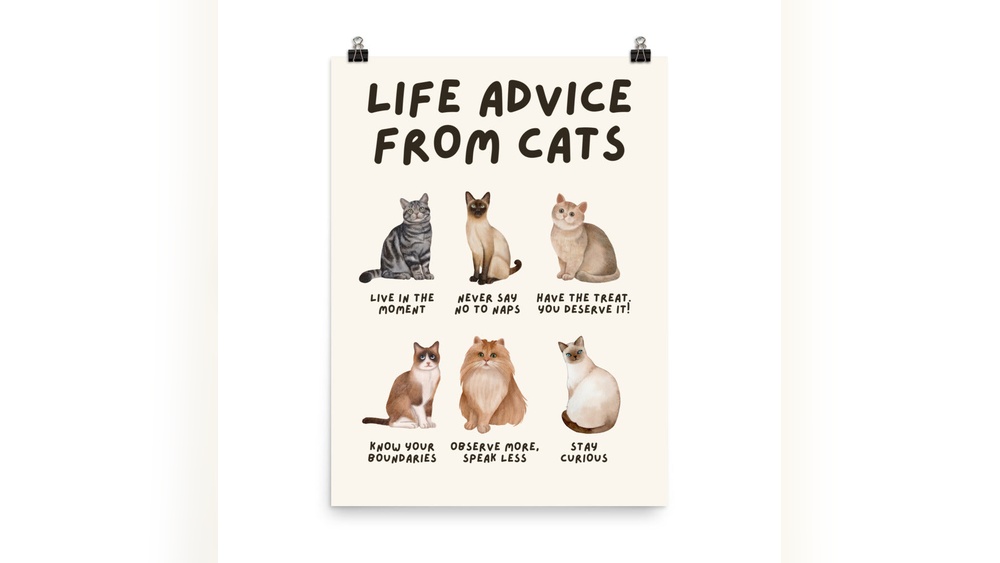
Have you ever wondered why some cats just don’t seem to get along with certain things or people? You might be surprised to learn that certain cat breeds have a natural tendency to say “no” more often than others.
Whether it’s refusing to cuddle, ignoring commands, or simply wanting their own space, understanding these breeds can help you create a happier home for your furry friend. Keep reading to discover which cat breeds are known for their independent streaks and how you can respect their boundaries while still enjoying their company.
This knowledge could change the way you connect with your cat forever.
Cats That Show Clear Boundaries
Cats that show clear boundaries are easy to spot. They respect their space and expect others to do the same. These cats often say “no” with simple actions. Their behavior helps owners understand their limits.
Understanding these cats can improve your relationship. You learn when to approach and when to give space. This section explores breeds that have strong boundaries and how they show it.
Independent Breeds With Strong Wills
Some cat breeds are known for their independence. They do not like constant attention or being held too long. Examples include the Russian Blue and the Scottish Fold. These cats prefer to do things on their own terms. They often walk away when disturbed or tired.
Their strong will means they set clear limits. They may hiss or swat gently if pushed. Owners must respect these signs to avoid stress or fear. Giving these cats space helps them feel safe and happy.
Signs They Prefer Solitude
Cats that want solitude show it in many ways. They may hide under furniture or in quiet corners. These cats avoid eye contact and keep their tails low. They might flatten their ears or flick their tails fast. These are clear signals to back off.
Sometimes, these cats ignore calls or walk away from people. They may also resist petting or pick-up attempts. Recognizing these signs helps prevent misunderstanding. It shows respect for the cat’s needs and feelings.
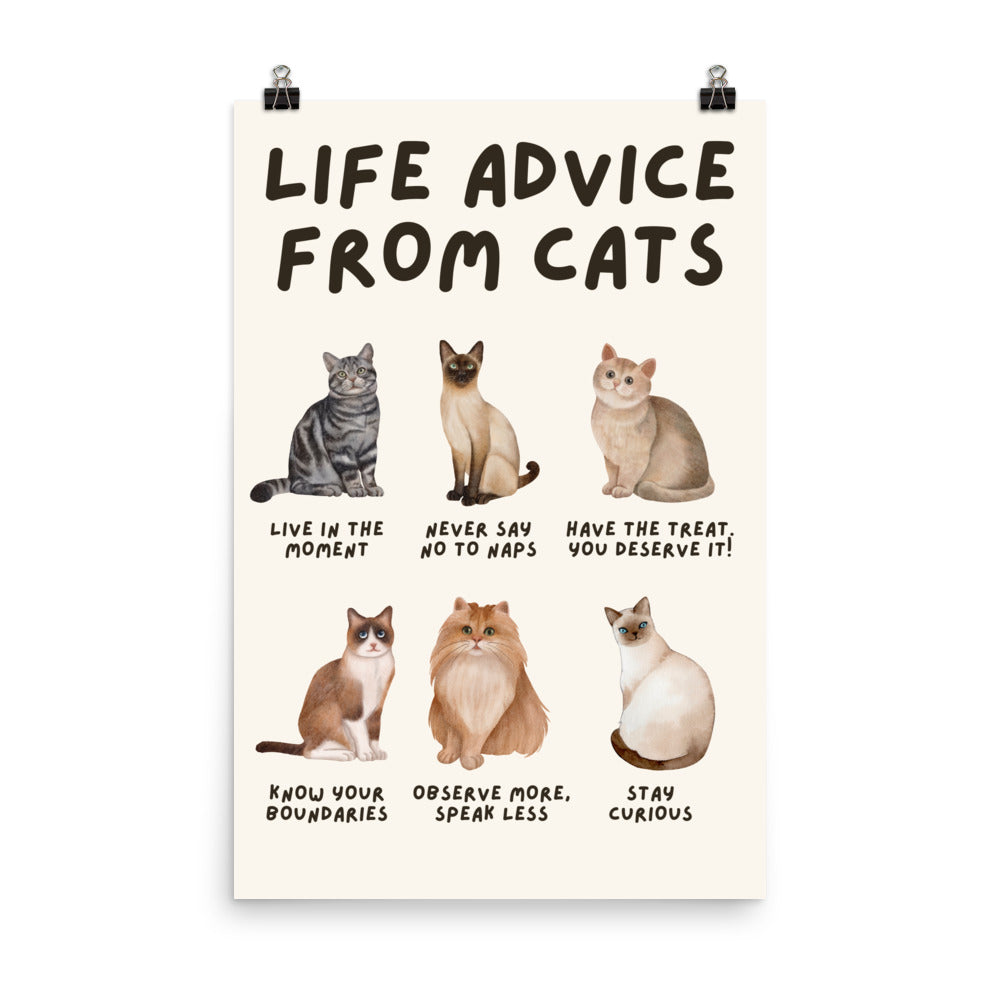
Credit: sleepingangeltreasures.com
Breeds Known For Selective Affection
Cats that show love on their terms are called selective affection breeds. They enjoy company but choose when to be close. These cats have clear ways to say no without being rude. Understanding their behavior helps owners respect their space.
Breeds like the Russian Blue, Scottish Fold, and British Shorthair often prefer quiet moments. They may sit beside you but not want to be touched all the time. These cats value calm and gentle interaction. They build trust slowly and appreciate patience.
When They Say No To Attention
Selective affection cats use body language to refuse attention. A flick of the tail or a slow blink means “not now.” They may turn their head away or walk off quietly. Some cats flatten their ears or puff up slightly. These signs warn you to stop petting or cuddling.
Respecting these signals keeps your cat happy and calm. Forcing attention can stress them and damage your bond. These cats like control over their social time. They choose when to be near you, not the other way around.
How To Recognize Their Limits
Watch for small clues about your cat’s comfort level. Stiff body posture means they are uneasy. A quick tail twitch shows impatience. Pupil size changes can signal stress or excitement.
Learn your cat’s unique ways to say no. Some may hide under furniture or in quiet spots. Others might meow softly to ask for space. Notice what happens before your cat pulls away. This helps you avoid pushing too far.
Giving your cat room to decide when to interact builds trust. These cats thrive in calm, respectful environments. They reward patience with deep, meaningful affection on their own terms.
Felines That Resist Training And Commands
Cats can be charming and independent. Some breeds show a strong will and resist training. These felines often ignore commands and do things their own way. Understanding their nature helps with better care and patience.
Breeds With Stubborn Streaks
Some cat breeds are known for their stubbornness. The Siamese cat, for example, is smart but often ignores orders. The Bengal cat loves to explore and rarely listens. Maine Coons are large and playful but can be hard to train. These breeds think for themselves and challenge rules.
Handling Their Defiant Nature
Patience is key when dealing with stubborn cats. Use gentle tones and short training sessions. Reward good behavior with treats or affection. Avoid harsh punishment as it causes fear. Creating a routine helps them understand expectations better. Respect their independence but set clear boundaries.

Credit: www.reddit.com
Temperament Traits Linked To Saying No
Cats show many different behaviors. Some breeds often say “no” through their actions. These behaviors link closely to their temperament traits. Understanding these traits helps explain why some cats are more independent or stubborn.
Temperament traits come from many sources. Both genetics and environment shape how a cat acts. This section explores those key influences.
Genetic Influences On Behavior
Genes play a big role in a cat’s temperament. Certain breeds carry traits for independence or caution. For example, Siamese cats often show strong opinions. They may refuse commands or new experiences.
Other breeds like the Russian Blue tend to be shy and reserved. These traits can look like saying “no” to attention or change. Breeding history affects how these behaviors pass down.
Environmental Factors Affecting Attitude
Environment shapes how a cat learns to act. Cats raised with little social contact may become wary or resistant. Stressful homes can make cats more likely to say “no.”
Positive experiences help build trust and reduce refusal behaviors. Routine and gentle handling make cats more open. A calm space encourages cats to feel safe and less defensive.
Respecting Feline Boundaries
Respecting feline boundaries is key to a happy cat-owner relationship. Cats communicate their feelings clearly through actions. Understanding their signals helps avoid stress and unwanted behavior. Every cat breed may show “no” differently, but respect stays the same. Giving cats space builds trust and comfort. It lets them feel safe and loved.
Reading Body Language
Cats use body language to say “no” without words. A flicking tail or flattened ears signals discomfort. Slow blinking means trust, but staring can warn to back off. Puffed fur shows fear or anger. A cat turning its back means it wants distance. Watching these signs helps you respect their limits. Responding calmly keeps your cat relaxed.
Creating Comfortable Spaces
Cats need quiet spots to retreat and relax. Provide cozy beds or boxes in calm areas. High perches let cats observe without feeling trapped. Avoid forcing interaction near these safe zones. Giving cats control over their space reduces anxiety. A peaceful environment encourages positive behavior and bonding.
When Saying No Is A Sign Of Stress
Cats say no for many reasons. Sometimes, this no is not just a mood but a sign of stress. Stress in cats can show through behaviors like hissing, hiding, or refusing touch. Recognizing these signs helps owners understand their pets better.
Stress affects a cat’s health and happiness. Cats may say no to play, food, or attention when stressed. Identifying stress early can prevent bigger problems. It also helps build a stronger bond between you and your cat.
Health Issues Behind Negative Responses
Health problems often cause cats to say no. Pain from injury or illness makes cats avoid contact. Dental pain or stomach issues can also trigger refusal. Cats hide discomfort well, so watch for subtle signs. Stress and health issues often overlap in cats.
Common illnesses that cause stress include infections and arthritis. Cats with allergies or skin problems may act grumpy. Understanding health helps explain why a cat says no. Regular vet visits catch problems before stress builds up.
How To Respond Appropriately
Respect your cat’s no to reduce stress. Give space and quiet when your cat avoids contact. Use gentle tones and slow movements to comfort. Offer favorite treats or toys to encourage trust. Avoid forcing interaction; it makes stress worse.
Observe your cat’s behavior to learn its limits. Create a calm environment with safe hiding spots. Keep routines steady to help your cat feel secure. Seek vet help if stress signs continue or worsen. Patience and care help cats feel safe again.
Tips For Building Trust With Resistant Cats
Building trust with cats that often say no requires time and care. These cats may hide or avoid contact. They need gentle and steady handling to feel safe. Trust grows slowly, but it is possible with the right approach.
Understanding their unique behavior helps. Each cat has different comfort levels and fears. Meeting those needs creates a bond that lasts.
Patience And Positive Reinforcement
Patience is key when gaining a resistant cat’s trust. Rushing or forcing contact causes stress. Let the cat come at its own pace. Use soft voices and slow movements. Reward small steps with treats or praise. This encourages good behavior and builds confidence.
Positive reinforcement teaches cats that trust brings rewards. It changes their view of humans from scary to friendly. Over time, they learn to enjoy interaction and feel safe around you.
Adapting To Individual Needs
Observe the cat’s preferences and moods. Some cats like gentle petting, others prefer space. Adjust your approach based on these signs. Use toys or games to engage shy cats. Respect their limits and avoid overwhelming them.
Customizing care shows respect and understanding. It makes the cat feel valued and secure. This approach helps even the most resistant cats open up slowly. Trust grows in a calm and supportive environment.

Credit: www.quarto.com
Frequently Asked Questions
Which Cat Breeds Are Known For Saying No?
Certain cat breeds like Siamese, Bengal, and Scottish Fold are known to express dislike clearly. They use vocalizations and body language to say no. These breeds are often more vocal and assertive in their communication. Understanding their signals helps owners respect their boundaries effectively.
How Do Cats Communicate Refusal Or Dislike?
Cats communicate refusal through hissing, growling, swatting, or avoiding contact. Vocalizations like growls and sharp meows often indicate displeasure. Body language such as flattened ears or a twitching tail also signals a cat’s no. Recognizing these signs helps prevent unwanted interactions and stress.
Why Do Some Cat Breeds Say No More Frequently?
Some breeds have stronger personalities and are less tolerant of handling. Genetics and early socialization affect a cat’s willingness to accept interaction. Breeds like Siamese are more vocal and expressive by nature. This means they clearly communicate discomfort or refusal, showing their preferences openly.
Can Training Reduce A Cat’s Refusal Behavior?
Training and positive reinforcement can help reduce refusal behaviors in cats. Patience and consistent gentle handling build trust and comfort. However, innate breed traits might still influence how often a cat says no. Respecting a cat’s limits is essential for a healthy relationship.
Conclusion
Certain cat breeds naturally prefer solitude and quiet. They may avoid too much attention or play. Understanding these breeds helps you respect their space. Not all cats enjoy constant interaction or cuddles. Choosing a cat that fits your lifestyle matters most.
Patience and kindness build trust with any cat. Each cat has a unique personality to discover. Enjoy the quiet moments and gentle companionship. Knowing which breeds say no makes pet care easier.