
Have you ever wondered which cat breeds come from Japan? If you’re a cat lover, discovering unique breeds from this fascinating country can add a whole new layer to your appreciation.
These cats aren’t just beautiful—they carry stories and traits that make them truly special. By the end of this article, you’ll know exactly which Japanese cat breeds stand out and why they might be the perfect addition to your home.
Ready to meet your next furry friend? Keep reading!
Japanese Bobtail
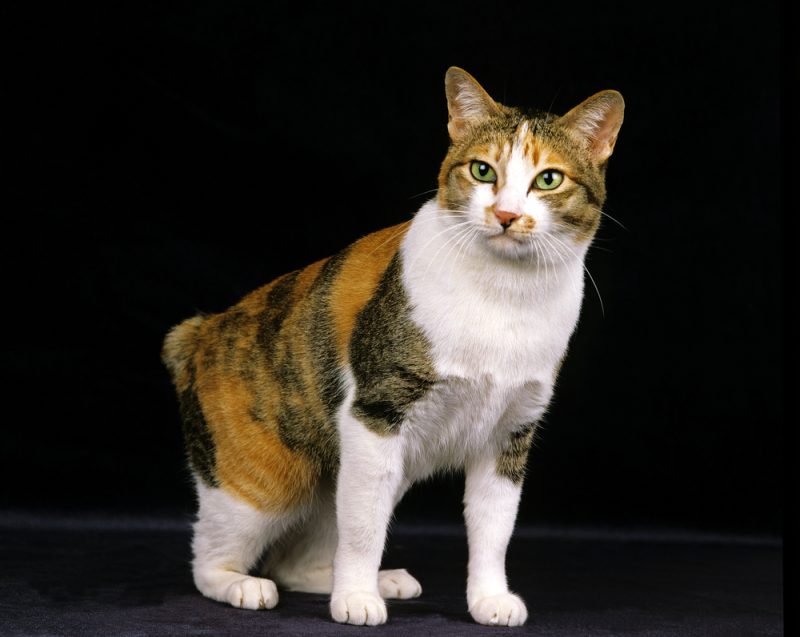
The Japanese Bobtail is a unique cat breed from Japan. It stands out because of its short, bobbed tail that looks like a pom-pom. This breed has a lively personality and is very friendly. People in Japan have loved the Japanese Bobtail for hundreds of years. It has a special place in Japanese homes and culture.
Physical Traits
The Japanese Bobtail has a short, curved tail. It is soft and fluffy, like a small ball. Their body is slender and muscular. They have long legs and high cheekbones. Their eyes are large and expressive, often bright yellow or green. Their coat can be short or long. Common colors include white with red or black patches.
Historical Significance
This breed dates back over 1,000 years in Japan. It appears in many old Japanese artworks and poems. People believed the Japanese Bobtail brought good luck. Fishermen kept them on boats to catch mice. They were also common in temples and homes. Their presence shows a deep bond between cats and Japanese culture.
Cultural Symbolism
The Japanese Bobtail is a symbol of good fortune. It is often seen in the famous Maneki-neko statue. This “beckoning cat” is said to bring wealth and happiness. The breed represents protection and luck. It is part of many Japanese stories and legends. This cat is more than a pet; it is a cultural icon.
Kurilian Bobtail
The Kurilian Bobtail is a unique cat breed with a strong, muscular body and a short, bobbed tail. Known for its agility and playful nature, this breed has a charming look and a friendly personality. It thrives in active homes and enjoys interacting with people and other pets.
Distinctive Features
The Kurilian Bobtail has a short, fluffy tail that looks like a pom-pom. Its coat can be short or long and comes in many colors. The cat has large, expressive eyes and strong legs for jumping. Its body is sturdy and well-balanced, perfect for climbing and hunting.
Breed Origins
The Kurilian Bobtail comes from the Kuril Islands, a group of islands between Japan and Russia. It has lived there for centuries, adapting to cold weather and rough terrain. This breed is a natural hunter and was once used to catch fish and small animals. It is officially recognized in Japan and Russia.
Temperament And Behavior
This breed is very social and loves being around people. It is playful, curious, and enjoys toys and games. Kurilian Bobtails are also calm and gentle, making them great family pets. They get along well with children and other animals, showing loyalty and affection.
Kinkalow
The Kinkalow is a unique cat breed with roots connected to Japan. It stands out for its rare combination of traits. This breed is a hybrid, blending the exotic look of the kinkalow with a playful nature. Cat lovers appreciate its charm and lively behavior.
Breed Creation
The Kinkalow was created by crossing the American Curl and the Munchkin. This mix gives the Kinkalow its curled ears and short legs. Breeders aimed to combine these features for a new, playful breed. The Kinkalow is recognized for its distinct appearance and friendly nature.
Appearance
The Kinkalow has short legs and ears that curl backward. Its body is compact and muscular. The coat can be short or medium length with many colors. Large, expressive eyes add to its cute look. This breed looks small but is very agile.
Personality Traits
Kinkalows are playful and love to interact with people. They enjoy games and exploring their environment. These cats are affectionate and often follow their owners around. They adapt well to different homes and other pets. The breed is known for its friendly and curious nature.
:strip_icc()/GettyImages-901825714-89cb2b6c5deb4578924fc6c66d0f1ff5.jpg)
Credit: www.thesprucepets.com
Japanese Cat Legends
Cats hold a special place in Japanese culture. Their stories and symbols go back many centuries. These legends reveal how cats became part of Japan’s history and beliefs.
Japanese cat legends often mix mystery and charm. They show cats as protectors, bringers of luck, and even magical beings. Learning these tales helps us understand why some cat breeds from Japan are so unique.
Maneki-neko And Good Luck
Maneki-neko means “beckoning cat” in Japanese. This cat statue waves one paw to invite luck and money. You see it in shops, homes, and restaurants across Japan.
The raised paw has meaning. The left paw calls customers. The right paw invites wealth. Sometimes, both paws are up to bring double fortune.
Colors also matter. White stands for purity and happiness. Gold means wealth and prosperity. Black protects against evil spirits. Maneki-neko is a beloved symbol of good luck everywhere.
Folklore And Mythology
Many old stories in Japan feature cats with special powers. One famous tale is about the bakeneko. This cat can shape-shift and even talk like a human.
In some legends, cats guard homes from evil spirits. They appear at night to protect families. Other stories tell of cats bringing messages from the gods.
Cats also appear in Japanese art and poems. They inspire feelings of mystery, grace, and magic. These stories make Japanese cats more than just pets. They are symbols of wonder and protection.
Care Tips For Japanese Breeds
Japanese cat breeds have unique traits that need special care. Understanding their grooming, health, and diet helps keep them happy and healthy. This guide shares simple tips to support your Japanese cat’s well-being.
Grooming Needs
Japanese cats often have short to medium fur. Brush their coat once or twice a week to remove loose hair. This prevents mats and reduces shedding around the home. Clean their ears regularly to avoid infections. Trim their nails every two weeks to keep them comfortable.
Health Considerations
Regular vet check-ups catch health issues early. Watch for signs of common problems like dental issues or obesity. Some Japanese breeds may have genetic conditions. Keep vaccines and parasite control up to date. Provide a stress-free environment to support their mental health.
Diet And Nutrition
Feed your Japanese cat high-quality food rich in protein. Avoid foods with fillers like corn or soy. Fresh water must be available at all times. Control portion sizes to prevent overweight. Consult your vet about supplements if your cat has special needs.

Credit: www.wisdompanel.com
Credit: www.catster.com
Frequently Asked Questions
What Are The Famous Cat Breeds From Japan?
The most famous cat breed from Japan is the Japanese Bobtail. It is known for its distinctive short “bobbed” tail and playful nature. Other notable breeds include the Kurilian Bobtail and the Kuro Neko, but the Japanese Bobtail is the most iconic.
How Did Japanese Bobtail Cats Originate?
Japanese Bobtail cats have been part of Japanese culture for centuries. They are believed to have originated from natural bobtailed cats in Japan. These cats were often depicted in traditional art and folklore, symbolizing good luck and prosperity.
Are Japanese Cat Breeds Hypoallergenic?
Japanese cat breeds like the Japanese Bobtail are not considered hypoallergenic. They shed moderately and produce typical allergens. However, their short coat and grooming habits may reduce allergen spread compared to long-haired breeds.
What Traits Define Japanese Bobtail Cats?
Japanese Bobtails are known for their lively, friendly, and intelligent nature. They have a unique bobbed tail, slender body, and large ears. These cats are social, affectionate, and often vocal, making them great companions for families.
Conclusion
Japanese cat breeds show unique beauty and charm. They have distinct looks and friendly nature. Each breed tells a story of Japan’s culture. These cats fit well in many homes and lifestyles. Choosing a Japanese breed means enjoying a special companion.
Their history adds depth to their appeal. Exploring these cats can bring joy and interest. They remind us of Japan’s rich animal heritage. A Japanese cat can brighten any day. Simple, elegant, and loving – that’s the essence.