
Are you thinking about adding a furry friend to your home? Before you choose your new cat, it’s important to know that some breeds need more care and attention than others.
If you want a pet that’s easy to handle, you’ll want to avoid the breeds that can be tricky to care for. You’ll discover which cat breeds are the hardest to take care of—and why. Knowing this will help you make the best choice for your lifestyle and keep both you and your cat happy.
Keep reading to find out if your dream cat might come with hidden challenges.
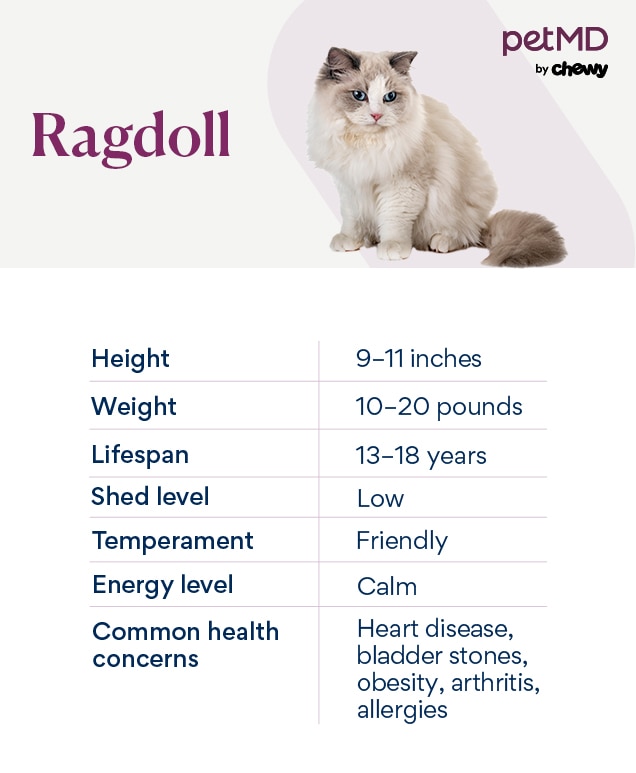
Credit: www.petmd.com
High-maintenance Cat Breeds
High-maintenance cat breeds need extra care and attention. They require more time for grooming, health checks, and social needs. These cats may not suit everyone’s lifestyle. Understanding their needs helps provide better care.
These breeds often have special traits that demand patience and dedication from their owners. They can be loving pets but need effort to stay healthy and happy.
Persian Cats
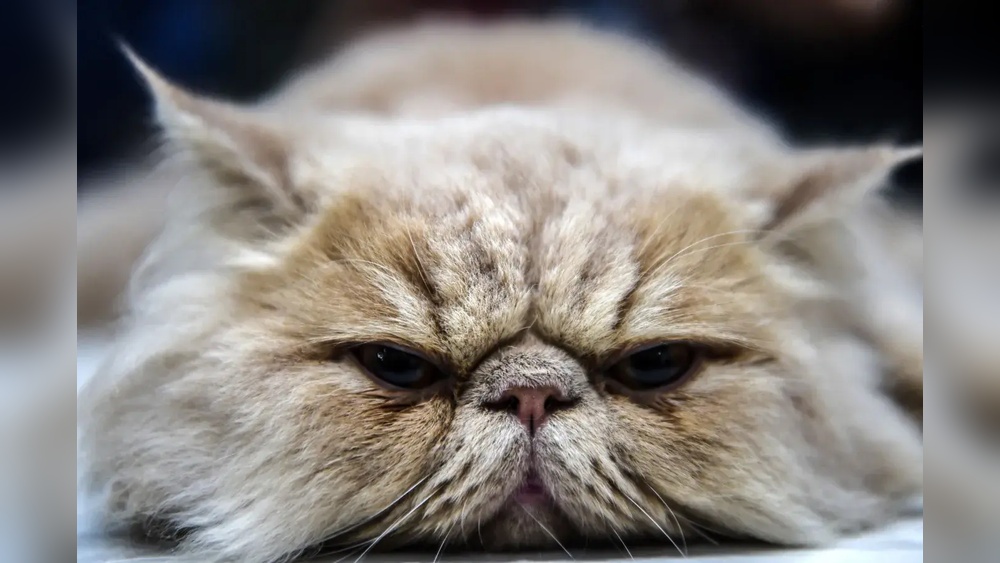
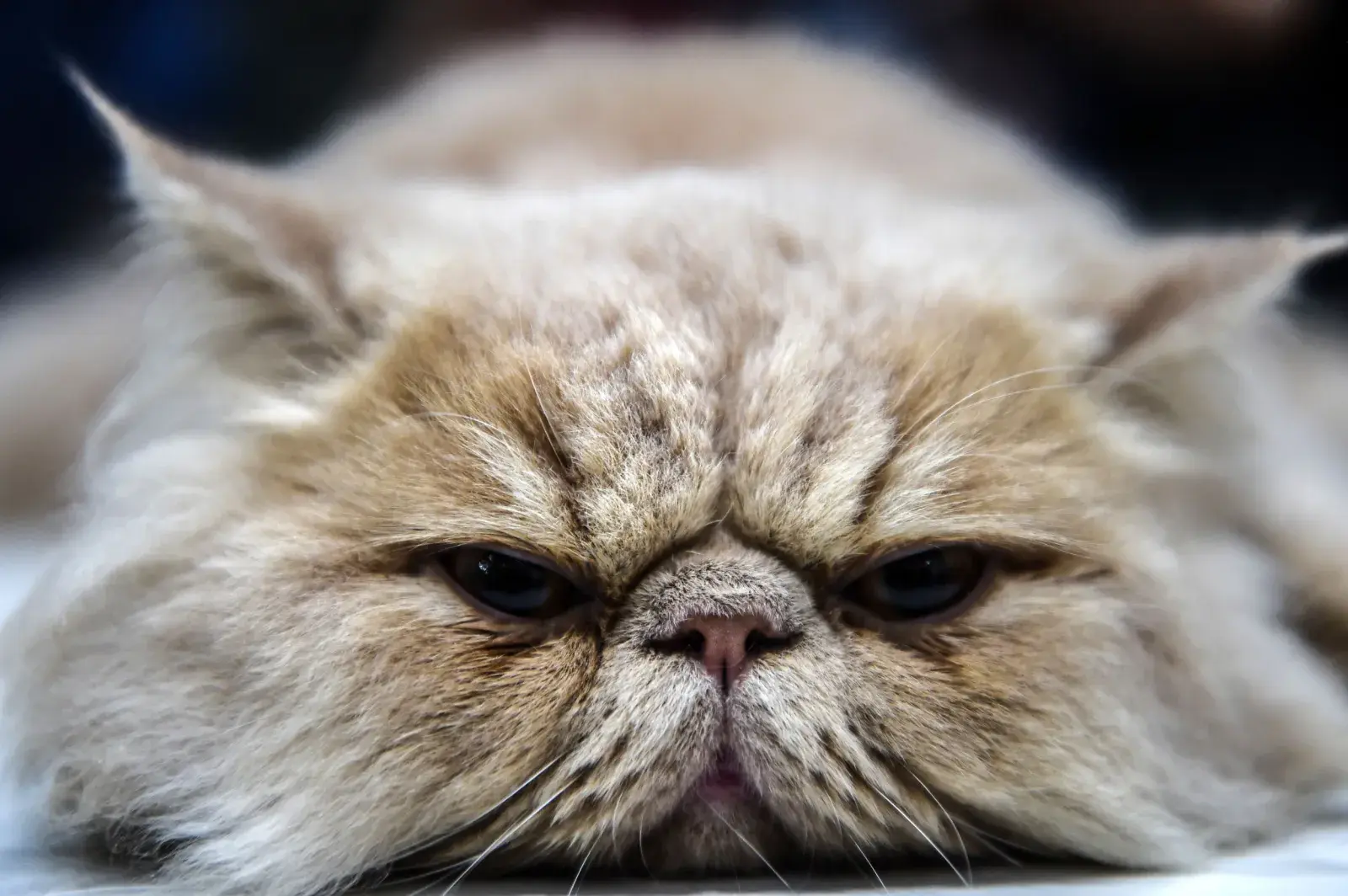
Persian cats have long, thick fur that mats easily. Daily brushing is a must to avoid tangles and hairballs. They need regular eye cleaning to prevent tear stains. Their flat faces can cause breathing problems. Check their health often and keep their living area clean.
Sphynx Cats
Sphynx cats have no fur, but they need frequent baths. Their skin gets oily and dirty quickly. They enjoy warmth and may need sweaters in cold weather. These cats love attention and get lonely fast. Expect to spend time playing and cuddling daily.
Bengal Cats
Bengal cats are very active and curious. They need lots of toys and climbing space to stay busy. Without enough activity, they can become bored and destructive. Their short coat needs less grooming but regular ear and dental care. Bengal cats thrive with an engaged owner.
Behavioral Challenges
Some cat breeds are harder to care for due to their behavior. These cats need more patience and understanding. Their actions can challenge even experienced cat owners. Knowing these challenges helps prepare for a better pet experience.
Demanding Attention
Certain breeds require constant attention. They want to play and be near you all the time. Ignoring them can cause stress or misbehavior. These cats dislike being alone or bored. Owners must give them plenty of time and interaction.
Aggressive Tendencies
Some cats show aggressive behavior more often. They may scratch or bite without warning. This can be scary or painful for owners. Aggression may arise from fear or frustration. Proper training and patience are essential to manage this.
Separation Anxiety
Separation anxiety affects a few cat breeds deeply. These cats become anxious when left alone. They might meow loudly or damage furniture. Anxiety can harm their health and mood. Owners should create a calm, secure environment for them.
Health Concerns
Health concerns play a big role in how hard a cat breed is to care for. Some breeds have more health problems than others. These issues can mean more visits to the vet and special care at home. Understanding these health concerns helps owners prepare better.
Genetic Disorders
Many cat breeds carry genetic disorders. These are health problems passed down from parents to kittens. Some common issues include heart disease, kidney problems, and joint pain. Breeds like the Persian and Maine Coon often face such challenges. Genetic disorders may need lifelong treatment and attention.
Regular Grooming Needs
Cats with long or thick fur require more grooming. Regular brushing stops mats and skin problems. Breeds like the Persian demand daily grooming. Without proper care, their fur can tangle and cause pain. Grooming also helps spot health issues early.
Dietary Restrictions
Certain breeds need special diets to stay healthy. Some cats are prone to food allergies or digestion issues. These cats need food free from certain ingredients. Breeds like the Siamese may require unique diets. Feeding the right food supports their overall health.
Credit: www.newsweek.com
Environmental Needs
Environmental needs play a big role in how hard it is to care for a cat breed. Some cats need special settings to stay healthy and happy. Understanding their space, temperature, and mental needs helps provide the best care.
Cats with high environmental demands may require more effort from owners. Meeting these needs keeps them calm and prevents behavior problems.
Space Requirements
Some cat breeds need a lot of space to roam and play. Big, active cats feel trapped in small rooms. They become bored or stressed without enough room.
Breeds like Bengals and Maine Coons need large areas to climb and explore. Small apartments can be a challenge for these cats. Owners should plan enough space for their energy level.
Temperature Sensitivity
Certain breeds struggle with temperature changes. Cats with thin fur or no fur feel cold fast. Sphynx cats, for example, need warm rooms and cozy blankets.
Cold temperatures can cause health issues for sensitive cats. On the other hand, thick-coated cats might overheat easily. Maintaining a steady, comfortable temperature is key.
Interactive Toys And Stimulation
Active cat breeds require lots of mental and physical stimulation. Toys, puzzles, and playtime keep their minds sharp. Without stimulation, they may act out or become depressed.
Breeds like Siamese and Abyssinians need daily interaction. Simple toys are not enough for their intelligence. Owners must provide varied and challenging play options.
Time And Commitment
Caring for certain cat breeds demands a lot of time and attention. These cats need more than just food and water. They require daily interaction, training, and health checks. Owners must be ready to commit fully. Without this, the cat’s well-being can suffer.
Daily Care Routine
Some breeds need grooming every day. Their coats can mat or tangle quickly. Regular brushing keeps their fur smooth and healthy. Feeding times must be consistent to avoid digestive issues. Playtime is essential to keep them active and happy. Daily cleaning of their litter box is also important.
Training And Socialization
Training certain cats takes patience and time. They may resist new commands or environments. Socialization helps them feel safe around people and pets. Early and frequent social interaction improves their behavior. Without this, they might become shy or aggressive. Owners should spend time teaching and bonding with their cat.
Veterinary Visits
Some breeds need frequent vet check-ups. Regular health screenings catch problems early. Vaccinations and parasite control keep them protected. Special breeds might require extra care for genetic issues. Owners should prepare for these visits and costs. Staying on top of health is key for a long life.
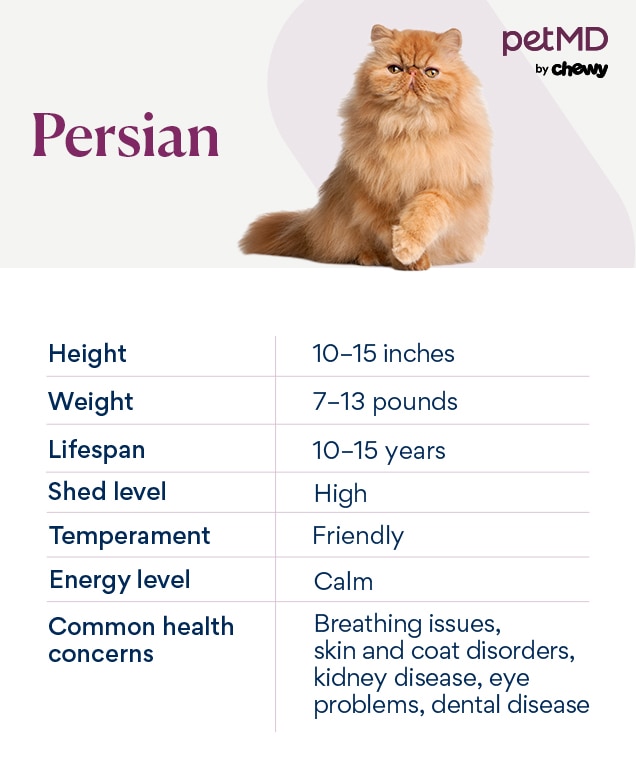
Credit: www.petmd.com
Choosing The Right Cat
Choosing the right cat is important for a happy home. Different breeds have different needs. Some cats are easy to care for. Others need more time and effort. Knowing what fits your life helps avoid problems later.
Matching Lifestyle And Breed
Your daily routine affects the cat you choose. Active breeds need space and playtime. Calm breeds may prefer quiet homes. Pick a cat that fits your energy and schedule. This helps both you and the cat feel comfortable.
Assessing Experience Level
New cat owners should start with low-maintenance breeds. Some cats need grooming or special care. Experienced owners can handle these needs better. Understanding your skills helps keep the cat healthy and happy.
Long-term Responsibility
Cats live many years, often over a decade. Think about your future plans before adopting. Some breeds have health issues needing regular vet visits. Commitment to care ensures a strong bond and a healthy pet.
Frequently Asked Questions
Which Cat Breeds Require The Most Care?
Sphynx, Siamese, and Persian cats often need extra grooming and attention. Their unique traits demand time and patience from owners to keep them healthy and happy.
Why Are Some Cats Harder To Care For?
Certain breeds have special needs like frequent grooming, health issues, or social interaction. These factors make their care more time-consuming and complex compared to other cats.
How Does Grooming Affect Cat Care Difficulty?
Breeds with long hair or no fur require regular grooming. This helps prevent mats, skin problems, or cold sensitivity, increasing overall care demands.
Are High-energy Cats More Difficult To Care For?
Yes, active breeds like Bengals need constant stimulation and playtime. Without proper exercise, they may develop behavioral issues, making care more challenging.
Conclusion
Caring for some cat breeds can be quite challenging. These cats need more time, attention, and care than others. Knowing which breeds require extra effort helps prepare you better. Choose a cat breed that fits your lifestyle and patience level.
Remember, every cat deserves love and a good home. Taking care of a difficult breed can be rewarding but needs commitment. Think carefully before bringing one into your life. Your effort will show in your cat’s happiness and health.