
Are you thinking about adding a furry friend to your home? Not all cats are the same when it comes to attention and care.
Some breeds need more love, playtime, and interaction than others. Knowing which cat breeds require extra attention can help you give your new pet the best life possible. Keep reading to discover which cats might need your time and energy the most—and why understanding this can make all the difference for both you and your feline companion.
Credit: www.newsweek.com
Traits Of Fussy Cats
Fussy cats have unique traits that make them stand out. These cats need special care and attention. Understanding their habits helps in giving them a happy life.
Fussy cats often show clear signs of what they like or dislike. Their behavior can be quite different from other cats. They may require more patience and effort from their owners.
Common Behaviors
Fussy cats often reject new food or water bowls. They may avoid certain toys or places in the house. These cats like routines and can get stressed by changes.
Many fussy cats are picky about grooming and may refuse to be brushed. They often choose specific spots for resting and may dislike being moved. Their playtime preferences can be very particular too.
Signs Of High Maintenance
Fussy cats can be hard to please with food choices. They might demand fresh water often and avoid dirty bowls. These cats require frequent cleaning of their litter boxes.
They may also ask for more attention and get upset if ignored. Some fussy cats dislike loud noises and sudden movements. Their health might need more regular checks due to stress-related issues.
Emotional Needs
Fussy cats need a calm and stable environment. They often bond closely with one person. These cats need gentle handling and quiet spaces to feel safe.
They may show signs of anxiety if left alone for long. Comfort and routine help them stay relaxed. Understanding their mood helps in building trust and love.
Credit: www.webbox.co.uk
Persian Cats
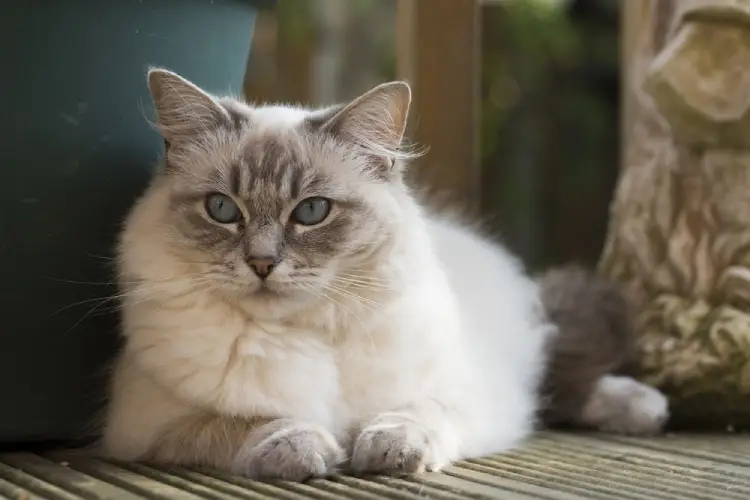
Persian cats are famous for their long, flowing coats and calm nature. They have a unique look with a flat face and large eyes. These cats need special care to stay happy and healthy. Their beauty requires daily attention from owners. Understanding their needs helps provide the best life for Persian cats.
Grooming Demands
Persian cats need daily brushing. Their thick fur can tangle and mat quickly. Mats can cause discomfort and skin problems. Regular grooming keeps their coat clean and smooth. Bathing every few weeks helps reduce oil buildup. Grooming also reduces hairballs. Owners must check eyes and face daily. Persians often have tear stains that need cleaning.
Health Concerns
Persian cats have some common health issues. Their flat face can cause breathing problems. Eye infections happen often due to tear drainage issues. Kidney disease is a risk in this breed. Regular vet visits are important. Early checkups help catch problems fast. Healthy diet and exercise support their well-being. Watch for signs of discomfort or illness.
Personality Traits
Persians are gentle and quiet cats. They enjoy calm and peaceful environments. These cats love sitting on laps and being petted. They are not very active but playful in short bursts. Persians bond closely with their owners. They prefer staying indoors and dislike loud noises. Their sweet nature makes them great companions for families and individuals alike.
Siamese Cats
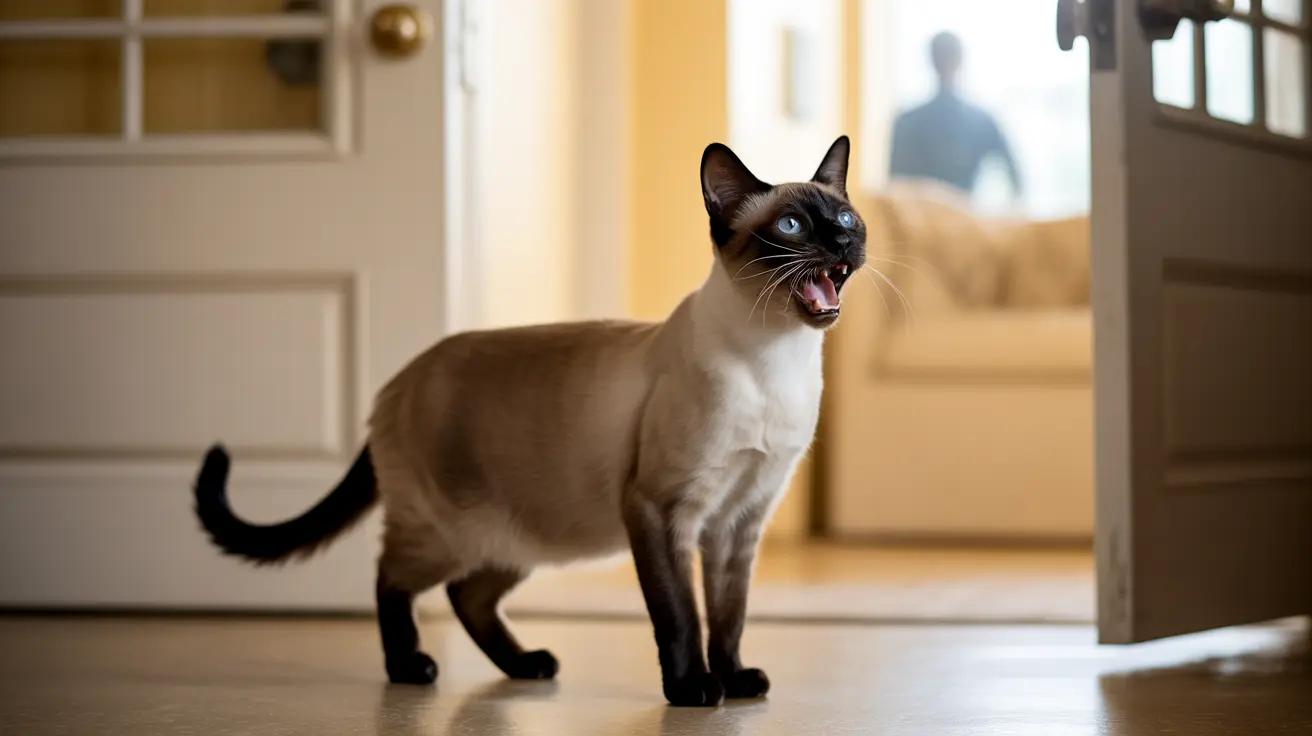
Siamese cats are one of the most popular and recognizable cat breeds worldwide. They have striking blue eyes and a sleek, short coat with distinct color points on their ears, face, paws, and tail. Siamese cats are known for their strong personalities and unique needs. They thrive in homes where they receive plenty of attention and care.
Social Interaction
Siamese cats love being around people. They do not enjoy being alone for long periods. These cats form strong bonds with their owners. They often follow their humans from room to room. Social interaction helps them stay happy and calm. Playing and talking with them keeps their minds active.
Vocal Nature
Siamese cats are very vocal. They communicate through loud, clear meows. Their voice can be quite demanding. This breed uses sound to express needs and feelings. Owners should be prepared for constant chatter. Listening and responding to their calls builds trust.
Exercise Requirements
Siamese cats are active and playful. They need daily exercise to stay healthy. Toys, climbing trees, and interactive play are great. These activities prevent boredom and destructive behavior. Regular exercise helps maintain their slim, muscular body. A tired Siamese is a happy Siamese.
Credit: www.petscare.com
Bengal Cats
Bengal cats are unique pets with wild looks and lively personalities. They have a beautiful spotted or marbled coat, resembling a small leopard. These cats need special care and attention to stay happy and healthy.
Understanding their needs helps build a strong bond. Bengal cats thrive in active homes where they can play and explore. They are not typical lap cats but enjoy interaction and mental challenges.
Energy Levels
Bengal cats have very high energy levels. They love to run, jump, and climb all day. These cats need plenty of playtime to avoid boredom and stress. Without enough activity, they may become restless or destructive. Toys, climbing trees, and interactive games help burn their energy.
Environmental Stimulation
Bengals need a stimulating environment to stay happy. They enjoy exploring new places and objects. Puzzle feeders and toys that challenge their mind work well. Window perches give them a view of the outside world. Change their play area often to keep things fresh and exciting.
Dietary Needs
Bengal cats require a balanced diet rich in protein. High-quality wet and dry foods support their active lifestyle. Avoid fillers like corn or soy, which offer little nutrition. Fresh water should always be available. Consult a vet for the best diet plan to keep them healthy.
Scottish Fold Cats
Scottish Fold cats are famous for their unique folded ears. This trait gives them an adorable, owl-like face. They are medium-sized cats with soft, dense fur. These cats enjoy human company and often follow their owners around. Scottish Folds are calm but playful, making them great pets.
Health Issues
Scottish Folds need careful health monitoring. Their folded ears come from a cartilage gene. This gene can cause bone problems. Arthritis is common in their joints. Regular vet visits help catch issues early. Watch for signs like limping or stiffness. Good nutrition supports their bone health.
Handling Sensitivity
These cats are gentle and sensitive. They dislike rough handling or loud noises. Approach them calmly and speak softly. Scottish Folds enjoy petting but not too much. They prefer slow movements and quiet spaces. Respect their limits to avoid stress.
Behavioral Patterns
Scottish Folds are friendly and social cats. They bond closely with their families. These cats like playing with toys and climbing. They often sit quietly in laps or near windows. They communicate with soft meows and purrs. Routine and attention keep them happy and balanced.
Devon Rex Cats
Devon Rex cats have a unique look with large ears and curly fur. They are playful and love to be part of the family. Their curious nature makes them fun pets. They need specific care and attention to stay happy and healthy.
Coat Care
Their coat is soft and curly but very thin. It needs gentle care to avoid damage. Brush their fur once or twice a week. Use a soft brush to remove loose hairs. Avoid harsh shampoos; mild cat shampoo works best. Bathing once a month helps keep their skin clean.
Affection Levels
Devon Rex cats are very loving and enjoy cuddles. They seek attention and often follow their owners around. These cats do not like being left alone for long. They form strong bonds with their humans. Providing regular play and petting keeps them content.
Activity Preferences
They are active and enjoy climbing and jumping. Toys and climbing trees keep them busy. They love interactive play with their owners. Mental stimulation is important to prevent boredom. Providing space to explore helps meet their energy needs.
Tips For Caring Fussy Cats
Fussy cats need special care to feel happy and safe. They may act picky about food, attention, or their environment. Small changes can make a big difference in their mood and health. Here are some tips to help you care for these sensitive cats.
Routine Establishment
Cats love routine. Feeding, playing, and resting at the same times helps reduce stress. A steady schedule builds trust and comfort. Try to keep daily activities consistent. This predictability makes fussy cats feel secure.
Diet Management
Fussy cats often refuse new or unfamiliar food. Offer high-quality, simple meals that suit their taste. Avoid sudden diet changes to prevent upset stomachs. Small, frequent meals may encourage eating. Observe preferences and adjust slowly.
Creating A Safe Space
Every cat needs a quiet, cozy place to relax. Provide soft bedding away from noise and busy areas. A safe space helps reduce anxiety and gives them control. Include toys and scratching posts to keep them engaged.
When To Seek Veterinary Help
Knowing when to seek veterinary help is vital for your cat’s health. Cats often hide pain or illness. Owners must watch closely for any changes. Early care can prevent serious problems and ease discomfort.
Recognizing Stress Signs
Cats show stress in many ways. Look for hiding, loss of appetite, or unusual aggression. Excessive grooming or scratching can also signal stress. Sudden changes in behavior may mean your cat needs help. Stress weakens their immune system and can lead to illness.
Common Health Problems
Some cat breeds face specific health issues. Respiratory problems, kidney disease, and dental troubles are common. Watch for coughing, sneezing, or bad breath. Difficulty walking or sudden weight loss also needs attention. Early detection improves treatment success.
Preventive Measures
Regular vet visits keep cats healthy. Vaccines, parasite control, and dental care are key. Keep a clean living space and provide fresh water. Balanced food helps maintain strong immunity. Prevention reduces the need for emergency care.
Frequently Asked Questions
Which Cat Breeds Require The Most Attention?
Breeds like Siamese, Maine Coon, and Sphynx need extra care. They are social, active, and demand interaction. Providing mental stimulation and grooming is essential for their well-being and happiness.
Why Do Some Cat Breeds Need More Attention?
Certain breeds have high energy and social needs. They get lonely or bored easily. Regular playtime, affection, and grooming help maintain their health and prevent behavioral issues.
How To Give Attention To Needy Cat Breeds?
Engage them with interactive toys and daily play sessions. Provide consistent grooming and social interaction. This keeps them mentally and physically stimulated and strengthens your bond.
Are Some Cat Breeds More Prone To Health Issues?
Yes, breeds like Persians and Sphynx have specific health concerns. They require extra grooming and vet visits. Early attention helps manage conditions and ensures a happy life.
Conclusion
Cats need love and care, especially certain breeds. Some cats require more attention than others. Knowing which breeds need extra care helps you provide better support. Spend time playing, grooming, and watching for health signs. Each cat is unique, so observe their needs closely.
A little effort creates a strong bond and happy pet. Caring for your cat properly leads to a joyful life together. Always be patient and kind with your furry friend.