
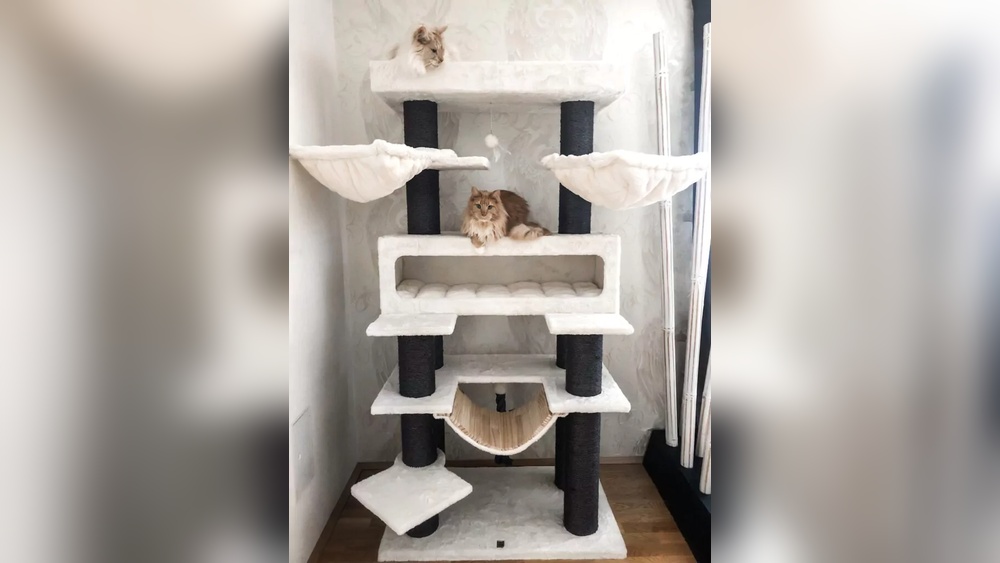
Are you tired of finding your furniture shredded or your favorite chair covered in claw marks? You’re not alone.
Some cat breeds have a stronger urge to scratch than others, and knowing which ones scratch the most can save you a lot of frustration. Understanding your cat’s natural behavior helps you protect your home and keep your furry friend happy.
Keep reading to discover which cat breeds are the biggest scratchers and how you can manage their scratching habits effectively.
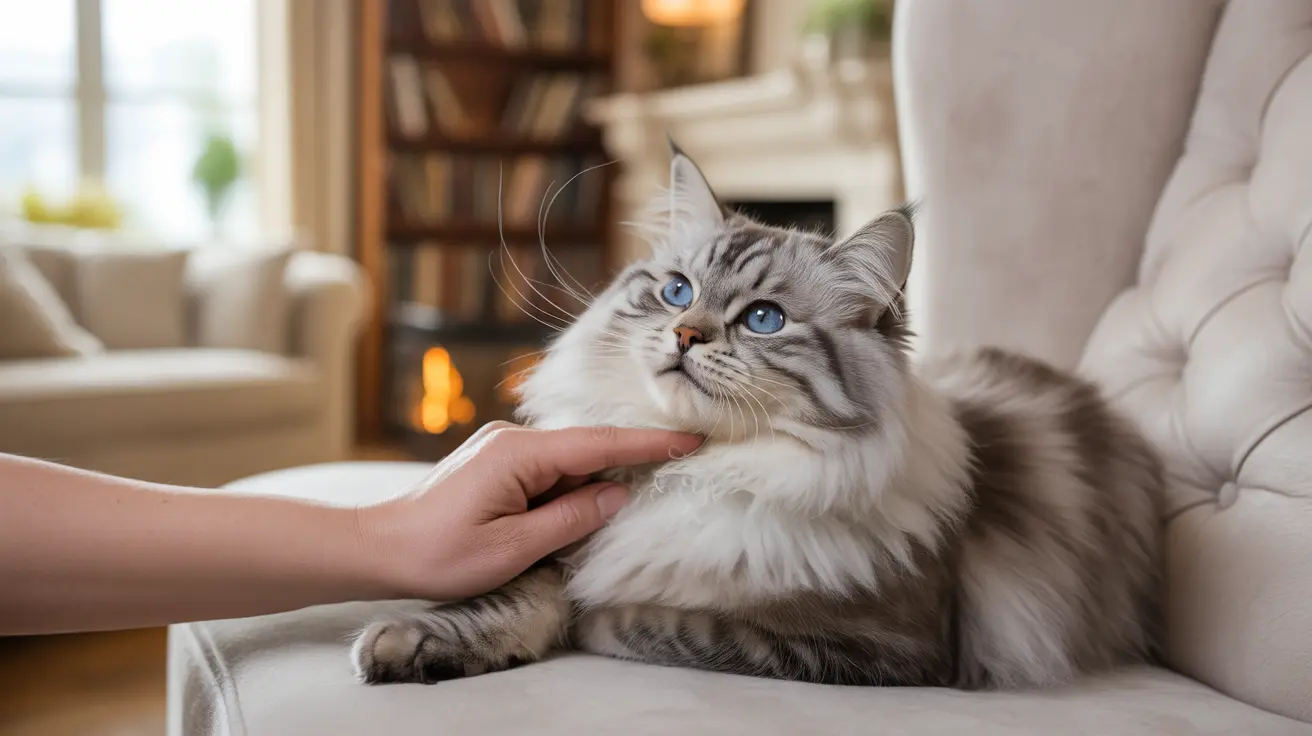
Credit: www.petscare.com
Common Reasons Cats Scratch
Cats scratch for many reasons. It is a natural behavior for them. Understanding why cats scratch helps owners manage this habit better. Scratching keeps cats healthy and happy. It also helps them communicate with other cats.
Instinct And Territory Marking
Scratching is part of a cat’s natural instinct. Cats scratch to keep their claws sharp. They also leave marks on surfaces. These marks show other cats their territory. Scratching posts help cats mark their space safely.
Stress And Anxiety
Cats scratch when they feel stressed or anxious. Scratching can calm their nerves. It is a way to release tension. Changes in the home or loud noises may cause stress. Providing a quiet space can reduce scratching from anxiety.
Health And Discomfort
Sometimes cats scratch because of health issues. It can mean itchy skin or allergies. Parasites like fleas also cause discomfort. Scratching helps relieve the itch. Regular vet visits keep cats healthy and scratching normal.

Credit: nationalpetmonth.org.uk
Breeds Known For High Scratching Tendencies
Some cat breeds have a stronger urge to scratch than others. Scratching helps cats mark territory, stretch muscles, and keep claws sharp. Understanding which breeds scratch more can help owners manage this behavior better. Here are three breeds known for their high scratching tendencies.
Siberian Cats
Siberian cats are playful and energetic. They use scratching to burn off energy and stay active. These cats often scratch furniture and carpets. Providing a strong scratching post is essential for Siberians.
Bengal Cats
Bengal cats have wild ancestry and high activity levels. Their scratching is intense and frequent. Bengals need large spaces and sturdy scratching areas. Without outlets for scratching, they can damage household items.
Sphynx Cats
Sphynx cats are curious and love attention. They scratch to explore and communicate. Their lack of fur means they rely more on touch. Owners should offer many scratching options to keep them happy.
Breeds With Moderate Scratching Behavior
Cats use scratching to mark territory and keep claws healthy. Some breeds scratch more, but others show moderate scratching behavior. These cats balance playfulness with calmness. They need scratching posts but are less likely to cause damage.
Understanding these breeds helps owners prepare better. Training and providing proper tools reduce unwanted scratching. Here are three popular breeds with moderate scratching habits.
Maine Coon
Maine Coons are large and gentle cats. They enjoy scratching but not excessively. Their thick fur and strong claws need regular care. Scratching helps them stretch and relieve stress. Providing sturdy posts suits their size well.
Abyssinian
Abyssinians are active and curious cats. They scratch to explore their environment. Their moderate scratching reflects their playful nature. They prefer vertical surfaces like posts or furniture edges. Proper training helps reduce damage.
Oriental Shorthair
Oriental Shorthairs are social and intelligent cats. They use scratching to communicate and exercise. Their scratching is balanced, not too frequent or intense. They enjoy interactive play that includes scratching posts. Owners should offer variety to keep them engaged.
Credit: volvoautobots.com
Breeds Less Prone To Scratching
Some cat breeds tend to scratch less than others. These cats often have calmer personalities. They usually prefer gentle play and less rough behavior. Choosing a breed less prone to scratching can help keep your home safe and your furniture intact.
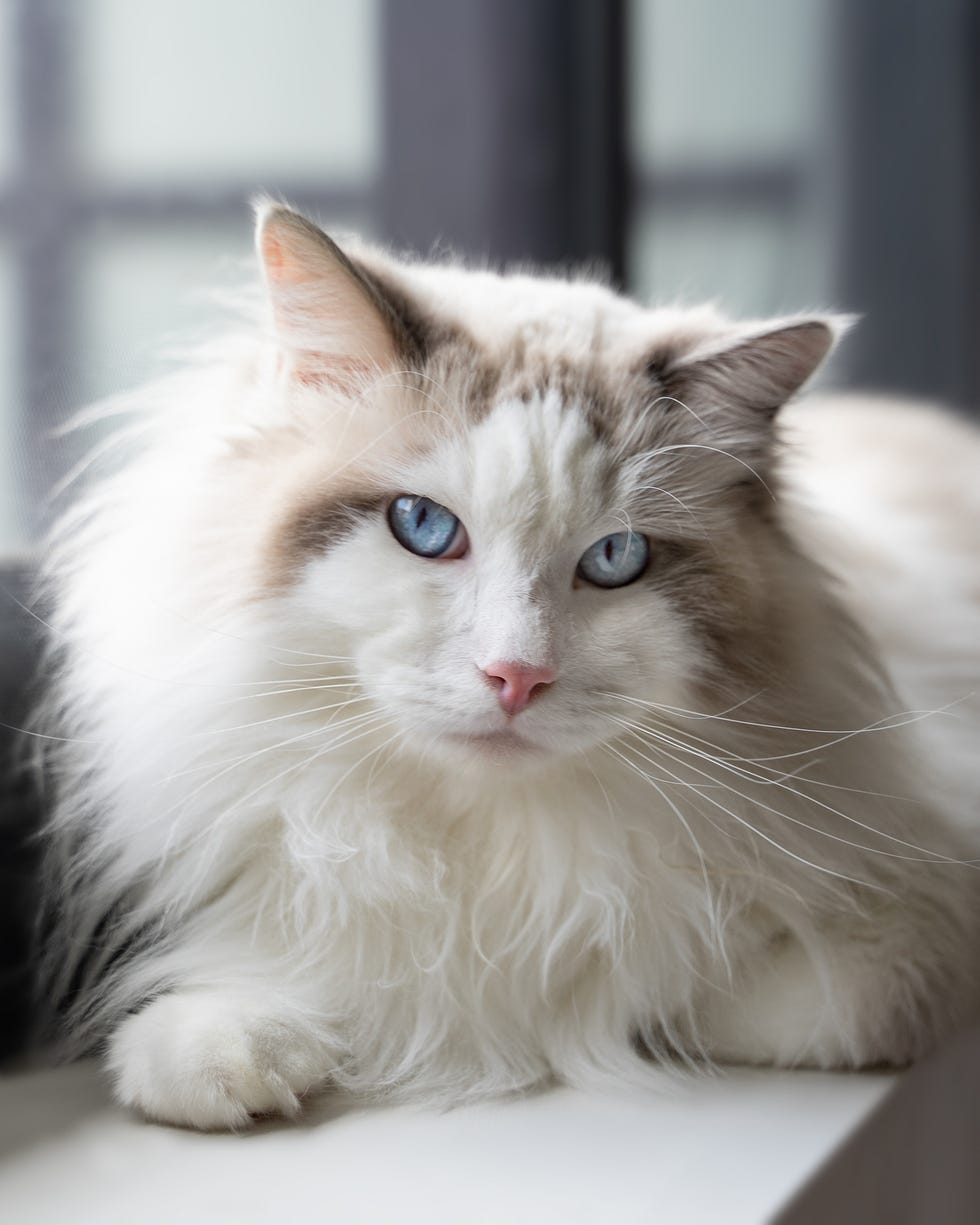
Ragdoll
Ragdolls are known for their calm and gentle nature. They rarely use their claws aggressively. These cats enjoy being held and cuddled. Their relaxed attitude means less scratching and more affection.
Scottish Fold
Scottish Folds have a quiet and sweet temperament. They are not very active scratchers. Their folded ears give them a unique look. These cats prefer soft play and gentle petting.
British Shorthair
British Shorthairs are easygoing and calm cats. They tend to scratch less during play. These cats enjoy lounging and quiet time. Their sturdy build means they can play without using claws much.
Managing Scratching Habits
Managing your cat’s scratching habits is important for a peaceful home. Cats scratch to mark territory and keep their claws sharp. Controlling this behavior helps protect furniture and keeps your cat happy. Simple steps can make a big difference in managing scratching.
Providing Scratching Posts
Give your cat sturdy scratching posts in different rooms. Cats prefer vertical or horizontal surfaces to scratch. Use posts covered with rough materials like sisal or carpet. Place posts near favorite resting spots or windows. Encourage your cat to use posts with toys or treats.
Regular Nail Trimming
Trim your cat’s nails every two to three weeks. Short nails cause less damage when scratched. Use special cat nail clippers for safety. Hold your cat gently and cut only the sharp tips. Regular trimming keeps claws healthy and reduces scratching harm.
Behavioral Training Techniques
Train your cat to scratch the right places. Use positive reinforcement like treats or praise. Redirect scratching from furniture to posts calmly. Avoid punishment, which can cause fear or stress. Consistency and patience improve your cat’s behavior over time.
When To Consult A Veterinarian
Knowing when to consult a veterinarian is important for any cat owner. Cats scratch for many reasons. Sometimes, scratching is normal. Other times, it may signal a health problem. Watching your cat closely helps you decide if a vet visit is needed.
Signs Of Excessive Scratching
Look for constant scratching or biting at the skin. Redness, swelling, or sores are warning signs. Hair loss in patches is another clue. Your cat may also seem restless or uncomfortable. Scratching that disrupts sleep or daily activities needs attention.
Possible Underlying Health Issues
Skin infections can cause itching and scratching. Allergies to food or environment also trigger this behavior. Parasites like fleas or mites are common causes. Sometimes, stress or anxiety leads to over-scratching. A vet can find the exact reason and suggest treatment.
Frequently Asked Questions
Which Cat Breeds Scratch Furniture The Most?
Some active breeds like Siamese, Bengal, and Maine Coon are known to scratch more. They use scratching to mark territory and keep claws healthy. Providing proper scratching posts can help reduce damage.
Why Do Certain Cat Breeds Scratch More Often?
Cats scratch to sharpen claws, stretch muscles, and mark territory. Some breeds have higher energy, making them scratch more frequently. Breed temperament and activity level influence scratching behavior significantly.
How Can I Reduce Scratching In High-scratch Cat Breeds?
Provide durable scratching posts and trim claws regularly. Use deterrents like double-sided tape on furniture. Positive reinforcement for using posts encourages good behavior in scratch-prone breeds.
Are Indoor Cats From Scratch-prone Breeds Less Destructive?
Indoor cats tend to scratch less destructively with proper outlets. However, breeds like Abyssinians and Bengals still need ample scratching opportunities indoors to satisfy natural instincts.
Conclusion
Some cat breeds tend to scratch more than others. This behavior is natural and helps them stay healthy. Knowing which breeds scratch often can help you prepare better. Providing scratching posts and toys keeps cats happy. Training cats gently reduces unwanted scratching.
Remember, patience and care make a big difference. Choose a breed that fits your lifestyle and needs. Enjoy the company of your furry friend without worry.