
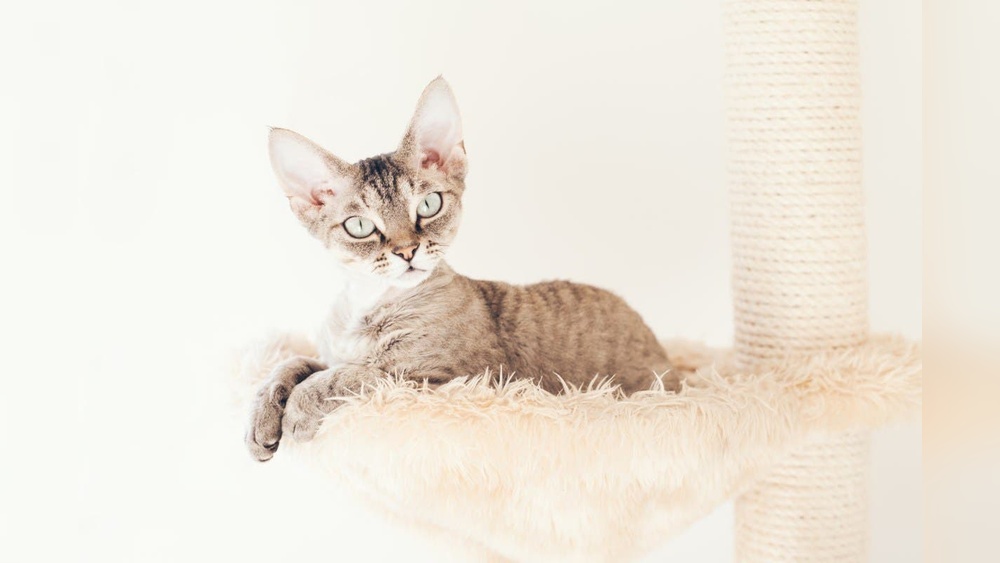
Are you tired of constantly finding cat hair on your clothes, furniture, and floors? If shedding drives you crazy but you still want a furry friend, you’re not alone.
Choosing the right cat breed can make a huge difference in how much hair you have to deal with every day. You’ll discover which cat breeds shed the least, helping you enjoy all the warmth and love of a cat without the endless cleanup.
Keep reading to find the perfect low-shedding companion for your home!
Credit: www.newsweek.com
Low-shedding Cat Traits
Cats that shed less have special traits. These traits make them easier to care for and clean around. Understanding these traits helps you pick the right cat for your home. Some cats lose fewer hairs because of their coat type or body features. These traits also help people with mild allergies enjoy cats.
Coat Types That Shed Less
Short coats often shed less than long, thick fur. Some cats have hair that grows slower or stays shorter. Hair that does not fall out easily means less cleaning for you. Cats with curly or wavy fur also lose less hair. Their coat holds the loose hairs close until they fall off naturally.
Some breeds have a single layer of fur, not a thick double coat. Single-layer coats drop fewer hairs throughout the year. These cats do not have heavy shedding seasons like others. Their fur stays cleaner and requires less grooming.
Allergy-friendly Features
Low-shedding cats often produce fewer allergens. Allergens are proteins in cat skin and saliva that cause reactions. Cats with less fur or oily coats spread fewer allergens around the house. Some breeds have less dander, the tiny skin flakes that trigger allergies.
Breeds with hair that traps dander and loose fur help reduce allergens. Grooming these cats regularly removes dander and keeps allergens low. Allergy-friendly cats still need care, but they cause fewer problems for sensitive people.
Credit: www.newsweek.com
Top Low-shedding Cat Breeds
Some cat breeds shed much less than others. These low-shedding cats suit people who want less fur in their homes. They can also be better for allergy sufferers. Here are some top low-shedding cat breeds to consider.
Siberian
The Siberian cat has a dense coat but sheds very little. This breed has a triple-layered fur that traps loose hair. Regular grooming keeps shedding minimal. Siberians are friendly and playful pets.
Balinese
Balinese cats have a silky coat that sheds less than many others. Their medium-length fur does not mat easily. They are intelligent and social cats. Balinese cats adapt well to family life.
Bengal
Bengals have a short, dense coat with minimal shedding. Their unique spots and marbled patterns make them striking. They are active and curious cats. Bengals enjoy interactive play and attention.
Russian Blue
The Russian Blue has a short, thick coat that sheds little. This breed’s fur feels soft and plush. They are gentle and calm cats. Russian Blues bond closely with their owners.
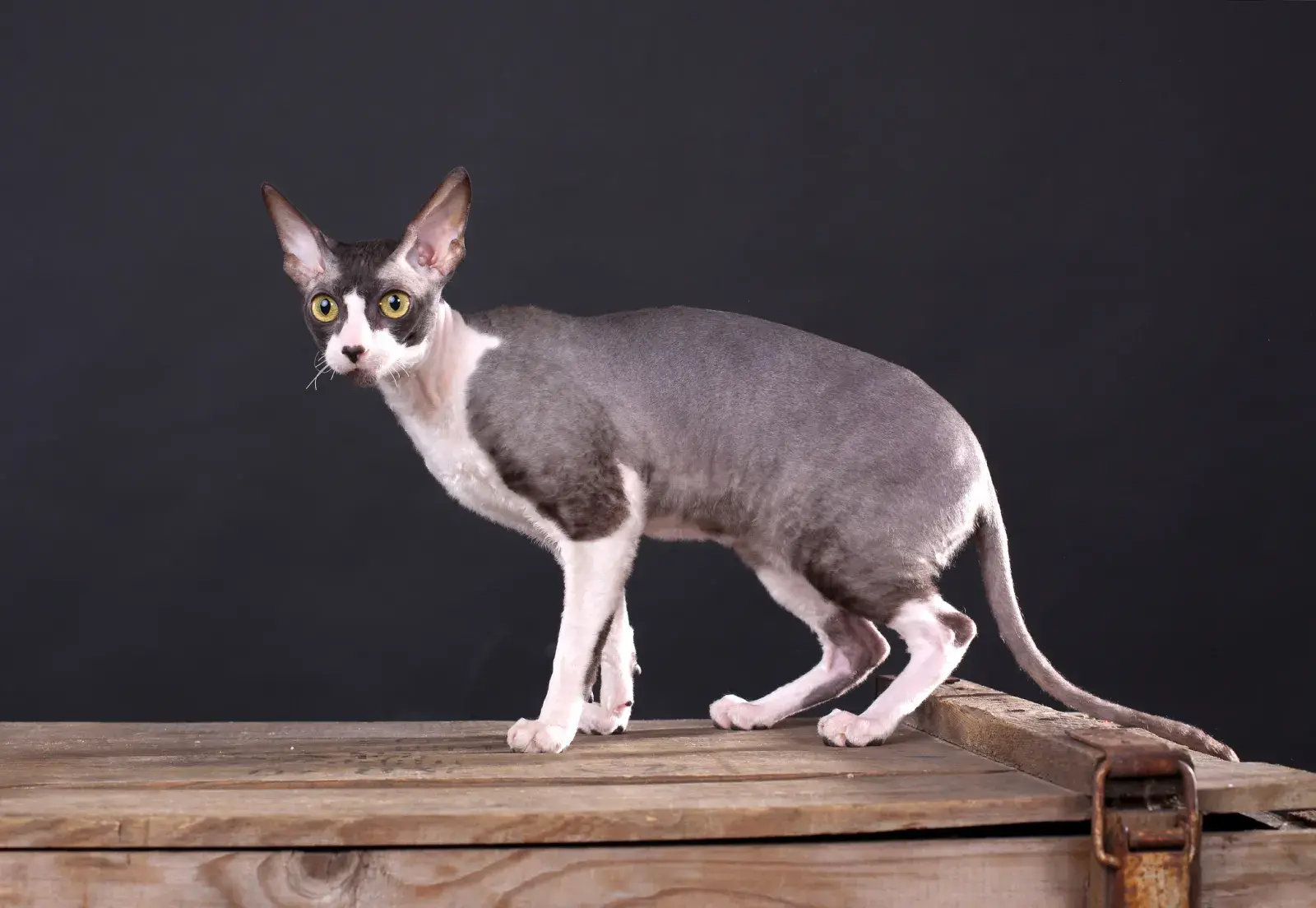
Cornish Rex
Cornish Rex cats have very short, wavy fur. Their coat lacks a thick undercoat, so they shed less. They are lively and affectionate companions. Cornish Rex cats love to play and explore.
Sphynx
Sphynx cats are almost hairless, so shedding is minimal. Their skin needs regular cleaning. They are friendly and enjoy human contact. Sphynx cats have a unique look and warm feel.
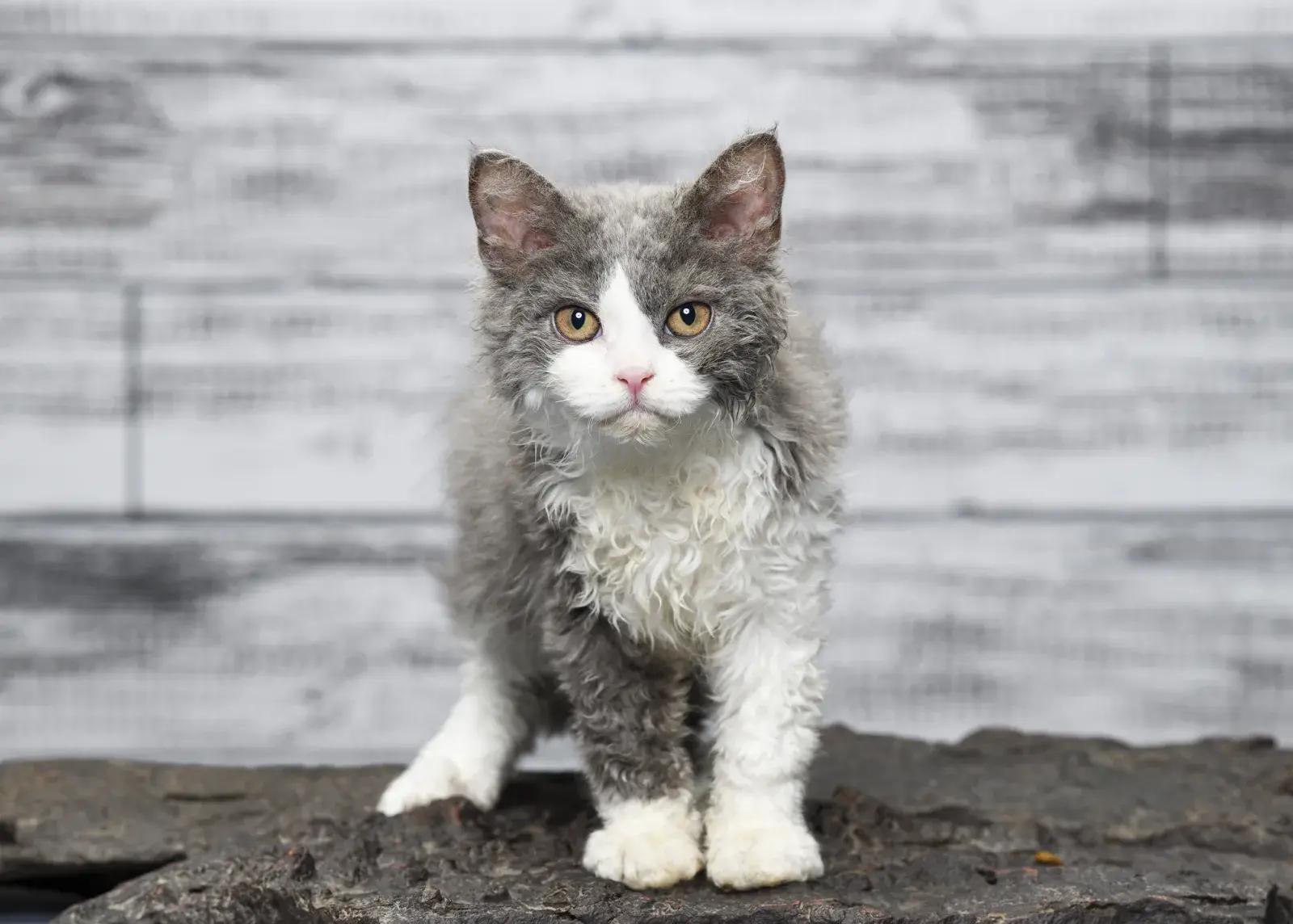
Devon Rex
Devon Rex cats have short, curly fur that sheds little. Their coat is soft and low-maintenance. They are playful and intelligent cats. Devon Rex cats enjoy being the center of attention.
Care Tips For Low-shedding Cats
Low-shedding cats need care to keep their coat healthy and clean. This care helps reduce loose fur around the house. Regular attention makes your cat feel good and look great. Here are some useful tips for taking care of cats that shed less.
Grooming Techniques
Brush your cat gently but often. Use a soft brush suited for their fur type. This removes dead hair and stops mats from forming. Bathing is rarely needed but can help if your cat gets dirty. Always use cat-friendly shampoo. Check ears and eyes while grooming to catch issues early.
Diet And Health
Feed your cat high-quality food with good nutrients. Healthy skin means less shedding. Omega-3 and omega-6 fatty acids support fur health. Fresh water is important every day. Regular vet visits keep your cat free from parasites and illnesses. Healthy cats shed less hair naturally.
Home Environment
Keep your home clean and dust-free. Use air purifiers to reduce allergens and loose fur. Provide cozy, clean bedding for your cat. Avoid stress by keeping a calm, quiet space. Cats shed more when stressed or sick. A comfortable home helps maintain a healthy coat.
Credit: www.newsweek.com
Comparing Shedding Levels
Shedding varies a lot between cat breeds. Some cats lose fur often and in large amounts. Others shed very little, making them good pets for allergy sufferers or tidy households. Understanding shedding levels helps in choosing the right cat for your home.
Low Vs. High Shedding Breeds
Cats with low shedding often have short or fine coats. Breeds like the Siamese or Russian Blue shed very little fur. They require less cleaning and grooming.
High shedding breeds have thick or long hair. Maine Coons and Persians shed more, especially in spring and fall. Their fur can cover furniture and clothes quickly.
Choosing a low shedding breed means fewer fur clumps around the house. It also lowers the chance of allergies. But remember, every cat is unique and may shed differently.
Shedding Seasons Explained
Cats usually shed more during seasonal changes. They lose winter coats in spring and summer coats in fall. This natural process helps them stay comfortable.
Indoor cats may shed less because of stable temperatures. Outdoor cats adjust to weather, causing more shedding. Regular grooming helps manage this fur loss.
Understanding shedding seasons helps prepare for heavier cleaning times. It also helps in planning grooming sessions to keep your cat healthy.
Choosing The Right Cat Breed
Choosing the right cat breed is important for a happy home. Different cats have different needs. Some shed a lot, while others barely shed at all. Picking a breed that matches your lifestyle helps you enjoy your pet more. It also reduces cleaning and allergy problems. Consider your daily routine, your health, and your home space. This way, you find a cat that fits well with your life.
Lifestyle Considerations
Think about how much time you spend at home. Some cats need more attention and playtime. Others are calm and like to rest. If you travel or work long hours, choose a low-maintenance cat. Cats that shed less often need less grooming too. This saves time and effort. Also, consider the space you have. Big cats or active breeds need room to move. Small spaces suit quieter breeds better.
Allergy Sensitivities
Many people are allergic to cat hair or dander. Cats that shed less often cause fewer allergy problems. Breeds like the Siberian or Sphynx produce less dander. This can help reduce sneezing, itching, or watery eyes. Still, no cat is fully hypoallergenic. Spend time near the breed before adopting. Notice if your allergies get worse or stay mild. This helps you avoid health issues later.
Adoption Tips
Visit local shelters or rescue groups first. Many mixed breeds shed less and need homes. Ask staff about cats with low shedding. Spend time petting and observing their fur. Check their grooming needs and health history. Be honest about your lifestyle and needs. Staff can help you find a cat that fits you well. Adoption saves lives and gives cats a second chance.
Frequently Asked Questions
Which Cat Breeds Shed The Least?
Breeds like the Siamese, Sphynx, and Russian Blue shed very little. Their short or minimal fur reduces shedding, making them ideal for allergy sufferers.
Are Hypoallergenic Cats Truly Low-shedding?
Hypoallergenic cats produce fewer allergens, but shedding varies. Breeds like Balinese and Cornish Rex are both hypoallergenic and low-shedding.
How Often Should Low-shedding Cats Be Groomed?
Low-shedding cats need grooming once a week. Regular brushing helps remove loose hair and keeps their coat healthy.
Do Low-shedding Cats Cause Fewer Allergies?
Yes, low-shedding cats often release fewer allergens. This makes them a better choice for people with mild allergies.
Conclusion
Choosing a cat breed that sheds less can make life easier. Cats like the Sphynx, Russian Blue, and Siamese shed very little. They keep your home cleaner and reduce allergy problems. Remember, every cat is unique, and shedding can vary.
Regular grooming helps keep shedding under control. Enjoy the company of your low-shedding cat with less mess and stress. A good match can bring joy and comfort to your home.