
If you want your cat to look and feel their best, having the right grooming tools is key. But with so many options out there, it can be confusing to know what you really need.
Imagine saving time, avoiding mess, and keeping your furry friend happy during every grooming session. You’ll discover exactly what cat grooming stuff to get—no fluff, just simple, useful items that make a difference. Keep reading, and you’ll be ready to give your cat the care they deserve.
Credit: www.petedge.com
Choosing The Right Brushes
Choosing the right brushes for your cat is essential for good grooming. It helps keep their coat clean and reduces shedding. The right brush makes grooming easy and comfortable for your cat. Different brushes serve different purposes. Knowing which brush to use can save you time and make your cat happy.
Types Of Cat Brushes
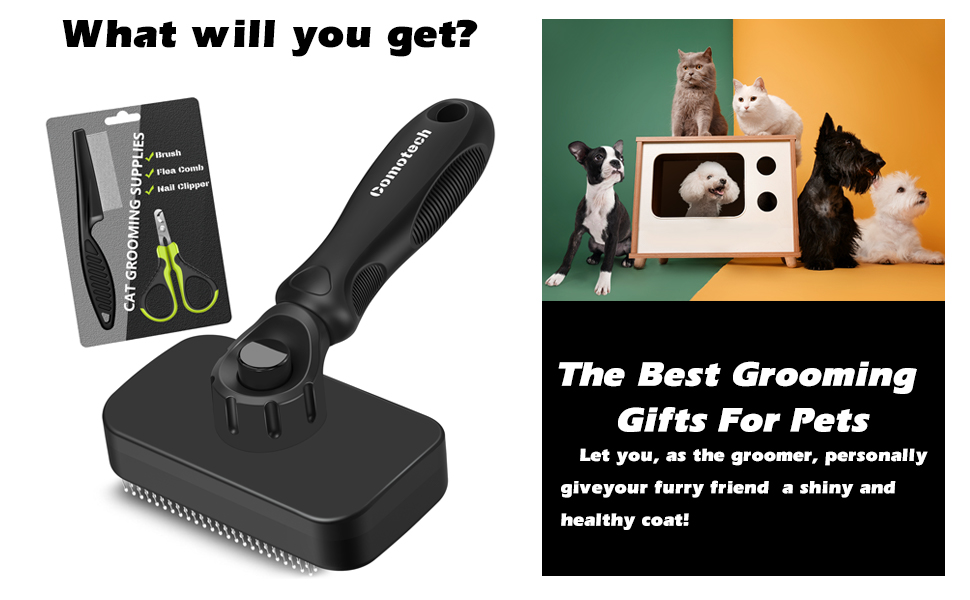
There are several types of cat brushes. Each brush works best for different fur types. Some common brushes include bristle brushes, slicker brushes, and combs. Bristle brushes are gentle and good for short hair. Slicker brushes help remove loose fur and mats. Combs are great for detangling and checking for fleas. Choose a brush based on your cat’s fur and skin needs.
Bristle Vs. Slicker Brushes
Bristle brushes have soft, close-set bristles. They smooth the coat and spread natural oils. These brushes work well on short-haired cats. Slicker brushes have thin, bent wire pins. They remove loose fur and mats from medium to long hair. Use slicker brushes gently to avoid hurting your cat. Both brushes help keep your cat’s coat healthy but serve different grooming tasks.
When To Use Combs
Combs have wider teeth and are perfect for detangling. Use them on long or thick fur to remove knots. Combs also check for fleas and dirt. They work well after brushing with a slicker or bristle brush. Combing helps keep your cat’s fur clean and smooth. Use gentle strokes to avoid pulling your cat’s hair.
Credit: www.amazon.com
Nail Care Essentials
Nail care is a key part of keeping your cat healthy. Proper nail care stops damage to furniture and skin. It also helps your cat feel comfortable.
Having the right tools makes nail care easy and safe. Choose tools that fit your cat’s size and nail shape. Learn how to use them carefully.
Selecting Nail Clippers
Choose clippers made for cats or small pets. They cut nails cleanly without crushing. Avoid using human nail clippers. They can hurt your cat’s nails.
Look for sharp blades and a comfortable grip. This gives you better control. It also keeps your cat calm during trimming.
Using Nail Grinders
Nail grinders smooth nails instead of cutting. They reduce sharp edges that scratch. Grinders work well for cats scared of clippers.
Use a low-speed grinder to avoid noise stress. Hold your cat gently and be patient. Stop if your cat feels upset.
Tips For Safe Trimming
Trim nails in a well-lit area. This helps you see the quick inside the nail. The quick is the pink part with blood vessels.
Cut only the white tip to avoid pain and bleeding. Use gentle pressure and small cuts. Praise your cat after each trim to keep it calm.
Bathing Supplies
Bathing your cat needs the right supplies to make the process smooth and safe. Cats have sensitive skin. Using the correct tools helps protect their coat and skin during bath time. It also makes the experience less stressful for both you and your cat.
Cat-friendly Shampoos
Choose shampoos made specifically for cats. These products are gentle and safe for their skin. Avoid human shampoos or dog shampoos. They can irritate your cat’s skin. Look for shampoos that are free from harsh chemicals and perfumes. Natural ingredients like oatmeal or aloe vera soothe the skin. A good shampoo cleans without drying out the coat.
Bathing Tools And Accessories
Gather tools to help bathe your cat efficiently. A soft washcloth or sponge works well for gentle cleaning. Use a small cup or a sprayer with a gentle flow to rinse off shampoo. Have a non-slip mat in the sink or tub to prevent slipping. Keep towels nearby to dry your cat quickly. These tools help keep your cat calm and safe during the bath.
Drying Techniques
Dry your cat carefully after the bath. Use a soft, absorbent towel to pat the fur dry. Avoid rubbing hard; it may tangle the fur. Some cats tolerate a hairdryer on low, cool settings. Keep the dryer moving and not too close to the skin. Let your cat dry in a warm, draft-free room. Proper drying prevents chills and helps keep your cat comfortable.

Credit: nationalcatgroomers.com
Ear And Eye Care Tools
Keeping your cat’s ears and eyes clean is important for their health. Dirt, wax, and discharge can build up and cause discomfort or infection. Using the right ear and eye care tools helps maintain their hygiene and comfort.
Regular care can prevent many common problems. Gentle cleaning keeps your cat happy and healthy.
Cleaning Solutions
Choose a cleaning solution made for cats. These are safe and gentle on their sensitive skin. Avoid using alcohol or hydrogen peroxide, which can irritate your cat.
Use the solution to soften ear wax and remove dirt from eyes. Always follow product instructions carefully for the best results.
Cotton Pads And Swabs
Cotton pads are soft and perfect for wiping around your cat’s eyes. Use them gently to remove discharge and dirt.
Cotton swabs help clean inside the ears but use them very carefully. Never push swabs deep into the ear canal to avoid injury.
Signs To Watch For
Look for redness, swelling, or bad smell around ears and eyes. These could be signs of infection.
Excessive scratching or shaking of the head can also indicate a problem. If you notice any of these signs, consult your vet promptly.
Flea And Parasite Control
Fleas and parasites cause many problems for cats. They lead to itching, discomfort, and sometimes serious health issues. Keeping your cat free from these pests is important for its happiness and well-being. Using the right grooming tools and treatments helps control fleas and parasites effectively. Knowing what to use and how to use it matters a lot.
Choosing The Right Treatments
Pick treatments made for cats, not dogs or other animals. Look for shampoos, sprays, or spot-on treatments that target fleas and ticks. Check the label for safety instructions. Some products work fast but may need regular application. Consult a vet if unsure about the best choice for your cat.
Combing For Fleas
A flea comb has very fine teeth to catch fleas and eggs. Comb your cat’s fur gently, especially near the neck and tail. Dip the comb in soapy water to kill fleas caught. Combing helps remove fleas and shows if your treatment works. Do this often during flea season or if your cat goes outside.
Preventative Measures
Use flea preventatives year-round to stop infestations. Keep your cat’s bedding clean and wash it weekly. Vacuum floors and furniture regularly to remove flea eggs. Avoid areas where wild animals or stray cats roam. Regular grooming and checks help catch problems early before they grow.
Additional Grooming Accessories
Additional grooming accessories make cat care easier and more effective. They help keep your cat comfortable and looking great. Choosing the right tools can save time and reduce stress for both you and your cat.
Grooming Gloves
Grooming gloves are soft and flexible. They fit your hand like a glove. These gloves remove loose hair gently. They also massage your cat’s skin. Cats often enjoy the feeling. Gloves reach places brushes cannot. They are easy to clean after use.
De-shedding Tools
De-shedding tools remove loose undercoat fur. They reduce shedding around the house. These tools have fine teeth to catch hair. Use them carefully to avoid hurting your cat. Regular use keeps your cat’s coat healthy. They work best on cats with thick fur.
Storage And Maintenance
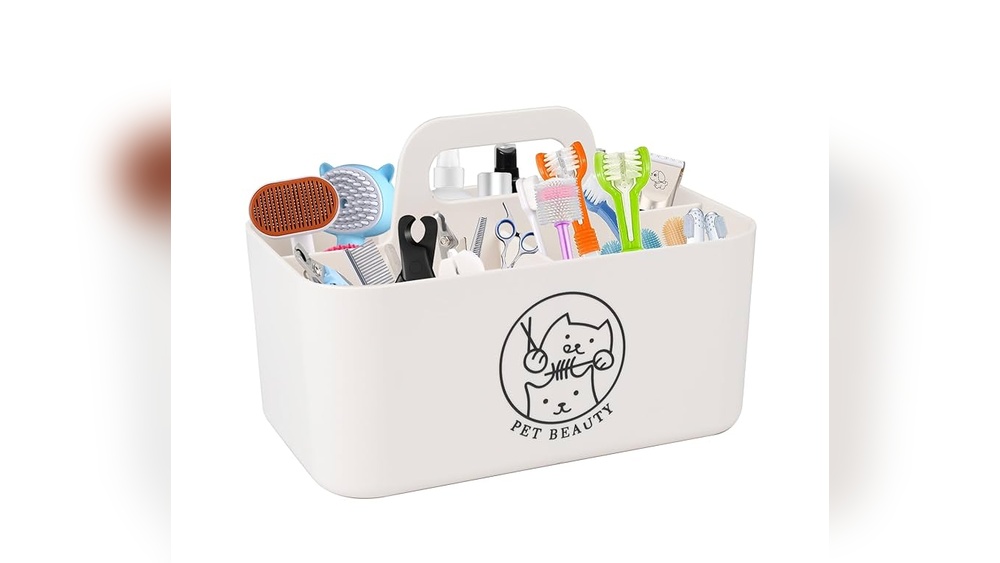
Organize grooming tools in a clean box or bag. Keep them dry to prevent rust and damage. Clean tools after every use to stay hygienic. Replace worn-out items to maintain effectiveness. Proper storage extends the life of your grooming supplies.
Frequently Asked Questions
What Essential Grooming Tools Do Cats Need?
Cats need a slicker brush, comb, nail clippers, and grooming wipes. These tools keep their fur clean, untangled, and nails trimmed. Regular grooming prevents matting and reduces shedding.
How Often Should I Groom My Cat?
Grooming frequency depends on your cat’s coat type. Long-haired cats need daily brushing. Short-haired cats require weekly grooming. Regular sessions improve coat health and bonding.
Can Grooming Reduce Cat Hair Shedding?
Yes, grooming significantly reduces shedding by removing loose fur. Brushing stimulates skin oils and keeps the coat healthy. Frequent grooming helps maintain a cleaner home environment.
What Grooming Products Are Safe For Cats?
Use pet-specific shampoos, brushes, and nail clippers. Avoid human products as they can irritate your cat’s skin. Always choose gentle, hypoallergenic items designed for cats.
Conclusion
Choosing the right cat grooming tools helps keep your pet healthy. Regular brushing reduces hairballs and keeps fur shiny. Nail clippers and ear cleaners prevent common problems. A gentle shampoo makes bath time easier for cats. Simple tools make grooming less stressful for both.
Start with basic items and add as needed. Your cat will feel comfortable and look great. Small steps lead to happy, well-groomed pets every day.