
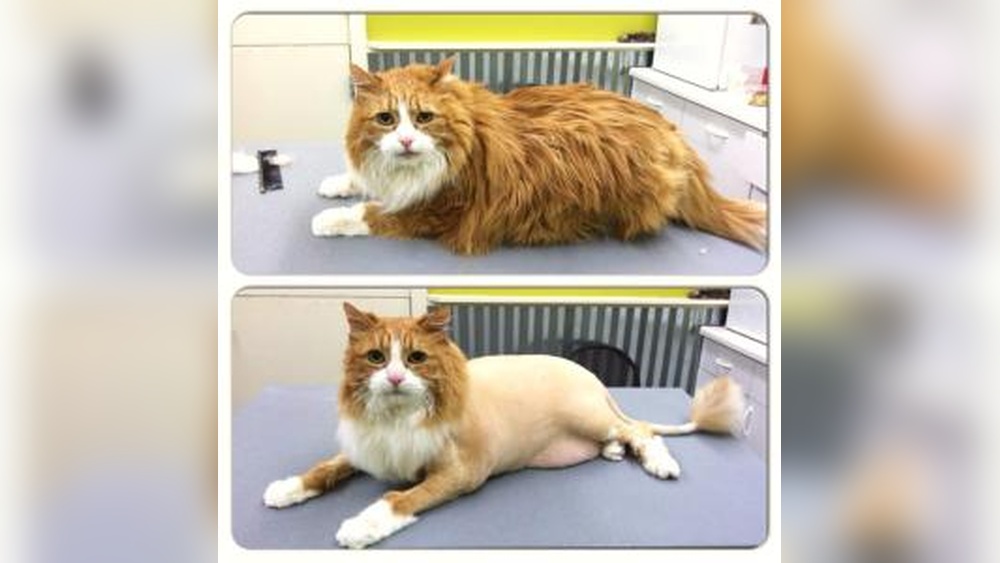
Have you ever wondered why your cat sometimes looks a little scruffy or seems uncomfortable? Grooming is more than just keeping your cat looking neat—it’s essential for their health and happiness.
Whether your furry friend has long, flowing fur or a short, sleek coat, knowing what cats need grooming can make a big difference in their daily life. You’ll discover simple yet powerful grooming tips that will help you keep your cat comfortable, clean, and content.
Keep reading to unlock the secrets to a happier, healthier cat!
Reasons Cats Need Grooming
Cats need regular grooming for many important reasons. Grooming helps keep their coat clean and healthy. It also stops problems before they start. Grooming is not just about looking good. It plays a key role in a cat’s overall health and comfort.
Preventing Matting And Tangles
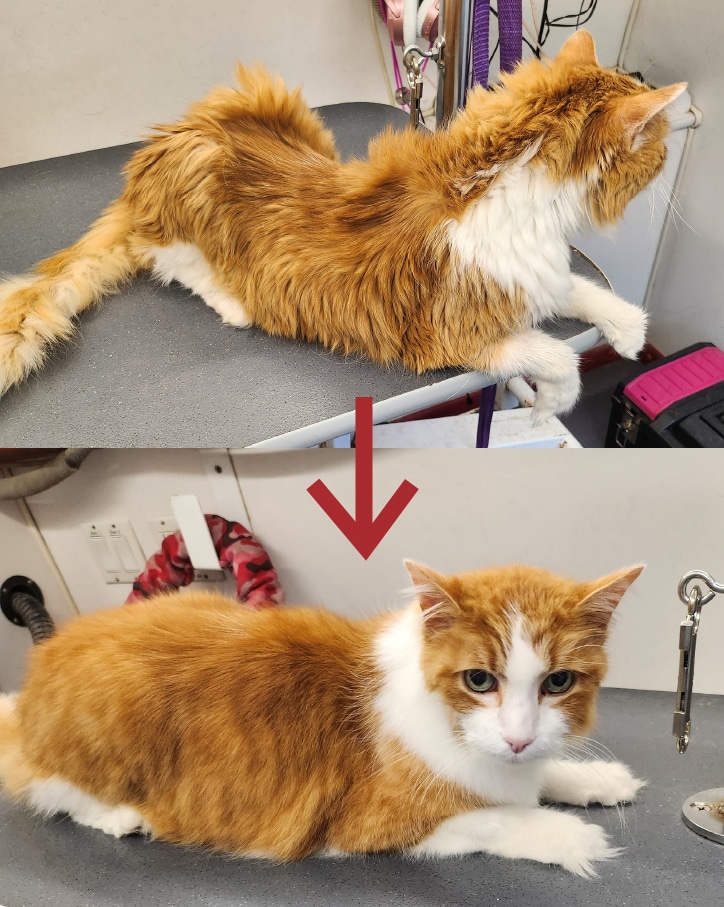
Matting happens when a cat’s fur gets tangled and clumped. It can cause pain and skin issues. Regular brushing stops mats from forming. It keeps the fur smooth and soft. Cats with long hair especially need this care.
Reducing Shedding And Hairballs
Shedding is natural for cats but can be messy. Grooming removes loose fur before it falls off. This lowers the amount of hair around the house. It also cuts down hairballs. Hairballs form when cats swallow loose fur during cleaning.
Maintaining Skin Health
Brushing spreads natural oils across the cat’s skin. This keeps the skin moist and healthy. It also removes dirt and dead skin cells. Grooming helps spot dry or irritated skin early. Healthy skin means a happy cat.
Detecting Parasites Early
Parasites like fleas and ticks hide in a cat’s fur. Regular grooming helps find them quickly. Early detection means faster treatment. It prevents infestations and health issues. Grooming acts like a health check for your cat.
Credit: smoochie-pooch.com
Essential Grooming Tools
Grooming your cat keeps their coat clean and healthy. It also helps you check for skin problems and parasites. Using the right tools makes grooming easier and safer. Here are the essential tools every cat owner should have.
Choosing The Right Brush
Different brushes suit different fur types. Short-haired cats need a soft bristle brush. Long-haired cats need a wide-toothed brush or slicker brush. These remove loose hair and prevent mats. Regular brushing reduces shedding and hairballs.
Using Combs And Nail Clippers
Combs help remove tangles and dirt. Use a fine-toothed comb for delicate areas like the face. Nail clippers keep your cat’s claws short and safe. Choose clippers made for pets. Trim nails carefully to avoid hurting the quick.
Selecting Safe Shampoo And Wipes
Use shampoos made especially for cats. Avoid human shampoos; they can irritate their skin. Cat wipes are great for quick cleanups. They remove dirt without water. Always check ingredients to ensure they are gentle and safe.
Grooming Techniques For Cats
Grooming cats helps keep them healthy and happy. It prevents mats, reduces shedding, and lowers hairballs. Regular grooming also builds trust between you and your cat. Different cats need different grooming methods. Use the right techniques for your cat’s coat and personality. Gentle handling makes grooming less stressful for your cat.
Brushing Tips For Different Coats
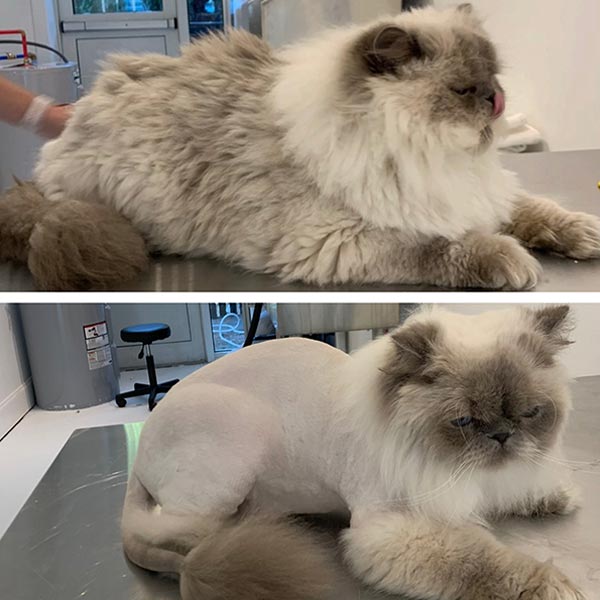
Short-haired cats need brushing once a week. Use a soft-bristle brush to remove loose hair. Long-haired cats require daily brushing to prevent tangles. A wide-toothed comb helps remove mats gently. Pay attention to areas behind ears and under legs. Brush in the direction of hair growth. Brush calmly to keep your cat relaxed.
Bathing Your Cat Safely
Bathing cats is rare but needed sometimes. Use lukewarm water and a cat-safe shampoo. Wet your cat slowly to avoid stress. Avoid the face and ears during bath time. Rinse thoroughly to remove all soap. Dry your cat with a towel, not a hairdryer. Keep your cat warm and calm after the bath.
Nail Trimming Best Practices
Trim your cat’s nails every two to three weeks. Use a sharp cat nail clipper. Hold the paw gently but firmly. Cut only the sharp tip to avoid the quick. Stop if you see pink inside the nail. Reward your cat with a treat after trimming. Trim nails in a quiet, well-lit place.
Cleaning Ears And Eyes
Check your cat’s ears weekly for dirt or wax. Use a damp cotton ball to clean the outer ear. Never insert anything deep into the ear canal. Wipe away discharge from the eyes with a soft cloth. Use a different cloth for each eye. Look for redness or bad smell and contact a vet if needed.
Credit: www.daysmart.com
Grooming Frequency And Routine
Grooming your cat is important for its health and happiness. A regular grooming routine keeps your cat’s coat clean and free from mats. It also helps spot skin problems or parasites early. Understanding how often to groom depends on several factors, including your cat’s age, breed, and lifestyle. A clear schedule makes grooming easier for both you and your cat.
Daily Care
Daily grooming suits cats with long or thick fur. Brushing every day stops tangles and mats from forming. It also reduces shedding around your home. Daily care includes checking your cat’s eyes, ears, and teeth. These small checks prevent issues before they grow worse. Short-haired cats may not need daily brushing but still benefit from a gentle brush now and then.
Weekly Care
Most cats do well with grooming once a week. Weekly brushing removes loose hair and dirt. It keeps the fur shiny and soft. Use a brush that fits your cat’s fur type. Weekly care is a good time to trim nails and clean ears. This routine helps maintain your cat’s overall cleanliness and comfort. It also builds trust and bonding between you and your pet.
Monthly Care
Monthly grooming is for cats with very short hair or those that groom well themselves. It includes a thorough check of skin and coat health. You can bathe your cat if needed, but do not overdo it. Monthly grooming also involves checking for fleas and ticks. This care level suits older cats or those with health problems that limit grooming.
Adjusting Routine By Cat’s Age And Breed
Kittens need gentle grooming to get used to touch. Start with short sessions and increase time slowly. Older cats may need softer brushes and less frequent grooming. Different breeds have different needs. Long-haired breeds like Persians need more frequent brushing. Short-haired cats require less but still need regular care. Tailor the grooming routine to your cat’s unique needs. This keeps your cat happy and healthy through life.
Signs Of Grooming Problems
Cats usually groom themselves well. But sometimes, they may show signs of grooming problems. These signs help you know when your cat needs extra care or a visit to the vet. Watch for changes in their skin, fur, and behavior.
Excessive Scratching Or Licking
Excessive scratching or licking can signal a problem. Cats may do this to relieve itching or pain. It might cause wounds or sores on their skin. Check if your cat scratches more than usual or licks one spot too much.
Skin Irritations And Hair Loss
Redness, bumps, or dry patches on the skin show irritation. Hair loss in small or large areas is also a warning sign. These symptoms may mean allergies, infections, or parasites. Keep an eye on any changes in your cat’s coat or skin.
Behavioral Changes During Grooming
Cats may act differently during grooming if something is wrong. They might become restless, nervous, or aggressive. Some cats refuse to groom or hide from touch. These behaviors suggest discomfort or pain that needs attention.
Credit: luckydawgsalongrooming.com
When To Seek Professional Help
Grooming your cat is important for its health and happiness. Some grooming tasks are easy to do at home. Others need a professional’s help. Knowing when to seek professional help keeps your cat safe and comfortable.
Dealing With Severe Matting
Severe matting can hurt your cat’s skin. Mats pull on the fur and cause pain. Trying to cut mats yourself can cause injury. Professionals have tools and skills to remove mats safely. They can spot skin problems hidden by mats.
Handling Behavioral Challenges
Some cats do not like grooming. They may scratch or bite. Professionals know how to calm nervous cats. They use gentle methods and special equipment. This makes grooming easier and safer for both cat and owner.
Regular Vet Checkups For Coat Health
Coat problems can be signs of illness. Regular vet visits help catch issues early. Vets check for parasites, allergies, and infections. They give advice on the best grooming routine. Healthy skin means a shiny, soft coat.
Frequently Asked Questions
Why Do Cats Need Regular Grooming?
Cats need regular grooming to remove loose fur and prevent mats. It also reduces hairballs and keeps their skin healthy. Grooming supports bonding and helps spot health issues early, ensuring your cat stays clean and comfortable.
How Often Should Cats Be Groomed?
Cats should be groomed at least once a week. Long-haired cats may require daily grooming to prevent tangles. Regular grooming helps maintain their coat, reduces shedding, and promotes overall health.
Can Grooming Improve A Cat’s Health?
Yes, grooming improves a cat’s health by preventing skin infections and reducing hairballs. It stimulates blood circulation and helps detect parasites or injuries early. Grooming keeps your cat comfortable and healthy.
What Tools Are Best For Cat Grooming?
The best grooming tools include a soft-bristle brush, a comb, and nail clippers. For long-haired cats, use a de-matting tool. Choose tools designed for cats to ensure gentle and effective grooming.
Conclusion
Cats need grooming to stay healthy and happy. Regular brushing removes dirt and loose hair. It helps prevent mats and skin problems. Grooming also reduces shedding around your home. It gives you a chance to check for ticks or wounds.
Many cats enjoy gentle brushing; it can calm them. Keep your cat’s coat clean and shiny with simple care. A little time each week makes a big difference. Good grooming supports your cat’s well-being every day.