

Grooming your cat is more than just keeping them clean—it’s a way to strengthen your bond and keep them healthy and happy. But what exactly does grooming a cat consist of?
If you’ve ever wondered how to properly care for your feline friend’s coat, nails, and overall hygiene, you’re in the right place. You’ll discover simple, effective grooming steps that anyone can follow. By the end, you’ll feel confident in giving your cat the care they deserve.
Ready to learn the secrets to a well-groomed, content kitty? Let’s dive in.

Credit: www.amazon.com
Cat Grooming Basics
Grooming a cat is more than just keeping it clean. It helps your cat stay healthy and happy. Regular grooming removes dirt, loose fur, and prevents mats. It also gives you a chance to check for skin problems or parasites. Understanding the basics of cat grooming is important for every cat owner.
Grooming can be a calm and bonding time for you and your cat. It helps your cat feel comfortable and cared for. Knowing what to do and what tools to use makes grooming easier and safer.
Benefits Of Regular Grooming
Regular grooming keeps your cat’s coat shiny and smooth. It reduces shedding and hairballs. Grooming also helps prevent skin infections by removing dirt and dead skin. It allows you to spot fleas or ticks early. Grooming can reduce stress and improve your cat’s mood. It also strengthens the bond between you and your pet.
Tools You Need
A good brush is key for grooming. Choose a brush based on your cat’s fur type. A fine-toothed comb helps with mats and tangles. Nail clippers keep your cat’s claws trimmed and safe. Use soft towels to clean your cat’s face and ears. Have cat-safe shampoo for occasional baths. Keep treats handy to reward your cat during grooming.
Brushing Techniques
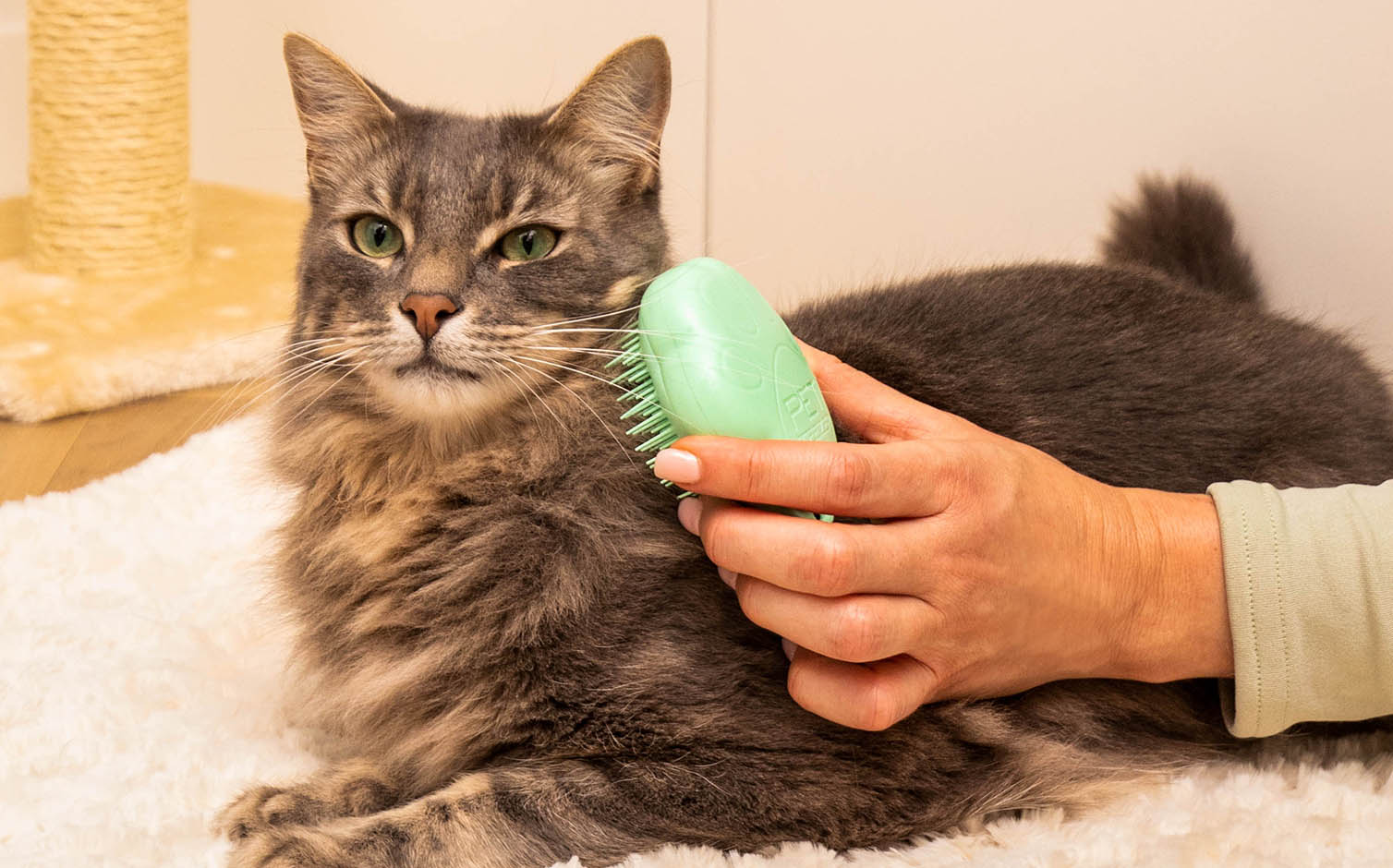
Brushing your cat is a key part of grooming. It helps keep their coat clean and healthy. Brushing removes dirt, loose fur, and prevents hairballs. It also makes your cat feel relaxed. Using the right brushing techniques makes the process easy and pleasant for both of you.
Choosing The Right Brush
Select a brush that fits your cat’s fur type. For short hair, use a soft bristle brush. Long-haired cats need a slicker brush or a comb. A rubber brush works well for sensitive skin. Pick a brush that feels comfortable in your hand. This helps you brush gently and with control.
How Often To Brush
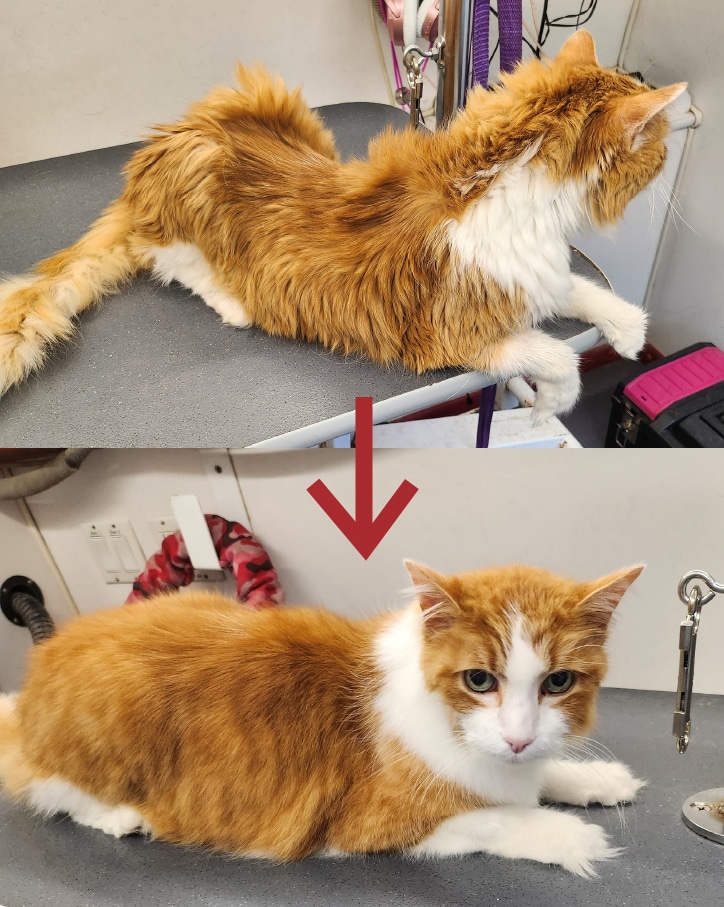
Brush short-haired cats once a week. Long-haired cats need brushing every day. Regular brushing stops mats and tangles from forming. It also spreads natural oils through the fur. This keeps your cat’s coat shiny and soft. Watch your cat’s reaction to find the best routine.
Dealing With Mats And Tangles
Gently work on mats with your fingers first. Use a wide-toothed comb to loosen tangles. Never pull hard; it hurts your cat. Cut mats carefully with blunt scissors if needed. Regular brushing prevents mats from getting worse. Be patient and calm during this process.
Bathing Your Cat
Bathing your cat is an important part of grooming. Cats usually keep themselves clean, but sometimes they need a bath. Bathing helps remove dirt, loose fur, and odors. It also keeps their skin healthy and can prevent some health problems.
Bathing can be stressful for cats, so it needs to be done with care. Preparation and a gentle approach make the process easier for both you and your cat. Knowing when to bathe and how to do it step by step will help.
When To Bathe
Cats usually do not need frequent baths. Bathe your cat if it is very dirty or smells bad. Cats with long fur may need baths more often. If your cat has fleas or skin problems, a bath may help. Always check with a vet before bathing a sick cat.
Step-by-step Bathing Guide
Use warm water, not too hot or cold. Place a rubber mat in the sink or tub to prevent slipping. Gently wet your cat’s fur, avoiding the head. Apply cat-friendly shampoo and lather softly. Rinse all the shampoo out carefully. Keep the water level low to avoid stress. Speak softly to calm your cat during the bath.
Drying Tips
Wrap your cat in a soft towel right after the bath. Pat gently to remove excess water. Use a second dry towel if needed. Some cats tolerate a low-heat hairdryer, but many do not. Let your cat dry in a warm, draft-free room. Avoid cold or windy places to prevent chills.
Credit: smoochie-pooch.com
Nail Care
Caring for your cat’s nails is a key part of grooming. Healthy nails keep your cat comfortable and safe. They also protect your furniture and skin from scratches. Nail care is simple with the right tools and techniques.
Trimming Basics
Use sharp, small nail clippers made for cats. Hold your cat gently but firmly. Press the toe pad to extend the claw. Cut the clear tip only. Avoid the pink part called the quick. It has blood vessels and nerves. Cutting the quick causes pain and bleeding.
Signs Your Cat Needs A Trim
Look for nails curling or growing too long. Nails that click on hard floors also need trimming. Watch for scratching that damages furniture or skin. If your cat’s nails catch on fabrics or carpet, it is time to trim. Regular checks every two weeks help prevent problems.
Safe Nail Cutting Tips
Cut nails in a quiet, well-lit area. Use a towel to wrap a nervous cat. Talk softly to keep your cat calm. Cut small amounts at a time. Stop if your cat pulls away or gets stressed. Keep styptic powder nearby to stop bleeding if needed.
Ear And Eye Cleaning
Cleaning your cat’s ears and eyes is a vital part of grooming. Dirt and debris can build up quickly in these sensitive areas. This buildup can cause discomfort and lead to infections. Regular checks and cleaning keep your cat healthy and happy. It also helps you notice any early signs of problems.
Spotting Infections
Look for redness, swelling, or unusual discharge in ears and eyes. A bad smell from the ears is a warning sign. Squinting or rubbing the eyes shows irritation. Your cat may shake its head or scratch ears often. These signs need quick attention to prevent serious issues.
Cleaning Methods
Use a soft cloth or cotton ball to clean your cat’s ears and eyes. Gently wipe away dirt and discharge. Avoid pushing anything deep into the ear canal. For eyes, wipe from the inside corner outward. Keep movements slow and calm to avoid stress.
Products To Use
Choose products made specifically for cats. Use ear cleaning solutions recommended by vets. Avoid harsh chemicals or human products. For eyes, use sterile saline wipes or drops made for pets. Always check product labels for safety information.
Dental Hygiene
Dental hygiene is a key part of grooming a cat. Healthy teeth help your cat eat well and stay comfortable. Poor dental care can cause pain and infections. It affects your cat’s overall health. Regular attention to teeth keeps your pet happy and active.
Importance Of Teeth Care
Cats need clean teeth to avoid plaque buildup. Plaque turns into tartar and leads to gum disease. This can cause bad breath and tooth loss. Pain from dental problems can stop cats from eating. Healthy teeth support strong jaws and good nutrition. Early care prevents costly vet visits later.
Brushing Tips
Use a soft-bristled toothbrush made for cats. Start slowly to help your cat get used to brushing. Brush gently in small circles on all teeth. Aim for two to three times per week. Use pet-safe toothpaste only. Never use human toothpaste; it can harm cats. Reward your cat with praise or treats after brushing.
Alternative Dental Products
Dental wipes can clean teeth if brushing is hard. Dental gels and sprays help reduce plaque buildup. Special dental diets support oral health by reducing tartar. Chew toys designed for teeth cleaning help remove debris. Regular use of these products aids in maintaining fresh breath. Check with your vet for the best options.
Creating A Grooming Routine
Creating a grooming routine for your cat helps keep them clean and healthy. Regular grooming also builds trust between you and your pet. A good routine makes grooming easier and less stressful for both of you. It is important to find a rhythm that fits your cat’s needs and your schedule.
Setting A Schedule
Choose specific days and times for grooming your cat. Consistency helps your cat get used to the process. Short sessions work best, especially at the start. Start with brushing and add other tasks slowly. Adjust the schedule based on your cat’s coat type and behavior.
Making Grooming Stress-free
Pick a quiet and comfortable place for grooming. Use gentle movements and calm tones to relax your cat. Give treats or praise to create positive feelings. Take breaks if your cat seems tired or upset. Keep grooming tools nearby to avoid interruptions.
Handling Uncooperative Cats
Stay patient and calm if your cat resists grooming. Try wrapping them gently in a towel for safety. Use soft, slow strokes to reduce fear. If needed, ask for help from another person. Never force your cat; try again later with a gentler approach.
Signs Of Health Issues During Grooming
Grooming a cat is more than just keeping fur clean. It helps spot health problems early. While brushing or bathing, watch your cat closely. Small changes can mean big health issues. Catch these signs early to keep your cat healthy and happy.
Skin Problems To Watch
Look for redness, bumps, or scabs on your cat’s skin. Dry or flaky patches may appear. Hair loss in spots is a warning sign. Check for swelling or wounds that do not heal. These may signal infections or allergies. Parasites like fleas cause itching and irritation.
Behavioral Changes
Notice if your cat acts differently during grooming. Sudden aggression or fear can mean pain. Excessive licking or scratching shows discomfort. A cat that hides or avoids touch needs attention. Changes in appetite or energy also matter. These shifts often link to health problems.
When To Consult A Vet
Visit the vet if you see open sores or lumps. Persistent itching or hair loss requires professional care. Sudden behavioral changes need medical advice. Any skin problem that worsens or lasts long is serious. Early vet visits prevent bigger health issues later.
Credit: tangleteezer.com
Frequently Asked Questions
What Are The Main Steps In Grooming A Cat?
Grooming a cat includes brushing fur, trimming nails, cleaning ears, and checking eyes. Regular grooming prevents mats and reduces shedding. It also helps monitor your cat’s health and strengthens your bond.
How Often Should You Groom Your Cat?
Cats with short fur need grooming once a week. Long-haired cats require daily brushing to avoid mats. Regular grooming keeps your cat clean, healthy, and comfortable.
Can Grooming Improve A Cat’s Health?
Yes, grooming removes dirt, loose fur, and prevents skin issues. It helps detect parasites, infections, or lumps early. Grooming promotes better circulation and reduces hairballs.
What Tools Are Needed For Cat Grooming?
Essential tools include a soft-bristle brush, nail clippers, ear cleaner, and a comb. Choose tools suited to your cat’s fur type. Proper tools make grooming safe and effective.
Conclusion
Grooming a cat keeps them healthy and happy. It includes brushing fur, cleaning ears, and trimming nails. Regular care prevents mats and skin problems. Cats enjoy gentle handling and feel calm afterward. Taking time daily builds trust and strengthens your bond.
Remember, patience makes grooming easier for both of you. Simple steps help your cat look and feel great. Good grooming is part of loving your pet well.