
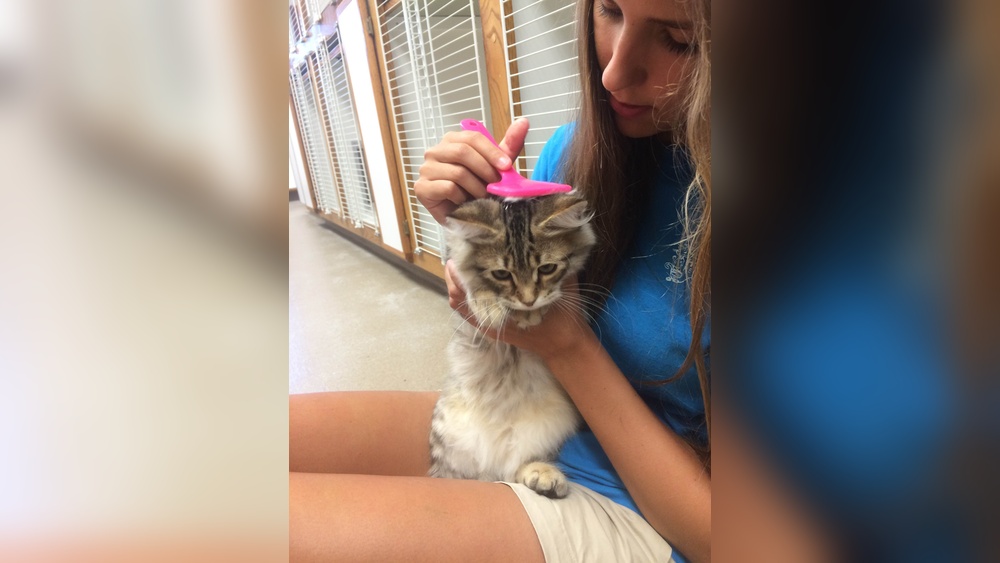
Grooming your cat is more than just keeping them looking good—it’s about their health and happiness too. But what exactly do you need to groom your cat the right way?
Whether your furry friend has short hair or a fluffy coat, having the right tools makes all the difference. You’ll discover the essential grooming items that will keep your cat comfortable and looking their best. Ready to make grooming easy and stress-free for both you and your cat?
Let’s dive in!
Choosing The Right Brush
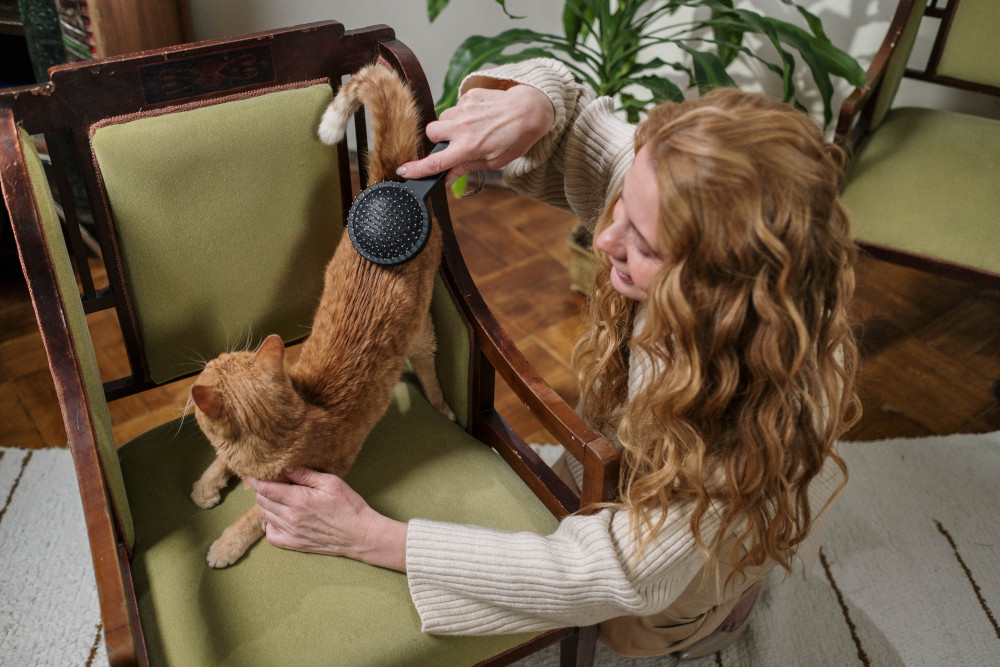
Choosing the right brush is key to keeping your cat’s coat healthy. Different brushes suit different fur types. Picking the correct one makes grooming easier and more effective. It helps remove dirt, loose hair, and prevents matting.
Bristle Brushes For Short Hair
Bristle brushes work well on short-haired cats. They smooth the coat and remove loose fur. These brushes have soft or firm bristles that gently massage the skin. They help spread natural oils, making the fur shiny.
Slicker Brushes For Tangles
Slicker brushes are perfect for cats with medium to long hair. They remove tangles and mats without hurting the cat. The fine, short wires reach deep into the fur. These brushes also help remove dirt and loose hair easily.
Deshedding Tools For Shedding Control
Deshedding tools reduce shedding by removing loose undercoat fur. They work best during heavy shedding seasons. These tools reach beneath the top coat to pull out dead hair. Using them lowers the amount of fur on furniture and clothes.
Credit: www.aspca.org
Nail Care Essentials
Keeping your cat’s nails trimmed is important for their health and comfort. Nail care prevents scratches and stops nails from growing too long. Regular trimming helps avoid pain and damage to furniture. Learn the basics of nail care to keep your cat happy and safe.
Types Of Nail Clippers
There are several types of clippers for cat nails. Guillotine clippers have a hole where you place the nail. The blade slices the nail when you squeeze the handle. Scissor clippers look like small scissors with sharp blades. They are easy to use and give good control. Nail scissors are small, sharp, and work well for tiny nails. Choose clippers that feel comfortable and fit your cat’s nail size.
How To Trim Safely
Hold your cat’s paw gently but firmly. Look for the pink part inside the nail called the quick. Avoid cutting the quick; it hurts and causes bleeding. Trim only the sharp tip of the nail. Cut small amounts at a time. Stop if your cat becomes scared or restless. Use a styptic powder to stop bleeding if you cut the quick. Reward your cat with treats to make nail care pleasant.
Using Nail Grinders
Nail grinders are electric tools that file down nails. They are quieter and smoother than clippers. Grinders reduce the chance of cutting the quick. Move the grinder slowly over the nail tip. Let your cat get used to the sound before starting. Always hold the paw steady to avoid slips. Grinders work well for cats afraid of clippers. Clean the grinder after each use to keep it safe.
Bathing Supplies
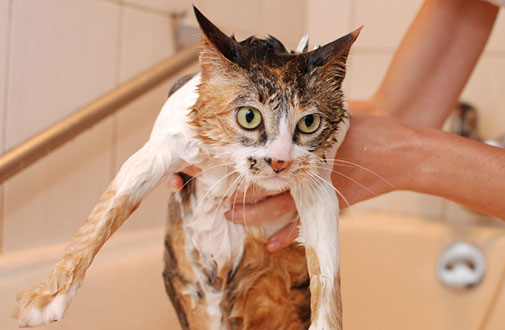
Bathing your cat needs the right supplies to keep the process smooth and safe. Cats can be sensitive to water and smells. Using gentle products and soft tools helps your cat stay calm. Preparing towels and drying options is important too. Knowing the right time to bathe your cat makes the experience better for both of you.
Cat-friendly Shampoos
Choose shampoos made just for cats. Human shampoos can hurt their skin and eyes. Look for gentle formulas without harsh chemicals. Shampoos with natural ingredients are best. They clean well and do not dry the skin. Avoid strong scents that may stress your cat.
Towels And Drying Options
Soft towels help dry your cat quickly and gently. Use large towels to wrap your cat after the bath. Have several towels ready in case one gets too wet. A pet-safe blow dryer on low heat can help. Keep the dryer far from the cat’s skin to avoid burns.
When To Bathe Your Cat
Bathing cats is not needed often. Only bathe your cat when really dirty or smelly. Cats with long hair may need baths more. Also bathe if your cat has fleas or skin problems. Choose a quiet time when your cat feels calm. A quick bath means less stress for your pet.
Credit: kb.rspca.org.au
Ear And Eye Care
Caring for your cat’s ears and eyes is important for their health. Dirt and wax can build up and cause discomfort. Keeping these areas clean helps prevent infections and keeps your cat happy. Regular checks and gentle cleaning are key. Learn what you need for ear and eye care.
Cleaning Solutions
Use special cleaning solutions made for cats. Avoid human products as they can harm your pet. These solutions remove dirt and wax safely. Choose ones with natural ingredients. Always follow the instructions on the label. Never put water or alcohol directly in the ears or eyes.
Tools For Gentle Cleaning
Soft cotton balls or pads work best for cleaning. Use a clean one for each ear or eye. Avoid cotton swabs, which can damage delicate parts. A damp cloth can help remove debris around the eyes. Be gentle and calm to avoid stressing your cat. Clean tools regularly to keep them hygienic.
Signs Of Infection
Watch for redness, swelling, or discharge in ears or eyes. Your cat may scratch or shake their head often. Foul smell or constant rubbing are warning signs. If you see these, visit a vet quickly. Early treatment prevents serious problems and pain.
Additional Grooming Tools
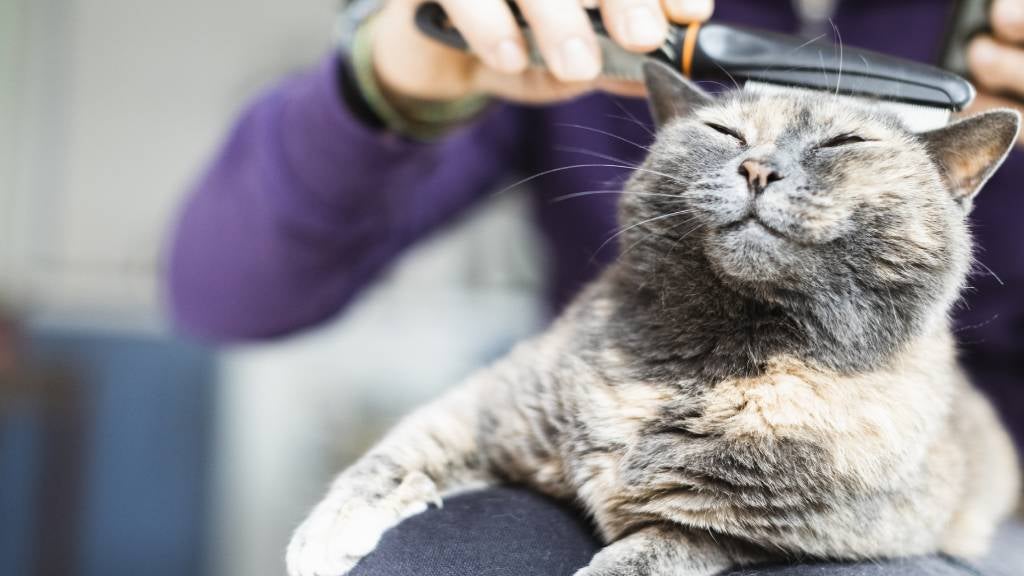
Grooming your cat goes beyond just brushing. Some extra tools help keep your cat clean and healthy. These tools target specific needs like fleas, loose hair, and hairballs. They make grooming easier and more effective.
Flea Combs And Treatments
Fleas cause itching and discomfort for cats. Flea combs have fine teeth to catch fleas and eggs. Use them regularly to remove pests from fur. Flea treatments include shampoos and topical solutions. They kill fleas and prevent future infestations.
Grooming Gloves
Grooming gloves fit over your hand like a mitten. They have soft rubber tips to remove loose hair gently. Gloves are perfect for cats that dislike brushes. They also massage your cat, making grooming pleasant. Use gloves during petting for easy hair removal.
Hairball Control Products
Hairballs form when cats swallow fur while grooming. Hairball control products reduce this problem. These include special treats, supplements, and diets. They help your cat pass hairballs safely. Use these products to keep your cat comfortable and healthy.
Credit: www.rspcapetinsurance.org.au
Setting Up A Grooming Routine
Setting up a grooming routine for your cat helps keep them healthy and happy. It also makes grooming easier for both of you. Regular care can prevent mats, hairballs, and skin problems. Cats enjoy gentle, calm handling during grooming. Consistency builds trust and makes the process smooth over time.
Frequency Of Grooming
Short-haired cats need grooming once a week. Long-haired cats require brushing every day. Older or sick cats might need more frequent care. Watch your cat’s coat and skin for changes. Adjust the grooming schedule to fit your cat’s needs.
Creating A Calm Environment
Choose a quiet, comfortable spot for grooming. Avoid loud noises and bright lights. Use soft voices and slow movements. Let your cat explore the grooming tools first. Keep sessions short at the beginning. Gradually increase time as your cat relaxes.
Rewarding Your Cat
Give treats or praise after grooming. Use small, healthy snacks your cat likes. Pet and cuddle them to show love. Rewards help your cat enjoy grooming time. Positive feelings make grooming a good habit.
Frequently Asked Questions
What Essential Tools Do I Need To Groom My Cat?
You need a slicker brush, comb, nail clippers, and cat-friendly shampoo. These tools keep your cat clean, healthy, and comfortable. Regular grooming prevents matting and reduces shedding. Using the right tools ensures safe and effective care for your cat’s coat and skin.
How Often Should I Groom My Cat?
Grooming frequency depends on your cat’s fur type. Long-haired cats need daily brushing, while short-haired cats require weekly grooming. Regular grooming helps prevent hairballs and skin issues. Adjust the routine based on your cat’s comfort and coat condition for the best results.
Can I Use Human Shampoo To Groom My Cat?
No, never use human shampoo on cats. Cats have sensitive skin and different pH levels than humans. Use only shampoos formulated specifically for cats to avoid irritation and allergic reactions. Proper cat shampoo keeps their coat clean and healthy safely.
How Do I Safely Trim My Cat’s Nails?
Use cat-specific nail clippers and trim only the sharp tips. Avoid cutting the quick, which is sensitive and painful. Hold your cat gently and trim in a well-lit area. Regular nail trims prevent damage to furniture and reduce scratching injuries.
Conclusion
Grooming your cat helps keep it healthy and happy. Use the right tools like brushes, combs, and nail clippers. Regular grooming reduces hairballs and skin problems. It also strengthens the bond between you and your pet. Start slowly and be gentle to make grooming stress-free.
With patience and care, your cat will enjoy the routine. Remember, good grooming means a cleaner, more comfortable cat. Keep your cat’s coat shiny and skin healthy with simple daily care. Small efforts bring big rewards for your furry friend.