
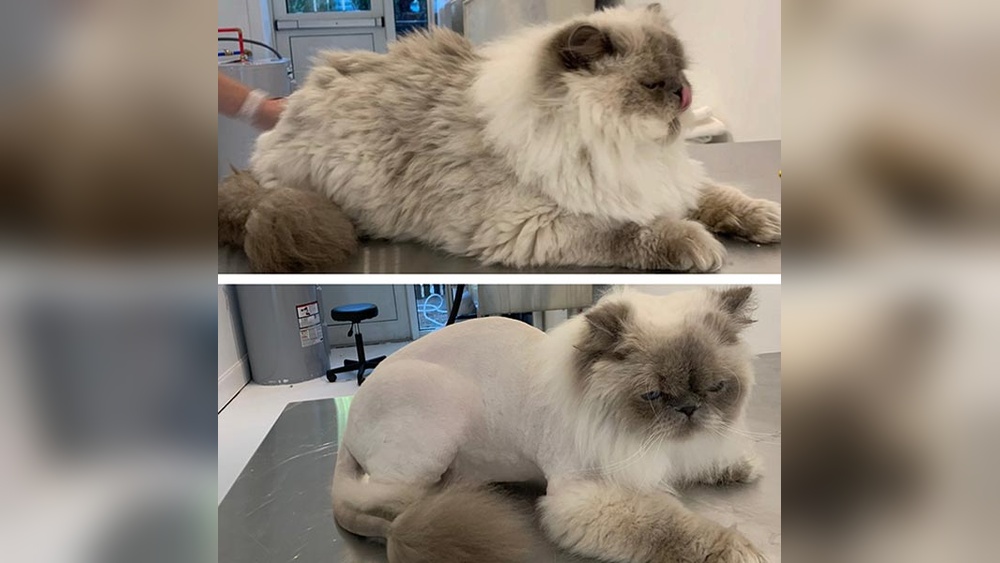
Have you ever wondered what exactly happens when someone grooms your cat? It’s more than just a quick brush or a bath.
Grooming is a careful process that keeps your furry friend healthy, comfortable, and happy. Whether your cat has long, silky fur or a short, sleek coat, understanding what groomers do can help you take better care of your pet. Keep reading, and you’ll discover the simple but important steps involved in cat grooming—and why they matter to your cat’s well-being.
Preparing For Grooming
Preparing for grooming a cat is an important first step. It helps make the experience smooth and safe. Cats can be nervous or restless during grooming. Getting ready can calm them and prevent problems.
Gathering Supplies
Start by collecting all needed tools. Use a brush or comb made for cats. Have nail clippers, grooming wipes, and a towel nearby. Keep treats ready to reward your cat. Having supplies close saves time and stress.
Choosing A Calm Environment
Pick a quiet room with little noise. Avoid busy or loud spaces. Soft lighting helps cats feel relaxed. A familiar place reduces anxiety. Sit on the floor or a low surface. This makes your cat feel safer during grooming.
Assessing The Cat’s Mood
Watch your cat’s behavior before grooming. Look for signs of calmness or stress. If your cat is restless, wait a bit. Speak softly and pet gently to soothe them. Only start grooming when the cat feels ready.

Credit: www.reddit.com
Brushing Techniques
Brushing a cat is a key part of grooming. It keeps their coat clean and healthy. Good brushing stops mats and reduces shedding. Cats also enjoy gentle brushing. It helps them feel calm and cared for. Learning the right brushing techniques makes grooming easy and safe.
Selecting The Right Brush
Choose a brush fit for your cat’s fur type. Short-haired cats need a soft bristle brush. Long-haired cats do best with a slicker brush. Some cats like rubber brushes for gentle strokes. Check the brush size. It should fit your hand well. Using the right brush makes brushing more effective.
Removing Tangles And Mats
Start by feeling for tangles or mats. Use your fingers to loosen small knots. For bigger mats, use a wide-tooth comb. Work gently to avoid hurting your cat. Hold the fur close to the skin while combing. This reduces pulling and discomfort. Regular brushing prevents mats from forming.
Brushing Direction And Frequency
Brush in the direction of hair growth. This keeps the coat smooth and shiny. Use slow, gentle strokes. Avoid rushing to keep your cat calm. Brush your cat at least twice a week. More often for long-haired cats. Consistent brushing improves coat health and reduces hairballs.
Bathing The Cat
Bathing a cat is part of grooming that many cats do not enjoy. It helps keep their fur clean and free from dirt and oils. A proper bath also supports healthy skin and reduces shedding. Bathing needs care and patience to make it less stressful for the cat.
When To Bathe
Most cats do not need frequent baths. Cats clean themselves well with their tongues. Baths are necessary if the cat gets very dirty or sticky. Sometimes, skin problems or flea treatments require a bath. Choose a calm time when the cat is relaxed.
Using Cat-friendly Shampoo
Always use shampoo made for cats. Human shampoos can harm a cat’s skin. Cat shampoos are gentle and safe. Use only a small amount to avoid irritation. Rinse well to remove all shampoo from the fur.
Drying Methods
After a bath, drying is important to keep the cat warm. Use a soft towel to pat the fur dry. Avoid rubbing hard, which can irritate the skin. Some cats accept a low heat hairdryer, but keep it far away. Let the cat rest in a warm room until fully dry.

Credit: www.youtube.com
Cleaning Ears And Eyes
Cleaning a cat’s ears and eyes is an important part of grooming. These areas can collect dirt, wax, and other debris. Regular cleaning helps keep your cat comfortable and healthy. It also prevents infections and other problems.
Safe Ear Cleaning
Start by checking your cat’s ears. Look for dirt, wax, or redness. Use a soft cloth or cotton ball. Moisten it with a vet-approved ear cleaner. Gently wipe inside the ear flap. Avoid going deep into the ear canal. Never use cotton swabs. They can hurt your cat or push dirt deeper. If you see a lot of wax or smell a bad odor, visit the vet. They can check for infections.
Removing Tear Stains
Tear stains can build up under a cat’s eyes. Use a damp, soft cloth to wipe them away. Clean from the inner corner outward. Do this gently to avoid hurting your cat. Use warm water or a special eye wipe made for cats. Avoid harsh chemicals or soaps. Clean the area regularly to stop stains from returning. If stains are heavy or the eyes look irritated, ask a vet for advice.
Trimming Nails
Trimming a cat’s nails is an important part of grooming. It helps keep the cat comfortable and protects your furniture. Cats use their nails for climbing and scratching. But long nails can cause pain or injury. Regular trimming keeps their nails at a healthy length.
This task needs care and patience. A calm cat and the right tools make the process easier. Knowing how to cut nails properly avoids hurting the cat. Handling a cat that does not like nail trims requires gentle techniques.
Tools Needed
Use a pair of sharp nail clippers made for cats. Human nail scissors are not suitable. A good nail clipper cuts cleanly without crushing the nail. Have styptic powder or cornstarch ready. These stop bleeding if you cut too deep. A towel can help hold the cat safely.
Proper Nail Cutting Technique
Hold the cat’s paw gently but firmly. Press on the toe to extend the nail. Cut only the sharp tip. Avoid the pink part called the quick. The quick contains nerves and blood vessels. Cutting it causes pain and bleeding. Trim small bits at a time. Stop if the cat shows discomfort.
Handling Resistance
Some cats dislike nail trimming. Stay calm and speak softly. Offer treats before and after trimming. Try trimming one or two nails at once. Take breaks if the cat gets stressed. Wrapping the cat in a towel can help. If needed, ask a vet or groomer for help.
Dental Care
Dental care is a key part of grooming a cat. Healthy teeth and gums help cats eat well and stay comfortable. Poor dental health can cause pain and other health problems.
Regular cleaning of a cat’s teeth keeps plaque and tartar away. This prevents bad breath and gum disease. Many cat owners include dental care in their grooming routine to keep their pets happy.
Brushing Cat Teeth
Brushing a cat’s teeth is the best way to clean them. Use a soft toothbrush made for cats. A small amount of cat-safe toothpaste works well. Human toothpaste is not safe for cats.
Start slowly. Let your cat get used to the brush and taste. Brush gently in circles, focusing on the outside of the teeth. Try to brush daily for best results.
Alternative Dental Options
Some cats do not like brushing. Other options help with dental care. Dental treats and special diets reduce plaque buildup. Chew toys also help clean teeth naturally.
Regular vet check-ups are important. Vets can do professional cleanings if needed. These options support healthy teeth and gums without daily brushing.
Final Touches
After grooming your cat, the final touches are important. This step ensures your cat is clean and comfortable. It also helps you spot any problems early. These small checks and rewards make grooming a positive experience for your pet.
Checking For Skin Issues
Look closely at your cat’s skin. Check for redness, bumps, or dry patches. These signs may show irritation or infection. Feel for any lumps or unusual spots. Early detection can prevent serious health problems. A gentle touch helps your cat stay calm during this step.
Rewarding Your Cat
Give your cat a treat after grooming. Praise them with soft words and petting. This helps your cat enjoy grooming more. Rewards build trust and make future sessions easier. A happy cat is more likely to sit still next time.
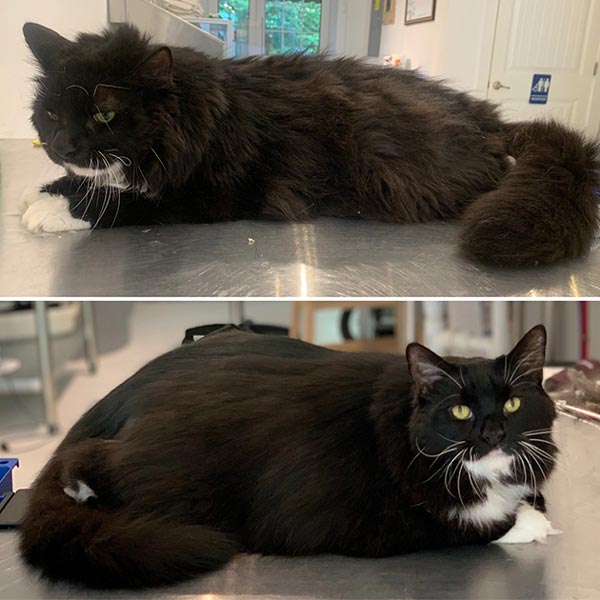
Credit: www.daysmart.com
Frequently Asked Questions
What Are The Main Steps In Grooming A Cat?
Grooming a cat involves brushing to remove loose fur, cleaning ears, trimming nails, and checking for skin issues. Regular grooming keeps cats healthy and reduces shedding.
How Often Should Cats Be Groomed?
Cats should be groomed at least once a week. Long-haired cats may need daily grooming to prevent mats and tangles. Consistency improves coat health and comfort.
Why Is Brushing Important In Cat Grooming?
Brushing removes dirt, loose fur, and prevents hairballs. It stimulates skin oils, promoting a shiny coat. Brushing also helps detect parasites or skin problems early.
Can Grooming Reduce Cat Shedding?
Yes, grooming reduces shedding by removing loose fur before it falls. Regular brushing minimizes hair around the home and helps keep your cat comfortable.
Conclusion
Grooming a cat helps keep their coat clean and healthy. It removes dirt, loose hair, and prevents mats. Regular brushing also reduces shedding and hairballs. Cats enjoy gentle strokes and feel relaxed during grooming. It strengthens the bond between you and your pet.
Watching your cat’s comfort shows you care. Small steps lead to a happier, healthier cat. Keep grooming simple and consistent for best results. Your cat will thank you with purrs and affection.