
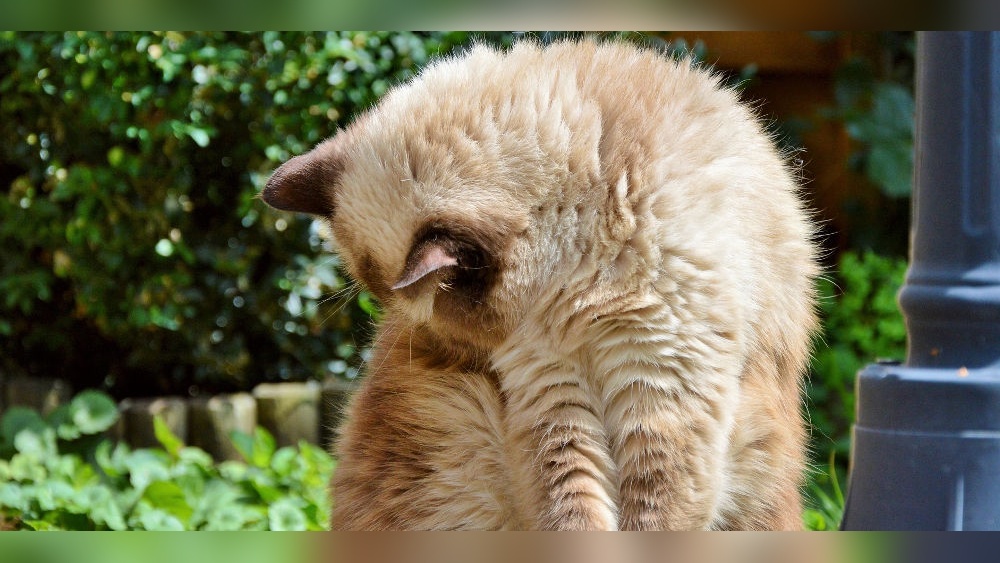
Have you noticed your cat suddenly stopping their usual grooming routine? If your furry friend isn’t cleaning themselves like before, it’s more than just a quirky change—it could be a sign that something is wrong.
Your cat relies on grooming not only to stay clean but also to feel comfortable and healthy. When they stop, it’s a silent message that you shouldn’t ignore. Keep reading to discover what it really means when cats stop grooming themselves and what you can do to help your beloved pet feel their best again.
Signs Of Grooming Changes
Cats are usually very clean animals. Grooming is a daily habit for them. Changes in grooming habits can signal health problems. Watching for signs of grooming changes helps you catch issues early.
These signs show that your cat may not be grooming as before. Knowing them helps you understand your cat better.
Reduced Cleaning Frequency
Cats normally clean themselves many times a day. If your cat stops grooming often, it can be a warning sign. Less cleaning may mean pain, illness, or stress. Notice if your cat spends less time licking its fur.
Visible Dirt And Matting
Look for dirt or debris on your cat’s coat. Healthy cats remove dirt quickly. If you see dirt staying on the fur, grooming might be lacking. Mats or clumps of fur often appear when cats stop grooming well.
Unkempt Fur Appearance
Fur should look smooth and neat. Rough, dull, or messy fur shows poor grooming. Your cat’s coat may lose its shine and feel sticky. This can indicate health problems or discomfort.
Common Causes
Cats usually groom themselves to stay clean and healthy. When they stop, it signals a problem. Many reasons can cause this change. Understanding these common causes helps in caring for your cat better.
Health Issues
Illness can make grooming hard for cats. Skin infections or allergies irritate their skin. Parasites like fleas cause discomfort. These problems make cats avoid cleaning themselves. Detecting health issues early is important.
Pain And Discomfort
Injuries or arthritis cause pain during grooming. Cats may stop grooming to avoid hurting themselves. Pain in their mouth or teeth also affects grooming. Checking for signs of pain can help find the cause.
Stress And Anxiety
Stress can stop cats from grooming. Changes in the home or loud noises can scare them. Anxiety makes cats feel uneasy and less likely to clean. Creating a calm space helps reduce stress.
Age-related Factors
Older cats may groom less often. Their joints may be stiff and sore. Vision or memory loss can confuse them. Age makes grooming harder, so they need extra care.
Health Conditions Linked To Grooming
Cats usually keep themselves clean by grooming every day. When they stop grooming, it can signal health problems. Grooming is important for their skin, fur, and overall health. Changes in grooming habits often mean something is wrong inside their body.
Skin Infections
Skin infections can make grooming painful or uncomfortable for cats. Bacteria, fungi, or parasites cause these infections. Cats with skin problems may have redness, sores, or hair loss. These symptoms stop them from cleaning themselves properly. Untreated skin infections can worsen and cause more pain.
Dental Problems
Pain in the mouth can stop cats from grooming. Tooth decay, gum disease, or broken teeth cause this pain. Cats with dental issues may eat less and groom less. Their face may look swollen or they might drool. Dental care is important to keep grooming habits normal.
Arthritis And Mobility Issues
Arthritis makes joints stiff and painful. Older cats often suffer from this condition. Cats with arthritis find it hard to reach parts of their body. Grooming becomes difficult and less frequent. Mobility problems can also come from injuries or other diseases.
Internal Illnesses
Some internal diseases can reduce a cat’s energy. Kidney disease, diabetes, or thyroid problems are common examples. Sick cats may feel weak or tired all the time. They stop grooming because they lack the strength or interest. Early check-ups can help catch these illnesses early.
:strip_icc()/understanding-cat-grooming-553960_FINAL-c1db78344e2b4499b48b4302b52b0870.jpg)
Credit: www.thesprucepets.com
Behavioral And Environmental Triggers
Cats are very sensitive to changes around them. Their grooming habits can change because of what happens in their daily life. Behavioral and environmental triggers often cause cats to stop grooming themselves. Understanding these triggers helps to support your cat’s health and happiness.
Changes In Routine
Cats like having a regular schedule. Sudden changes can stress them out. Moving furniture, new feeding times, or different playtimes can confuse cats. This stress may cause them to stop grooming. Keeping a steady routine helps cats feel safe and calm.
New Pets Or Family Members
Introducing a new pet or person can disrupt a cat’s world. Cats may feel threatened or anxious. They might focus on watching the newcomer instead of grooming. This behavior shows they are uneasy. Giving your cat time to adjust is important.
Lack Of Mental Stimulation
Cats need mental activity to stay happy. Boredom can lead to unusual behaviors, like not grooming. Without toys or play, cats can feel lonely or sad. Providing puzzles and interactive toys keeps their mind active. An engaged cat grooms more regularly.
When To Seek Veterinary Help
When cats stop grooming themselves, it may signal health problems. Knowing when to seek veterinary help is very important. Early action can prevent serious issues and help your cat feel better quickly.
Urgent Symptoms To Watch For
Look for sudden changes in grooming habits. Notice if your cat’s coat becomes dirty or matted. Check for wounds, swelling, or bald patches. Watch for signs of pain or discomfort. Loss of appetite or vomiting also needs attention. Difficulty walking or breathing is a serious sign. These symptoms require immediate veterinary care.
Diagnostic Tests
The vet will ask about your cat’s behavior and health history. They may perform a physical exam. Blood tests help check for infections or organ problems. Skin scrapings find parasites or infections. X-rays or ultrasounds reveal internal issues. Sometimes, the vet needs to do a biopsy. These tests help find the exact cause of grooming problems.
Treatment Options
Treatment depends on the diagnosis. Parasite infections need special shampoos or medications. Skin infections may require antibiotics or antifungal drugs. Pain or arthritis can be treated with painkillers. Stress-related grooming problems may need behavior therapy. In some cases, surgery is necessary. Follow the vet’s advice closely for best results.

Credit: www.sandiaanimalclinic.com
Supporting Your Cat At Home
Supporting your cat at home is vital when they stop grooming themselves. Cats rely on grooming to stay clean and healthy. When this behavior changes, your help becomes important. You can make a big difference with simple steps. These steps improve your cat’s comfort and well-being.
Grooming Assistance Techniques
Gently brushing your cat can replace some grooming needs. Use a soft brush made for cats. Brush slowly to avoid stress or discomfort. Wipe dirty or matted fur with a damp cloth. Check their skin for wounds or irritation. Bathing is rarely needed but can help if dirty. Always use cat-safe shampoo and warm water. Be patient and calm during grooming sessions.
Creating A Stress-free Environment
Stress can cause cats to stop grooming. Create a quiet space free from noise and chaos. Give your cat a cozy bed or hiding spot. Keep their litter box clean and in a calm area. Play softly to distract and relax them. Avoid sudden changes in their routine. Spending quiet time together builds trust and calmness.
Diet And Nutrition Tips
Good food supports skin and coat health. Feed high-quality cat food with essential nutrients. Omega-3 and omega-6 fatty acids improve fur condition. Fresh water should always be available. Avoid sudden diet changes that upset digestion. Talk to your vet about supplements if needed. Proper nutrition helps your cat feel better overall.

Credit: www.thedappercat.com
Frequently Asked Questions
Why Do Cats Stop Grooming Themselves Suddenly?
Cats may stop grooming due to pain, illness, or stress. Health issues like arthritis or dental problems can limit their movement. Emotional stress or anxiety also affects grooming habits. If grooming stops suddenly, a veterinary check-up is essential to identify underlying causes quickly.
How Does Grooming Affect A Cat’s Health?
Grooming removes dirt, loose fur, and parasites from a cat’s coat. It also helps regulate body temperature and stimulates blood circulation. Regular grooming promotes skin health and prevents matting. Lack of grooming can lead to skin infections and discomfort in cats.
Can Stress Cause A Cat To Stop Grooming?
Yes, stress and anxiety often cause cats to neglect grooming. Changes in environment, new pets, or loud noises increase stress. This behavioral change signals emotional distress and may require intervention. Reducing stress can help restore normal grooming habits in cats.
What Health Problems Lead To Poor Grooming?
Common health issues include arthritis, dental pain, obesity, and skin infections. These conditions make grooming painful or difficult for cats. Parasites like fleas also discourage grooming. Identifying and treating these health problems improves grooming behavior and overall well-being.
Conclusion
Cats stopping grooming themselves can signal health or stress issues. Watch for other signs like changes in behavior or eating habits. Regular grooming keeps cats clean and comfortable. Missing this habit means your cat might need help. Visit a vet to check for medical problems.
Offer a calm, safe space to reduce stress. Small changes in care can make a big difference. Stay attentive and act early for your cat’s well-being. Your cat’s health depends on your care and attention.