

Are you thinking about adding a dog to your home but worried about how your cat will react? Finding a dog breed that gets along well with cats can make a huge difference in creating a peaceful, happy household.
You want to avoid stress, fights, and endless supervision. But how do you know which breeds are more likely to become your cat’s new best friend? Keep reading, and you’ll discover the dog breeds that are most compatible with cats, helping you make the best choice for your furry family.
Traits That Make Dogs Cat-friendly
Choosing a dog that gets along well with cats means understanding certain traits. These traits help dogs live peacefully with feline friends. Not every dog fits this role. Some have qualities that make them more cat-friendly than others. Below are key traits that often lead to a good dog-cat relationship.
Temperament And Behavior
Dogs with gentle and calm temperaments suit homes with cats. They do not chase or bark aggressively. Friendly and patient behavior helps dogs accept cats as part of the family. Dogs that are less dominant tend to avoid conflicts with cats. Calm dogs create a safe space for curious cats to explore.
Energy Levels And Playfulness
Balanced energy levels help dogs and cats play nicely. Dogs that are too energetic may scare cats. Low to moderate energy dogs match well with cats who prefer quiet. Playful dogs enjoy gentle games without being rough. This balance reduces stress and encourages bonding.
Socialization Skills
Dogs that socialize well adapt easily to new animals. Early exposure to cats can improve these skills. Social dogs read cat body language better and respond calmly. They know when to approach or give space. Good social skills help dogs and cats live together happily.
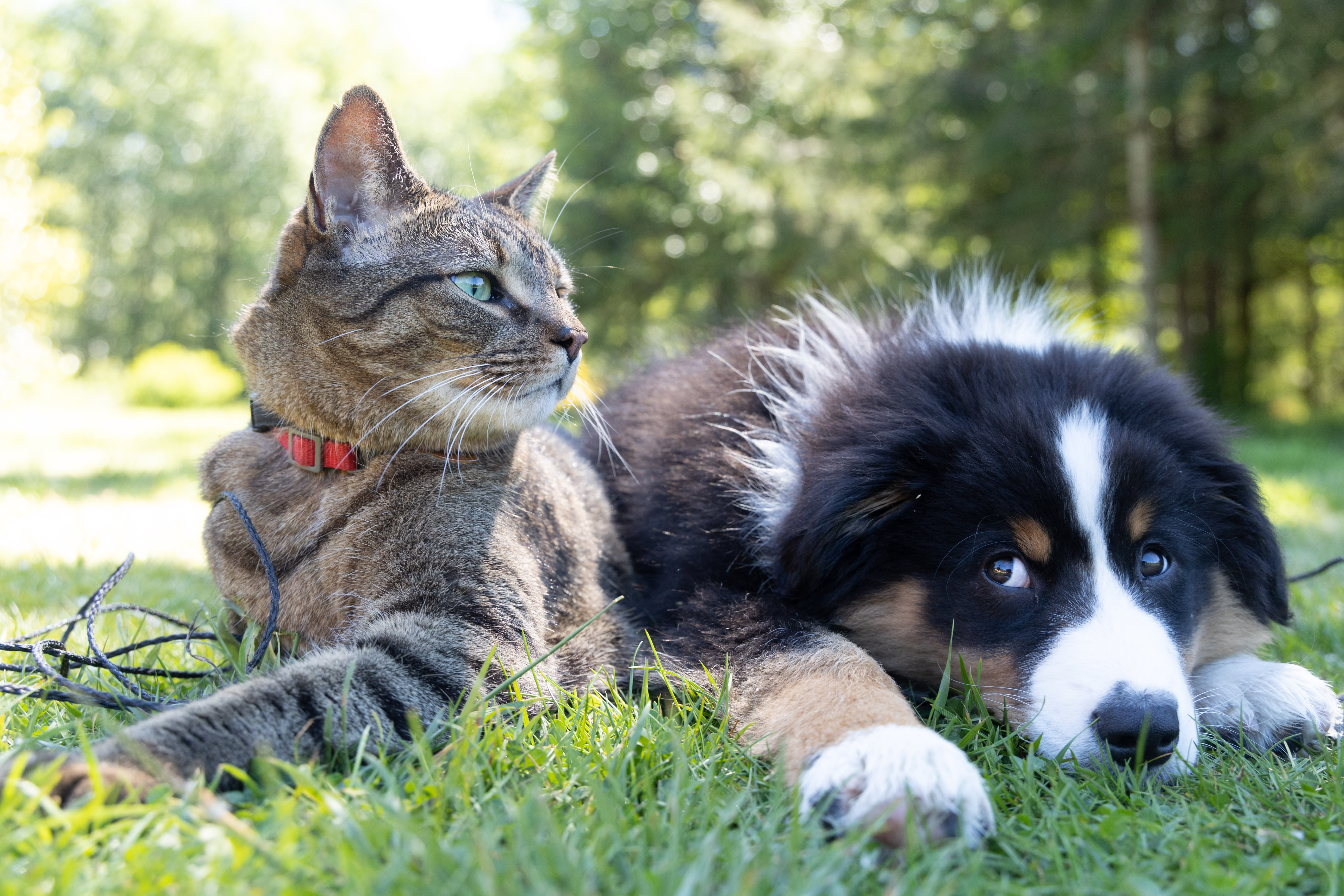
Credit: pethelpful.com
Best Small Dog Breeds For Cats
Small dog breeds often get along well with cats. Their size and gentle nature make them less threatening. Many small dogs have calm temperaments. They enjoy companionship and adapt to other pets easily. Choosing the right small dog can help create a peaceful home for both pets.
Cavalier King Charles Spaniel
The Cavalier King Charles Spaniel is friendly and gentle. This breed loves to be around other animals. They rarely show aggression toward cats. Their calm nature helps cats feel safe. Cavaliers enjoy quiet play and cuddling. They often form strong bonds with feline friends.
Bichon Frise
Bichon Frise dogs are playful and affectionate. They have a cheerful personality that suits cats well. Bichons are small but confident. They tend to respect a cat’s space. This breed adapts easily to new pets. Their friendly attitude helps build trust quickly.
Pug
Pugs are known for their sweet and easygoing nature. They usually get along well with cats. Pugs have low energy but enjoy social time. Their gentle demeanor makes them good companions. Pugs show patience and tolerate cats’ moods. This breed thrives in multi-pet households.
Medium Dog Breeds That Get Along With Cats
Medium dog breeds often balance energy and calmness well. They tend to adapt easily in homes with cats. These dogs usually have gentle temperaments. They enjoy companionship without being too demanding. Their size is perfect for many living spaces.
Choosing a medium breed that gets along with cats can make life easier. These dogs often show patience and friendliness towards feline friends. Training and socializing them early helps create a peaceful home.
Golden Retriever
Golden Retrievers are friendly and patient dogs. They rarely show aggression towards cats. Their calm nature helps them live peacefully with feline pets. They enjoy being part of a family with different animals. Golden Retrievers are easy to train for good behavior.
Beagle
Beagles are curious and gentle medium dogs. They usually accept cats as part of their pack. Beagles love social interaction and playtime with pets. Their smaller size helps prevent accidental harm to cats. Early socialization teaches Beagles to respect feline boundaries.
Cocker Spaniel
Cocker Spaniels are affectionate and adaptable dogs. They often bond well with cats in the household. Their friendly disposition creates a calm atmosphere at home. These dogs enjoy quiet time and playful moments with cats. Proper introduction encourages harmony between Cocker Spaniels and cats.

Credit: manypets.com
Large Dog Breeds Known For Cat Compatibility
Large dog breeds can live happily with cats. Some big dogs have gentle and calm personalities. They accept cats as part of the family. These dogs often show patience and kindness around small pets. Choosing the right breed helps create a peaceful home for both animals.
Labrador Retriever
Labradors are friendly and easygoing dogs. They rarely show aggression to cats. Labs enjoy being part of a family group. They play gently and respect smaller pets. Their calm nature helps cats feel safe nearby.
Collie
Collies are smart and gentle dogs. They have a strong desire to protect their home. Collies can learn to live with cats well. They watch over cats without being pushy. Their kindness makes them good companions for cats.
Newfoundland
Newfoundlands are large but very soft-hearted dogs. They move slowly and carefully around cats. These dogs have a patient and loving nature. Cats usually feel comfortable around Newfoundlands. Their calm behavior helps avoid stress for cats.
Introducing Dogs To Cats Safely
Introducing a dog to a cat requires care and patience. Both animals need time to adjust to each other’s presence. A calm, slow approach helps build trust. It lowers stress for both pets. Safe introductions create a peaceful home for everyone.
Gradual Introduction Techniques
Start by keeping the dog and cat in separate rooms. Let them smell each other’s scent on blankets or toys. After a few days, allow brief visual contact through a baby gate. Reward calm behavior with treats. Increase their time together slowly over several sessions.
Supervised Interactions
Always watch the dog and cat when they meet face to face. Keep the dog on a leash to control movements. Use a calm voice to reassure both pets. Stop the meeting if either animal shows signs of fear or aggression. Short, positive meetings help build good habits.
Managing Early Conflicts
Minor hisses or growls are normal at first. Do not punish either pet for these reactions. Instead, separate them calmly and try again later. Redirect the dog’s attention with toys or commands. Give the cat high places to escape to for safety.
Signs Of A Healthy Dog-cat Relationship
Understanding the signs of a healthy dog-cat relationship helps pet owners create a peaceful home. Dogs and cats can live together happily. They show clear signs when they feel safe and comfortable with each other.
Recognizing these signals can prevent conflicts and stress. Watch their behavior closely. It tells a lot about their bond and feelings.
Relaxed Body Language
Both pets show calm and loose postures around each other. Dogs wag tails softly, without stiff movements. Cats have relaxed ears and soft eyes. No growling, hissing, or raised fur means they feel safe. Calm breathing and slow blinking are good signs too.
Shared Spaces Without Tension
Healthy pets share rooms and furniture comfortably. They rest near each other without fear. No signs of avoidance or aggression appear. Dogs do not chase cats, and cats do not hide constantly. Peaceful co-existence shows trust and respect.
Mutual Grooming And Play
Dogs and cats may lick or groom each other. This shows affection and bonding. Playtime is gentle and enjoyable for both. They chase and pounce without causing harm. Friendly interactions strengthen their friendship and reduce stress.
Avoiding Common Mistakes
Introducing a dog to a cat takes patience and care. Many pet owners make mistakes that cause stress for both animals. Avoiding these errors helps create a peaceful home. Follow these tips to keep your pets safe and happy.
Rushing The Introduction
Never rush the first meeting between your dog and cat. Let them see and smell each other from a distance first. Move slowly and watch their reactions carefully. A calm, slow introduction helps build trust.
Ignoring Warning Signs
Pay attention to signs of fear or aggression. Growling, hissing, or stiff body language means stop. Separate them and try again later. Ignoring these signs can cause fights and hurt feelings.
Neglecting Training Needs
Train your dog to follow basic commands like “sit” and “stay.” This control helps prevent chasing or rough play. Teach your dog to respect the cat’s space. Consistent training keeps both pets safe and calm.

Credit: www.akc.org
Frequently Asked Questions
Which Dog Breeds Are Best With Cats?
Breeds like Golden Retrievers, Beagles, and Basset Hounds are known for their friendly nature towards cats. They are gentle, patient, and sociable, making them great companions for feline friends in a shared home environment.
Are Small Dog Breeds Compatible With Cats?
Yes, many small breeds like Cavalier King Charles Spaniels and Pugs usually get along well with cats. Their calm demeanor and low prey drive help foster peaceful relationships between dogs and cats.
How To Introduce Dogs To Cats Safely?
Introduce them slowly in a controlled environment. Keep dogs on a leash initially and allow cats to approach on their own terms. Positive reinforcement helps build trust and ensures a smooth introduction.
Do All Dogs Naturally Get Along With Cats?
No, not all dogs get along with cats naturally. Compatibility depends on breed traits, individual temperament, and proper socialization. Early exposure and training increase chances of peaceful coexistence.
Conclusion
Choosing the right dog breed helps cats and dogs live happily. Friendly, calm dogs often get along well with cats. Patience and careful introductions matter a lot. Every pet has its own personality and needs time. Watching their behavior helps build trust and friendship.
A peaceful home comes from understanding both animals. Enjoy the company of your pets as they bond. Happy pets make a happy family.