
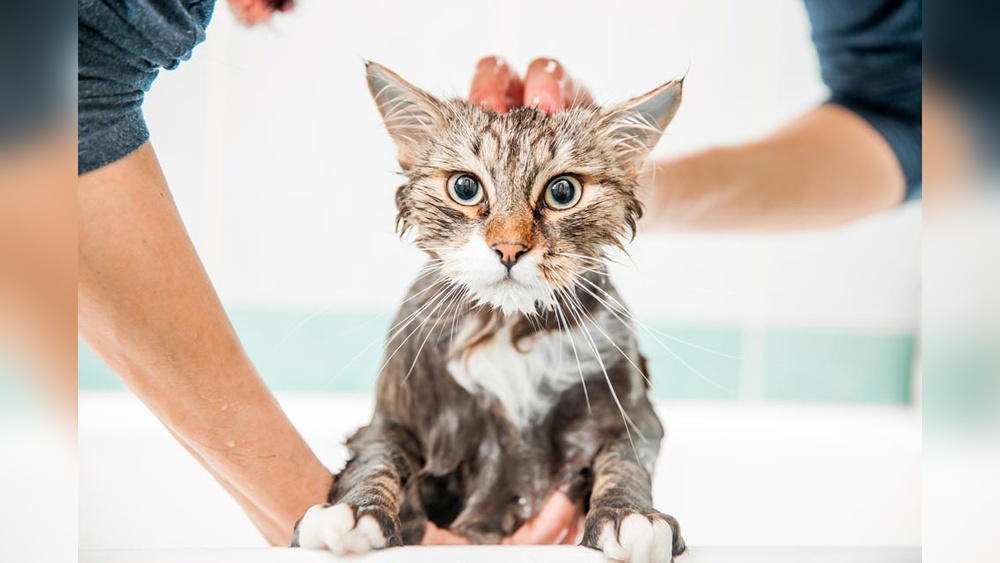
Taking care of your cat goes beyond just feeding and playing. Grooming is a vital part of keeping your furry friend healthy and happy.
But what grooming should be done to cats, and how often? If you want to learn simple yet effective ways to keep your cat’s coat shiny, skin healthy, and prevent common problems, this guide is for you. Keep reading to discover easy grooming tips that will make your cat feel loved and cared for every day.
Credit: smoochie-pooch.com
Cat Grooming Basics
Caring for a cat means more than feeding and playing. Grooming is a key part of keeping cats healthy and happy. Regular grooming helps prevent health problems and keeps your cat’s coat shiny and clean. It also strengthens the bond between you and your pet.
Understanding the basics of cat grooming makes the process easier. Each cat’s needs vary, but some grooming tasks are important for all cats. These include brushing, bathing, nail trimming, and ear cleaning. Let’s explore each one.
Daily Brushing
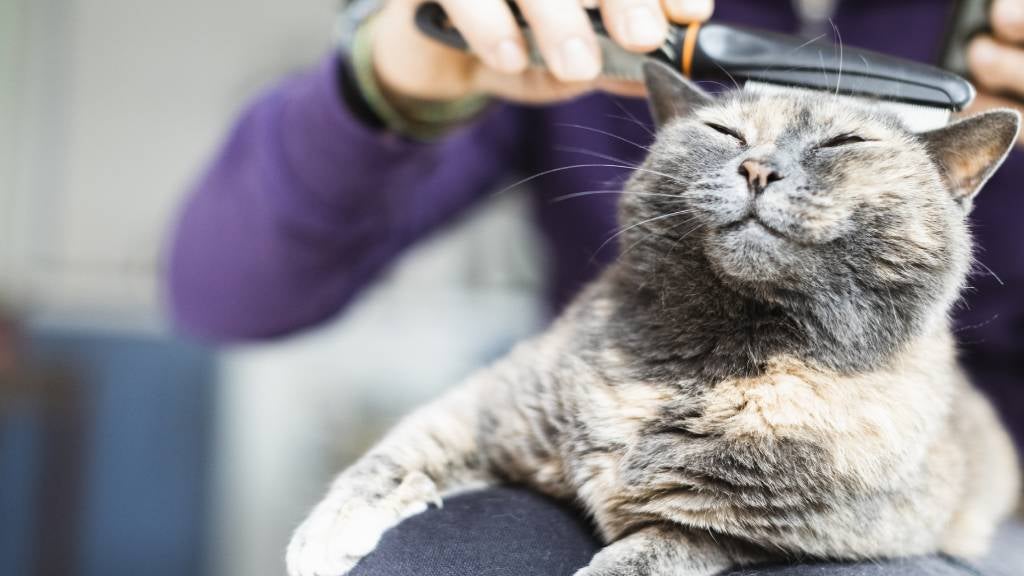
Brushing your cat daily removes loose fur and dirt. It helps reduce hairballs and prevents matting. Use a brush suitable for your cat’s fur type. Short-haired cats need a soft brush, while long-haired cats need a comb. Brushing also spreads natural oils, keeping the coat healthy.
Bathing Needs
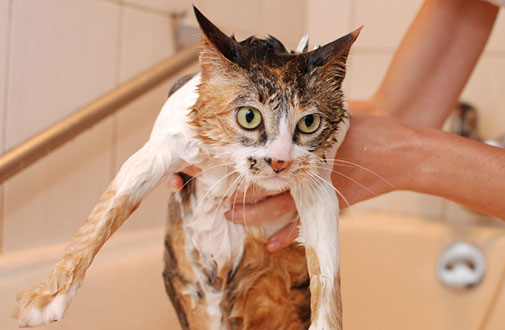
Cats usually clean themselves well and rarely need baths. Bathing is necessary only if your cat is very dirty or has a skin condition. Use a mild shampoo made for cats. Avoid bathing too often, as it can dry out the skin. Always rinse thoroughly to remove all soap.
Nail Trimming
Trimming nails prevents scratching injuries and damage to furniture. Check your cat’s nails every two weeks. Use special nail clippers designed for cats. Trim only the sharp tips and avoid the pink area called the quick. If unsure, ask a vet or groomer for help.
Ear Cleaning
Clean ears remove dirt and prevent infections. Check your cat’s ears weekly. Use a soft cloth or cotton ball dampened with a vet-approved ear cleaner. Never insert anything deep into the ear canal. If ears look red or smell bad, consult a vet.
Coat Care For Different Fur Types
Different cats have different fur types. Each type needs special care to keep the coat healthy. Proper grooming stops mats, reduces shedding, and keeps skin clean. Knowing how to care for your cat’s coat helps them feel good and look great.
Short-haired Cats
Short-haired cats need brushing once or twice a week. Use a soft brush to remove loose hair and dirt. This helps keep their coat shiny and smooth. Bathing is rarely needed unless the cat gets very dirty. Check their skin for any signs of irritation or fleas.
Long-haired Cats
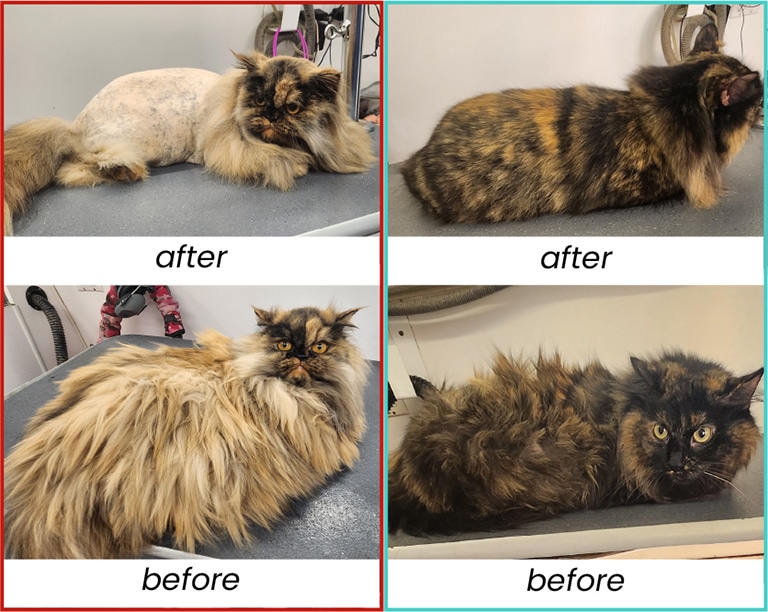
Long-haired cats need daily brushing. Their fur can tangle and form mats easily. Use a wide-tooth comb or a slicker brush to gently remove knots. Regular grooming stops hairballs and keeps fur soft. Trim fur around the paws and rear to keep clean. Bathing may be needed more often for extra care.
Hairless Breeds
Hairless cats need skin care instead of fur care. Their skin can get oily or dry. Wipe them with a damp cloth once or twice a week. Use a gentle, cat-safe moisturizer if skin feels dry. Keep their ears clean and check for any skin problems. Protect them from sunburn when outside.
Dental Hygiene
Dental hygiene is a key part of cat grooming. Clean teeth keep cats healthy and happy. Poor dental care can cause pain and illness. Regular care helps stop bad breath, tooth decay, and gum disease.
Brushing Teeth
Brushing a cat’s teeth removes plaque and food bits. Use a soft toothbrush made for cats. Choose toothpaste that is safe for pets. Brush gently in small circles. Aim to brush at least twice a week. Start slow and be patient. Make it a calm and positive time.
Dental Treats And Toys
Dental treats help clean teeth while cats chew. They reduce plaque and freshen breath. Choose treats designed to support dental health. Dental toys also help keep teeth clean. Chewing on toys massages gums and scrapes away plaque. Offer treats and toys regularly for best results.
Eye And Face Cleaning
Eye and face cleaning is an important part of cat grooming. Cats often get dirt, dust, or tear stains around their eyes. Regular cleaning helps keep their face fresh and healthy. It also prevents infections and keeps your cat comfortable. Gentle care is key to avoid hurting your pet.
Removing Discharge
Use a soft, damp cloth to wipe your cat’s eyes gently. Always wipe from the inside corner outward. Avoid using harsh chemicals or soaps. Clean any crust or sticky discharge carefully. Do this daily if your cat has watery eyes. Clean eyes reduce the risk of infection and improve your cat’s comfort.
Preventing Irritation
Keep your cat’s face dry after cleaning. Moisture can cause irritation or fungal growth. Trim hair around the eyes if it blocks vision or traps dirt. Avoid touching the eyes too much to stop redness. Check your cat’s eyes regularly for swelling or unusual discharge. Early care helps prevent serious eye problems.
Health Checks During Grooming
Health checks during grooming help keep cats safe and healthy. Grooming is a chance to spot problems early. Regular checks can catch issues before they get worse. This keeps your cat comfortable and happy. Careful observation is key to good cat health.
Detecting Skin Issues
Watch for redness, bumps, or scabs on the skin. These signs might mean irritation or infection. Look for dry patches or hair loss. These could signal allergies or other skin problems. Early detection helps prevent serious conditions. Check the skin gently but thoroughly during grooming.
Checking For Parasites
Parasites like fleas and ticks cause discomfort and illness. Feel your cat’s fur for tiny bugs or eggs. Look closely around the neck, ears, and belly. Small black dots or dirt-like particles could be flea dirt. Remove parasites quickly to stop infections and itching. Regular checks keep parasites under control.
Credit: www.aspca.org
Tools For Cat Grooming
Proper grooming keeps cats healthy and happy. Using the right tools makes grooming easier and safer. Each tool has a special role in cat care. Understanding these tools helps owners maintain their cat’s coat, nails, and cleanliness. Below are important grooming tools every cat owner should know about.
Brush Types
Different brushes serve different fur types. Slicker brushes remove loose hair and mats. Bristle brushes add shine and smooth the coat. Comb brushes help find tangles and debris. Long-haired cats need more frequent brushing with wide-tooth combs. Short-haired cats benefit from soft bristle brushes.
Nail Clippers
Proper nail care prevents scratching and injury. Use nail clippers made for cats. They are small and sharp for precise cutting. Trim nails carefully to avoid the quick, the pink part inside the nail. Regular trimming keeps nails healthy and reduces damage to furniture.
Cleaning Supplies
Cleaning supplies keep cats fresh and clean. Use pet-safe wipes to clean paws and face. Ear cleaners remove dirt and wax gently. Eye wipes help with tear stains and discharge. Always choose products designed for cats to avoid irritation.
Tips For Stress-free Grooming
Grooming can be a tricky time for cats and their owners. Stress makes the experience hard for both. Simple tips can help make grooming calm and easy. A relaxed cat is easier to handle and stays healthier.
Keeping grooming sessions short and gentle helps cats feel safe. Small steps build trust and reduce fear. Patience is key to a smooth grooming routine.
Creating A Calm Environment
Choose a quiet room with few distractions. Soft lighting and a warm space help cats feel secure. Avoid loud noises or sudden movements near your cat. Use a non-slip surface to prevent slipping. A calm place makes grooming less scary.
Using Positive Reinforcement
Reward your cat with treats or gentle praise. Praise helps cats link grooming with good feelings. Give treats only after calm behavior. Use a soft voice to soothe your cat. Positive rewards encourage cooperation and trust.
Credit: www.rspcapetinsurance.org.au
Frequently Asked Questions
What Grooming Do Cats Need Regularly?
Cats need regular brushing to remove loose fur and prevent mats. Nail trimming and ear cleaning are also essential. Regular grooming keeps your cat healthy, comfortable, and reduces hairballs and shedding around your home.
How Often Should I Bathe My Cat?
Cats generally groom themselves and rarely need baths. Bathing once every few months or when very dirty is enough. Use cat-specific shampoos and ensure the water is warm and gentle to avoid stress.
Why Is Brushing Important For Cats?
Brushing removes loose fur, reduces shedding, and prevents hairballs. It also helps identify skin issues early and strengthens your bond. Regular brushing keeps your cat’s coat shiny and healthy.
Should I Trim My Cat’s Nails?
Yes, trimming prevents overgrown, painful nails and damage to furniture. Trim nails every 1-2 weeks using proper cat nail clippers. Be careful not to cut the quick to avoid pain.
Conclusion
Cats need regular grooming to stay healthy and happy. Brushing removes loose fur and prevents mats. Trimming nails keeps claws safe and tidy. Cleaning ears stops infections and discomfort. Bathing only when necessary keeps their skin clean. These simple steps help cats feel good every day.
Caring for your cat’s grooming builds trust and love. Remember, a well-groomed cat is a healthier cat. Small efforts make a big difference in your pet’s life. Keep grooming a part of your routine for best results.