
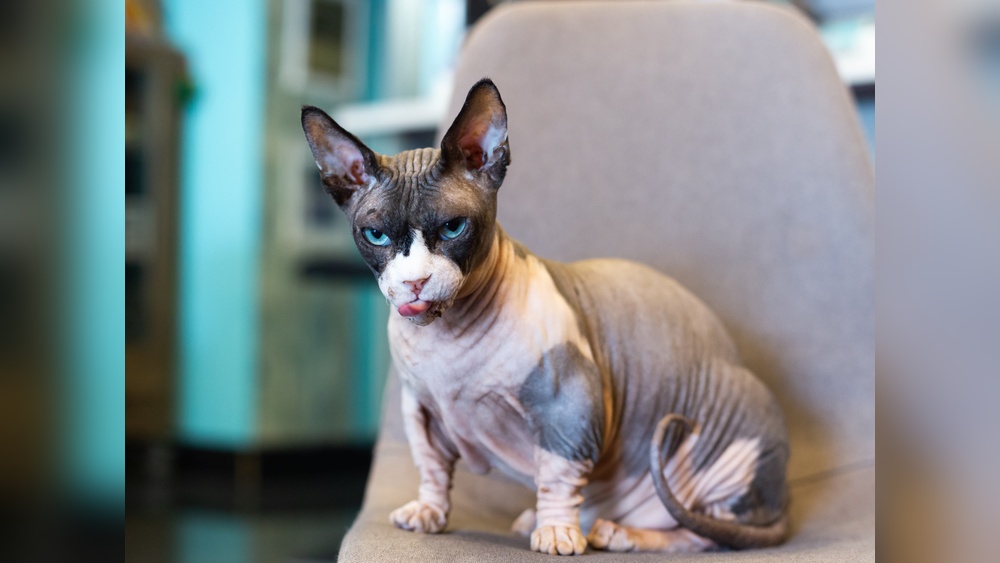
Are you curious about hairless cat breeds and what makes them so unique? If you’ve ever wondered how these smooth-skinned felines live and what breeds you might consider for your home, you’re in the right place.
Understanding hairless cats can help you decide if one is the perfect match for your lifestyle. Keep reading to discover the most popular hairless cat breeds, their special traits, and why they might just be the pet you’ve been looking for.
Hairless Cat Origins
Hairless cats have fascinated many people for years. Their unique look stands out from typical cats. These cats did not come from one place or cause. Their hairlessness comes from special natural changes in their bodies. Understanding where these cats come from helps us appreciate them more.
These cats show us how nature and genetics work together. Their story is about rare traits and surprises in the animal world.
Natural Hairlessness
Some cats are born without hair naturally. It happens in specific breeds found in different parts of the world. The environment sometimes causes these cats to lose their hair over time. Their skin adapts to protect them from sun and cold. These cats are rare but have existed for a long time.
Natural hairlessness is a sign of how animals can change to survive. These cats are often healthy and strong despite their unusual look.
Genetic Mutations
Hairless cats also come from genetic mutations. A mutation is a change in a cat’s DNA. This change stops hair from growing properly. Breeders noticed these mutations and worked to create new hairless breeds. This is how popular hairless cats like the Sphynx came to be.
These mutations are rare but can be passed to future generations. Scientists study these cats to understand more about genetics and animal traits.
Credit: www.purina.co.uk
Sphynx Cat
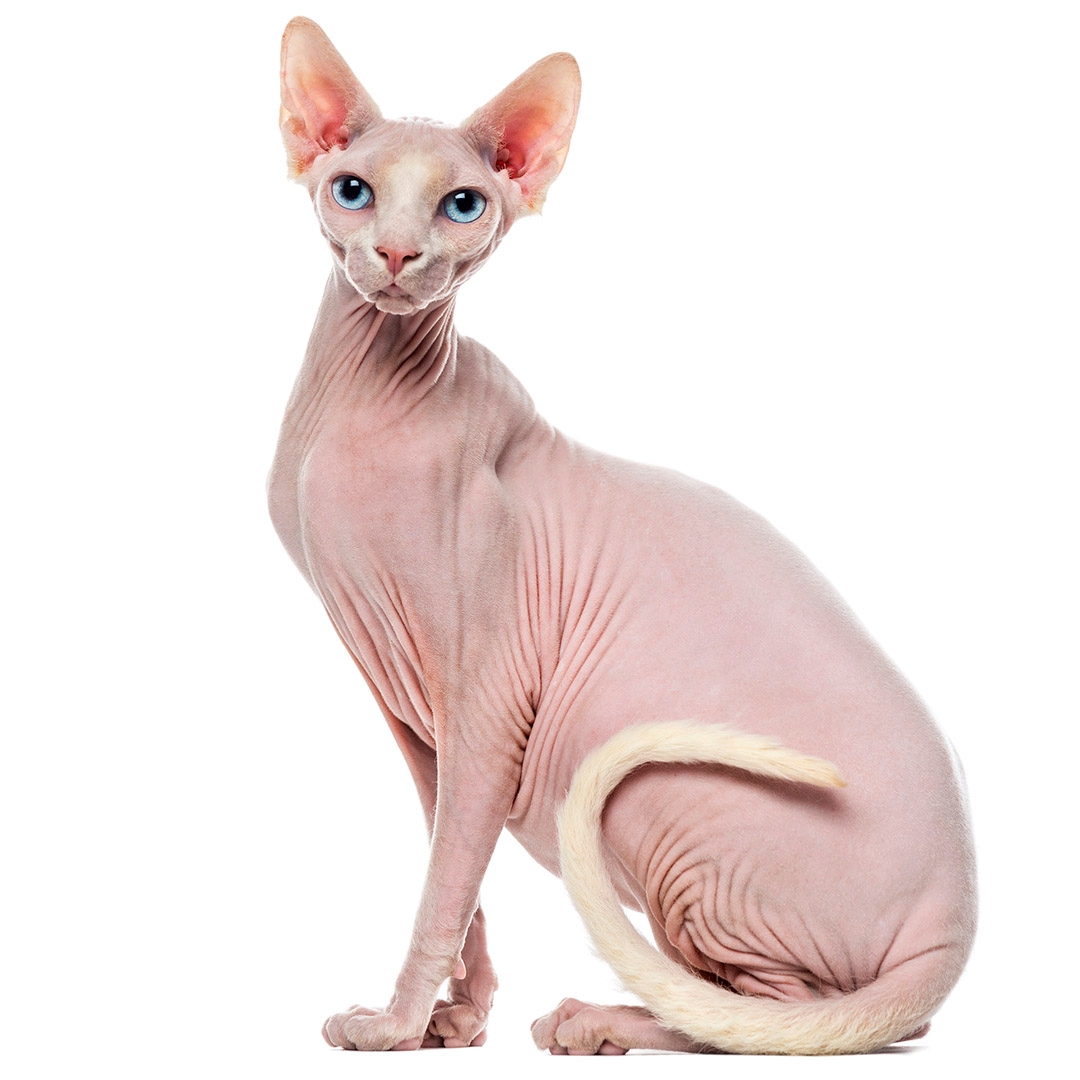
The Sphynx cat is a unique breed known for its hairless appearance. This cat stands out in any room. It has smooth, soft skin that feels like warm suede. The lack of fur does not mean it lacks personality. Sphynx cats are friendly and full of life. They enjoy being the center of attention and love to cuddle. These cats make great companions for many families. Their unusual look often surprises people but their loving nature wins hearts quickly.
Appearance And Traits
The Sphynx cat has no fur but is not completely bald. It has a thin layer of peach-fuzz-like skin. Its body is muscular with a rounded belly. Large ears sit on top of a wedge-shaped head. The eyes are big and lemon-shaped, giving an alert look. Wrinkles appear around the head, neck, and shoulders. These cats come in many colors and patterns on their skin. Their tails are long and whip-like, adding to their strange charm.
Personality And Temperament
Sphynx cats are very social and love attention. They are playful and enjoy interactive games. These cats often follow their owners around the house. They show affection by rubbing and purring loudly. Sphynx cats are curious and intelligent, often exploring new things. They get along well with children and other pets. These cats do not like to be alone for long times. Their friendly nature makes them easy to bond with.
Care And Maintenance
Without fur, Sphynx cats need special skin care. Their skin gets oily and requires regular baths. Use mild shampoo made for sensitive skin. Clean their ears often to prevent wax build-up. Keep their nails trimmed to avoid scratches. These cats feel cold easily, so provide warm clothes or blankets. Protect them from sunburn when outside. Regular vet check-ups help keep them healthy and happy.
Peterbald Cat
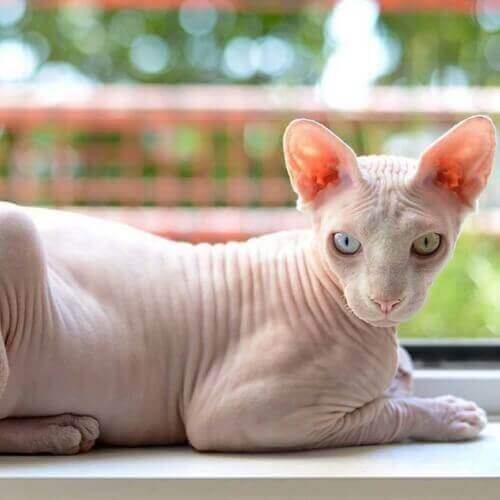
The Peterbald cat is a unique hairless breed from Russia. It stands out with its sleek, elegant body and gentle nature. This breed has a variety of coat types, from completely hairless to a soft fuzz. The Peterbald is known for its graceful movements and striking appearance.
Distinct Features
Peterbald cats have a slender, muscular build. Their heads are wedge-shaped with large ears. Eyes are almond-shaped and bright. The coat varies: some are bald, others have a short, velvety fuzz. Their skin feels warm and soft to the touch. The tail is long and tapering, adding to their elegant look.
Behavioral Characteristics
These cats are friendly and social. They enjoy being around people and other pets. Peterbalds are playful and curious by nature. They love to explore and interact with their owners. They are calm but active, needing regular playtime. This breed adapts well to indoor living.
Grooming Tips
Hairless Peterbalds need gentle skin care. Regular baths remove oils and dirt. Use a mild shampoo made for sensitive skin. Keep their ears clean to avoid infections. Wipe their eyes softly to prevent crust build-up. Protect them from cold weather with warm clothes or blankets.
Credit: www.vidavetcare.com
Donskoy Cat
The Donskoy cat is a unique hairless breed from Russia. It stands out for its smooth skin and striking look. This breed has no fur, making it perfect for people with allergies. The Donskoy cat is friendly and curious, always ready to explore and play.
Physical Description
The Donskoy cat has no fur, showing its wrinkled skin. Its body is medium-sized and muscular. The head is wedge-shaped with large ears. Eyes are almond-shaped and bright. The skin can be different colors and patterns.
Temperament
This breed is gentle and loving. It enjoys human company and attention. Donskoy cats are playful but calm. They adapt well to new homes and people. These cats are intelligent and easy to train.
Health Considerations
The Donskoy cat needs skin care to avoid dryness. Sun protection is important because of no fur. Regular baths keep its skin clean and healthy. Watch for signs of skin irritation or allergies. These cats generally have good health and live long lives.
Ukrainian Levkoy
The Ukrainian Levkoy is a rare and striking hairless cat breed. It stands out with its unusual appearance and friendly nature. This breed originates from Ukraine and combines beauty with a unique personality. Many cat lovers find the Levkoy fascinating and lovable.
Unique Look
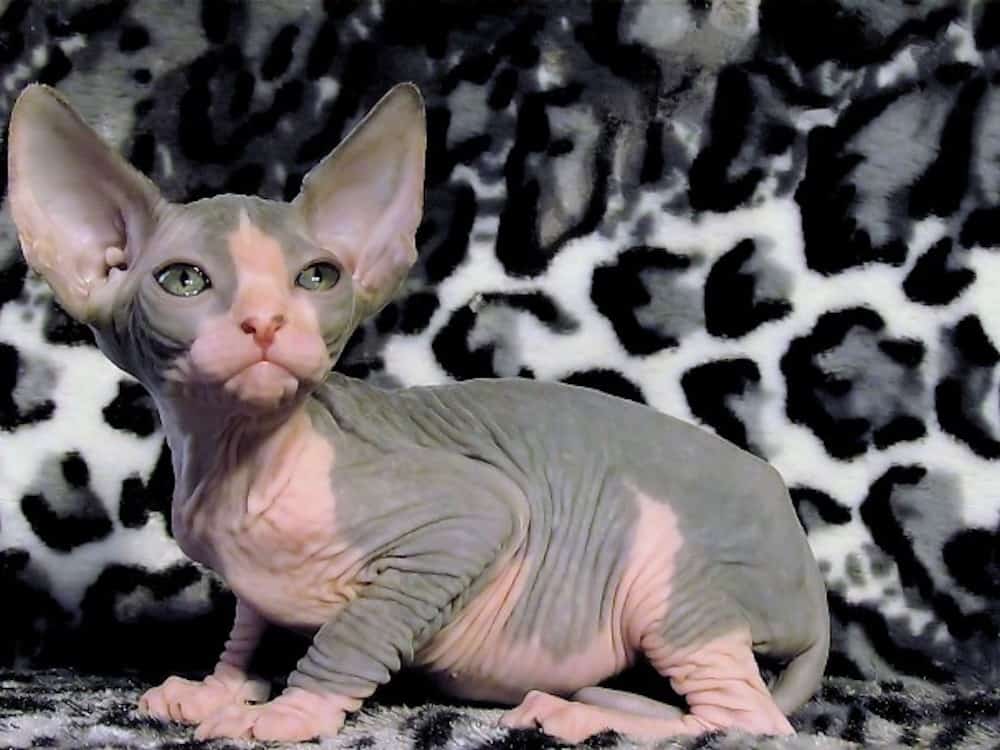
The Ukrainian Levkoy has folded ears that give it a distinct look. Its hairless body shows soft, wrinkled skin. The cat’s head is wedge-shaped with large, expressive eyes. Its neck is long, and the legs are slim but strong. This breed looks like no other cat.
Personality Traits
Levkoys are calm and very gentle pets. They enjoy attention and like to be near people. This breed is playful but not too noisy. They often form strong bonds with their owners. The Ukrainian Levkoy adapts well to quiet homes.
Special Care Requirements
Hairless skin needs regular cleaning to stay healthy. Levkoys should be wiped with a damp cloth often. They must be kept warm during cold weather. Sunscreen helps protect their skin from sunburn. Check their ears for dirt to avoid infections.
Comparing Hairless Breeds
Hairless cat breeds have unique traits that make them special. Each breed shows distinct features in behavior, care, and health. Knowing these differences helps choose the right breed for your home. Below, we compare popular hairless cat breeds on key points.
Temperament Differences
Sphynx cats are friendly and love being the center of attention. They enjoy playing and cuddling with people. Peterbalds tend to be calm and gentle but still enjoy interaction. Donskoys are curious and active, often exploring their surroundings. Each breed has a unique way of showing affection and energy.
Care Needs
Hairless cats need skin care to stay healthy. Sphynx cats require regular baths to remove oil buildup. Peterbalds have some fine hair and need less frequent cleaning. Donskoys need skin checks to avoid irritation or dryness. All hairless breeds need protection from cold and sun exposure.
Health Issues
Sphynx cats may face heart problems like hypertrophic cardiomyopathy. Peterbalds can have fewer health issues but watch for skin infections. Donskoys sometimes suffer from joint problems and skin sensitivities. Regular vet visits help catch health issues early in all breeds.
Living With Hairless Cats
Living with hairless cats is a unique and rewarding experience. These special pets need extra care and attention. Their lack of fur means their skin is more exposed to the environment. Owners must create a safe and comfortable home for them. Understanding their needs helps keep them happy and healthy.
Home Environment
Hairless cats are sensitive to temperature changes. They feel cold more easily than other cats. Keep your home warm, especially in winter. Provide soft blankets and cozy beds. Avoid drafts and cold floors. Sunlight is good but limit direct exposure. Hairless cats can get sunburned. Create a calm space where they feel safe.
Skin Care
Without fur, hairless cats need regular skin care. Their skin can get oily or dry. Clean their skin gently with a damp cloth. Baths every few weeks help remove dirt and oil. Use mild, cat-safe shampoo only. Check for skin problems like redness or bumps. Moisturize with vet-approved creams if needed. Keep their nails trimmed to avoid scratches.
Diet And Nutrition
Hairless cats have a fast metabolism to keep warm. They need a balanced diet rich in protein and fat. High-quality cat food supports their energy needs and skin health. Offer meals in small portions throughout the day. Fresh water should always be available. Avoid foods that cause allergies or upset stomach.
Credit: www.coopsandcages.com.au
Frequently Asked Questions
What Are The Most Popular Hairless Cat Breeds?
The most popular hairless cat breeds include the Sphynx, Peterbald, and Donskoy. These breeds are known for their unique lack of fur and affectionate nature. They require special care due to their sensitive skin and warmth needs.
Why Do Hairless Cats Have No Fur?
Hairless cats have a genetic mutation that causes little to no fur growth. This mutation affects hair follicles, resulting in smooth, bare skin. Their lack of fur also means they need extra skin care and protection from cold temperatures.
How Do Hairless Cats Stay Warm Without Fur?
Hairless cats stay warm by seeking cozy spots and body heat from owners. They often wear cat sweaters in cooler weather. Providing warm bedding and maintaining a warm home temperature is essential for their comfort and health.
Are Hairless Cats Hypoallergenic?
Hairless cats are often considered hypoallergenic because they produce fewer allergens. However, they still produce skin oils and saliva that can cause allergies. People with allergies should spend time with them before adopting to ensure tolerance.
Conclusion
Hairless cat breeds offer a unique pet experience. They are known for their smooth skin and loving nature. These cats need special care to stay healthy. Choosing the right breed depends on your lifestyle and preferences. Each breed has its own charm and traits.
Hairless cats can be great companions for many families. Understanding their needs helps keep them happy and safe. Consider their personality and care requirements before adopting. Enjoy the beauty and warmth these cats bring into your home.