

Have you ever wondered what a backyard cat breeder really is? If you care about cats or are thinking about getting one, understanding this term is important for you.
Backyard cat breeders often operate in ways that affect the health and happiness of kittens. Knowing the truth behind this label can help you make smarter choices for your furry friend. Keep reading to discover what backyard cat breeding means and why it matters to you and your future pet.
Credit: coconuts.co
Backyard Cat Breeding Basics
Backyard cat breeding is a common practice where individuals breed cats outside of professional settings. These breeders often operate from their homes or small properties. Understanding the basics helps spot the differences between ethical breeders and those who may cause harm to cats.
Breeding cats needs knowledge and care. Some backyard breeders may lack experience or proper resources. This can lead to health and behavior problems in kittens. Learning about backyard breeding sheds light on its impact on cats and buyers alike.
Who Are Backyard Cat Breeders
Backyard cat breeders are usually hobbyists or small-scale breeders. They often breed cats to sell kittens for extra income. Many have no formal training in cat genetics or health. Their main goal may focus on quick sales rather than cat welfare.
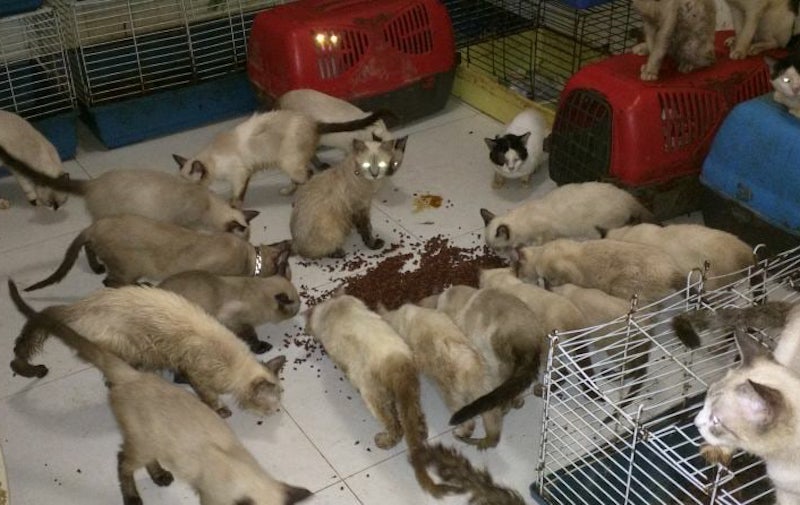
These breeders might not follow strict health checks or vaccinations. They usually do not register with official cat breeding clubs. Their breeding spaces may lack cleanliness or proper care for cats. This can lead to poor living conditions for the animals.
Common Breeding Practices
Backyard breeders often breed cats frequently without proper planning. They may breed cats of unknown health backgrounds. This increases the risk of genetic diseases in kittens. Some breed cats to produce popular or rare colors quickly.
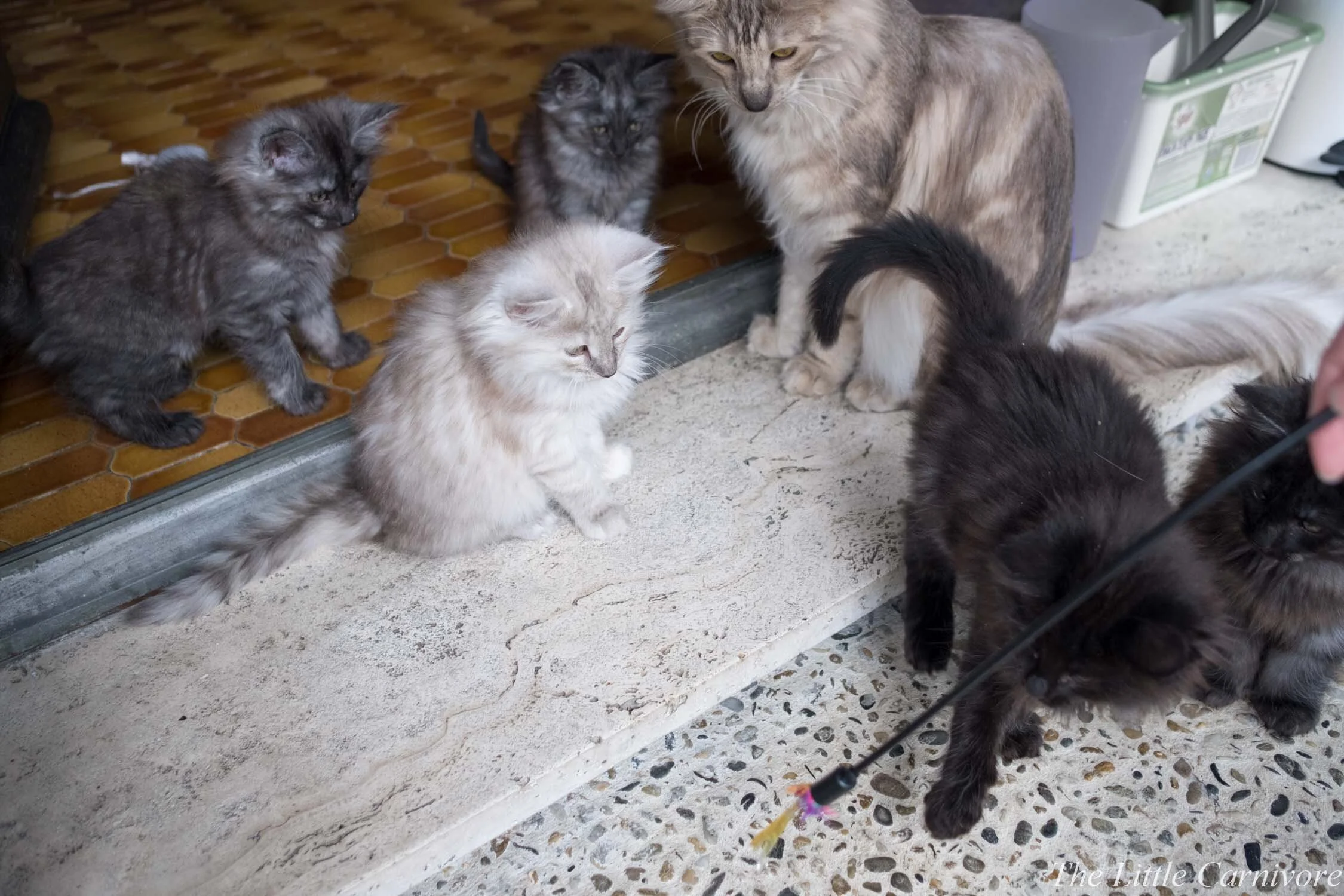
Proper socialization and care might be missing in their practices. Kittens may not receive early health screenings or vaccinations. These practices affect the kittens’ health and behavior later. Buyers should be cautious and ask detailed questions before purchasing.
Credit: thelittlecarnivore.com
Risks To Cat Health
Backyard cat breeding can harm cat health in many ways. These breeders often skip important health checks. This leads to serious problems for the cats and their kittens. Understanding the risks helps to protect cats from suffering.
Genetic Problems And Inbreeding
Backyard breeders often breed cats closely related by blood. This is called inbreeding. It raises the chance of genetic diseases. Cats may inherit weak immune systems or physical defects. These issues make cats sick or shorten their lives. Healthy breeding needs careful selection of parents.
Lack Of Veterinary Care
Many backyard breeders avoid regular vet visits. Sick cats go untreated and can spread diseases. Vaccines and parasite control are often missing. This puts all cats at risk. Proper veterinary care keeps cats healthy and strong. Without it, cats face many preventable illnesses.
Impact On Cat Welfare
Backyard cat breeders often affect the well-being of cats negatively. Their practices can harm cats physically and emotionally. Understanding these impacts helps people see why responsible breeding matters.
Living Conditions And Environment
Backyard breeders usually keep many cats in small spaces. These areas lack cleanliness and proper ventilation. Cats may not get enough food or water. They often live without proper medical care. Poor living conditions lead to illness and stress. Sick cats spread disease to others quickly. This environment does not support healthy growth or comfort.
Behavioral And Social Issues
Cats from backyard breeders often show signs of fear and anxiety. They do not get enough social interaction with humans or other cats. This lack of socialization causes problems in behavior. Cats may become aggressive or withdrawn. They struggle to adapt to new homes or families. These issues lower their quality of life and chances for adoption.
Credit: shedhappens.net
Legal And Ethical Concerns
Backyard cat breeders often face legal and ethical questions. These concerns affect the cats’ health and well-being. Understanding the rules and moral issues helps protect animals and buyers.
Regulations And Enforcement
Many places have laws for breeding pets. These laws aim to keep animals safe and healthy. Backyard breeders may not follow these rules strictly. Sometimes, authorities find it hard to check all breeders. This lack of oversight can lead to poor conditions. Buyers should know that not all breeders are licensed or inspected.
Animal Cruelty And Neglect
Backyard breeding can cause harm to cats. Some breeders keep animals in small, dirty spaces. Cats may not get enough food, water, or medical care. This neglect leads to illness and suffering. Ethical breeders care for cats and their health. Ignoring these needs is cruel and wrong. Protecting animals means stopping neglect and abuse.
Buyer Beware: What To Watch For
Buying a cat can be exciting. But beware of backyard cat breeders. These breeders often put profit before animal welfare. Their cats may have health or behavior problems. Knowing the warning signs helps protect you and the cat. Always ask the right questions before buying a kitten.
Signs Of Backyard Breeders
Backyard breeders usually have many cats in small spaces. The kittens may look sick or scared. They might have dirty fur or watery eyes. The place may smell bad or be very messy. Backyard breeders often do not provide health records. They rarely let you see the mother cat. Their prices may be much lower than usual.
Questions To Ask Before Buying
Ask if the kitten has had a health check. Request vaccination and deworming records. Find out if the mother cat lives on site. Ask how the cats are cared for daily. Check if the breeder offers a health guarantee. Inquire about the kitten’s socialization and behavior. A responsible breeder answers clearly and kindly.
Alternatives To Backyard Breeders
Backyard cat breeders often raise kittens in poor conditions. This can cause health and behavior problems in cats. Many people want cats but want to avoid supporting these breeders. Several good alternatives exist for finding a healthy, happy cat.
These options help ensure cats come from safe, caring environments. They also promote better animal welfare and responsible pet ownership. Exploring these alternatives is a smart choice for every cat lover.
Adopting From Shelters
Shelters have many cats needing homes. These cats are often vaccinated and checked by vets. Adopting saves lives and reduces pet overpopulation. Shelter staff can help match cats with the right families. Adoption fees usually cover basic care and medical costs.
Reputable Breeders And Rescue Groups
Reputable breeders follow strict health and ethical standards. They care for cats’ well-being and breed responsibly. Rescue groups focus on saving cats from poor conditions. They provide medical care and socialization before adoption. Both sources offer healthier, well-adjusted cats than backyard breeders.
Frequently Asked Questions
What Defines A Backyard Cat Breeder?
A backyard cat breeder is an individual who breeds cats without professional standards. They often lack proper facilities and veterinary care. Their breeding practices usually focus on profit rather than cat health. This can lead to poor genetic diversity and health issues in cats.
How Do Backyard Cat Breeders Differ From Responsible Breeders?
Backyard breeders prioritize quick profit over animal welfare. Responsible breeders follow ethical practices, provide health checks, and maintain proper environments. They ensure genetic diversity and socialize kittens properly. Backyard breeders often neglect these standards, affecting the cats’ well-being.
Are Backyard Cat Breeders Harmful To Cat Health?
Yes, backyard breeders often ignore health screenings. This neglect increases risks of genetic diseases and infections. Poor living conditions can also cause stress and illness. Cats bred this way may face lifelong health problems.
Why Should I Avoid Buying Cats From Backyard Breeders?
Cats from backyard breeders may have hidden health issues. They often lack proper socialization and vaccinations. Supporting backyard breeders encourages unethical breeding practices. Choosing responsible breeders ensures healthier, well-adjusted pets.
Conclusion
Backyard cat breeders often focus on making money, not the cats’ well-being. They usually lack proper knowledge and care for the animals. This can lead to health problems and unhappy cats. Responsible breeders put the cats’ health and happiness first.
Understanding what a backyard cat breeder is helps you make better choices. Always choose breeders who treat cats with love and respect. Your decision can help improve cats’ lives and support ethical breeding. Think carefully before trusting any breeder.