
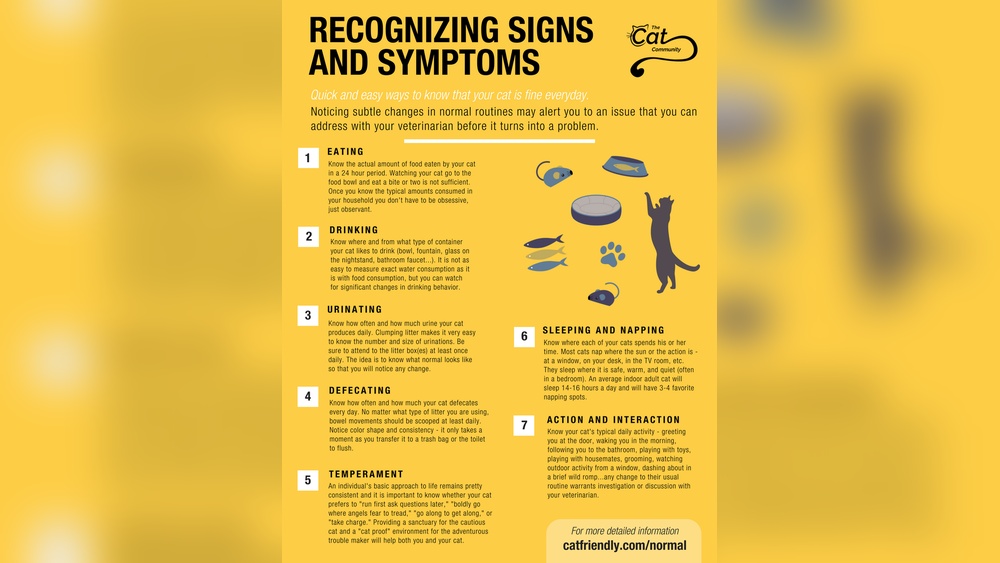
How often should you groom your cat? It’s a question many cat owners wonder about.
Too little grooming can lead to mats and discomfort, while too much might stress your furry friend. Finding the right balance is key to keeping your cat happy and healthy. You’ll discover what a normal amount of cat grooming looks like, why it matters, and simple tips to make grooming a pleasant experience for both you and your pet.
Keep reading to learn how to care for your cat’s coat the right way.
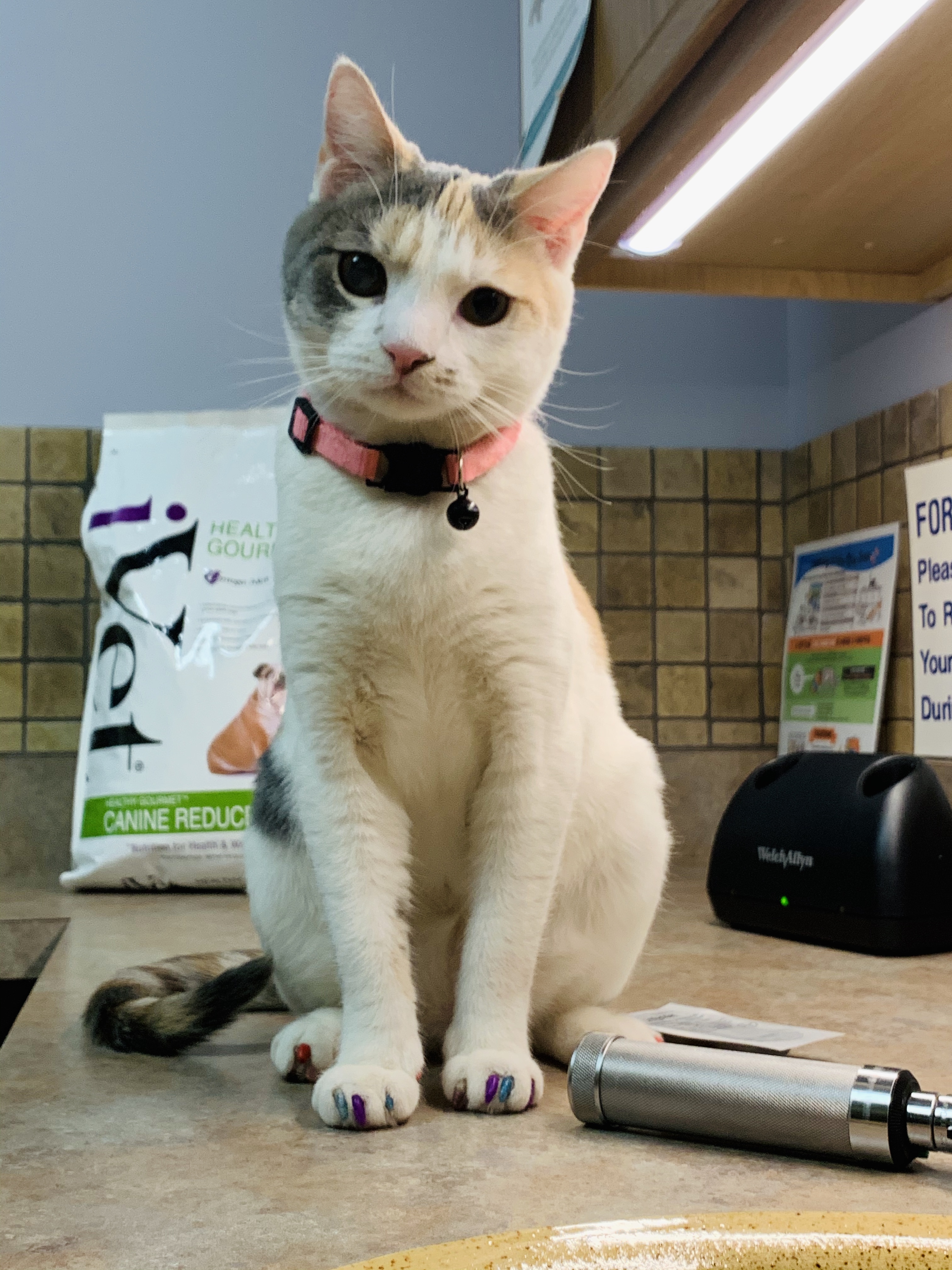
Credit: www.4pawsanimal.com
Daily Grooming Habits
Daily grooming helps keep your cat clean and healthy. It also strengthens your bond with your pet. Small daily checks can prevent big health problems later. Regular grooming keeps your cat comfortable and happy.
Brushing Frequency By Coat Type
Short-haired cats need brushing once or twice a week. Long-haired cats require brushing every day to avoid tangles. Medium-haired cats benefit from brushing three to four times a week. Brushing removes loose fur and reduces shedding. It also helps spot skin problems early.
Checking For Dirt And Debris
Look for dirt, leaves, or small twigs in your cat’s fur. Check especially after outdoor adventures. Clean debris gently with a damp cloth or your fingers. This prevents matting and skin irritation. Regular checks keep your cat’s coat smooth and clean.
Eye And Ear Care
Wipe your cat’s eyes with a soft, damp cloth if needed. Look for redness or unusual discharge. Check ears weekly for dirt, wax, or bad smell. Use a cotton ball to clean ears carefully. Healthy eyes and ears mean a happy cat.
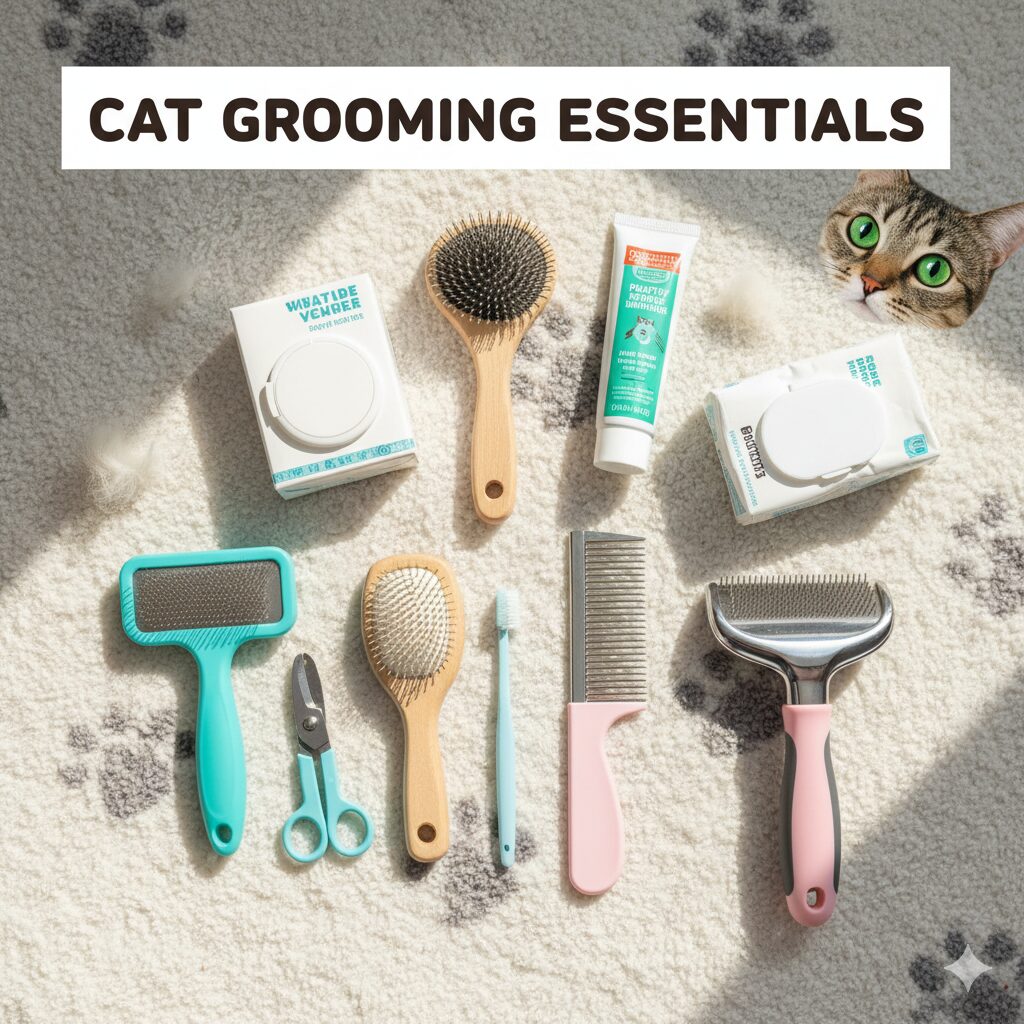
Credit: brooklynpetspa.com
Weekly Grooming Tasks
Weekly grooming keeps your cat healthy and happy. It helps spot problems early. A simple routine makes grooming easier for both of you. Focus on bathing, nail trimming, and dental care. These tasks keep your cat comfortable and clean.
Bathing Guidelines
Bathe your cat only when necessary. Most cats groom themselves well. Use warm water and a mild cat shampoo. Avoid water near the ears and eyes. Rinse thoroughly to remove all soap. Dry your cat with a soft towel. Keep baths short and calm to reduce stress.
Nail Trimming Tips
Trim your cat’s nails every week. Use special cat nail clippers. Hold the paw gently but firmly. Cut only the sharp tip of each nail. Avoid the pink part called the quick. It is sensitive and bleeds easily. If unsure, trim a little at a time.
Dental Hygiene Basics
Brush your cat’s teeth weekly. Use a soft toothbrush made for cats. Pick toothpaste with flavors cats like. Avoid human toothpaste; it can harm cats. Start slowly to build trust. Healthy teeth prevent bad breath and illness.
Seasonal Grooming Changes
Cats experience changes in their fur as seasons shift. These changes affect how much grooming they need. Paying attention to seasonal grooming helps keep your cat healthy and comfortable.
Understanding these changes can make grooming easier and less stressful for both you and your cat.
Shedding Patterns
Cats shed more in spring and fall. They lose old fur to make way for new coats. This natural process means more loose hairs around your home.
Shedding helps cats stay cool in summer and warm in winter. Regular brushing removes loose fur and reduces hairballs.
Adjusting Grooming Routines
Grooming frequency should increase during heavy shedding seasons. Brushing daily helps remove dead hair and prevents matting. In winter, reduce grooming as shedding slows down.
Use the right tools for your cat’s fur type. Short-haired cats need less brushing than long-haired breeds.
Dealing With Matting
Matting happens when fur tangles and clumps together. It can be uncomfortable and cause skin problems. Regular grooming stops mats from forming.
Check areas like behind ears, under legs, and around the neck. Gently comb mats out or trim them carefully if needed. Seek help from a groomer for severe mats.
Signs Of Over-grooming
Cats usually groom themselves several times a day to stay clean and healthy. Grooming helps remove dirt and loose fur. But too much grooming can cause problems. Over-grooming means your cat licks or chews its fur too much. It can lead to skin damage and stress. Watch for signs that your cat is over-grooming.
Behavioral Indicators
Excessive licking or chewing is a key sign. Your cat may focus on one spot repeatedly. You might see your cat biting or scratching more than usual. Restlessness or pacing can also signal stress. Some cats hide or avoid contact when stressed. Changes in mood or activity might appear too.
Physical Symptoms
Look for bald patches or thinning fur. Red, irritated, or scaly skin shows damage. Sores or wounds may develop from constant licking. Your cat’s fur might look uneven or rough. Swelling or bumps can also appear on the skin. These signs need attention to avoid infections.
When To Consult A Vet
Visit a vet if you notice bald spots or wounds. Skin infections need professional treatment. Your cat may have allergies or parasites. Stress or anxiety can cause over-grooming too. The vet can find the cause and suggest solutions. Early care helps your cat feel better fast.
Tools For Effective Grooming
Effective grooming needs the right tools. These tools help keep your cat’s coat clean and healthy. Using proper equipment makes grooming easier and more pleasant for both of you. Different cats need different tools based on their fur type and grooming habits. Choosing the correct tools can prevent skin irritation and reduce shedding.
Choosing The Right Brush
Select a brush suitable for your cat’s fur type. Short-haired cats do well with soft bristle brushes. Long-haired cats need slicker brushes to remove tangles. A comb with wide and narrow teeth helps remove loose hair. Regular brushing reduces hairballs and keeps skin healthy. Change brushes if you notice discomfort or skin redness.
Grooming Accessories
Have grooming gloves to remove loose hair easily. Nail clippers are essential to trim sharp claws safely. Use a soft towel to calm your cat during grooming. Ear cleaning wipes help maintain ear hygiene. Keep all tools clean to avoid infections. Store accessories in one place for quick access.
Safe Use Of Clippers
Clippers should be sharp and quiet to avoid scaring your cat. Use low-speed settings for control and safety. Trim only small amounts of fur at a time. Avoid clipping near sensitive areas like ears and paws. Stop if your cat shows signs of stress. Clean clippers after each use to keep them in good condition.
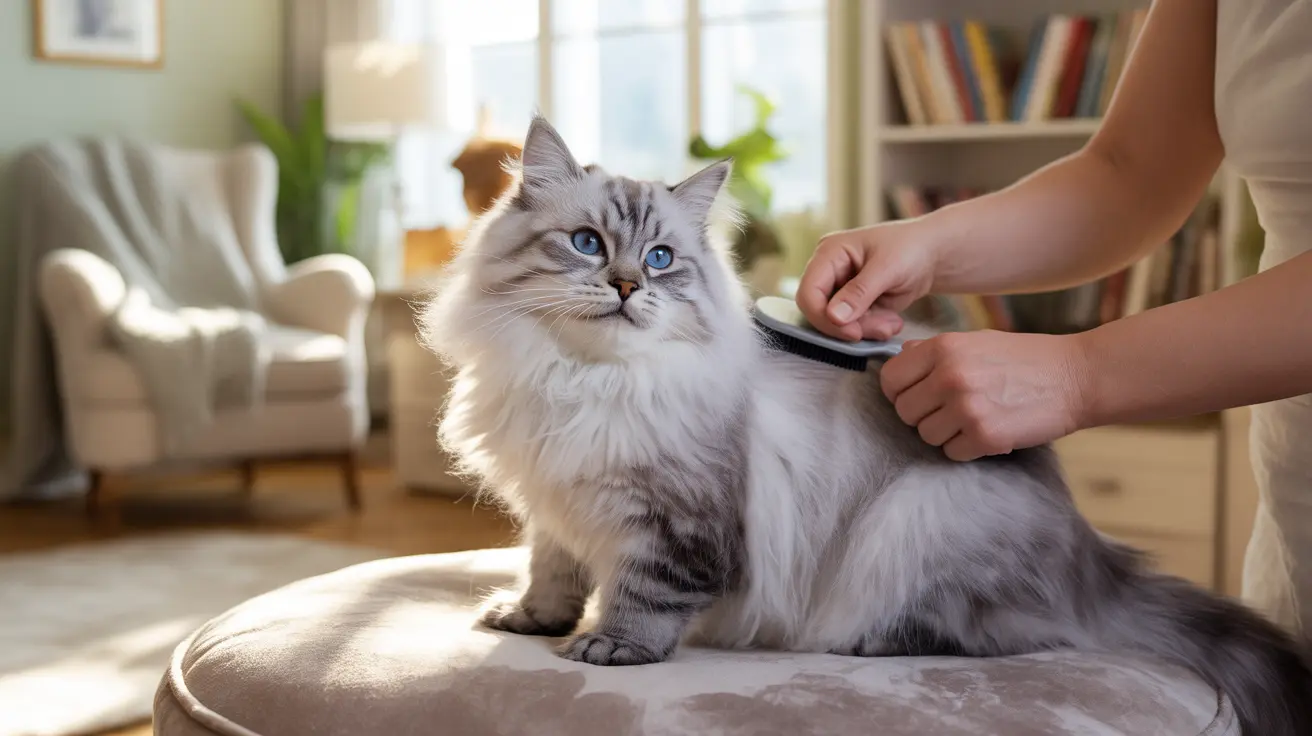
Credit: www.petscare.com
Benefits Of Regular Grooming
Regular grooming helps keep your cat happy and healthy. It is more than just brushing fur. Grooming supports your cat’s overall wellness and prevents common problems. Many pet owners find it easy and rewarding to groom their cats often.
Health Improvements
Grooming removes dirt and loose fur from your cat’s coat. It helps prevent skin infections and allergies. Brushing also improves blood flow to the skin. This keeps the coat shiny and strong. Checking your cat’s skin during grooming finds problems early. You can spot fleas, ticks, or wounds quickly.
Bonding With Your Cat
Grooming creates a special time to connect with your cat. It builds trust and comfort between you both. Gentle brushing calms anxious cats and reduces stress. Cats often enjoy the attention and touch. This strengthens your relationship and makes your cat feel loved.
Preventing Hairballs
Cats swallow loose fur while cleaning themselves. This can cause hairballs in their stomach. Regular grooming removes loose hair before your cat swallows it. It lowers the chance of hairball problems. Your cat will feel better and avoid coughing or vomiting hairballs.
Frequently Asked Questions
How Often Should I Groom My Cat Normally?
Most cats need grooming once or twice a week. Long-haired breeds may require daily brushing to prevent mats. Regular grooming keeps their coat clean, reduces shedding, and promotes healthy skin.
What Is A Normal Grooming Routine For Cats?
A normal routine includes brushing, checking ears, and trimming nails. Brushing removes loose fur and prevents hairballs. Regular nail trims avoid scratches and discomfort. Ear checks help spot infections early.
Can Over-grooming Harm My Cat?
Yes, excessive grooming may cause skin irritation or hair loss. It often signals stress, allergies, or health issues. Consult a vet if your cat grooms too much.
Why Does My Cat Groom Itself So Much?
Cats groom to clean themselves, regulate body temperature, and reduce stress. Over-grooming might indicate anxiety or medical problems. Observe patterns and consult a vet if grooming seems excessive.
Conclusion
Regular cat grooming keeps your pet healthy and happy. Brushing a few times a week removes loose fur and prevents mats. Long-haired cats may need daily care to stay tangle-free. Don’t forget to trim nails and check ears often. Grooming also helps you spot health issues early.
Keep sessions short and gentle to make grooming fun. A clean, well-groomed cat feels comfortable and looks great. Small daily efforts make a big difference in your cat’s life. Simple care routines build a strong bond between you and your pet.