
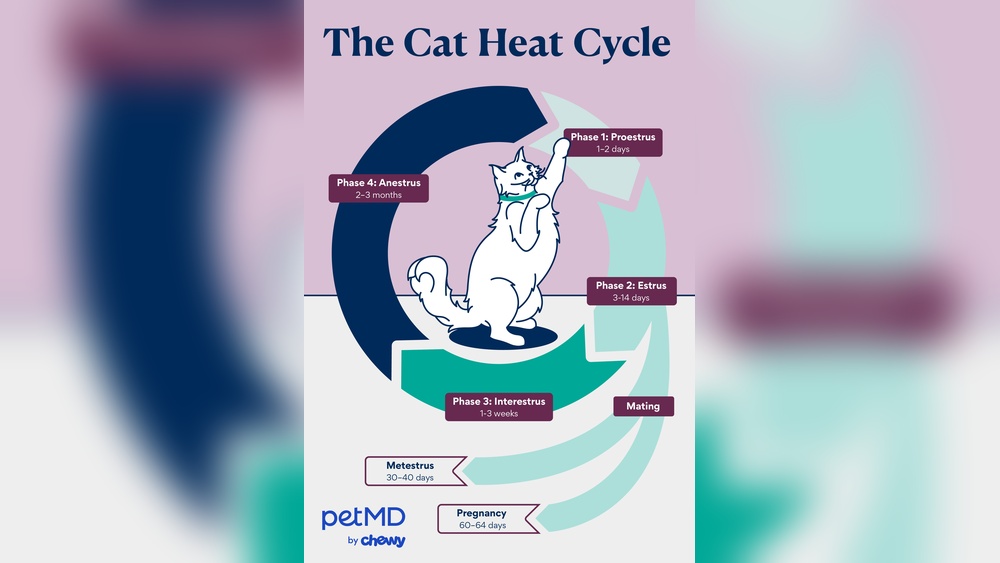
Have you ever wondered when your cat is most likely to go into heat? Knowing the time frame of the cat breeding season can help you plan better for your pet’s health and behavior.
Whether you want to prepare for kittens or prevent unexpected litters, understanding this natural cycle is key. You’ll discover exactly when the breeding season starts and ends, what signs to look for, and how it can affect your cat’s daily life.
Keep reading to get the full picture and take control of your cat’s well-being.
:strip_icc()/will-heat-cycle-end-after-mating-554846-0287b41fab614446a08cf8eea4c6dbd6.jpg)
Credit: www.thesprucepets.com
Cat Breeding Basics
Understanding the basics of cat breeding helps pet owners and breeders plan better. Cats have specific times and signs that show when they are ready to mate. Knowing these details is important for a healthy breeding process.
Breeding Cycle Explained
Cats usually go into heat many times each year. This cycle is called the estrous cycle. It starts when the cat is about six months old. The cycle lasts about two to three weeks. During this time, the cat is fertile and can get pregnant. If the cat does not mate, the cycle repeats every few weeks until the season ends.
Signs Of Heat In Cats
Female cats show clear signs when they are in heat. They may become more vocal and call loudly. The cat might rub her body against objects or people. She often raises her rear end and moves her tail to one side. Some cats are more restless and may try to escape outside. These signs tell owners the cat is ready for breeding.
Timing Of Cat Breeding Season
The timing of the cat breeding season is important for cat owners and breeders. Understanding this period helps in planning and caring for cats properly. Cats do not breed all year round. Their breeding season happens during certain months when conditions are right.
Knowing when cats are most likely to breed helps avoid surprises. It also ensures cats get the right care during pregnancy and birth. The breeding season depends on several factors, including the environment and the cat’s living situation.
Typical Breeding Months
Cat breeding season usually starts in early spring. It lasts until late fall. Most cats breed between March and September. These months offer longer daylight hours, which trigger cats to go into heat. The exact timing can vary by location and climate. In warmer places, the season may last longer.
Factors Affecting Breeding Season
Daylight length is the main factor controlling breeding. More daylight means cats are more likely to enter heat. Temperature also plays a role, but less so than light. Nutrition and health affect a cat’s ability to breed. Stress or illness can delay or stop breeding. Some cats may breed outside the normal season due to artificial lighting.
Differences Between Indoor And Outdoor Cats
Outdoor cats follow natural light and temperature cycles. Their breeding season aligns with spring and summer. Indoor cats may breed year-round. Artificial light inside homes confuses their natural cycle. This means indoor cats can go into heat anytime. Owners should watch indoor cats closely for signs of heat.
Cat Reproductive Stages
Cats have clear reproductive stages that guide their breeding season. Understanding these stages helps cat owners and breeders care for cats properly. Each stage plays a vital role in the cat’s ability to reproduce successfully.
The reproductive cycle starts with signs of heat and ends with the birth of kittens. Knowing what happens in each phase helps recognize when a cat is ready to breed. The cycle repeats several times during the breeding season if the cat does not become pregnant.
Estrus Stage Details
Estrus is also called the heat stage. Female cats show behavior changes such as loud meowing and restlessness. They may rub against objects and raise their hindquarters. This stage lasts about 4 to 7 days. It signals the cat is ready to mate. If the cat does not mate, estrus may return every few weeks.
Ovulation Process
Cats are induced ovulators, meaning ovulation happens after mating. The act of mating triggers the release of eggs from the ovaries. This process usually occurs within 24 to 48 hours after mating. Without mating, ovulation does not take place. This is why cats can have multiple heats if they do not get pregnant.
Gestation Period
The gestation period is the time a cat is pregnant. It usually lasts between 63 and 67 days. During this time, kittens develop inside the mother. Signs of pregnancy include weight gain and changes in appetite. After the gestation period, the cat gives birth to a litter of kittens.
Breeding Preparation Tips
Preparing for cat breeding requires careful planning and attention. Proper preparation helps ensure healthy kittens and a smooth process. Focus on your cats’ health, age, and diet before breeding.
Health Checks For Breeding Cats
Healthy cats are key to successful breeding. Take your cats to the vet for a full check-up. Test for common diseases and parasites. Vaccinations should be up-to-date. Healthy cats reduce risks to both mother and kittens.
Ideal Age For Breeding
Breeding at the right age is important. Female cats should be at least one year old. This age ensures they are physically mature. Male cats can breed after nine months. Avoid breeding cats that are too young or too old.
Nutritional Needs
Good nutrition supports healthy pregnancy and kittens. Feed breeding cats high-quality food rich in protein. Increase calories gradually during pregnancy and nursing. Fresh water must always be available. Proper nutrition strengthens the mother and kittens.
Common Breeding Challenges
Breeding cats is not always simple. Several challenges can affect the process. Understanding these issues helps breeders plan better and care for cats properly.
Some common problems involve the cat’s heat cycles, fertility, and how seasons change their behavior. Each factor plays a big role in successful breeding.
Irregular Heat Cycles
Female cats usually go into heat every few weeks during breeding season. Sometimes, their cycles are irregular. This makes it hard to know the best time to breed.
Stress, health, and environment can cause these irregular cycles. Tracking the cat’s behavior closely helps spot when she is ready.
Fertility Issues
Both male and female cats can face fertility problems. Age, poor health, and genetics often reduce fertility. Some cats may not respond well to mating.
Regular vet check-ups can find fertility issues early. Treatment or special care can improve chances of successful breeding.
Seasonal Variations Impact
Cats breed more in spring and summer. Shorter days in fall and winter slow down their reproductive cycles. This limits breeding to certain months.
Indoor cats with artificial light may have fewer seasonal changes. Outdoor cats depend heavily on natural light and temperature for breeding cues.
Credit: www.pashudhanpraharee.com
Breeding Season Management
Managing the breeding season of cats is key for responsible pet care. Understanding the right time to breed helps avoid health problems and unplanned litters. Careful management also supports the wellbeing of both the mother and kittens.
Knowing how to track heat cycles, plan breeding times, and prevent accidental pregnancies makes the process smoother. It ensures that breeding happens safely and at the best time for the cat’s health.
Tracking Heat Cycles
Female cats go into heat every two to three weeks during breeding season. Signs include loud meowing, restlessness, and rolling on the floor. Keep a calendar to note these behaviors. This helps predict the next heat cycle. Knowing heat timing aids in planning safe breeding or prevention.
Breeding Timing Strategies
Breeding is best during the peak of the heat cycle, usually three to five days after it starts. This increases chances of successful mating. Monitor the cat’s behavior closely during this period. Avoid breeding too early or too late in the cycle. Timing affects the health and number of kittens born.
Preventing Unplanned Litters
Spaying is the most effective way to prevent unwanted kittens. Keep male and female cats separated unless planned breeding occurs. Use barriers or separate rooms to avoid accidental mating. Early intervention keeps the cat safe and reduces stress. Consistent monitoring helps catch heat signs early and prevent surprises.
Post-breeding Care
Post-breeding care is very important for a cat’s health and well-being. After mating, a cat needs special attention to stay healthy. Proper care supports the mother cat and her future kittens. This care helps prevent problems and ensures a safe pregnancy and birth.
Pregnancy Signs
Knowing pregnancy signs helps prepare for the next steps. A cat may show changes in appetite and behavior. Her nipples become pink and larger. Weight gain is common after a few weeks. Some cats sleep more and hide. These signs usually appear two to three weeks after breeding.
Care During Gestation
Provide a quiet and comfortable space for the mother cat. Feed her high-quality food made for pregnant cats. Fresh water should always be available. Avoid stressful situations and loud noises. Regular vet check-ups ensure the pregnancy is going well. Keep the cat indoors to protect her from harm.
Preparing For Kittens
Create a safe and warm nesting area for the mother. Use a soft blanket or towel in a quiet corner. The space should be clean and free from drafts. Have supplies ready, such as clean towels and a heating pad. Learn about the birthing process to help if needed. Watch the cat closely as the due date approaches.
:strip_icc()/the-cat-mating-game-552391_v4-dabfffab635f4c0bad958505417544f3.png)
Credit: www.thesprucepets.com
Frequently Asked Questions
What Months Does The Cat Breeding Season Cover?
Cat breeding season usually spans from early spring to late fall. This period varies by location but generally lasts from March to October. During these months, cats are more likely to go into heat due to increased daylight and warmer temperatures.
How Long Is A Typical Cat Breeding Season?
The typical cat breeding season lasts about six to eight months. It starts in early spring and ends in late fall. This duration allows multiple heat cycles for female cats, increasing chances of reproduction during favorable conditions.
Do Indoor Cats Have A Breeding Season?
Indoor cats can experience breeding cycles year-round. Artificial lighting and controlled temperatures affect their reproductive cycles. Unlike outdoor cats, indoor cats do not rely on natural light changes to trigger breeding behavior.
Why Does Cat Breeding Season Vary By Region?
Cat breeding season varies due to climate and daylight differences. Warmer regions may have longer breeding seasons, while colder areas see shorter periods. Local environmental factors directly influence the timing and length of cat breeding cycles.
Conclusion
Cat breeding season usually happens in spring and summer months. Female cats go into heat every few weeks during this time. Male cats become more active and search for mates. Understanding this helps owners manage pets better. Knowing the timing can prevent unwanted litters.
It also helps plan for care and health needs. Breeding outside this time is rare but possible. Keep an eye on your cat’s behavior to know when the season starts. This knowledge supports responsible pet ownership and happier cats.