
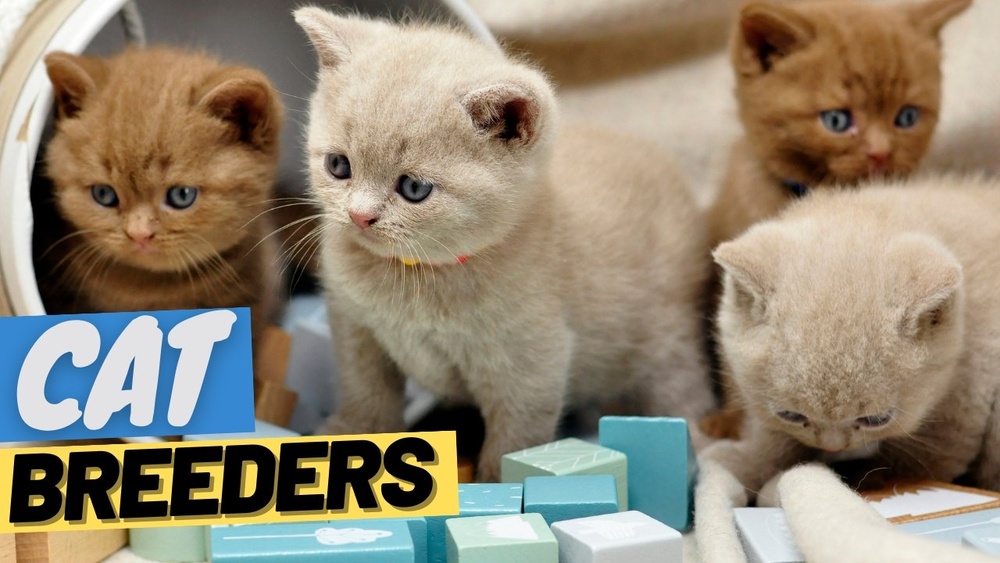
Are you thinking about bringing a new cat into your home? Choosing the right cat breeder is one of the most important steps you’ll take.
But how do you know if a breeder is trustworthy and responsible? Asking the right questions can protect your future pet’s health and happiness. You’ll discover exactly what to ask a cat breeder to make sure you’re making the best choice—for you and your new furry friend.
Keep reading, because these questions could save you from costly mistakes and heartache later on.
Credit: articles.hepper.com
Breeder’s Experience
Knowing a breeder’s experience is key to finding a healthy and happy cat. Experienced breeders understand the needs of their cats. They also provide better care and support for new owners. Asking about experience helps you trust the breeder and their cats.
Years In Breeding
Ask how many years the breeder has worked with cats. More years usually mean more knowledge and skill. A breeder with many years can spot health issues early. They often know how to raise friendly, well-socialized kittens.
Breed Specialization
Find out if the breeder focuses on one breed or several. Specializing in one breed shows deep knowledge of that type. They know breed traits, health risks, and care needs well. This helps in getting a cat that fits your lifestyle.
References And Reviews
Request references from past buyers or check online reviews. Positive feedback shows the breeder cares about their cats and customers. Talking to other cat owners gives real insight into the breeder’s work. Honest reviews help you make a smart choice.
Kitten Health
Kitten health is a top priority when choosing a cat breeder. Healthy kittens have a better chance of growing into strong, happy cats. Asking the right questions about their health helps you avoid future problems. It also shows the breeder cares about their animals.
Vaccination Records
Request the kitten’s vaccination records. These show which vaccines the kitten has received. Vaccinations protect kittens from serious diseases. A good breeder keeps these records updated and ready to share. This ensures the kitten starts life with proper protection.
Health Screenings
Ask about health screenings done on the kittens. Screenings check for common illnesses and parasites. They help detect problems early. A responsible breeder tests kittens and their parents. This helps reduce the risk of passing diseases to the kittens.
Genetic Testing
Inquire about genetic testing for the kitten’s parents. Genetic tests find inherited diseases before kittens are born. They help breeders avoid breeding cats with health risks. This leads to healthier kittens with fewer problems later. Knowing this shows the breeder is serious about health.
Kitten Socialization
Kitten socialization is key to raising a happy and confident cat. It shapes how kittens behave around people, pets, and new places. Early social experiences help kittens adjust well to their future homes. Asking a breeder about socialization shows you care about your kitten’s well-being.
Early Handling Practices
Ask if the breeder handles kittens gently from birth. Early touch helps kittens trust humans. It can reduce fear and anxiety later. Find out how often and how long kittens are held. Proper handling builds strong bonds between kittens and people.
Exposure To Environment
Check if kittens explore different rooms and surfaces. New sights and sounds prepare kittens for new homes. Exposure to household noises, like vacuum or TV, is important. It helps kittens stay calm in busy environments. A well-exposed kitten adapts easier to changes.
Interaction With People And Pets
Learn if kittens meet different people daily. Meeting adults, children, and other pets is vital. This teaches kittens to be friendly and less shy. Ask if kittens live with other cats or dogs. Positive pet interactions promote good behavior and social skills.

Credit: myfelidae.com
Living Conditions
Understanding the living conditions of cats at a breeder’s place is very important. Healthy cats come from clean, safe, and stimulating environments. Good living conditions help cats stay happy and well-adjusted. Ask detailed questions about where the cats live and how they are cared for daily.
Cleanliness And Space
Ask the breeder how often they clean the cat areas. Cats need a clean space to stay healthy. Check if each cat has enough room to move freely. Crowded spaces can cause stress and illness. Clean litter boxes and fresh bedding show good care.
Safety Measures
Find out what safety steps the breeder uses to protect cats. Are harmful chemicals kept away? Is the area secure to stop cats from escaping? Safe windows and doors prevent accidents. Proper safety means fewer injuries and less stress for cats.
Enrichment Activities
Ask about toys and activities provided to cats. Cats need playtime to stay active and happy. Scratching posts, climbing structures, and interactive toys are good signs. Enrichment helps cats develop skills and reduces boredom.
Parent Cats
Understanding the parent cats is key when choosing a kitten. These cats shape the kitten’s personality and health. Asking the breeder about the parents helps you know what to expect from your new pet.
Temperament
Ask about the parents’ behavior. Are they calm or active? Friendly or shy? Their temperament often passes to the kittens. Knowing this helps you find a cat that fits your home life.
Health History
Inquire about any health problems the parents have had. Healthy parents usually mean healthier kittens. Make sure the breeder tests for common diseases and shares the results with you.
Pedigree Information
Request details about the parents’ lineage. A clear pedigree shows careful breeding. It helps track the cat’s background and avoid genetic problems. This information is important for purebred cats.

Credit: myfelidae.com
Breeding Practices
Understanding a breeder’s practices helps ensure healthy, happy cats. It shows their care and responsibility. Asking about breeding methods reveals their commitment to cat welfare. This knowledge helps you choose a trustworthy breeder.
Frequency Of Litters
Ask how often the breeder breeds their cats. Frequent litters can stress the mother cat. Responsible breeders space out litters to protect the cat’s health. Knowing this shows if the breeder cares for their cats properly.
Breeding Goals
Find out the breeder’s purpose for breeding. Some breed for show quality, others for temperament or health. Clear goals indicate serious breeders who focus on good traits. This helps you understand what kind of cat you will get.
Spay And Neuter Policies
Check if the breeder requires spaying or neutering pets. This stops unwanted litters and health problems. Good breeders promote this to control the cat population. It shows their responsibility beyond just selling kittens.
Adoption Process
The adoption process is a key part of getting a cat from a breeder. It helps ensure the cat goes to a good home. Each breeder has their own steps and rules. Knowing these details protects both you and the cat. Asking the right questions is important. It helps you understand what to expect and prepare for.
Understanding the adoption process also shows the breeder cares about the cat’s future. It sets clear expectations and makes the process smoother. Here are some important questions to ask about adoption.
Application Requirements
Ask what you need to apply for a cat. Some breeders want an application form. Others may ask for references or proof of home ownership. They might want to know about your lifestyle. These requirements help them decide if you are a good fit. Knowing this upfront saves time and effort.
Contract Details
Find out if the breeder uses a contract. A contract protects both sides. It usually explains your responsibilities as a new owner. It may cover health guarantees or spay/neuter agreements. Ask what happens if the cat gets sick or has special needs. Clear contract details avoid confusion later.
Return Policy
Check if the breeder has a return policy. This means you can give the cat back if needed. Some breeders ask for this in case of emergencies. It shows they want the cat to stay safe. Knowing this policy gives peace of mind. Make sure you understand any conditions or time limits.
Support After Adoption
Support after adoption is key when choosing a cat breeder. It shows the breeder cares about the cat’s well-being and your experience as an owner. Good breeders offer help and advice long after you bring the cat home. This support ensures your new pet stays happy and healthy.
Advice And Guidance
Ask the breeder if they provide advice after adoption. Will they help with questions about feeding, behavior, or health? A reliable breeder shares knowledge to help you care for your cat. This guidance can make a big difference in your cat’s life and your peace of mind.
Health Guarantees
Check if the breeder offers health guarantees for their cats. These guarantees protect you against hidden illnesses or genetic problems. A trustworthy breeder stands behind the health of their cats. This promise shows confidence in the cat’s condition and careful breeding practices.
Follow-up Communication
Find out how the breeder stays in touch after adoption. Do they follow up to see how the cat is doing? Regular communication helps catch any issues early. It also builds a lasting relationship between you and the breeder. This connection benefits your cat’s future care and happiness.
Frequently Asked Questions
What Health Tests Do You Perform On Your Cats?
Reputable breeders conduct health screenings like genetic tests and vaccinations. They ensure kittens are healthy and free from hereditary diseases. Always ask for health certificates and veterinary records to confirm the cat’s wellbeing before purchase.
How Do You Socialize And Care For Kittens?
Good breeders handle kittens daily from an early age to promote proper socialization. They expose them to various sounds and environments to ensure well-rounded behavior. Proper care includes feeding high-quality food and maintaining a clean, safe living space.
Can I Meet The Kitten’s Parents Before Buying?
Meeting the kitten’s parents reveals their temperament and health. Responsible breeders welcome visits to observe the cats’ living conditions and behavior. This helps you gauge the potential personality and wellbeing of your future pet.
What Is Included In The Kitten’s Adoption Contract?
Contracts usually cover health guarantees, spaying/neutering agreements, and return policies. They protect both buyer and breeder by outlining responsibilities and expectations. Always read and understand the contract terms before finalizing your purchase.
Conclusion
Asking the right questions helps you find a healthy, happy cat. Good breeders share clear answers and show care for their cats. Trust your feelings during the conversation. Remember, a cat is a long-term friend. Take time to choose wisely.
Your questions protect both you and the cat. Enjoy the journey to bring home your new pet.