
If you’ve noticed your cat struggling to clean her rear, you might be feeling worried and unsure about what to do next. Grooming is a natural habit for cats, and when it stops, it can signal discomfort or health issues.
You want your furry friend to feel comfortable and stay healthy, but how can you help when she can’t reach those hard-to-clean spots? You’ll discover simple, effective steps to support your cat and keep her clean and happy. Keep reading to find out how to spot the problem early and what actions you can take right away.
Signs Your Cat Needs Grooming Help
Knowing the signs your cat needs grooming help is important. Cats usually keep themselves clean. When they stop grooming, it means they may need your support. Watch your cat closely for changes. Early help can prevent health issues.
Behavioral Changes
Your cat may act differently if grooming is hard. They might lick less or stop cleaning certain areas. You could see more scratching or biting. Some cats hide or seem restless. These changes show discomfort or pain. Pay attention to unusual behavior.
Physical Indicators
Look for physical signs on your cat’s rear. Fur may look matted, dirty, or oily. Skin could be red or irritated. You might notice a bad smell. Sometimes, wounds or swelling appear. These signs show your cat struggles to groom properly.
Common Causes
Several reasons stop cats from grooming their rear. Older cats may have arthritis or stiffness. Obesity can limit their reach. Injury or pain also blocks grooming. Illnesses like infections or skin problems affect cleaning. Understanding causes helps you provide proper care.
Health Issues Affecting Grooming
Cats are usually very good at keeping themselves clean. Grooming helps them stay healthy and comfortable. Sometimes, health problems can stop a cat from grooming her rear properly. These issues need attention to keep your cat happy and healthy.
Arthritis And Mobility Problems
Arthritis makes joints stiff and painful. This can stop your cat from bending and reaching her rear. Older cats often have trouble moving easily. Limited movement means she cannot clean herself well. Watch for signs like limping or slow walking. These signs suggest your cat needs help.
Obesity Challenges
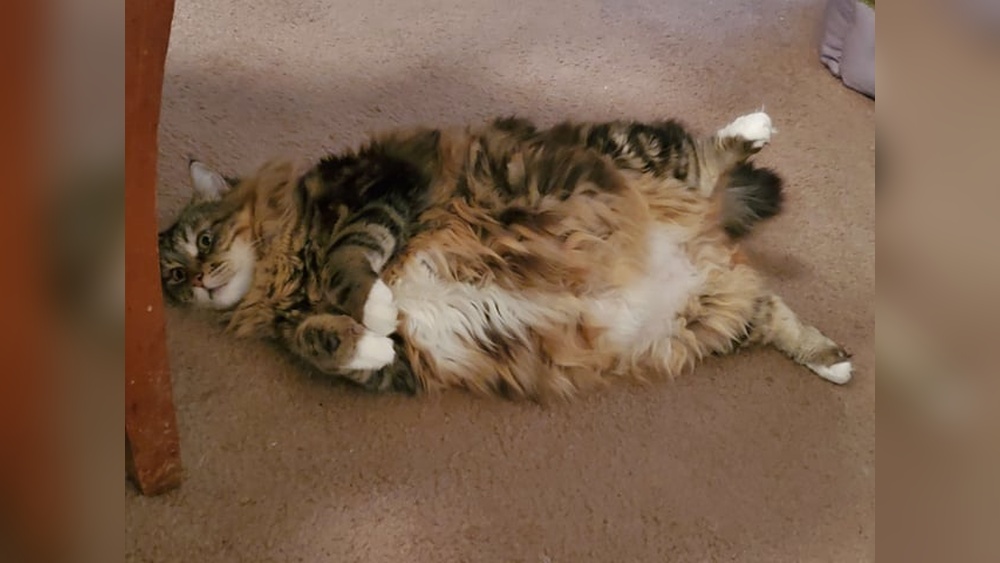
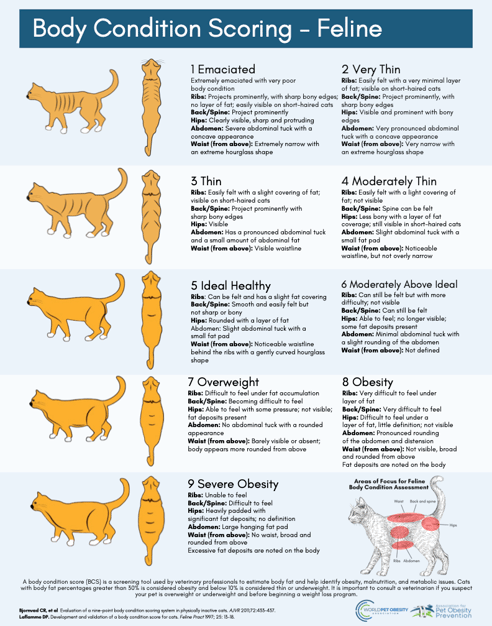
Extra weight makes it hard for cats to groom. Overweight cats cannot twist their bodies easily. This limits their reach to the rear area. Obesity also raises the risk of other health problems. Regular vet visits and a healthy diet can help control weight. A lighter cat will groom better and feel better.
Skin Conditions
Skin problems cause discomfort and itching. Cats with irritated skin may avoid grooming painful spots. Conditions like allergies, infections, or parasites can cause this. Untreated skin issues worsen over time. Check for redness, sores, or hair loss. A vet can diagnose and treat these problems quickly.
Safe Grooming Techniques
Safe grooming techniques help keep your cat clean and comfortable. They support her health, especially if she cannot reach her rear. Using gentle tools and methods prevents injury and stress. Patience and care make grooming easier for both of you.
Using Grooming Wipes
Grooming wipes are gentle and easy to use. Choose wipes made for cats only. They clean dirt and prevent odors without harsh chemicals. Wipe your cat’s rear softly to avoid irritation. Use a new wipe each time to keep it clean.
Assisted Brushing
Brushing helps remove loose fur and dirt. Use a soft brush or comb designed for cats. Gently brush the area your cat cannot reach. Keep movements slow and calm to avoid stress. Brushing also helps check for skin problems.
Bathing Tips
Bathing is sometimes necessary for thorough cleaning. Use lukewarm water and mild cat shampoo only. Avoid getting water in your cat’s ears and eyes. Rinse well to remove all soap. Dry your cat gently with a towel after the bath.
Credit: www.preventivevet.com
Diet And Hydration Impact
Diet and hydration affect a cat’s ability to groom, especially the rear area. Poor nutrition or lack of water can cause dry skin and discomfort. This makes grooming painful or hard for your cat. Helping your cat with proper diet and hydration supports healthy skin and easier grooming.
Nutritional Support For Skin
Good food helps keep your cat’s skin soft and healthy. Look for diets rich in omega-3 and omega-6 fatty acids. These nutrients reduce inflammation and improve skin texture. Protein is essential for skin repair and hair growth. Avoid low-quality food with fillers and artificial ingredients. A balanced diet boosts your cat’s natural grooming ability.
Hydration Importance
Water keeps your cat’s skin moist and flexible. Dehydration causes dry, flaky skin that itches. Cats often drink less water, especially if eating dry food. Try offering wet food or fresh water in multiple bowls. Hydrated skin feels better and helps your cat groom more easily. Proper hydration supports overall health too.
When To See A Veterinarian
Knowing when to see a veterinarian is important for your cat’s health. Cats groom themselves to stay clean and healthy. If your cat cannot groom her rear, it may cause skin problems and discomfort. A vet can help find the cause and suggest treatment. Acting early can prevent bigger health issues.
Persistent Grooming Issues
If your cat struggles to groom her rear for more than a few days, it is time to see a vet. Persistent problems may show an underlying health issue. It could be due to obesity, arthritis, or other physical difficulties. A vet can check your cat’s body and give proper advice.
Signs Of Pain Or Discomfort
Watch for signs of pain around the rear area. Your cat may cry out, lick the spot often, or avoid sitting. Pain can make grooming impossible. If you notice swelling, redness, or wounds, take your cat to the vet. Early treatment helps reduce pain and prevent infection.
Professional Grooming Options
A veterinarian may recommend professional grooming if your cat cannot clean herself. Groomers can trim fur, clean the skin, and help keep your cat comfortable. The vet can guide you on safe grooming methods at home. Regular professional care supports your cat’s health and hygiene.
Credit: www.reddit.com
Preventive Measures For Better Grooming
Preventive care helps keep your cat clean and healthy. It lowers the chances of grooming problems. Simple steps can support your cat’s natural grooming habits. These measures help your cat stay comfortable and avoid pain.
Regular Vet Checkups
Vet visits help find health issues early. Some problems make grooming hard for cats. Your vet can check for arthritis, obesity, or skin issues. Early treatment keeps your cat active and clean. Schedule checkups at least once a year.
Maintaining Ideal Weight
Extra weight limits your cat’s flexibility. Overweight cats struggle to reach their rear. Feed balanced meals and avoid overfeeding. Play with your cat daily to burn calories. A healthy weight makes grooming easier and less painful.
Creating A Comfortable Environment
A calm space encourages grooming. Stress can stop cats from cleaning themselves. Provide quiet resting spots and safe hiding places. Keep litter boxes clean and nearby. A relaxed cat grooms more often and better.
Credit: www.feliway.co.uk
Frequently Asked Questions
Why Can’t My Cat Groom Her Rear Properly?
Cats may struggle grooming their rear due to obesity, arthritis, or injury. Pain or limited flexibility often prevents proper cleaning. If your cat shows these signs, consult a vet to diagnose and treat underlying causes, ensuring her comfort and hygiene.
How Can I Help My Cat Clean Her Rear?
Assist your cat by gently wiping her rear with a damp cloth. Regular brushing and trimming fur around the area can help. Providing a comfortable, stress-free environment encourages grooming, while vet advice ensures no health issues block her cleaning habits.
When Should I See A Vet For Grooming Issues?
Visit a vet if your cat stops grooming, shows discomfort, or has a foul odor. Persistent dirt, redness, or swelling near the rear also needs professional attention. Early diagnosis helps prevent infections and improves your cat’s overall health and well-being.
Can Diet Affect My Cat’s Grooming Ability?
Yes, poor diet can impact your cat’s energy and coat health. Nutritional deficiencies may cause lethargy or skin problems, reducing grooming behavior. Feeding a balanced, high-quality diet supports mobility, skin health, and proper grooming habits in cats.
Conclusion
Cats need clean fur to stay healthy and happy. When your cat can’t groom her rear, she may feel uncomfortable. Watch her closely for signs of trouble. Help by gently cleaning or trimming fur if needed. Visit a vet if problems continue or worsen.
Early care prevents infections and pain. Giving your cat extra attention shows you care. Keep her safe and comfortable every day. Caring for your cat’s grooming needs helps her live well. Simple steps make a big difference in her life.