
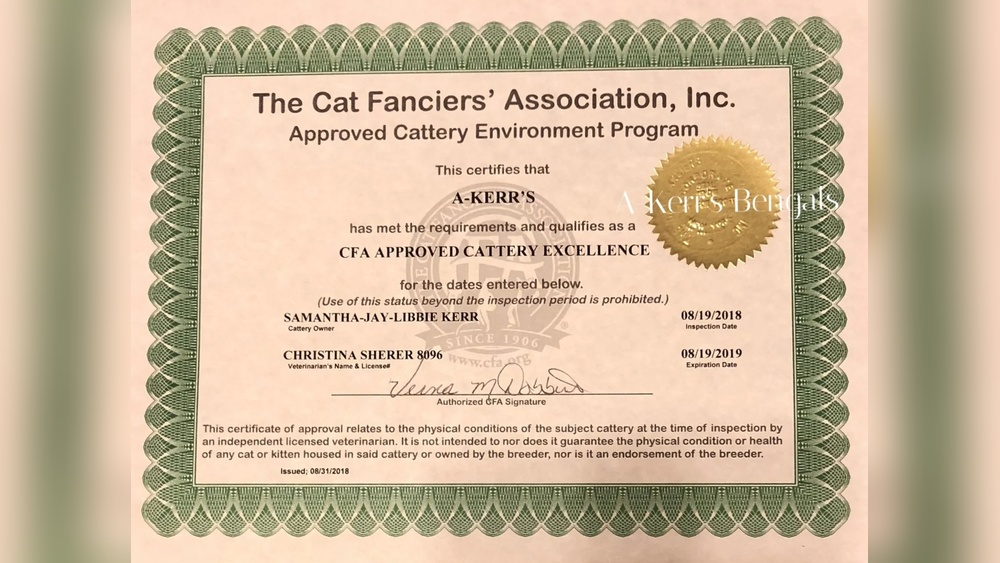
Are you thinking about breeding cats? Before you start, there’s one important thing you need to understand: the cat breeding license.
Getting this license isn’t just a formality—it’s a key step that can protect you, your cats, and your reputation. Without it, you could face fines, legal issues, or worse. You’ll discover exactly what a cat breeding license is, why you need one, and how to get it smoothly.
Keep reading to make sure you’re fully prepared to breed cats responsibly and legally.
Cat Breeding License Basics
Understanding the basics of a cat breeding license is important for anyone involved in breeding cats. This license ensures breeders follow local laws and care standards. It protects both the animals and buyers. Knowing the rules helps breeders operate legally and responsibly.
Who Needs A License
A license is usually required for people who breed cats to sell them. This includes small and large breeders. Some areas require a license if you breed more than a certain number of cats per year. Hobby breeders who do not sell cats may not need one. Rules vary by location, so check local laws carefully.
Types Of Licenses Available
Different licenses exist depending on the breeder’s activity and location. Some places offer a basic breeding license for small-scale breeders. Others provide a commercial license for larger breeders. There may also be special permits for selling cats online or at markets. Each license type has its own rules and fees. Understanding these helps breeders pick the right one.
Legal Requirements
Starting a cat breeding business requires meeting several legal rules. These rules protect the cats and buyers. Knowing these rules helps avoid trouble and ensures healthy kittens.
Age And Experience Criteria
You must be of a certain age to get a cat breeding license. Usually, the minimum age is 18 years. Some places ask for proof of experience in caring for cats. Experience can come from working with animals or owning cats for years. This shows you understand the needs of breeding cats well.
Health And Safety Standards
Health checks for your cats are important. Cats must be vaccinated and free from diseases. Your breeding area must be clean and safe. Proper space, fresh water, and good food are required. Regular visits from a vet may be necessary. These rules keep cats healthy and reduce risks for buyers.
Application Process
Applying for a cat breeding license requires careful preparation. The process ensures breeders meet legal and health standards. It protects both cats and buyers. Knowing the steps helps avoid delays and mistakes.
Required Documentation
Prepare important papers before applying. This includes proof of identity, such as a driver’s license or passport. You also need documents showing your breeding facility meets local rules. Health certificates for your cats may be necessary. Some areas ask for vaccination records and proof of regular vet checks. A detailed breeding plan or business registration might be required too. Check your local authority’s list carefully to gather all needed documents.
Fees And Processing Time
Application fees vary by location. Fees can range from a small charge to a higher amount depending on your area. Some places have yearly fees for license renewal. Processing time depends on local offices and their workload. It usually takes a few weeks, but delays happen. Submit your application early to avoid issues. Keep copies of all documents and receipts for your records.

Credit: www.thln.org
Inspection And Compliance
Inspection and compliance are key parts of holding a cat breeding license. Authorities check breeders regularly. These checks ensure breeders meet rules and keep cats safe and healthy. Understanding what inspectors look for helps breeders stay ready. Meeting license standards protects your business and animals.
What Inspectors Look For
Inspectors check the cleanliness of the breeding area. They want to see safe, spacious, and well-ventilated spaces. Proper food and water supplies must be available. Inspectors also review health records of the cats. They check for signs of illness or injury. Breeders must show proof of vaccinations and vet care. Proper paperwork and breeding limits are also reviewed. The goal is animal welfare and legal compliance.
Maintaining License Standards
Breeders should keep the environment clean daily. Regular health checks for cats are important. Keeping detailed records on breeding and medical care helps. Following local laws on breeding numbers is required. Training staff on animal care improves compliance. Staying updated on law changes avoids penalties. Good communication with inspectors builds trust. Consistent care ensures the license stays valid.
Benefits Of Licensing
Getting a cat breeding license offers many benefits. It helps keep cats safe and healthy. It also shows you are a responsible breeder. Licensing creates trust with buyers and the community. Here are the main benefits of having a cat breeding license.
Protecting Cat Welfare
A license makes sure you follow rules for cat care. These rules include proper space, food, and medical care. Cats get better treatment and live in safer homes. Licensing reduces the chance of neglect or abuse. It helps breeders focus on healthy, happy cats.
Building Credibility As A Breeder
Having a license shows you follow the law. It proves you care about your cats and their health. Buyers feel more confident buying from licensed breeders. It helps you stand out from unlicensed breeders. Licensing can lead to more sales and repeat customers.

Credit: www.tdlr.texas.gov
Common Challenges
Getting a cat breeding license can be tough. Many breeders face challenges during the process. These challenges can delay or stop the license approval. Knowing these issues helps prepare and avoid problems.
Dealing With Denied Applications
License applications can be denied for many reasons. Missing documents or unclear information are common causes. Some authorities require strict health checks for cats. Failing to meet these rules can lead to rejection. It is important to read all rules carefully. Correct all errors before sending the application again. You can ask for feedback to improve your next try.
Renewal And Ongoing Obligations
Getting the license is not the end. Renewals require staying up to date with rules. Some places ask for regular inspections of your breeding area. Paperwork must be submitted on time every year. Breeders must keep good records of cat health and breeding. Ignoring these tasks can cause fines or loss of license. Plan ahead to meet all obligations without stress.
Resources For Breeders
Cat breeding can be complex. Many rules and guidelines must be followed. Having the right resources helps breeders stay informed and legal. These resources provide support and useful information. They guide breeders through licensing and best practices.
Where To Get Help
Local animal control offices often offer help. They explain licensing requirements clearly. Some areas have special departments for breeders. They answer questions and provide forms. Veterinary clinics can also offer advice. Experienced breeders in your community can share tips. Joining local breeder groups can connect you with experts.
Useful Online Tools And Communities
Online forums allow breeders to share knowledge. They discuss licenses and breeding tips. Websites of animal welfare organizations provide clear guidelines. Some sites offer checklists for legal compliance. Social media groups create spaces for support. These communities help solve common problems quickly. Online tools make tracking breeding records easier. They ensure breeders follow laws and care rules.

Credit: www.savannahgans.com
Frequently Asked Questions
What Is A Cat Breeding License?
A cat breeding license is an official permit required to breed cats legally. It ensures breeders follow animal welfare standards and local regulations.
Who Needs A Cat Breeding License?
Anyone breeding cats for sale or profit typically needs a license. This includes hobby breeders and commercial catteries.
How Do I Get A Cat Breeding License?
You apply through your local government or animal control office. Requirements usually include inspections and proof of proper facilities.
Why Is A Cat Breeding License Important?
It protects the health and welfare of cats. Licensing ensures breeders meet ethical and legal standards.
Conclusion
Getting a cat breeding license helps you follow the law and keep cats safe. It shows you care about healthy breeding and good care. The process may take time but is worth the effort. Always check local rules before you start.
Staying informed protects you and the cats. Breeding cats responsibly benefits everyone involved. Take the right steps to breed with care and respect.