
Are you wondering who can give your cat a safe and stress-free bath? Bathing a cat is not always easy, and finding the right professional to help can make all the difference.
You want someone who understands your cat’s unique needs and knows how to handle them gently. You’ll discover exactly what kind of vet groomer is best suited to give baths to cats. By the end, you’ll feel confident about choosing the right expert to keep your furry friend clean and happy.
Keep reading to learn the secrets to stress-free cat baths!
Credit: www.preventivevet.com
Choosing The Right Vet Groomer
Choosing the right vet groomer for your cat is important for its health and comfort. Cats can be nervous around water and new people. A good groomer knows how to handle cats gently and safely. This ensures a stress-free bath and a clean, happy cat.
Qualities Of A Cat-friendly Groomer
A cat-friendly groomer stays calm and patient. They understand cat behavior and signs of stress. Soft voices and slow movements help cats feel safe. Groomers use gentle techniques to avoid hurting your cat. Clean tools and a quiet space matter a lot.
Certification And Experience Matters
Certified groomers have formal training in pet care. Experience with cats means they know common cat issues. Trained groomers follow safety rules during baths. They can spot skin problems or infections early. This knowledge helps keep your cat healthy.
Finding Groomers Specialized In Cats
Some groomers focus only on cats. They know the best shampoos and water temperature. Cat specialists handle shy or scared cats well. They create a calm environment just for cats. Choosing a specialized groomer means better care and comfort.
Bathing Techniques For Cats
Bathing cats can be a challenge for many pet owners. Cats usually dislike water, making the process stressful for both. Using the right techniques helps keep your cat calm and safe. Proper preparation, gentle methods, and the right products make baths easier and more effective.
Preparing Your Cat For A Bath
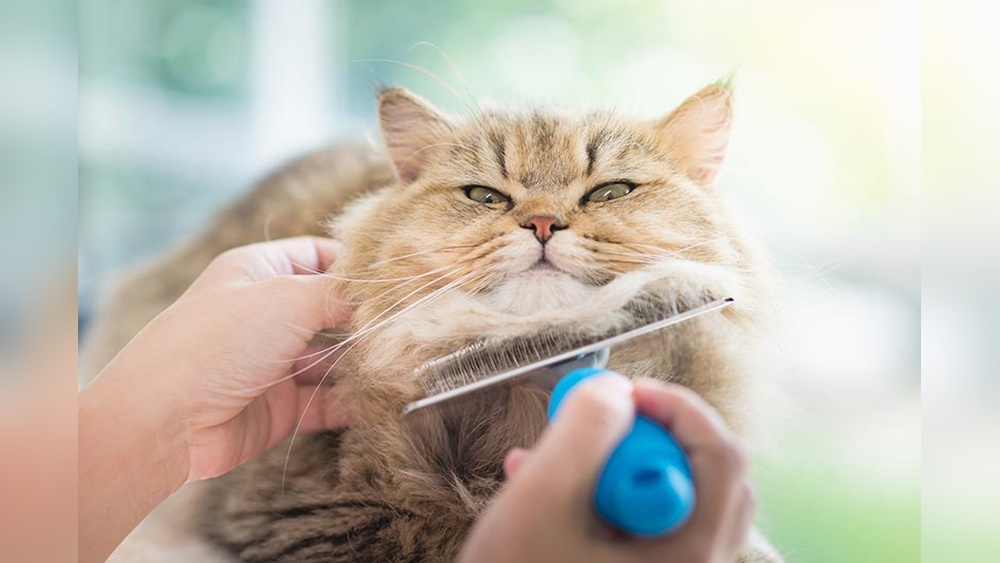
Start by brushing your cat to remove loose fur and dirt. Choose a quiet, warm room to avoid distractions. Use a non-slip mat in the sink or tub to prevent slipping. Gather all supplies before bringing your cat near water. Speak softly to keep your cat relaxed.
Safe And Gentle Bathing Methods
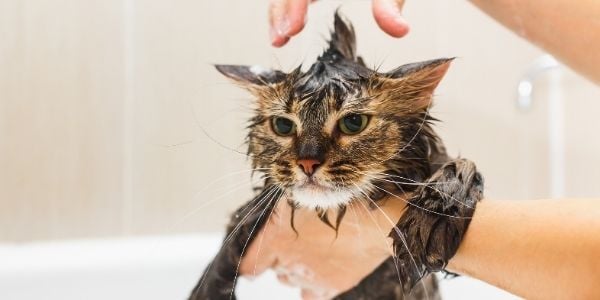
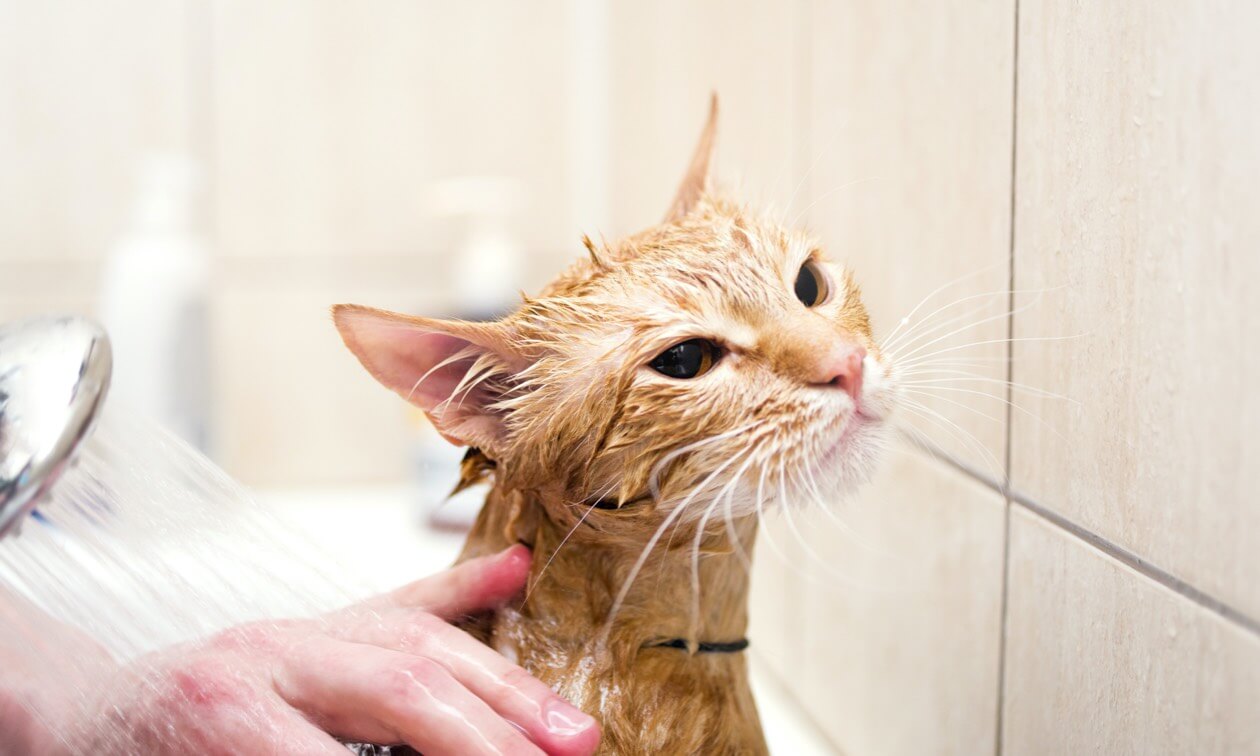
Use lukewarm water, not too hot or cold. Wet your cat slowly, starting from the neck down. Avoid the face and ears to prevent irritation. Use your hand or a cup to pour water gently. Apply shampoo carefully, then rinse well to remove all soap. Dry your cat with a towel, patting softly. Never use a hairdryer unless it is on a low, quiet setting.
Products Recommended For Cat Baths
Choose shampoos made for cats only. Avoid human or dog shampoos as they can irritate skin. Look for gentle, hypoallergenic, and fragrance-free formulas. Medicated shampoos may be needed for skin issues but ask your vet first. Use conditioners designed for cats to keep fur soft. Always rinse products thoroughly to prevent residue.
Benefits Of Professional Cat Baths
Professional cat baths offer many benefits that go beyond cleanliness. Experts use the right tools and products to keep cats healthy and comfortable. These baths help maintain a cat’s coat, skin, and overall well-being. Trusting a vet groomer ensures your cat gets the care it needs without stress or harm.
Health And Hygiene Advantages
Regular baths remove dirt, oils, and allergens from a cat’s fur. This helps reduce the risk of infections and irritations. Professional groomers use gentle shampoos safe for cats’ sensitive skin. They also check for signs of health problems during the bath. Clean fur and skin support a cat’s natural defenses against disease.
Handling Difficult Cats Safely
Many cats dislike water and resist baths. Vet groomers know how to calm anxious cats safely. They use techniques to reduce stress and avoid injury. Groomers handle cats with care and patience throughout the process. This keeps both the cat and groomer safe and comfortable.
Preventing Skin And Coat Issues
Professional baths help prevent skin problems like dryness and dandruff. Groomers remove loose hair to reduce shedding and matting. They also spot fleas, ticks, and other pests early. Regular baths keep the coat shiny, soft, and healthy. Healthy skin and fur improve a cat’s comfort and appearance.
Credit: www.zoetispetcare.com
When To Schedule A Bath
Knowing when to schedule a bath for your cat helps keep them clean and healthy. Cats usually groom themselves well. Yet, some situations need a bath from a vet groomer. Timing the bath right avoids stress for your cat. It also ensures their skin and fur stay in good condition.
Signs Your Cat Needs A Bath
Look for dirt or grease on your cat’s fur. A strong odor may mean your cat needs washing. Matted or tangled fur can cause discomfort. Your cat might have fleas or skin issues. After outdoor adventures, a bath helps remove harmful substances. Notice if your cat is scratching more than usual. These signs show it is time for a bath.
Frequency Recommendations
Most cats need a bath every few months. Long-haired cats may need baths more often. Short-haired cats usually need fewer baths. Overbathing can dry out your cat’s skin. Follow your vet groomer’s advice on how often to bathe. Adjust frequency based on your cat’s lifestyle and health.
Seasonal Grooming Tips
Baths in spring help remove winter dirt and loose hair. Summer baths can cool your cat and reduce shedding. Fall baths prepare your cat for colder weather. Winter baths should be gentle and less frequent. Always dry your cat well after winter baths. Seasonal grooming keeps your cat comfortable all year.
After-bath Care For Cats
After giving your cat a bath, proper care is very important. Wet fur can make cats cold and uncomfortable. Good after-bath care helps keep your cat healthy and happy. It also prevents skin problems and stress for your pet.
Drying Techniques
Use a soft towel to gently pat your cat dry. Avoid rubbing hard, as it can hurt their skin. Some cats like a warm, quiet room to dry naturally. Use a pet-safe hair dryer on low heat only if your cat stays calm. Keep the dryer moving to avoid hot spots.
Brushing And Coat Maintenance
Once your cat is dry, brush their coat carefully. Brushing removes loose fur and stops mats from forming. Use a brush suited for your cat’s fur type. Regular brushing keeps the coat shiny and smooth. It also helps your cat feel relaxed after a bath.
Monitoring For Skin Reactions
Check your cat’s skin after the bath for redness or bumps. Watch for any unusual scratching or licking. These signs can mean irritation or allergies. Contact your vet if you see swelling or sores. Early care protects your cat’s skin health.

Credit: www.bonvoyagepetsitting.com
Common Challenges And Solutions
Bathing cats is not always easy. Many cats get scared or upset during baths. Some may even act aggressively. These challenges often stop owners from giving baths at home. Professional vet groomers know these problems well. They use smart methods to calm cats. Here are some common challenges and ways to handle them.
Dealing With Anxiety And Stress
Cats often feel anxious during baths. Strange water, sounds, and smells cause stress. Vet groomers create a calm space. They use soft voices and gentle touches. Warm water helps cats feel safe. Short baths reduce stress. Groomers may also use calming sprays made for cats.
Handling Aggressive Behavior
Some cats scratch or bite when scared. Groomers wear protective gloves and use careful holds. They move slowly to avoid sudden scares. If a cat is very aggressive, groomers take breaks. They also use special towels to wrap cats gently. This helps keep both cat and groomer safe.
Tips For A Calm Bathing Experience
Choose a quiet room with no distractions. Use a non-slip mat to keep the cat steady. Speak softly to reassure your cat. Give treats before and after the bath. Use cat-friendly shampoo only. Keep the bath short but thorough. These tips help make the bath less scary for cats.
Frequently Asked Questions
What Types Of Vet Groomers Bathe Cats?
Vet groomers specializing in cats typically offer bathing services. They have experience with feline behavior and use cat-friendly shampoos. Some vet clinics have dedicated groomers trained to handle anxious or aggressive cats safely during baths.
How Often Should A Cat Be Bathed By A Groomer?
Most cats require professional baths every 4 to 6 weeks. However, frequency depends on the cat’s breed, coat type, and health needs. Some cats with oily or long fur may need more regular bathing to avoid matting and skin issues.
Are Vet Groomer Baths Safe For Cats?
Yes, vet groomer baths are safe as they use gentle, vet-approved products. Groomers are trained to handle cats carefully, minimizing stress and preventing injuries. They also check for skin problems during the bath, providing added health benefits.
Can Vet Groomers Handle Aggressive Cats During Baths?
Experienced vet groomers are skilled in calming and safely restraining aggressive cats. They use specialized techniques and equipment to reduce stress. If necessary, they may recommend mild sedation in consultation with the vet to ensure a safe bath.
Conclusion
Choosing the right vet groomer for cat baths keeps your pet healthy. Trained groomers know how to handle cats safely and gently. They use special shampoos that protect your cat’s skin and fur. Regular baths from professionals help reduce shedding and dirt.
Trusting experts also lowers stress for both you and your cat. Remember, proper grooming supports your cat’s overall well-being. A good vet groomer makes bath time easier and safer. Your cat will feel clean, calm, and cared for after each visit.