
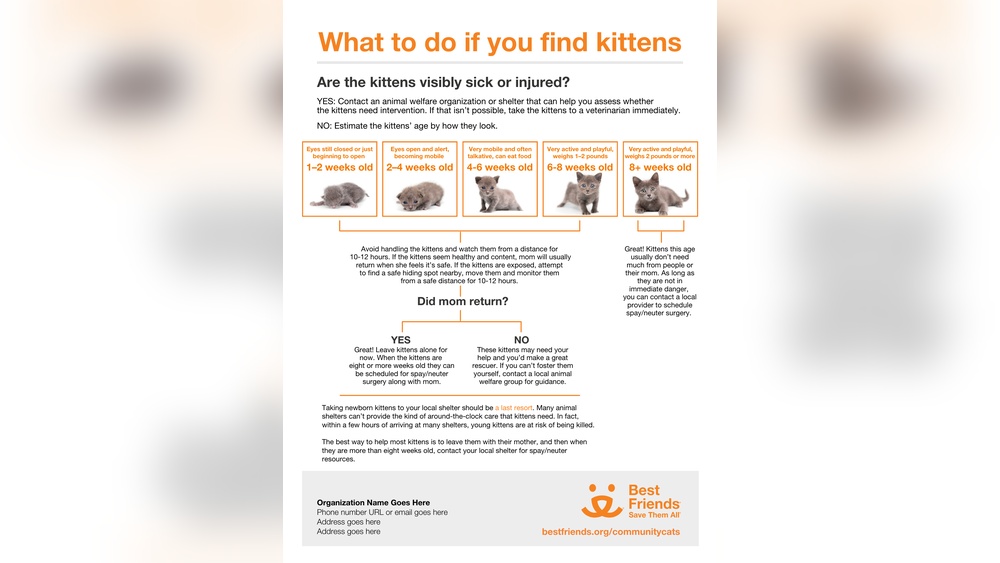
Caring for a neonatal kitten can feel overwhelming, especially if this is your first time. These tiny, fragile creatures need special attention right from the start.
If you want to give your kitten the best chance to grow strong and healthy, you need to know exactly what to do—and what to watch out for. You’ll discover the essential steps and tools you need to care for your newborn kitten with confidence.
Keep reading to learn how to meet your kitten’s unique needs and create a safe, loving environment that helps them thrive.
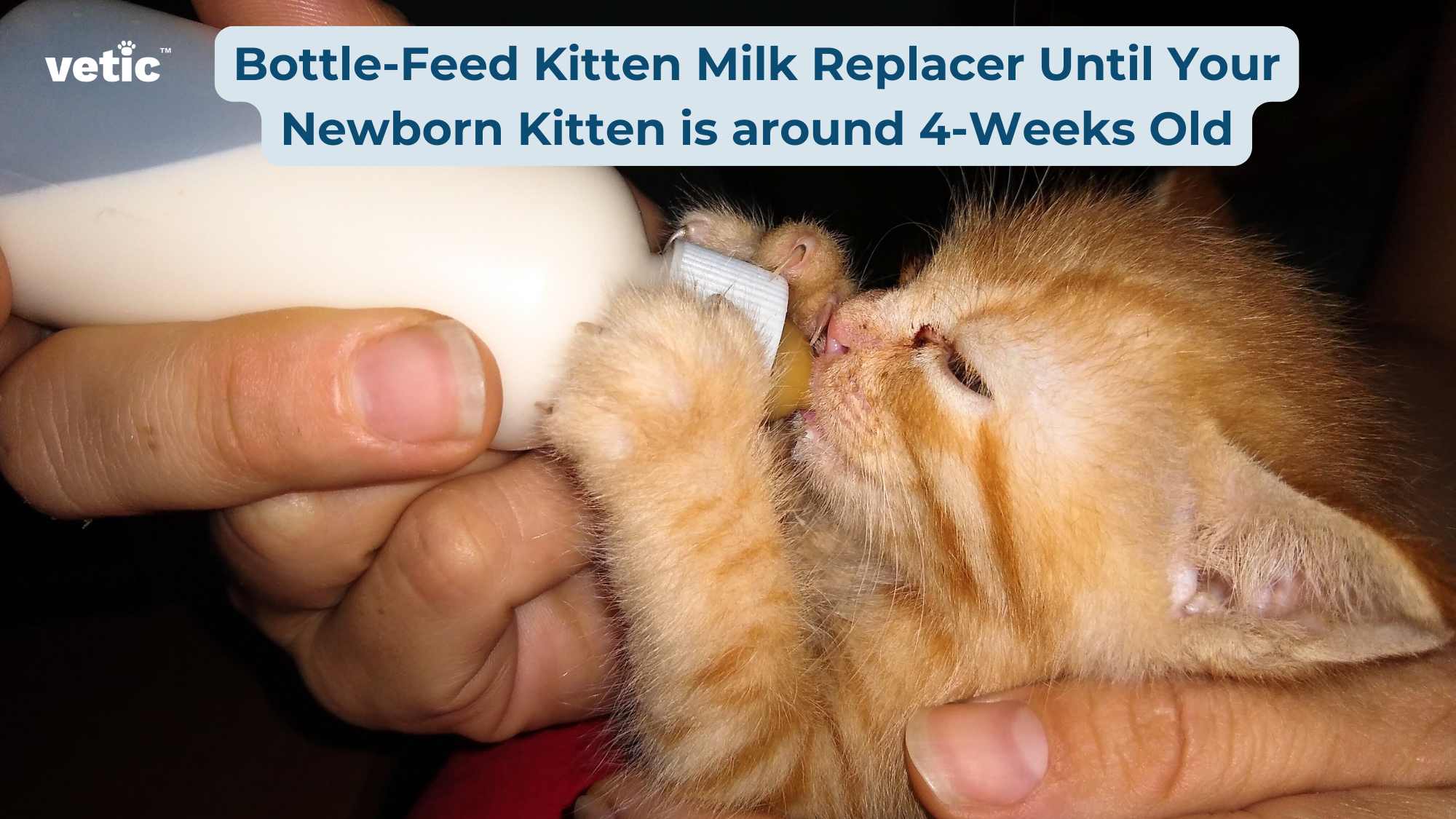
Credit: vetic.in
Preparing For The Kitten’s Arrival
Preparing for a neonatal kitten’s arrival is key to giving it a strong start. Newborn kittens need care and comfort from the first moment. Setting up the right environment and having supplies ready can make a big difference. It helps the kitten feel safe and loved.
Setting Up A Safe Space
Create a warm, quiet, and clean area for the kitten. Use a small box or a pet bed with soft blankets. Make sure the space is away from noise and drafts. Keep the temperature steady, around 85°F (29°C), as newborns cannot regulate their body heat. Add a heating pad under the bedding, but cover it with a towel to avoid burns. The safe space should be easy to reach for feeding and checking the kitten.
Gathering Necessary Supplies
Have all supplies ready before the kitten arrives. Essential items include kitten formula, feeding bottles, and small syringes. Use kitten-specific formula; cow’s milk can upset their stomach. Keep soft cloths or cotton balls for cleaning. Have a small scale to track the kitten’s weight daily. Prepare a heating source and a thermometer to monitor temperature. These supplies help provide proper care and comfort to your new kitten.

Credit: www.humanesocietyofvaldosta.org
Feeding Newborn Kittens
Feeding newborn kittens is a critical task that ensures their growth and health. Newborns cannot eat solid food and depend solely on milk. Proper feeding helps build their immune system and supports vital development during their first weeks. Careful attention to feeding methods can prevent common health issues.
Choosing The Right Formula
Use a kitten milk replacement formula, not cow’s milk. Kitten formula has the right nutrients for their needs. Find formulas designed specifically for newborn kittens at pet stores or from a vet. Avoid homemade recipes unless approved by a professional. Proper nutrition starts with the right formula.
Proper Bottle Feeding Techniques
Warm the formula to about body temperature before feeding. Test it on your wrist to avoid burns. Hold the kitten in a natural, belly-down position. Use a small bottle with a slow-flow nipple. Let the kitten suck gently, never force the milk. Watch for choking or coughing and stop feeding if it happens.
Feeding Schedule And Amounts
Feed kittens every two to three hours, including overnight. Newborns eat small amounts but often. Start with about 2-3 ml per feeding. Increase the amount as the kitten grows. Keep a feeding log to track amounts and times. Consistent feeding supports steady weight gain and health.
Maintaining Warmth And Comfort
Newborn kittens cannot keep their body temperature steady. They need help to stay warm and feel safe. Warmth is very important for their health and growth. Without enough heat, kittens can get sick fast. Comfort makes them calm and helps them sleep well.
Ideal Temperature For Neonates
The best temperature for newborn kittens is between 85 and 90 degrees Fahrenheit during their first week. After the first week, the temperature can slowly drop to about 80 degrees. Keep the area cozy but not too hot. Too much heat can harm the kittens. Use a thermometer to check the temperature often.
Using Heating Pads And Warmers
Heating pads and warmers are useful tools to keep kittens warm. Place a heating pad under a blanket or towel. Never put kittens directly on the heating pad to avoid burns. Check the heat level regularly. Warm water bottles wrapped in cloth also work well. Make sure there is space for the kittens to move away if they get too warm.
Helping With Elimination
Newborn kittens cannot urinate or defecate on their own. They need help to eliminate waste. This care is crucial for their health. Without it, they may become sick or uncomfortable. Helping with elimination is part of daily kitten care.
Stimulating Urination And Defecation
Use a soft, warm cloth or cotton ball. Gently rub the kitten’s genital area. This action mimics the mother cat’s licking. Do this after every feeding. Keep rubbing until the kitten urinates or defecates. Usually, it takes a few minutes. Be gentle to avoid hurting the kitten. This step helps keep the kitten healthy and clean.
Cleaning And Hygiene Tips
Clean the kitten’s bottom after elimination. Use a damp, warm cloth or baby wipe. Pat the area dry with a soft towel. Avoid harsh soaps or chemicals. Keep the kitten’s bedding clean and dry. Change bedding often to prevent infections. Wash your hands before and after care. Good hygiene protects both you and the kitten.
Monitoring Health And Growth
Monitoring the health and growth of a neonatal kitten is vital for its survival. Newborn kittens change quickly. Careful observation helps catch problems early. Healthy kittens grow steadily and show energy. Any delays or unusual signs need quick attention. Tracking health ensures the kitten gets the best start.
Tracking Weight And Development
Weigh the kitten daily at the same time. Use a small, precise scale. Note the weight in a notebook or app. Healthy kittens gain about 10 grams each day. Watch for steady growth patterns over weeks. Also, check physical changes like eye opening and mobility. These signs show proper development progress.
Recognizing Signs Of Illness
Look for changes in behavior or appearance. A sick kitten may be weak or quiet. Check for trouble breathing or coughing. Notice if the kitten refuses to eat. Diarrhea or vomiting can signal illness. Cold or pale gums are a serious warning. Early detection leads to faster recovery. Act quickly if any signs appear.
Socializing And Handling
Socializing and handling are key for raising healthy neonatal kittens. These early moments shape their trust and comfort with people. Careful interaction helps kittens grow confident and calm. Start gentle and keep sessions short. Watch their reactions and adjust your touch. Proper handling builds a strong bond and supports healthy development.
Gentle Handling Practices
Hold kittens softly using both hands. Support their body and head. Avoid sudden moves or loud noises. Touch their paws, ears, and tail gently. Short sessions work best to prevent stress. Handle kittens daily to help them get used to touch. Always be calm and quiet during handling. This makes kittens feel safe and secure.
Encouraging Early Social Skills
Introduce kittens to different sounds and smells. Let them meet friendly people in a calm way. Encourage gentle play with soft toys. Praise calm behavior with quiet voice. Social skills help kittens adapt to new environments. Early exposure reduces fear and builds trust. Keep interactions positive and slow. This helps kittens grow into well-adjusted cats.
When To Seek Veterinary Care
Knowing when to take a neonatal kitten to the vet is very important. These tiny kittens are fragile and can get sick quickly. Early care can save their lives and help them grow strong. Watch for signs that need expert help.
Common Emergencies
Some signs mean urgent vet care is needed. If the kitten stops breathing or gasps for air, act fast. Severe diarrhea or vomiting can cause dangerous dehydration. A very cold or very hot body temperature is a red flag. If the kitten is weak, not feeding, or unresponsive, take it to the vet right away. Sudden swelling or bleeding also needs quick attention.
Regular Health Checkups
Regular vet visits help catch problems early. Newborn kittens should see a vet in the first week. Follow-up visits keep track of growth and health. Vaccinations and parasite control start at the right time. The vet checks for infections and congenital issues. Routine care makes sure the kitten stays healthy and strong.
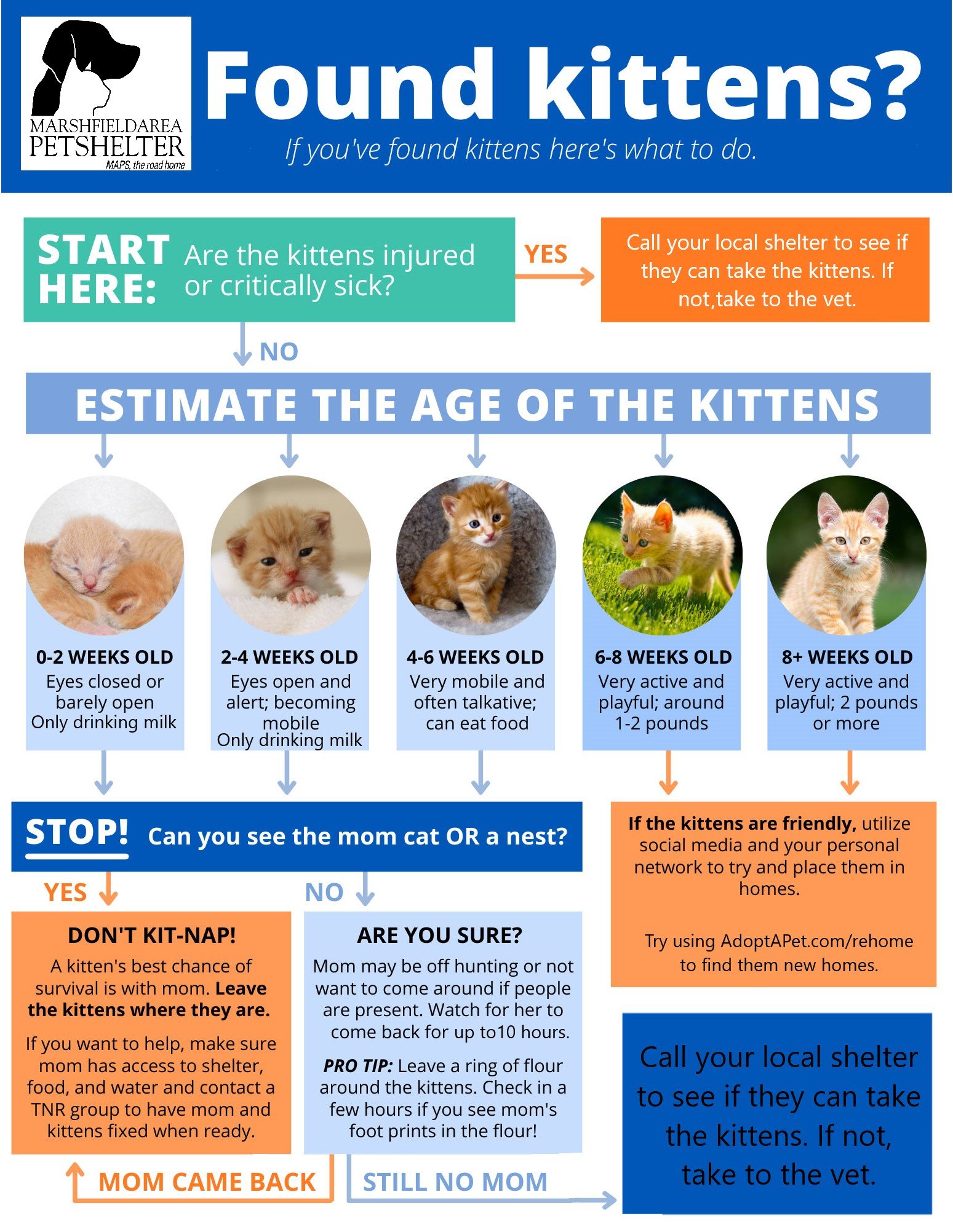
Credit: www.marshfieldpetshelter.org
Frequently Asked Questions
How Do I Feed A Neonatal Kitten Properly?
Feed neonatal kittens with kitten milk replacer every 2-3 hours. Avoid cow’s milk as it causes digestive issues. Use a small bottle or syringe for feeding. Keep the kitten warm during and after feeding to aid digestion.
What Temperature Should A Neonatal Kitten’s Environment Be?
Maintain a warm environment of 85-90°F (29-32°C) during the first week. Gradually reduce to 80°F (27°C) by the fourth week. Use heating pads or warm blankets, ensuring the kitten can move away if it gets too hot.
How Often Should I Stimulate A Neonatal Kitten To Urinate?
Stimulate urination after every feeding with a warm, damp cloth. Gently rub the kitten’s genital area to encourage elimination. This helps prevent urinary issues since neonatal kittens cannot urinate on their own initially.
When Should A Neonatal Kitten Start Socializing?
Begin gentle handling and socialization at 2-3 weeks old. This helps kittens develop trust and reduces fear. Provide a calm, quiet environment for positive interactions. Socialization is key for healthy emotional growth.
Conclusion
Caring for a neonatal kitten takes time and patience. Keep the kitten warm and fed regularly. Watch for signs of illness and act quickly. Gentle handling helps the kitten feel safe. Clean bedding and a quiet space are important. Small steps make a big difference in health.
Your care helps the kitten grow strong and happy. Every moment counts in these early days. Trust your instincts and ask for help if needed. This care sets the kitten on the path to a good life.