
Have you noticed your cat grooming less than usual? It might seem like a small change, but it can tell you a lot about your furry friend’s health and happiness.
When a cat grooms less, it could mean discomfort, stress, or even illness. Understanding why this happens can help you catch problems early and keep your cat feeling their best. Keep reading to learn the key signs to watch for and what you can do to support your pet’s well-being.
Normal Grooming Habits
Cats spend a good part of their day grooming. It is a natural habit that keeps them clean and healthy. Grooming is more than just cleaning fur. It helps cats feel calm and comfortable. Understanding normal grooming habits helps you notice when something is wrong.
Every cat has its own grooming style. Some cats groom many times a day. Others do it less often. Knowing what is normal for your cat is important. It helps you spot changes early.
Frequency Of Cat Grooming
Cats usually groom themselves several times a day. Short grooming sessions happen often. This keeps their coat smooth and free of dirt. Some cats spend up to 50% of their awake time grooming. The exact amount varies by breed and personality. Regular grooming prevents hair mats and skin issues.
Benefits Of Grooming
Grooming removes loose fur and dirt. It also spreads natural oils across the coat. This keeps fur soft and shiny. Grooming helps cats cool down in warm weather. It reduces stress and anxiety. The action of licking can calm cats during tense moments. Grooming also helps cats bond with each other when they lick one another.
Age And Grooming Changes
Kittens start grooming themselves at a few weeks old. As cats age, their grooming habits may change. Older cats may groom less due to joint pain or illness. Sometimes, senior cats miss spots or have dull fur. Watch for sudden drops in grooming. It can signal health problems that need a vet’s attention.

Credit: www.amazon.com
Reasons For Reduced Grooming
Cats usually groom themselves to stay clean and healthy. Grooming also helps them relax. When a cat grooms less, it can signal a problem. Understanding why your cat grooms less is important. Several reasons can cause reduced grooming. Some relate to health, while others involve emotions or the environment.
Health Issues
Health problems often cause cats to groom less. Pain from arthritis or injuries can make grooming hard. Skin conditions like infections or allergies may also stop grooming. Illness can lower energy, so cats avoid grooming. Dental problems can cause pain, reducing grooming behavior.
Stress And Anxiety
Stress can change a cat’s grooming habits. Anxiety from loud noises or new people can cause less grooming. Cats under stress might feel unsafe or uncomfortable. Stress can lower their interest in self-care. Grooming helps calm cats, but too much stress can stop it.
Environmental Changes
Changes in a cat’s environment can affect grooming. Moving to a new home can cause stress and less grooming. New pets or family members may make cats uneasy. A change in routine or noise level can also affect grooming. Cats need time to adjust to new surroundings.
Common Warning Signs
Cats groom themselves to stay clean and healthy. A decrease in grooming can signal health problems. Noticing warning signs early helps protect your cat’s well-being.
Unkempt Fur
Fur looks messy or greasy. Clumps of hair may appear. Your cat may have bald spots. These signs show grooming has decreased. It can lead to skin infections or discomfort.
Skin Problems
Redness, flakes, or sores may develop. Scratching and biting spots increase. Skin can become dry or irritated. These issues often mean your cat is not grooming properly. They may also show allergies or illness.
Behavioral Changes
Your cat may seem tired or withdrawn. It might hide more than usual. Appetite can drop without clear reasons. Less grooming often links to stress or pain. Watch for these changes closely to help your cat.
Credit: paw-swing.com
Health Conditions Linked To Grooming
Cats groom to keep clean and healthy. Less grooming can signal health problems. Changes in grooming habits should not be ignored. Health issues may cause discomfort or pain, reducing grooming activity.
Dental Problems
Painful teeth or gums stop cats from grooming. Dental disease makes cats avoid using their mouth. They may eat less and groom less. Check your cat’s mouth for redness or bad smell. Regular dental care helps prevent this problem.
Arthritis And Mobility Issues
Older cats often suffer from arthritis. Joint pain makes bending or turning hard. Grooming requires flexibility, so pain limits this activity. Cats with arthritis may miss spots while grooming. Gentle exercise and vet care can ease pain.
Skin Infections And Parasites
Infections or parasites cause itching and pain. Cats may stop grooming to avoid hurting themselves. Look for redness, sores, or hair loss. Fleas and mites can cause intense discomfort. Treating skin problems helps cats groom again.
When To Visit The Vet
Noticing your cat grooming less can signal health issues. Cats usually keep themselves clean. A drop in grooming might mean pain, stress, or illness. Knowing when to visit the vet is crucial. Early visits can prevent serious problems. Watch your cat closely and act fast.
Identifying Urgent Symptoms
Some signs need quick vet attention. Look for sudden weight loss or swelling. Notice if your cat hides or limps. Check for wounds or hair loss patches. Watch for changes in eating or drinking habits. Unusual behavior or breathing trouble also matters.
Preparing For The Vet Visit
Keep calm to help your cat stay calm. Bring a small towel to wrap your cat safely. Write down any changes in behavior or health. List your cat’s diet and any medicines given. Bring your cat’s medical records if available. Plan for travel time and a quiet carrier.
Diagnostic Tests
The vet may use tests to find the cause. Blood tests check organ function and infections. Skin scrapings help spot parasites or allergies. X-rays or ultrasounds show internal problems. Urine tests reveal kidney or bladder issues. These tests guide the right treatment plan.
Credit: insightvetwellness.com
Helping Your Cat Groom More
Cats groom themselves to stay clean and healthy. When grooming decreases, it may signal discomfort or stress. Helping your cat groom more can improve its well-being and happiness.
Small changes at home can support your cat’s grooming habits. Focus on comfort, stress reduction, and regular care. These steps encourage your cat to groom naturally and often.
Improving Comfort And Mobility
Check your cat for any pain or stiffness. Joint pain can stop grooming in hard-to-reach areas. Provide soft bedding and easy access to favorite spots. A gentle vet exam can find hidden issues. Pain relief or supplements may help your cat move better.
Reducing Stress
Stress can cause a cat to groom less or over-groom. Create a quiet, safe space for your cat to relax. Keep a routine for feeding and playtime. Use calming products like pheromone diffusers. Spend calm time together to build trust and lower anxiety.
Regular Brushing And Care
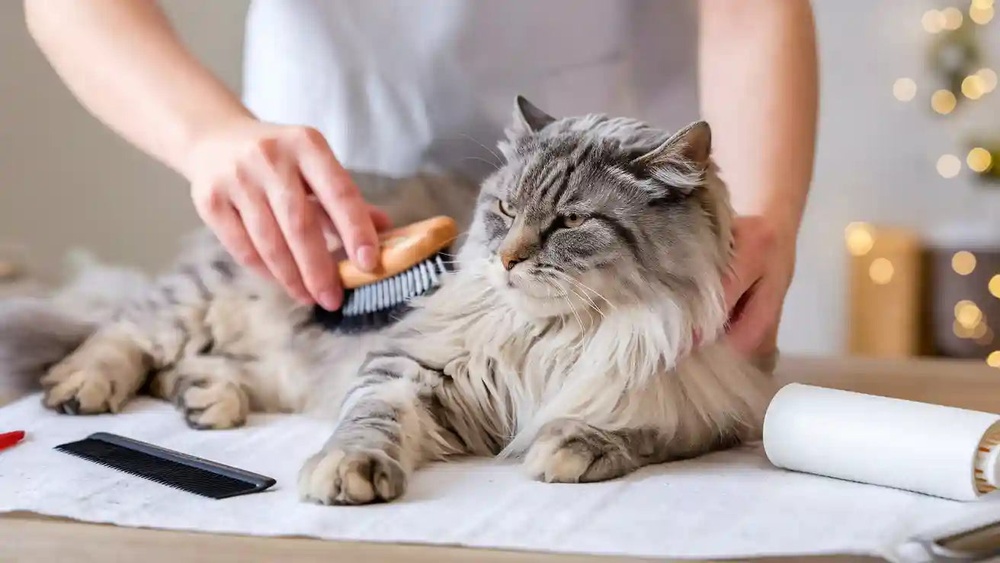
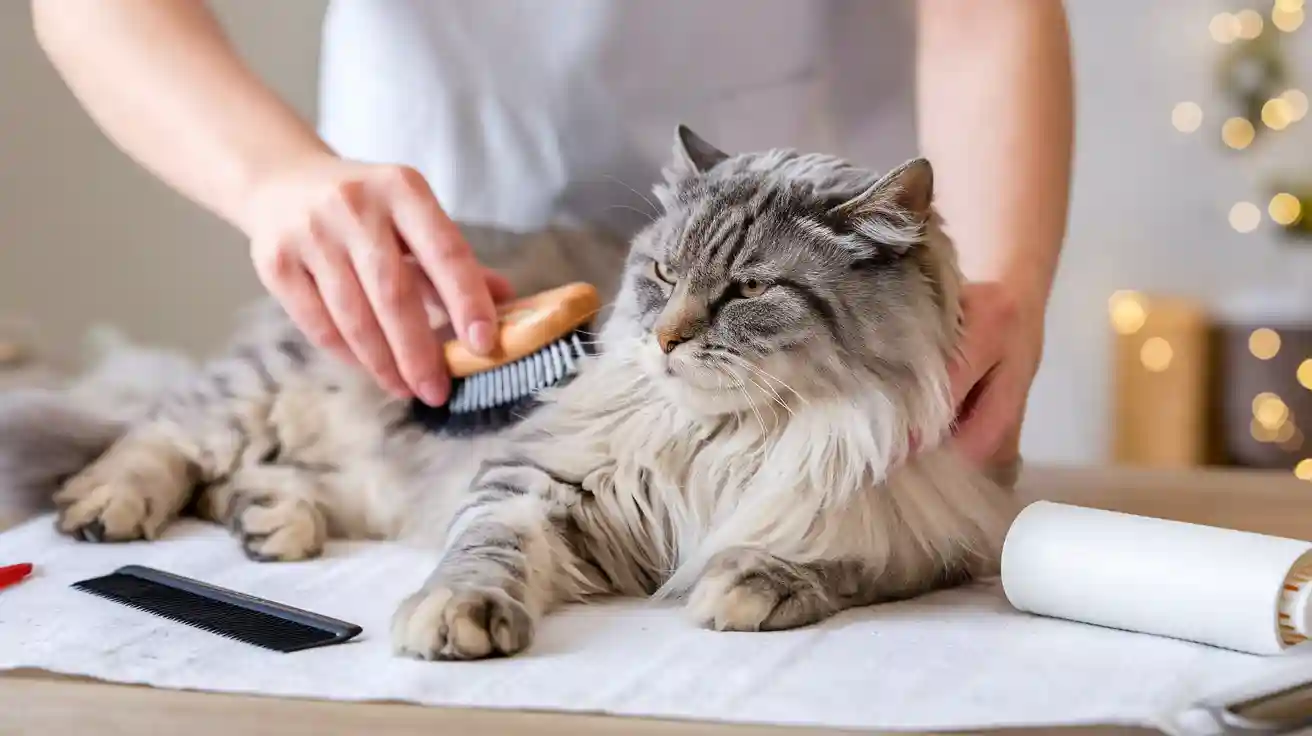
Brush your cat regularly to remove loose fur. Brushing helps prevent mats that block grooming. Use a soft brush suited for your cat’s fur type. Check for skin problems or parasites during grooming. Gentle care can make grooming easier and more pleasant for your cat.
Frequently Asked Questions
Why Is My Cat Grooming Less Than Usual?
Cats groom less when stressed, sick, or aging. Reduced grooming may signal health issues like dental problems, arthritis, or skin infections. It’s important to observe other symptoms and consult a vet for a proper diagnosis and treatment.
Can Less Grooming Indicate Cat Health Problems?
Yes, less grooming often indicates health problems. Cats stop grooming if they feel pain, are ill, or suffer from depression. Early detection helps prevent worsening conditions. Regular vet checkups can identify underlying causes of reduced grooming.
How Can Stress Affect A Cat’s Grooming Habits?
Stress can cause cats to groom less or excessively. Changes in environment, new pets, or loud noises increase stress levels. Stress disrupts normal grooming routines, so reducing stressors helps restore healthy grooming habits.
What Should I Do If My Cat Grooms Less?
If your cat grooms less, monitor their behavior and health. Check for injuries, skin issues, or changes in appetite. Schedule a vet visit to rule out medical problems and get advice on improving grooming habits.
Conclusion
Cats grooming less can signal health or stress issues. Watch your cat’s behavior closely each day. Changes in grooming often mean your cat needs help. Offer comfort, check for illness, and keep visits to the vet regular. A clean, happy cat feels better and lives well.
Small steps can make a big difference for your furry friend. Stay patient and caring to keep your cat healthy and calm.