
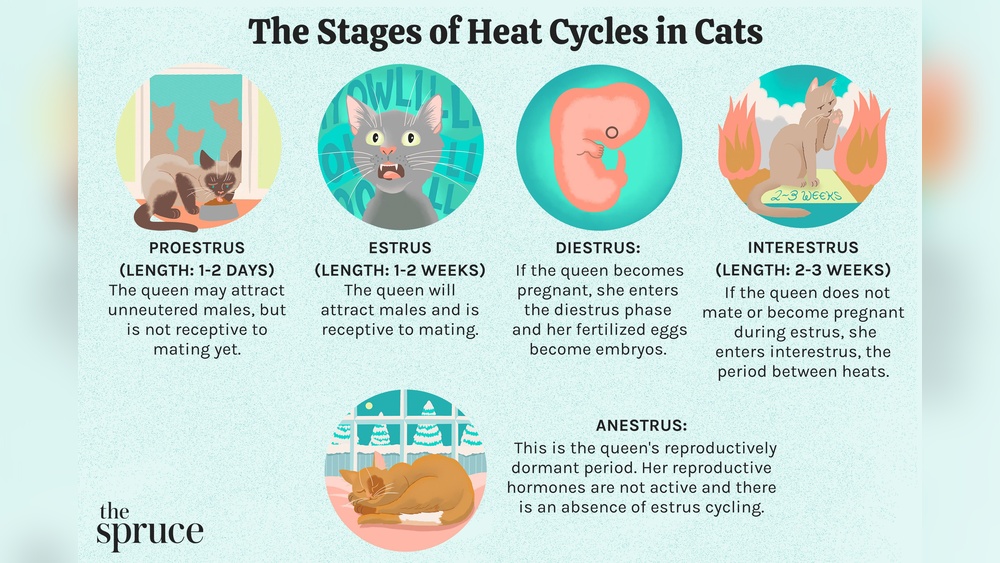
Have you ever wondered why female cats used for breeding are called “queens”? It’s a term you might hear often if you’re into cat breeding or just curious about feline care.
But where did this unusual title come from? Understanding the story behind calling breeding cats “queens” can change how you see these animals and the whole breeding process. Keep reading, and you’ll discover the surprising history and reasons behind this royal nickname.
This knowledge will not only impress your friends but also deepen your connection with your feline friends.
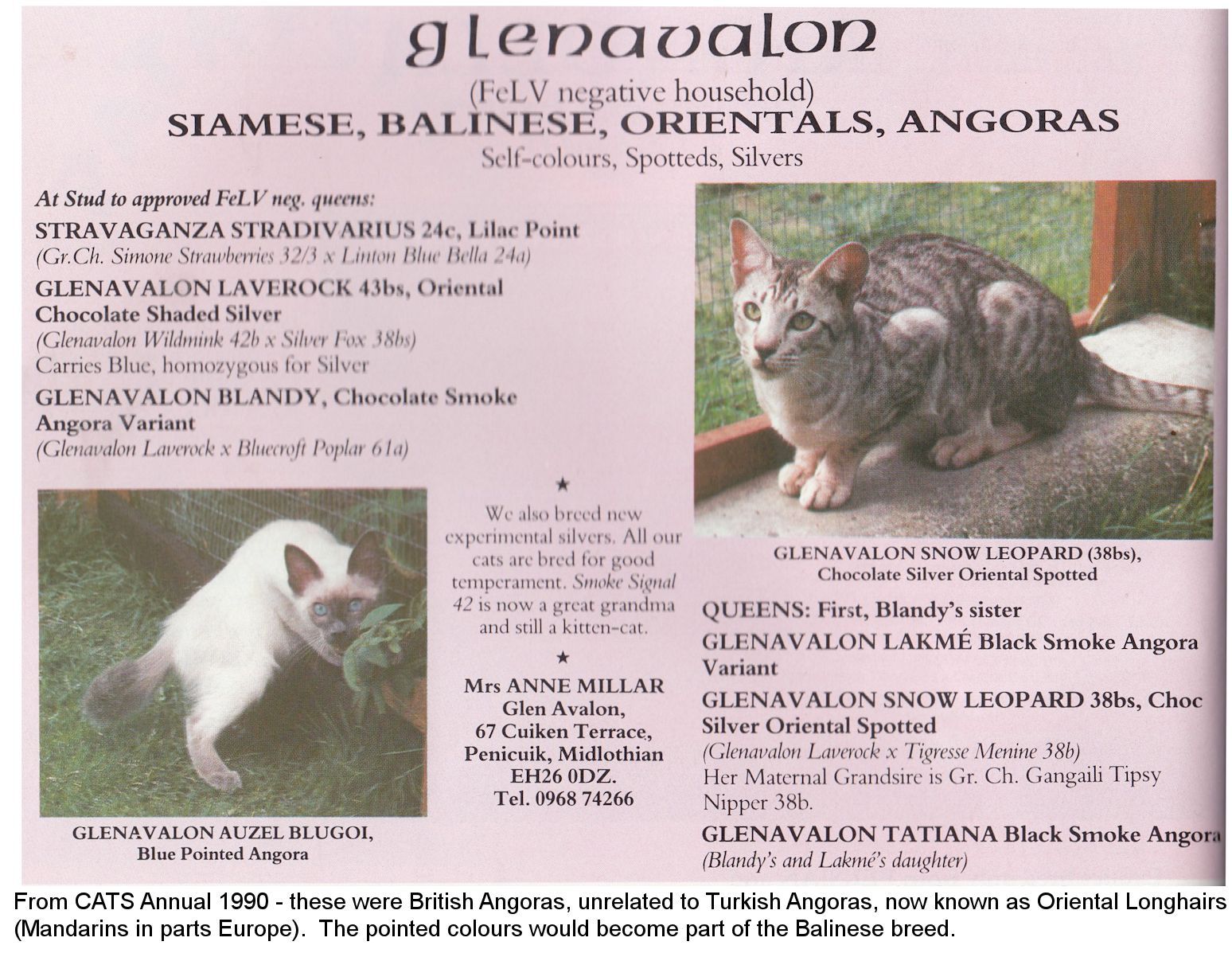
Credit: messybeast.com
Origins Of Cat Breeding Terms
The language used in cat breeding has a long history. It shows how people viewed and cared for cats. Terms like “queen” have interesting origins. These words come from old breeding practices and traditions.
Understanding these terms helps us appreciate cat breeding today. It also reveals how special female cats were in breeding circles. The story of these words is part of cat history.
Early Cat Breeding Practices
Cat breeding began thousands of years ago. People bred cats to keep certain traits. Early breeders watched cats closely. They chose the best cats to mate.
These early efforts shaped the cats we see today. Breeding was careful and showed respect for cats. Specific words started to describe different cats in breeding.
Historical Names For Female Cats
Female cats have had many names over time. Some words came from hunting and farming culture. One old term was “queen” for a female cat that breeds.
“Queen” likely relates to the female cat’s role. She is the leader of her litter. This name honors her importance in cat families.
Other terms existed but “queen” became popular in cat shows. It clearly showed the cat’s breeding status. This helped breeders and cat lovers understand each cat’s role.

Credit: en.wikipedia.org
Rise Of The Term ‘queen’
The term “queen” for breeding cats has a unique history. It shows respect and importance for female cats in breeding. Over time, the name “queen” became popular in the cat breeding world. This rise reflects changes in how people see cats and their roles. The story of this word is both interesting and revealing.
First Recorded Uses
The first known use of “queen” for female cats appears in old cat breeding books. Writers used it to describe healthy female cats used for mating. The word helped separate breeding cats from pets. Early cat fanciers adopted “queen” to show respect for these important cats. This term slowly spread through cat shows and clubs.
Cultural Influences On Terminology
Different cultures influenced the rise of the term “queen.” In English, queens symbolize power and grace. Breeders borrowed this idea for female cats. In some places, cats had royal status in stories and myths. These ideas made “queen” a fitting title for breeding females. The term also made cat breeding sound more official and serious.
Breeding Communities And Language
Breeding communities have shaped the language used for cats. These groups use special terms to describe cats during breeding. One such term is “queen,” which refers to female cats used for breeding. The word’s use grew with the rise of organized cat breeders and clubs. Language in these circles helps keep things clear and professional.
Using clear terms avoids confusion in breeding and care. It also shows respect for the cats and the breeders’ work. The language spread beyond these groups, becoming common in many cat-related conversations.
Role Of Cat Fanciers And Clubs
Cat fanciers and clubs played a big part in popularizing “queen.” These organizations set rules for breeding and showing cats. They needed clear names for different types of cats. Female breeders were called queens to highlight their role in producing kittens.
These clubs shared this language in meetings, newsletters, and shows. Members used the term often, making it familiar to many cat lovers. The clubs helped standardize terms so breeders worldwide could communicate easily.
Spread Through Literature And Media
Books and magazines about cats used “queen” more and more. Writers and editors chose this term to sound professional and knowledgeable. Articles about breeding cats explained why female breeders are called queens.
TV shows and online videos about cats also used the term. This helped many people learn the word and its meaning. Today, “queen” is a common word in the cat breeding world and beyond.
Why ‘queen’ Fits Female Breeders
The term “queen” fits female cat breeders perfectly. It highlights their special role in cat breeding. Female cats that breed hold an important place in cat families. Calling them queens shows respect and importance.
Using “queen” gives a sense of royalty and strength. It suits the female cat’s role as the mother and caretaker of kittens. The word also reflects pride and dignity in breeding cats.
Symbolism And Status
The word “queen” symbolizes power and leadership. Female cats who breed are seen as leaders of their litters. They protect and nurture their kittens. This role is similar to a queen’s role in a royal family.
Calling a breeding female cat a queen adds status. It shows she is more than just a pet. She is a key part of the breeding process. This term gives her a special place in the cat world.
Comparison With Other Animal Breeding Terms
Other animals have different terms for breeding females. For example, female dogs are often called “bitches.” Female horses are called “mares.” These words describe the animal’s role clearly.
The term “queen” is unique for cats. It sounds more respectful and noble than other terms. This reflects the special bond between cats and humans. It also makes cat breeding sound more elegant and important.
Modern Usage And Variations
The term “queen” for breeding female cats has evolved over time. Today, its use varies by region and community. Understanding these modern uses helps clarify cat breeding language. The variations also reflect cultural and linguistic differences around the world.
Global Differences In Terminology
In English-speaking countries, “queen” is the common term for a female breeding cat. Some regions use other names, like “dam” in parts of Europe and Australia. Non-English speakers may have unique words that translate differently. These terms often depend on local cat breeding traditions and language habits. The meaning stays close, but the words shift with culture.
Contemporary Breeding Language Trends
Today, breeders use clear, simple language to describe cats. “Queen” is standard in many cat clubs and shows. Online forums and social media help spread this term worldwide. Some breeders add adjectives like “show queen” or “breeding queen” for clarity. Language changes slowly, but the word “queen” remains strong and popular.

Credit: maddcappgames.com
Frequently Asked Questions
When Did Cat Breeders Start Calling Females “queens”?
The term “queen” for breeding female cats began in the early 20th century. It likely originated from cat fanciers and breeders to denote respect and importance. The word emphasizes the female’s role in producing kittens, similar to a queen bee or queen ant in other species.
Why Are Breeding Female Cats Called Queens?
Breeding female cats are called queens because of their reproductive role. The term highlights their status and importance in cat breeding circles. It also reflects the historical tendency to associate female animals with regal titles when involved in reproduction.
Is The Term “queen” Used Worldwide For Breeding Cats?
Yes, “queen” is widely used internationally among cat breeders. It is a standard term in English-speaking countries and commonly understood in the global cat fancy community. However, some regions may have local terms or variations.
Does The Term “queen” Apply To All Female Cats?
No, “queen” specifically refers to intact female cats used for breeding. Spayed or non-breeding females are not called queens. This distinction helps breeders and vets communicate clearly about a cat’s reproductive status.
Conclusion
The term “queen” for breeding cats started long ago. People needed a clear way to describe female cats used for breeding. This helped breeders and cat lovers talk easily about cats. The name shows respect for the female cat’s role.
Knowing this helps us understand cat breeding history better. Now, you can share this interesting fact with others. It makes talking about cats more fun and clear. Breeding cats will always have special names that tell their story.