

Are you curious about when your cat might start breeding? Understanding the right time for your feline friend to begin breeding is important for their health and well-being.
Knowing this can help you make smart decisions and avoid surprises. You’ll discover the key signs and ideal age for cats to start breeding. Keep reading to learn how to care for your cat during this critical time and make sure everything goes smoothly.
Credit: spayneuter.org
Cat Sexual Maturity
Cats reach sexual maturity before they start breeding. This means they can reproduce once they hit a certain age. Knowing when cats become mature helps owners care for them better. It also prevents unwanted litters and health risks. Sexual maturity varies among cats. Some mature early, while others take more time. Understanding this phase is important for responsible cat care.
Age Range For First Heat
Most female cats experience their first heat between five and twelve months. Some smaller breeds may start as early as four months. Larger cats often wait longer, sometimes up to fourteen months. Male cats become fertile around six to twelve months. Early or late maturity depends on the cat’s breed and health. The first heat signals the start of the breeding cycle.
Factors Influencing Maturity
Several factors affect when cats become sexually mature. Genetics play a big role in timing. Nutrition also impacts growth and maturity speed. Cats with good diets may mature faster. Environment influences maturity too. Indoor cats often start their cycles earlier than outdoor cats. Stress and health problems can delay maturity. Understanding these factors helps manage breeding responsibly.
Signs Of Heat In Female Cats
Female cats show clear signs when they enter heat. Recognizing these signs helps owners understand their cat’s needs. Heat cycles begin as early as five months of age. During this time, female cats become ready to mate. Their behavior and body change noticeably. These changes often repeat every few weeks until the cat mates or the season ends.
Behavioral Changes
Female cats become more vocal during heat. They often meow loudly and frequently. Cats may rub their bodies against furniture or people more. They show more affection and seek attention constantly. Restlessness and pacing around the house are common. Some cats try to escape outdoors to find mates. They may roll on the floor or assume a mating position. These behaviors help signal their readiness to mate.
Physical Symptoms
Swelling of the cat’s genital area is a clear sign. The vulva looks larger and redder than usual. Cats may lick this area more often. They can also show a slight discharge. Their tails often move to the side to allow mating. The cat’s body may appear tense or arched. These physical signs show the cat is fertile and ready to breed.
Male Cat Breeding Readiness
Understanding male cat breeding readiness helps manage their behavior. Male cats develop at their own pace. Recognizing when they become fertile and show mating behaviors is important. This knowledge supports responsible pet care and breeding decisions.
Age Of Fertility
Male cats usually reach fertility at six months old. Some may mature earlier, around four months. Others take longer, up to a year. Size and breed affect this timing. Fertility means the male can produce sperm capable of fertilizing eggs.
It’s best to wait until a male cat is fully grown. Early breeding can cause health issues. Most vets recommend neutering before fertility starts. This prevents unwanted litters and aggressive behavior.
Mating Behaviors
Male cats show clear signs when ready to mate. They mark territory by spraying strong-smelling urine. This warns other males and attracts females. Vocalizing loudly at night is common. They may roam far from home searching for mates.
Male cats become more aggressive and restless. They often try to escape the house. These behaviors help signal their breeding readiness. Neutering reduces these instincts and calms the cat.
Breeding Seasons And Cycles
Cats have specific times when they breed, influenced by nature. Understanding their breeding seasons and cycles helps in caring for them properly. This knowledge is important for pet owners and breeders alike. Cats do not breed year-round. Their cycles depend on several factors, including light and temperature.
Seasonal Influences
Cats usually start breeding in spring and continue through summer. Longer daylight hours trigger their reproductive hormones. This period offers the best chance for kittens to survive. In colder months, cats often pause breeding. Indoor cats may breed differently due to artificial light. Natural seasons play a big role in the timing of cat breeding.
Heat Cycle Frequency
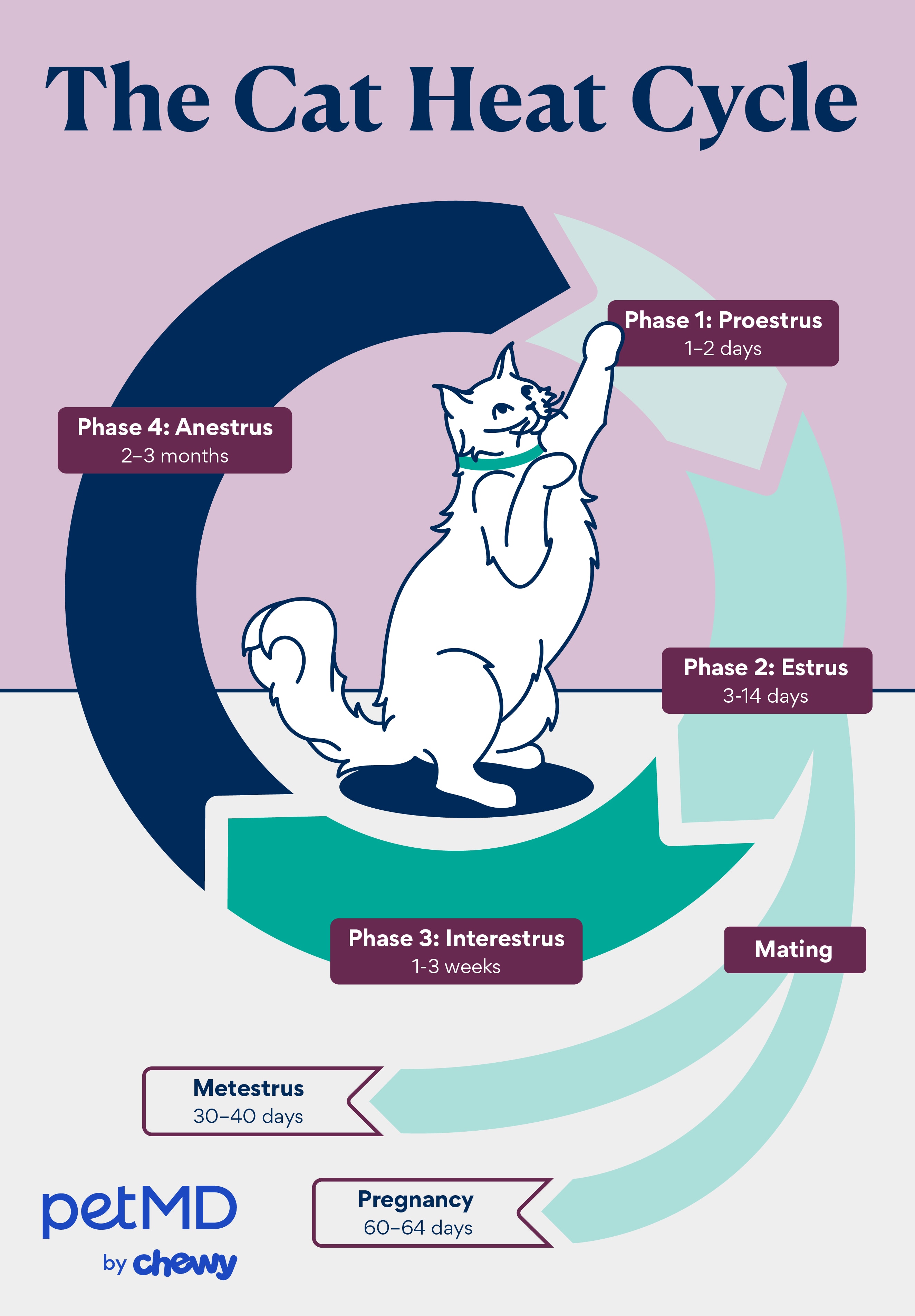
Female cats enter heat every two to three weeks during breeding season. Each cycle lasts about a week. During heat, cats show signs like loud meowing and restlessness. If not bred, the cycle repeats until fall or pregnancy. Male cats are ready to breed anytime females are in heat. Understanding heat cycles helps manage breeding and care.
Risks Of Early Breeding
Early breeding in cats can cause serious problems. Cats that breed too soon face many risks that affect their health and development. Understanding these risks helps owners keep cats safe and healthy.
Health Concerns
Young cats are not ready for pregnancy. Their bodies may struggle to support kittens. This can lead to illness or injury. Complications during birth are common in early breeders. Infections and weak immune systems also increase. Early breeding may shorten a cat’s life span.
Impact On Growth
Breeding too early stops a cat’s growth. The body focuses on pregnancy, not development. Cats may stay smaller or weaker than normal. Bone and muscle growth can slow down. This affects their strength and movement. Early breeding can cause lifelong health problems.
Credit: www.petmd.com
Responsible Breeding Practices
Responsible breeding practices protect the health and well-being of cats. Breeding too early or without care can cause serious problems. Good breeders plan carefully to keep cats safe and healthy. They also help produce strong and happy kittens.
Understanding when and how to breed cats is important. Following the right steps makes the process safer for the mother and her babies. It also supports the larger goal of caring for cats properly.
Timing Breeding Appropriately
Cats should only breed after reaching full maturity. This usually happens around one year of age. Breeding before this can harm their growth and health. Waiting helps ensure the mother cat is strong enough. It also increases the chances of healthy kittens.
Breeders must watch the cat’s health and behavior. Breeding during the right season is also important. Cats have natural cycles that affect their readiness. Respecting these cycles reduces stress for the cat.
Veterinary Guidance
Regular vet visits are key to responsible breeding. A vet checks the cat’s health before and after breeding. They help identify any risks or health problems early. Vaccinations and parasite control keep cats safe.
Vets can also advise on proper nutrition and care. Their support improves the chances of a safe pregnancy. It also helps with a smooth delivery and healthy kittens. Professional guidance is essential for every breeder.
Spaying And Neutering Benefits
Spaying and neutering cats is an important choice for cat owners. It helps control the cat population and keeps your pet healthy. Many cat owners ask when cats start breeding and how to prevent problems. Understanding the benefits of spaying and neutering can help make the right decision.
Preventing Unwanted Litters
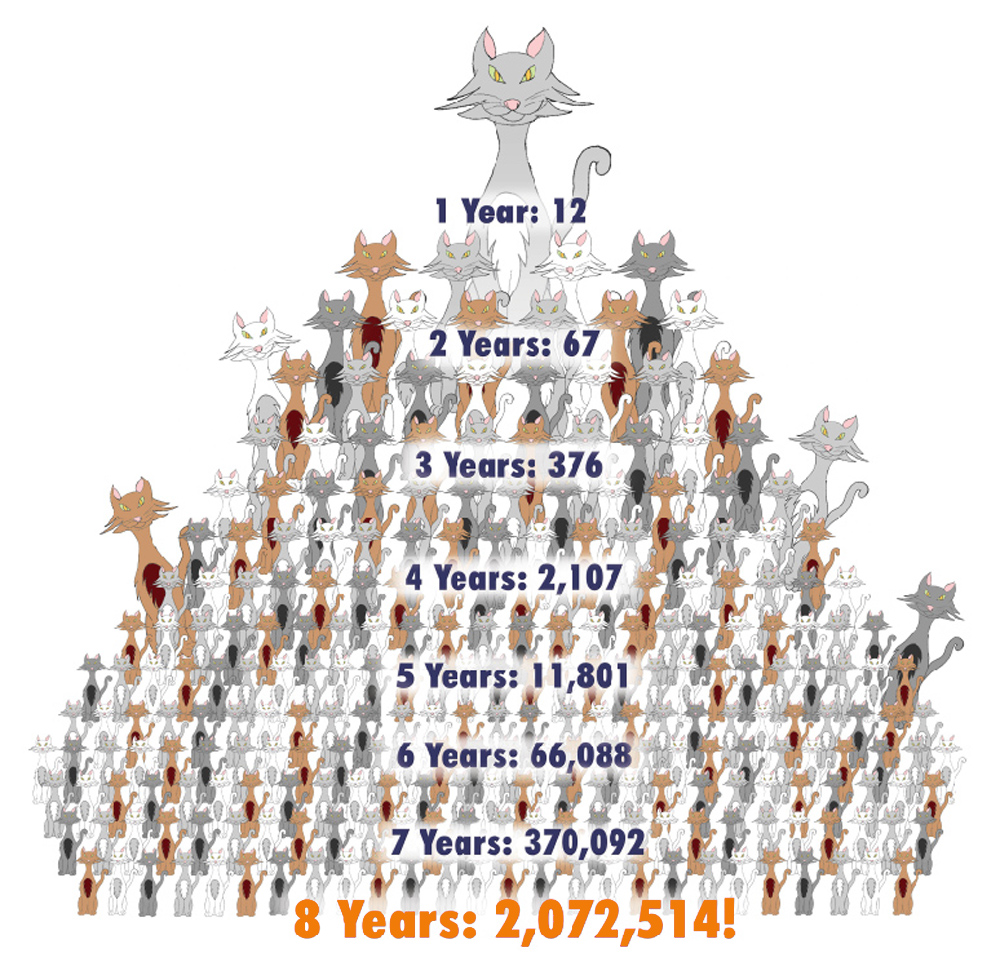
Spaying and neutering stop cats from having kittens. Unplanned litters add to the number of homeless cats. Shelters often cannot care for all cats. Preventing extra litters helps reduce this problem. It also saves you from managing many cats at once. Controlling breeding keeps your community safer and cleaner.
Health Advantages
Spaying and neutering improve your cat’s health. These procedures lower the risk of some cancers. Spayed female cats rarely get uterine infections. Neutered males are less likely to roam and fight. Less fighting means fewer injuries and infections. These surgeries can also calm aggressive behaviors. A healthy cat lives longer and happier.
:strip_icc()/the-cat-mating-game-552391_v4-dabfffab635f4c0bad958505417544f3.png)
Credit: www.thesprucepets.com
Frequently Asked Questions
When Do Cats Typically Start Breeding?
Cats usually begin breeding around 5 to 9 months old. Female cats enter their first heat cycle in this period, signaling readiness to mate. Early breeding depends on breed, environment, and health factors. Proper care and monitoring are essential during this stage.
How Often Do Cats Go Into Heat?
Female cats typically go into heat every 2 to 3 weeks during breeding season. This cycle can last several days. Heat frequency depends on factors like daylight length and climate. Understanding heat cycles helps in managing cat breeding effectively.
What Signs Show A Cat Is Ready To Breed?
Signs include vocalizing loudly, increased affection, restlessness, and raised hindquarters. Female cats may also spray urine to attract males. Recognizing these behaviors helps in identifying when a cat is ready to mate.
Is It Safe For Cats To Breed Early?
Breeding too early, before 1 year, can risk health and development. Early pregnancies may cause complications for both mother and kittens. It’s best to wait until the cat is fully mature for safe breeding.
Conclusion
Cats usually start breeding between 5 and 12 months old. This timing can change based on their breed and health. Female cats go into heat several times a year. Male cats become fertile around the same age. Knowing when cats begin breeding helps you care for them better.
It also helps prevent unwanted litters. Always watch for signs of early breeding. Early care keeps cats healthy and happy. Understanding this topic supports responsible pet ownership.