
Have you ever wondered when your cat might start breeding? Understanding this important stage can help you take better care of your furry friend and avoid surprises.
Knowing the right time can protect your cat’s health and prevent unwanted litters. You’ll discover the key signs, ages, and facts about when cats begin to breed—giving you the confidence to manage your pet’s well-being wisely. Keep reading to learn everything you need to know about your cat’s breeding age.
Cat Sexual Maturity Age
Cats reach sexual maturity at different ages. This stage marks when they can start breeding. Understanding this age helps in managing cats responsibly. It also helps prevent unwanted litters and health issues. Knowing the typical age and factors influencing maturity is important for cat owners.
Typical Age Range
Most cats become sexually mature between 5 and 12 months. Female cats usually enter heat for the first time around 6 months. Male cats start showing signs of maturity between 6 and 12 months. Some cats mature earlier or later, depending on breed and environment. Smaller breeds tend to mature faster than larger ones.
Factors Influencing Maturity
Several factors affect when a cat reaches sexual maturity. Nutrition plays a key role in growth and development. Well-fed cats often mature earlier. Indoor cats may mature faster due to stable conditions. Stress and health problems can delay maturity. Genetics also determine the age at which cats become fertile.
Signs Of Breeding Readiness
Cats show clear signs when they are ready to breed. These signs help owners understand their pet’s natural cycle. Recognizing these signs early helps manage a cat’s health and behavior. It also prevents unwanted litters and stress for both cats and owners.
Behavioral Changes
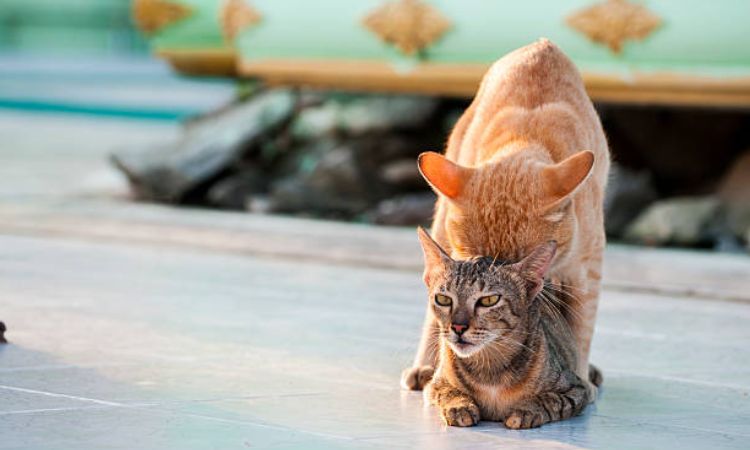
Female cats become more vocal and restless. They often meow loudly and frequently. They may rub against furniture or people more than usual. Some cats display a rolling or crouching posture. This behavior invites male cats to approach. Males may mark territory by spraying urine. They also become more aggressive or protective. These changes signal their readiness to mate.
Physical Indicators
Female cats show swelling and redness in their genital area. This change occurs during their heat cycle. Their vulva appears larger than normal. Male cats develop larger testicles as they mature. Their scent glands produce strong odors to attract females. These physical signs are easy to spot with regular checks. Observing these helps identify the right time for breeding.
Breeding Cycles In Cats
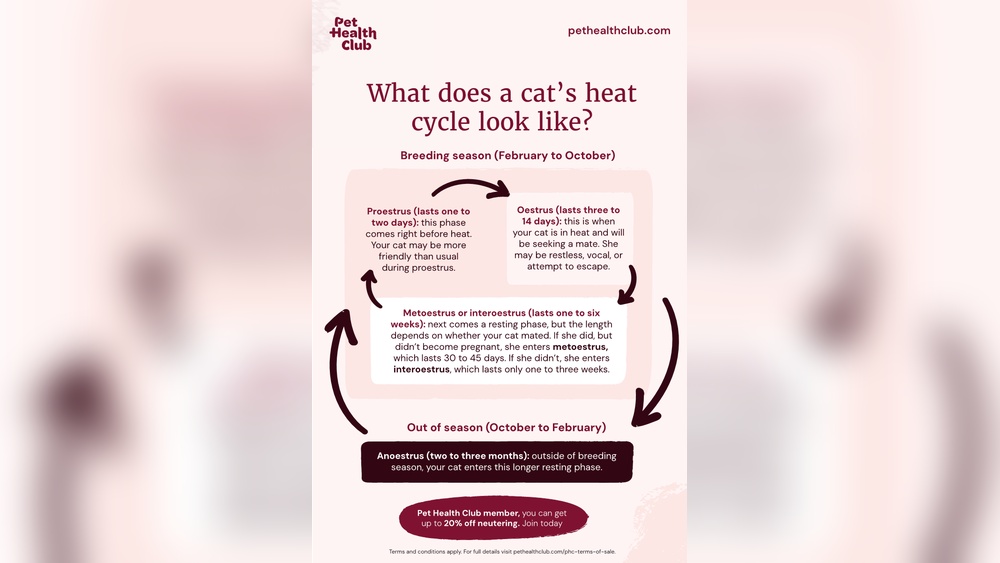
Cats have unique breeding cycles that affect when they can become pregnant. Understanding these cycles helps in managing cat care and breeding. Female cats go through regular heat periods, known as estrus cycles. These cycles repeat several times a year. Each cycle includes different phases that prepare the cat’s body for pregnancy. Knowing about these phases can explain changes in a cat’s behavior during heat.
Estrus Cycle Phases
The estrus cycle has four main phases: proestrus, estrus, metestrus, and anestrus. Proestrus lasts a few days. The cat may show restlessness and slight changes in behavior. Estrus is the heat phase. This is when the cat is fertile and ready to mate. The cat may vocalize loudly and seek attention. Metestrus follows if the cat mates but does not become pregnant. The cat’s body returns to normal. Anestrus is the resting phase with no signs of heat. It occurs during certain seasons or when the cat is pregnant or nursing.
Frequency Of Heat Periods
Female cats can go into heat several times a year. Usually, heat cycles happen every two to three weeks during breeding season. This season depends on daylight and temperature. Most cats have heat cycles from spring to fall. Indoor cats may have cycles all year long. Each heat period lasts about a week. Without mating, the cycle will repeat again soon. Male cats can mate anytime once they reach maturity. They do not have heat cycles but respond to females in heat.
Health Considerations Before Breeding
Breeding cats needs careful health checks. Healthy cats make healthy kittens. Taking steps before breeding protects both mother and babies.
Health checks help find problems early. They also help avoid passing diseases or bad genes to kittens. Let’s look at key health checks before breeding cats.
Vaccinations And Vet Checkups
Vaccinations keep cats safe from many diseases. A vet checkup ensures the cat is strong and ready. Some diseases can harm kittens or cause pregnancy issues. Regular shots and vet visits reduce these risks. The vet also checks for infections or parasites. These problems can affect breeding success.
Genetic Screening
Genetic screening looks for inherited diseases. Some cat breeds have specific health problems. Testing helps spot these issues early. Breeding cats without genetic problems helps avoid sick kittens. It also improves breed quality and lifespan. Ask your vet about genetic tests for your cat’s breed.
Risks Of Early Breeding
Breeding cats too early can cause many problems. Young cats are not ready for pregnancy or raising kittens. Early breeding can harm their health and behavior. Understanding these risks helps protect your cat and her future kittens.
Health Impacts On Young Cats
Young cats often face serious health issues from early breeding. Their bodies may not be fully grown or strong enough for pregnancy. This can lead to difficult births and health problems for both mother and kittens. Early pregnancy raises the risk of infections and complications. It can also reduce the cat’s overall lifespan. Waiting until cats are mature helps keep them healthy and safe.
Behavioral Issues
Early breeding can cause changes in a cat’s behavior. Young cats may become stressed or anxious due to pregnancy. They might act more aggressive or withdrawn than usual. Caring for kittens can overwhelm a young mother. These stress factors can affect how she interacts with people and other pets. Allowing cats to mature before breeding helps maintain balanced behavior.
Credit: nexus-pets.com
Responsible Breeding Practices
Responsible breeding practices protect the health and well-being of cats. Careful planning helps avoid common problems. Ethical breeders focus on the cats’ welfare and future generations.
Breeding is not just about producing kittens. It involves choosing the right cats and preparing properly. This helps ensure strong, healthy offspring and happy cats.
Selecting Suitable Cats
Choose cats with good health and strong genetics. Avoid breeding cats with hereditary diseases. Look for cats with gentle temperaments. Healthy parents increase the chances of healthy kittens.
Check the cats’ vaccination and vet records. Only breed cats that are at least one year old. This age ensures physical and emotional maturity. Avoid breeding cats too young or too old.
Timing And Preparation
Know the right time for breeding. Female cats usually start cycling around six months old. Wait until they are at least one year old to breed. Breeding too early can harm their health.
Prepare the cats with proper nutrition and care. Provide a calm and safe environment during mating. Regular vet check-ups before breeding are important. This helps catch any health issues early.
Caring For Pregnant Cats
Caring for pregnant cats requires special attention and care. Their needs change as they grow and prepare for kittens. Understanding these needs helps keep both mother and babies healthy. A calm and safe space supports a smooth pregnancy. Proper nutrition fuels the mother’s body for her growing family. Creating a quiet area makes the cat feel secure and less stressed.
Nutrition Needs
Pregnant cats need more calories than usual. High-quality food rich in protein supports healthy growth. Feeding kitten food is ideal during pregnancy. It has the right balance of nutrients and energy. Divide meals into smaller portions throughout the day. Fresh water should always be available to keep her hydrated. Avoid giving supplements without a vet’s advice. Proper nutrition helps develop strong kittens and a healthy mom.
Safe Environment Setup
Prepare a quiet, warm, and clean space for your cat. Use soft bedding to keep her comfortable. The area should be away from loud noises and other pets. Limit visitors to reduce stress during pregnancy. Keep the spot easy to access but private enough for rest. Check the space daily for cleanliness and safety hazards. A calm environment helps the cat relax and focus on her kittens.
Credit: www.purina.com
Common Breeding Myths
Many people have wrong ideas about when cats start breeding. These myths can cause confusion and poor choices for cat care. Understanding facts about cat breeding helps keep cats healthy and safe. Below are some common myths that many believe but are not true.
Fertility Misconceptions
Some think cats can breed as soon as they are a few weeks old. This is not true. Cats usually become fertile around five to six months old. Early breeding can harm young cats and their kittens. Female cats have heat cycles that repeat every few weeks during breeding season. Male cats become fertile slightly later but need time to mature.
Another myth is that all cats breed all year. Actually, most cats breed only in warm months. Daylight length affects their fertility. Indoor cats may have different cycles due to artificial light. Knowing the right age and conditions helps prevent unwanted litters.
Breeding Frequency Myths
Many believe cats can breed every month without issues. This is false. Female cats need time to recover between litters. Breeding too often can cause health problems and weak kittens. Experts recommend waiting at least one heat cycle before breeding again.
Some say cats can have many litters a year safely. In reality, frequent breeding strains the mother’s body. Responsible breeders space out litters for the cat’s well-being. Proper care includes rest and good nutrition between pregnancies.
Credit: www.purina.com
Frequently Asked Questions
When Do Cats Typically Start Breeding?
Cats usually start breeding between 5 to 12 months old. This varies by breed and health. Female cats go into heat for the first time around this age.
How Can I Tell If My Cat Is Ready To Breed?
Signs include vocalization, restlessness, and rubbing against objects. Female cats in heat may show swelling and discharge. These behaviors indicate they are ready for mating.
Is It Safe For Cats To Breed At Six Months?
Breeding at six months is possible but not always safe. Cats benefit from being fully grown and healthy before breeding. Early breeding can lead to health risks for both mother and kittens.
What Affects The Breeding Age Of Cats?
Breed, health, nutrition, and environment affect breeding age. Outdoor cats may mature faster due to natural conditions. Proper care can delay or promote readiness to breed.
Conclusion
Cats usually start breeding around six months old. Female cats go into heat several times a year. Male cats become fertile and can father kittens too. Early breeding can cause health risks for young cats. Responsible pet owners should control when cats breed.
Spaying or neutering helps prevent unwanted litters. Knowing cat breeding age helps care for your pet better. Watch your cat’s behavior to spot breeding signs. Healthy cats make healthier kittens. Taking care of your cat’s health is important.