
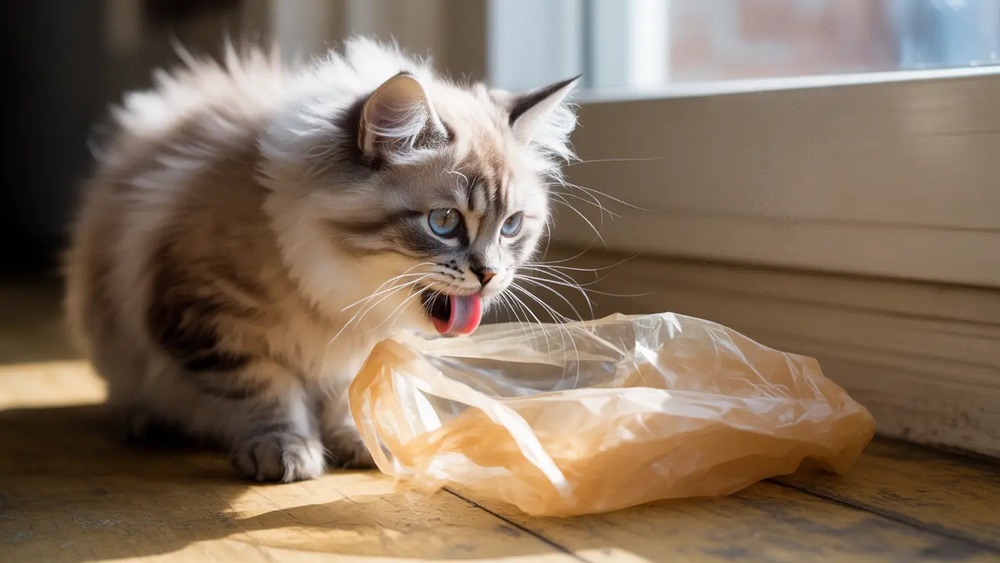
Have you ever noticed your cat licking itself more than usual, especially when its fur feels sticky? It’s natural to wonder why your furry friend suddenly seems uncomfortable or restless during grooming.
Understanding what makes your cat’s fur sticky and how it affects their grooming habits can help you keep your pet happy and healthy. Keep reading to discover the surprising reasons behind sticky fur and what you can do to help your cat feel fresh again.
Common Causes Of Sticky Fur
Sticky fur on a cat can be puzzling and worrying. It often signals an underlying issue that needs attention. Understanding the common causes helps in finding the right solution quickly.
Diet And Hydration Issues
Poor diet can affect a cat’s fur texture. Lack of essential nutrients leads to oily or sticky fur. Cats not drinking enough water may have dry skin, causing fur to clump. Balanced nutrition and hydration keep fur clean and healthy.
Environmental Factors
Sticky fur may result from dirt, dust, or sticky substances outdoors. Cats exploring gardens or litter boxes can get sticky fur easily. Humid or wet weather also makes fur damp and sticky. Regular cleaning of the cat’s environment helps reduce these risks.
Health Problems
Skin infections or allergies cause sticky patches on fur. Conditions like seborrhea make skin oily and fur sticky. Parasites such as fleas lead to excessive scratching and sticky fur. A vet visit is essential to diagnose and treat these issues.
Grooming Habits
Cats that groom too much can cause fur to become sticky. Stress or illness sometimes leads to over-grooming. Older or sick cats may groom less, leaving fur unclean. Helping your cat maintain good grooming habits keeps fur soft and clean.

Credit: www.katdootje.nl
Identifying Sticky Fur Types
Sticky fur on a cat can happen for many reasons. Knowing the cause helps you care for your pet better. Sticky fur feels different depending on what makes it sticky. Some types come from food or drinks. Others come from things outside. Sometimes, sticky fur links to skin problems. Recognizing these types is key to fixing the issue quickly.
Sticky Due To Food Or Drink
Cats often get sticky fur after eating wet food or drinking milk. Sauces, syrups, or sugary drinks can also leave residue. This type of stickiness usually appears around the mouth, chin, or paws. It can attract dirt and germs if not cleaned. A quick wipe with a damp cloth often removes it easily.
Sticky From Outdoor Substances
Outdoor cats may pick up sticky substances like tree sap or mud. Sticky fur can also come from plant sap or sticky berries. These substances can harden if left on the fur too long. Outdoor stickiness often appears on legs, belly, or tail. Regular checks and gentle cleaning help keep your cat comfortable.
Sticky Related To Skin Conditions
Some skin problems cause sticky or oily fur. Conditions like seborrhea or infections make fur feel greasy. This stickiness might come with redness, itching, or hair loss. It needs attention from a vet to avoid pain or spread. Proper treatment can clear the skin and restore healthy fur.
Quick At-home Fixes
Sticky fur can make your cat uncomfortable. Quick at-home fixes help clean your cat gently. These simple methods avoid stress for both of you. Keep your cat calm and safe while cleaning sticky spots. Small steps make a big difference in your cat’s comfort.
Using Gentle Wipes
Choose wipes made for cats only. They remove dirt without harming skin. Gently rub the sticky area with the wipe. Avoid harsh chemicals or strong scents. Wipes work well for small sticky spots. Always test on a small area first.
Bathing Tips For Cats
Use lukewarm water, not too hot or cold. Use a mild cat shampoo, no human soap. Wet only the sticky fur area carefully. Rinse shampoo fully to avoid irritation. Dry your cat with a soft towel. Keep baths short to reduce stress.
Brushing Techniques
Use a soft brush made for cats. Brush gently to remove sticky residue and loose fur. Start with short sessions to avoid scaring your cat. Brush in the direction of hair growth. Regular brushing prevents sticky fur buildup. It also helps your cat stay clean.
Safe Diy Remedies
Use a small amount of coconut oil for sticky spots. It helps loosen sticky substances gently. Apply oil with a soft cloth, then brush fur. Avoid using vinegar or other harsh substances. Always check your cat’s reaction to new treatments. Stop if your cat shows discomfort.

Credit: www.amazon.com
When To See A Vet
Knowing when to see a vet is important if your cat’s grooming is sticky. Sticky fur can mean your cat has a problem that needs care. Sometimes, it is simple dirt. Other times, it can signal health issues. Watch your cat closely. Notice changes in behavior or fur condition. This will help you decide if a vet visit is needed.
Signs Of Infection
Infections can cause sticky fur around wounds or skin. Look for redness, swelling, or bad smell. Your cat may lick the area more than usual. Pus or discharge might appear. These signs show infection. A vet should check your cat quickly to stop the infection from spreading.
Persistent Grooming Issues
Sticky fur that does not improve after cleaning is a concern. Cats usually keep themselves clean. If your cat stops grooming or grooms too much, it may be sick. Persistent sticky fur means your cat might have pain or discomfort. A vet can find the cause and suggest treatment.
Underlying Health Concerns
Sticky fur can hide bigger health problems. Conditions like skin allergies, parasites, or dental pain affect grooming. Sometimes internal issues like arthritis make grooming hard. A vet exam can find these hidden problems. Early care helps your cat feel better and stay healthy.
Preventing Sticky Fur
Sticky fur can make your cat uncomfortable and dirty. Preventing it helps keep your cat healthy and happy. Simple steps can stop fur from becoming sticky and matted. Paying attention to grooming, environment, diet, and behavior is important. Each plays a key role in fur health.
Regular Grooming Routine
Brush your cat often to remove dirt and loose hair. Use a comb suited for your cat’s fur type. Grooming prevents tangles and sticky patches from forming. Check the fur after playtime or eating. Bathing your cat occasionally can help, but not too often. Dry your cat well after baths to avoid damp fur.
Keeping The Environment Clean
Clean your cat’s bedding and living space regularly. Remove dust and spills that can stick to fur. Use safe cleaning products that won’t irritate your cat’s skin. Keep food and water bowls clean to avoid sticky fur near the mouth. A tidy space reduces dirt and sticky substances on fur.
Diet Improvements
Feed your cat a balanced diet with enough water. Good nutrition helps keep fur soft and healthy. Omega-3 and Omega-6 fatty acids improve coat quality. Avoid foods that cause allergies or skin problems. Healthy skin means less sticky and oily fur. Consult a vet for diet advice if needed.
Monitoring Behavior Changes
Watch your cat’s grooming habits closely. Over-grooming can cause sticky fur and skin damage. Under-grooming may lead to dirt buildup and mats. Changes in grooming can signal health issues or stress. Contact a vet if you notice unusual grooming behavior. Early action keeps your cat comfortable and clean.
Credit: www.petscare.com
Frequently Asked Questions
Why Is My Cat’s Fur Sticky After Grooming?
Sticky fur often means your cat has residue from saliva or dirt. It can also indicate skin issues or external substances. Regular grooming helps, but if stickiness persists, consult a vet for possible infections or allergies.
Can Sticky Fur Indicate A Health Problem In Cats?
Yes, sticky fur can signal health issues like skin infections, allergies, or parasites. It may cause discomfort and excessive licking. If your cat’s fur remains sticky, have a vet check for underlying medical causes.
How To Clean Sticky Fur On My Cat Safely?
Use a damp cloth or pet-friendly wipes to gently clean sticky areas. Avoid harsh chemicals. Regular brushing helps prevent matting and removes dirt. If stickiness persists, seek veterinary advice for proper treatment.
Does Sticky Fur Affect My Cat’s Grooming Habits?
Sticky fur can cause discomfort, making grooming difficult or less effective. Cats may lick more to clean sticky spots, worsening skin irritation. Monitor your cat’s grooming behavior and consult a vet if problems continue.
Conclusion
Sticky fur can bother your cat and cause discomfort. Helping your cat stay clean is important for its health. Use gentle methods to remove sticky spots safely. Watch your cat’s behavior to catch any problems early. Keeping your pet happy and healthy takes simple care steps.
Small actions make a big difference in your cat’s life. Caring for your cat’s grooming needs builds a strong bond. Remember, patience and kindness help your cat feel secure.