
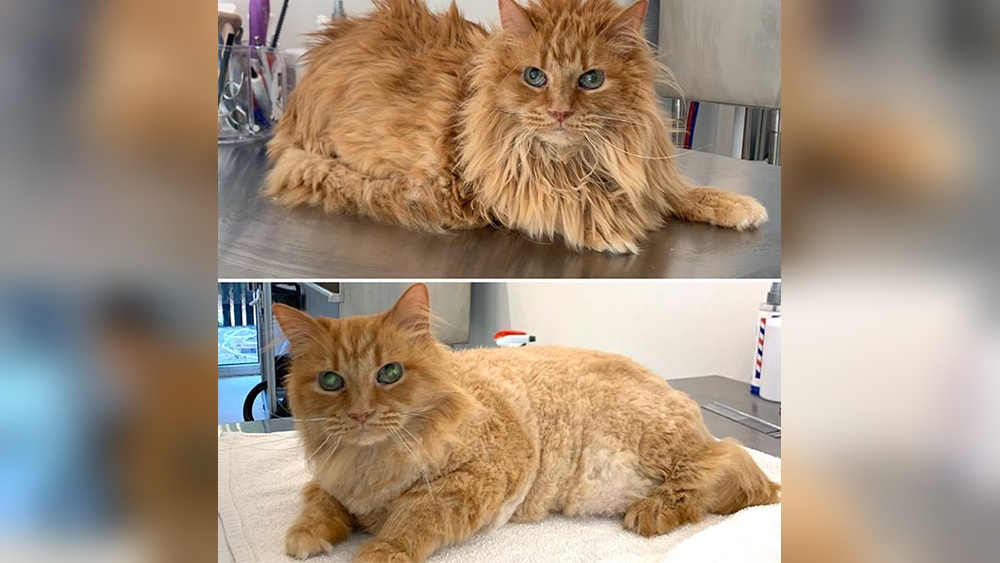
Are you wondering when you should get your cat groomed? Keeping your furry friend clean and comfortable is more important than you might think.
Grooming isn’t just about making your cat look good—it helps prevent health problems and keeps their coat shiny and smooth. But how do you know the right time to schedule a grooming session? You’ll discover the signs to watch for, the benefits of regular grooming, and simple tips to make the process easier for both you and your cat.
Keep reading to learn how to keep your cat happy and healthy with the perfect grooming routine.
Credit: www.4pawsanimal.com
Benefits Of Regular Grooming
Regular grooming is important for your cat’s overall health and happiness. It keeps their coat clean and shiny. Grooming also helps spot skin problems early. Many cats enjoy the gentle touch during grooming. This can strengthen your bond with your pet.
Improved Coat Health
Grooming removes dirt and loose fur from your cat’s coat. It spreads natural oils that keep fur soft and shiny. This helps prevent dry skin and irritation. A healthy coat means your cat feels comfortable and looks great.
Reduced Shedding
Brushing your cat regularly cuts down on shedding. It collects loose fur before it falls around your home. This keeps your furniture and clothes cleaner. Less shedding also means fewer hairballs inside your cat.
Prevention Of Hairballs
Cats swallow loose fur when they lick themselves. This can cause hairballs to form in their stomach. Grooming removes loose hair before your cat swallows it. This lowers the chance of hairballs and stomach issues.
Signs Your Cat Needs Grooming
Knowing when your cat needs grooming is important for its health. Cats may not always show clear signs, but some behaviors tell you grooming is needed. Watch your cat closely for changes in fur and skin condition.
Regular grooming helps prevent problems like mats, skin infections, and bad smells. It also keeps your cat comfortable and happy. Here are some key signs that mean it’s time to groom your cat.
Matted Fur
Mats are clumps of tangled fur that do not come out easily. They cause discomfort and can pull on the skin. Mats may trap dirt and moisture, leading to skin issues. Check your cat’s coat regularly for any tight or rough patches.
Excessive Scratching
Scratching more than usual could mean your cat feels itchy or irritated. It may be due to dirt, fleas, or dry skin. Grooming can help remove irritants and soothe the skin. Notice if your cat scratches certain areas often or seems restless.
Unpleasant Odor
A strong or bad smell coming from your cat’s fur is a warning sign. It may mean dirt, oils, or infections are present. Grooming helps keep the coat clean and fresh. Pay attention to any new or unusual odors from your cat’s body.
Factors Affecting Grooming Frequency
Grooming needs for cats vary widely. Different factors change how often a cat needs grooming. Understanding these helps keep your cat clean and healthy.
Some cats need brushing every day. Others need grooming only once a month. Knowing what affects grooming frequency makes care easier.
Breed And Coat Type
Long-haired cats need grooming more often than short-haired cats. Their fur can tangle and mat quickly. Breeds like Persians or Maine Coons require weekly brushing. Short-haired breeds like Siamese may need grooming less often. Thick or double coats also need extra care to avoid shedding and knots.
Age And Health
Kittens have soft, thin fur and need gentle grooming. Older cats may groom less because of health issues. Cats with arthritis or obesity might need help brushing. Sick cats may also need more frequent grooming to keep clean. Healthy adult cats often manage grooming themselves but still benefit from regular brushing.
Indoor Vs Outdoor Cats
Outdoor cats usually get dirtier and need grooming more often. They can pick up debris, fleas, or ticks. Indoor cats stay cleaner and may need grooming less. However, indoor cats can shed a lot and benefit from regular brushing. Both types need grooming to keep their skin and coat healthy.
Credit: minnievilleah.com
Ideal Grooming Schedule
Creating a good grooming schedule helps keep your cat healthy and happy. Regular grooming removes dirt, loose hair, and prevents mats. It also lets you check your cat’s skin and coat for problems early. A balanced grooming plan fits your cat’s breed, age, and lifestyle.
Understanding how often to groom your cat makes the process easier. Some cats need more care than others. Here’s a simple guide to help you set a grooming routine that works well for your pet.
Daily Grooming Tips
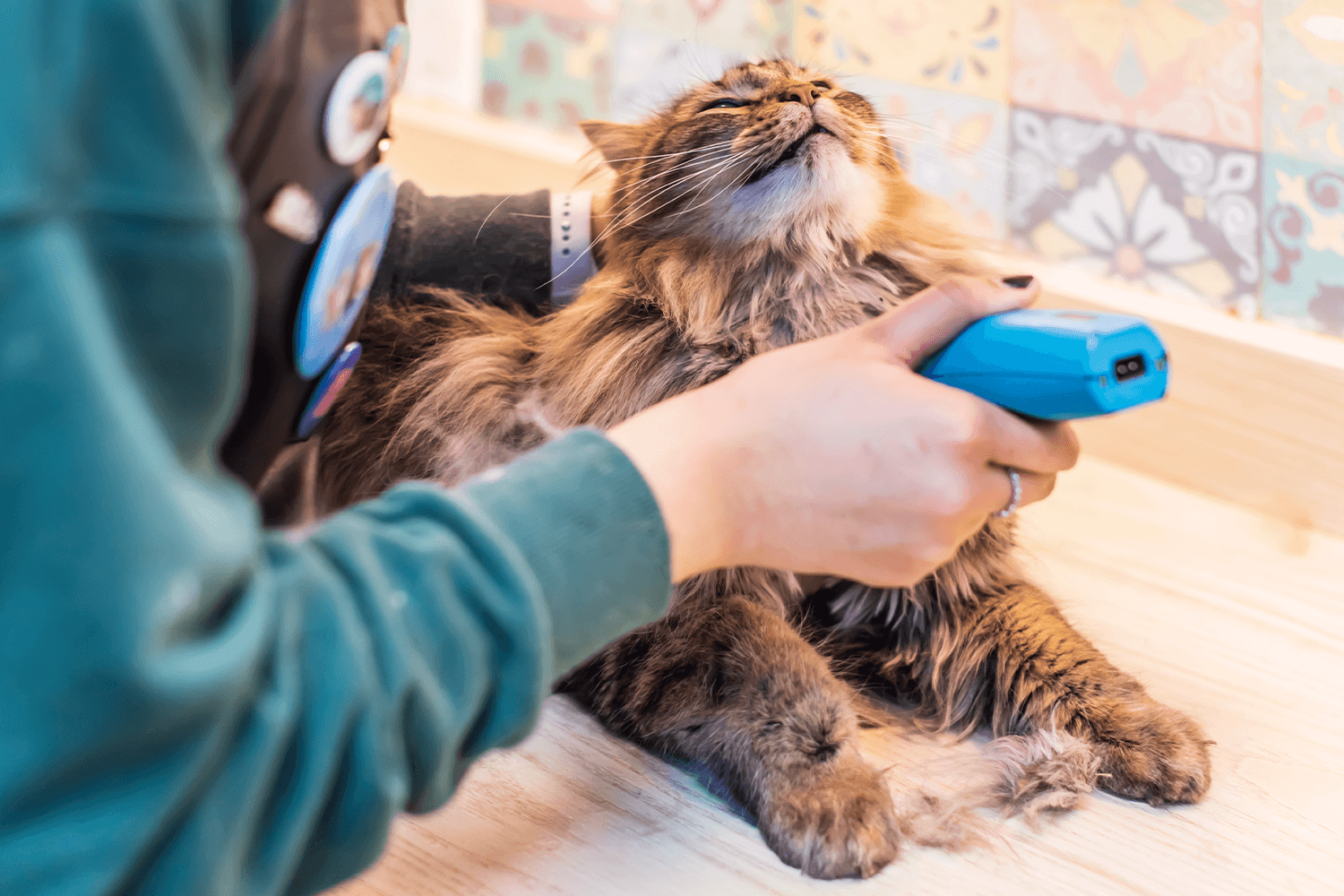
Brushing your cat every day reduces shedding and hairballs. Use a soft brush for short-haired cats and a wide-tooth comb for long hair. Pay attention to the neck, back, and tail areas. Daily grooming also builds trust and calms nervous cats.
Check your cat’s ears and eyes during grooming. Remove any dirt or discharge gently. Daily grooming helps spot ticks, fleas, or skin issues early. Keep sessions short and positive to make it fun.
Weekly Grooming Routine
Deep grooming once a week includes brushing, nail trimming, and ear cleaning. Use nail clippers designed for cats to avoid injury. Clean ears with a vet-approved solution and cotton balls. Weekly grooming keeps your cat comfortable and clean.
Long-haired cats need more frequent brushing to stop mats and tangles. Short-haired cats benefit from weekly baths if they get dirty. Always use cat-safe shampoo and warm water. Dry your cat well to prevent chills.
Professional Grooming Intervals
Professional grooming suits cats with thick or very long fur. Schedule visits every 6 to 8 weeks for trims and thorough cleaning. Groomers can handle nail care, haircuts, and mat removal safely. They also detect skin or health problems early.
Young kittens may not need professional grooming often. Older cats or those with health issues might require more frequent visits. Talk to your vet to decide the best grooming interval for your cat. Professional care supports your daily and weekly grooming efforts.
Preparing Your Cat For Grooming
Preparing your cat for grooming helps make the process smooth and stress-free. Cats can feel nervous or scared during grooming. A calm approach helps them relax and cooperate. Simple steps can improve your cat’s experience. This section covers how to prepare your cat before grooming.
Creating A Calm Environment
Choose a quiet room with few distractions. Soft lighting helps your cat feel safe. Speak in a gentle, soothing voice. Play soft music or nature sounds if your cat likes them. Avoid sudden noises or movements. Keep the area warm and cozy. A calm space reduces stress and fear.
Choosing The Right Tools
Select tools that fit your cat’s coat type. Use a soft brush for short hair. A slicker brush works well for long hair. Nail clippers made for cats are best. Keep all tools clean and sharp. Tools that work well help grooming go faster. Your cat will feel less discomfort.
Handling Techniques
Hold your cat gently but firmly. Support their body without squeezing. Use slow, steady movements. Start by touching paws and ears to build trust. Give treats and praise often. Stop if your cat shows signs of stress. Calm handling keeps grooming safe and positive.
When To Seek Professional Grooming
Knowing when to take your cat to a professional groomer is important. Some grooming tasks are too hard or risky to do at home. Professional groomers have the right tools and skills to keep your cat safe and comfortable.
Professional grooming is best for specific situations. These include dealing with tough mats, special grooming needs, or health-related issues. Watching your cat’s coat and skin can help you decide when to seek help.
Dealing With Severe Mattes
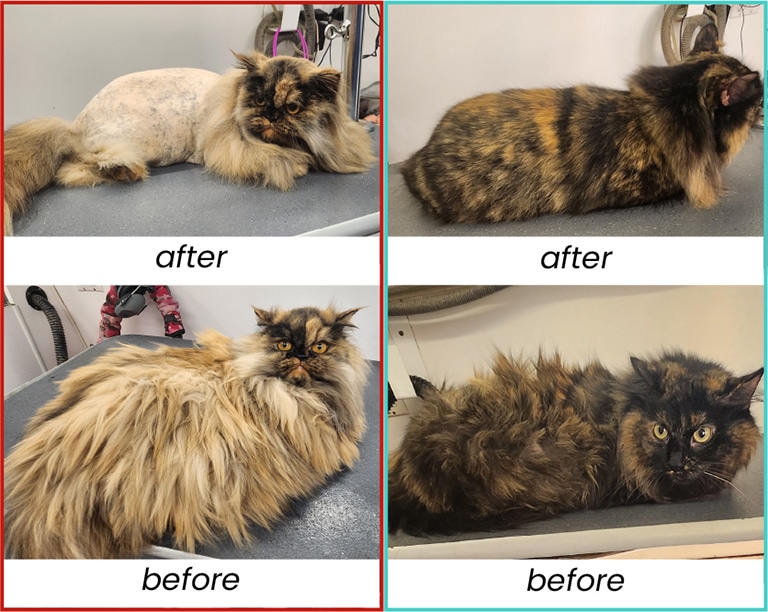
Severe mats can hurt your cat’s skin. They pull on the fur and cause pain. Trying to cut mats at home can lead to cuts or stress. Groomers use special tools to remove mats safely. They know how to handle scared or squirmy cats. It is better to leave severe mats to experts.
Specialized Grooming Needs
Some cats need special grooming care. Long-haired cats may need trimming or thinning. Cats with thick coats might need de-shedding treatments. Groomers can style your cat’s fur to prevent tangles. They can also clean ears and trim nails properly. These tasks require skill and experience.
Health-related Grooming
Cats with health issues often need help grooming. Older cats or those with arthritis may struggle to clean themselves. Skin problems or infections may need careful attention. Groomers work gently and watch for signs of trouble. They can advise you if a vet visit is needed. Professional grooming helps keep your cat healthy and happy.
Common Grooming Mistakes To Avoid
Grooming your cat is important for their health and happiness. Mistakes during grooming can cause discomfort or harm. Avoiding common errors helps your cat enjoy the process and stay clean. Here are some frequent grooming mistakes to watch out for.
Over-bathing
Bathing cats too often removes natural oils from their fur. This can dry out their skin and cause itching. Most cats need a bath only a few times a year. Use water and shampoo made for cats to protect their coat.
Using Improper Tools
Wrong tools hurt your cat or make grooming harder. Use brushes designed for your cat’s fur type. Avoid human combs or brushes with sharp edges. Soft brushes and fine-toothed combs work best for most cats.
Ignoring Behavioral Signs
Cats show signs when they feel stressed or hurt. Pay attention to growling, hissing, or trying to escape. Stop grooming if your cat seems scared or angry. Give breaks and try again gently later to keep trust strong.
Credit: smoochie-pooch.com
Frequently Asked Questions
How Often Should I Get My Cat Groomed?
Most cats benefit from grooming every 4 to 6 weeks. Long-haired cats may need more frequent sessions. Regular grooming prevents matting and reduces shedding.
What Signs Indicate My Cat Needs Grooming?
Look for matted fur, excessive shedding, or a greasy coat. Also, check for dirt buildup or unpleasant odors. These signs show it’s time for grooming.
Can Grooming Improve My Cat’s Health?
Yes, grooming helps remove dirt and loose hair. It also stimulates blood circulation and reduces hairballs. Regular grooming keeps your cat’s coat healthy.
Is Professional Grooming Necessary For All Cats?
Not always. Short-haired cats may only need occasional brushing at home. However, long-haired or elderly cats often benefit from professional grooming to avoid matting.
Conclusion
Regular grooming keeps your cat healthy and happy. Watch for signs like matted fur or dirt. Short-haired cats may need less grooming than long-haired ones. Grooming also helps catch health problems early. Schedule grooming sessions based on your cat’s needs.
Consistent care makes your cat feel comfortable and loved. Don’t wait too long between grooming times. A clean cat is a joyful cat. Simple steps can prevent skin issues and shedding. Keep grooming part of your routine for a healthy pet.