
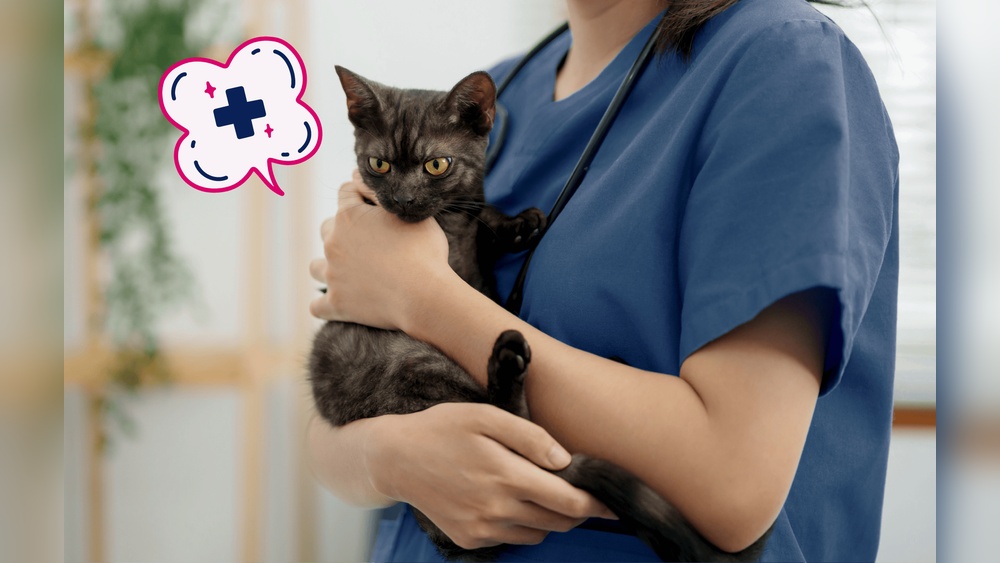
Bringing a new kitten into your home is exciting, but it also comes with important responsibilities. One of the biggest questions you might have is: When should your kitten get their first vet care?
Knowing the right time to visit the vet can protect your kitten’s health and set them up for a happy life. You’ll discover exactly when to schedule that crucial first check-up and why it matters so much for your furry friend.
Keep reading to make sure your kitten gets the best start possible.
Ideal Age For First Vet Visit
Knowing the right time for your kitten’s first vet visit is important. This visit helps check your kitten’s health and starts important vaccinations. Early care sets the stage for a long, healthy life. Most vets agree on an ideal age to bring your kitten in.
Typical Timeline For Initial Checkup
Kittens usually have their first vet visit between 6 and 8 weeks old. At this age, they need a full health exam. The vet checks for common problems and gives the first set of vaccines. If your kitten came from a shelter, they may have already started this process.
After the first visit, follow-up visits happen every 3 to 4 weeks until your kitten is about 16 weeks old. These visits include more vaccines and health checks. The vet also talks about flea control, deworming, and nutrition during these visits.
Signs Your Kitten Needs Early Attention
Some kittens need vet care before the usual 6 to 8 weeks. Look for signs like trouble breathing, constant coughing, or sneezing. Also watch for diarrhea or vomiting that lasts more than a day. If your kitten is weak, not eating, or losing weight, seek care fast.
Early treatment can stop small problems from becoming serious. Trust your instincts and take your kitten to the vet if you see any worrying signs. Quick action helps your kitten grow strong and happy.
Key Health Checks At First Visit
The first vet visit is a vital moment for every kitten. It sets the stage for a healthy life. During this visit, the vet performs key health checks. These checks catch problems early and guide care. Knowing what happens helps prepare you and your kitten.
Physical Examination Essentials
The vet checks your kitten’s body from head to tail. Eyes, ears, and mouth get a close look. The vet listens to the heart and lungs. The skin and fur are checked for signs of illness. The vet feels the abdomen and limbs for lumps or pain. This exam finds health issues that are not obvious.
Vaccination Schedule Start
Vaccines protect kittens from serious diseases. The vet starts a vaccine plan based on age and risk. Core vaccines often include those for feline distemper and respiratory infections. The vet explains the timing for follow-up shots. Vaccination helps build strong immunity early in life.
Parasite Prevention Measures
Kittens face threats from parasites like fleas, ticks, and worms. The vet checks for signs of these pests. Treatment or prevention medicines may be given during the first visit. The vet advises on how to keep parasites away at home. Protecting kittens from parasites supports their growth and comfort.
Common Health Concerns In Young Kittens
Kittens need special care to grow healthy and strong. Their immune systems are still developing. This makes them prone to many health problems. Early vet visits help spot issues before they become serious. Understanding common health concerns is key to good kitten care.
Infectious Diseases To Watch
Kittens often face infectious diseases that spread quickly. Upper respiratory infections are common and cause sneezing and eye discharge. Feline panleukopenia is a severe virus that can be fatal without treatment. Parasites like fleas, ticks, and worms can also harm young kittens. Vaccinations and regular vet checks reduce these risks.
Nutritional Needs And Growth Monitoring
Proper nutrition fuels a kitten’s growth and development. Kittens need food rich in protein and essential nutrients. Poor diet can lead to stunted growth and health problems. Weight checks and growth tracking help ensure kittens are thriving. Vets can recommend the best food and feeding schedule for each kitten.
.jpg)
Credit: www.bakerranchanimalhospital.com
Preparing For The Vet Appointment
Preparing for your kitten’s first vet visit helps make the experience smooth and less stressful. Planning ahead lets you gather everything needed and keep your kitten calm. A calm kitten is easier to examine and keeps the appointment quick.
What To Bring Along
Bring your kitten’s medical records, if you have any. Include vaccination history or any health notes. Take a small blanket or towel for comfort during the trip. A carrier is a must to keep your kitten safe. Also, bring a list of questions for the vet. It helps to remember everything you want to ask.
How To Make Your Kitten Comfortable
Keep your kitten calm by using a familiar blanket or toy inside the carrier. Talk softly to your kitten to reduce fear. Avoid loud noises near the carrier. Take short breaks if the trip is long. Let your kitten explore the vet’s waiting area once inside. Gentle petting helps your kitten stay relaxed.
Follow-up Care And Vet Visits
Follow-up care and regular vet visits are vital for your kitten’s health. These visits help keep vaccinations up to date and monitor growth. Your vet can spot early signs of illness or developmental issues. Early attention means better health and a happy kitten.
Scheduling Booster Shots
Kittens need booster shots after their first vaccines. These shots protect against diseases like feline distemper and rabies. Your vet will tell you when to return for boosters. Usually, boosters happen every 3 to 4 weeks until the kitten is about 16 weeks old. Staying on schedule keeps your kitten safe from common infections.
Tracking Development And Behavior
Vet visits help track your kitten’s growth and behavior. The vet checks weight, teeth, and overall health. They also watch for any unusual behavior or signs of stress. Early detection of problems leads to quicker treatment. Share any changes you notice at home with your vet. This helps keep your kitten strong and happy.
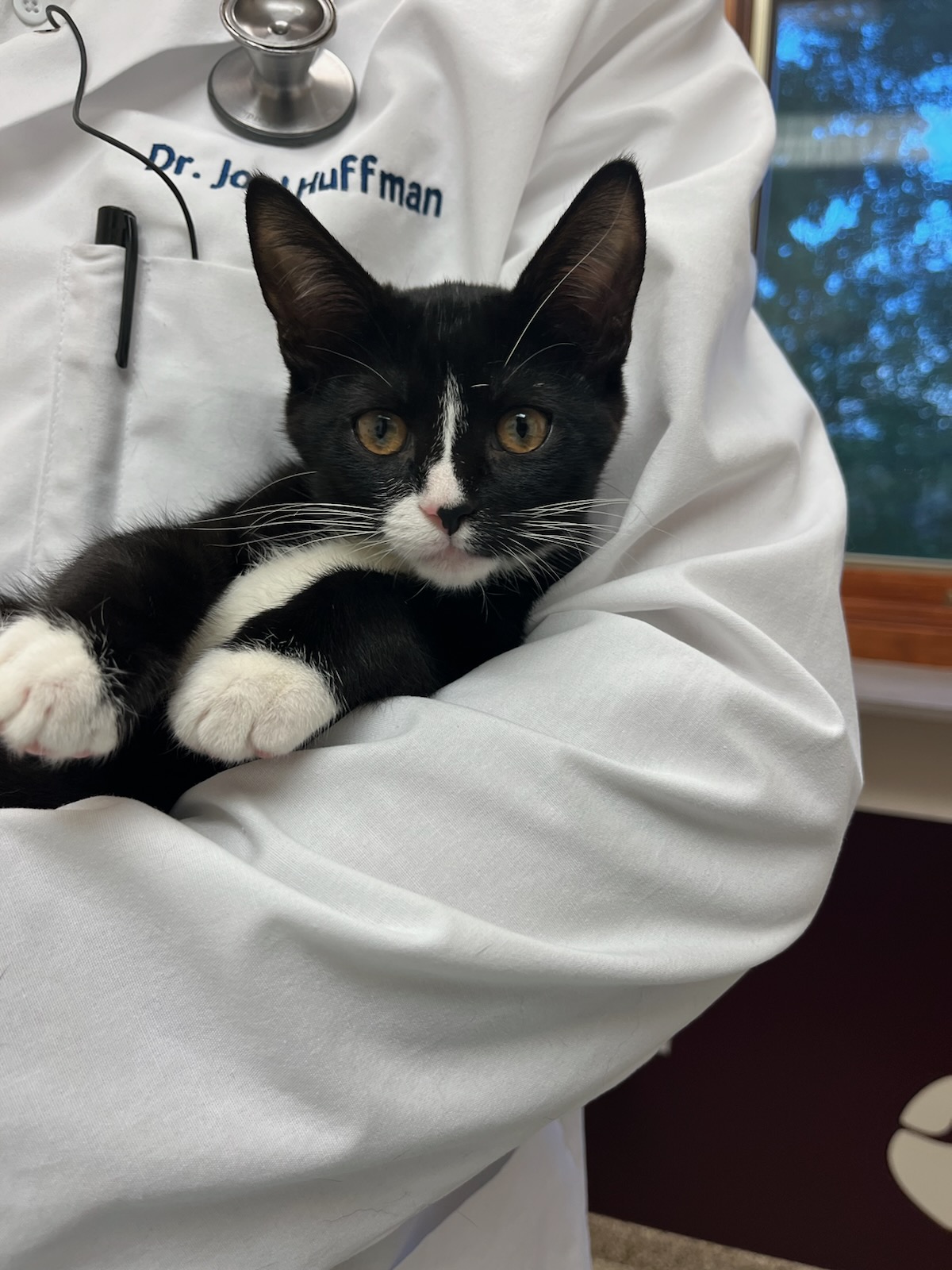
Credit: www.orchardroadanimalhospital.com
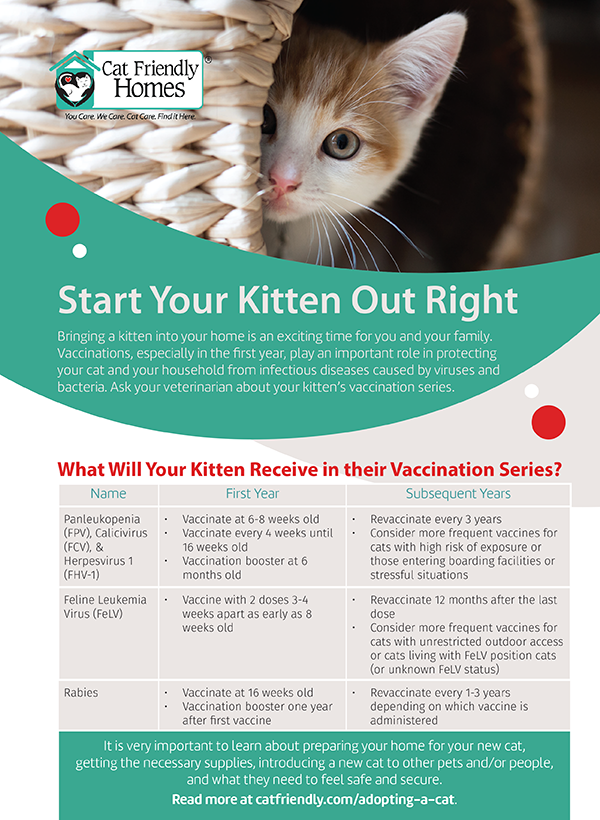
Credit: catfriendly.com
Frequently Asked Questions
When Should A Kitten Have Its First Vet Visit?
A kitten should visit the vet between 6 to 8 weeks old. This initial checkup ensures early health screening and vaccinations. Early vet care prevents diseases and detects potential issues. Timely visits support the kitten’s growth and well-being.
What Vaccines Are Needed At The First Kitten Visit?
Core vaccines include FVRCP (feline viral rhinotracheitis, calicivirus, and panleukopenia). The vet may also recommend deworming and flea prevention. Vaccinations protect kittens from common and serious diseases. The first visit helps establish a vaccination schedule.
How Often Should Kittens Visit The Vet Initially?
Kittens typically need vet visits every 3 to 4 weeks until 16 weeks old. Regular visits track development, complete vaccinations, and monitor health. Follow-up visits ensure the kitten builds immunity and stays healthy. Consistent vet care supports a strong start in life.
When Should A Kitten Start Flea And Parasite Prevention?
Flea and parasite prevention should start at the first vet visit if the kitten is at least 6 weeks old. Early prevention protects kittens from infestations and related health problems. The vet will recommend safe products suitable for young kittens.
Preventive care is essential for kitten health.
Conclusion
A kitten’s first vet visit is very important. It helps keep your kitten healthy and safe. Usually, kittens need their first check-up at six to eight weeks old. The vet will check for diseases and start vaccines. Early care also helps spot problems early.
Healthy kittens grow into happy cats. Don’t wait too long to see the vet. Taking action now protects your new pet’s future. Keep your kitten’s health a top priority always. Simple steps make a big difference in their life.