

You love your cat and want the best for them. But how do you know when it’s time to get your cat groomed?
Grooming isn’t just about keeping your cat looking good—it’s about their health and comfort too. If you wait too long, your cat might end up with painful mats or skin problems. If you act too soon, you might stress them out unnecessarily.
You’ll discover the clear signs that tell you when your cat needs grooming. Understanding these signs will help you keep your furry friend happy, healthy, and comfortable every day. Keep reading to find out exactly when to schedule that next grooming session.
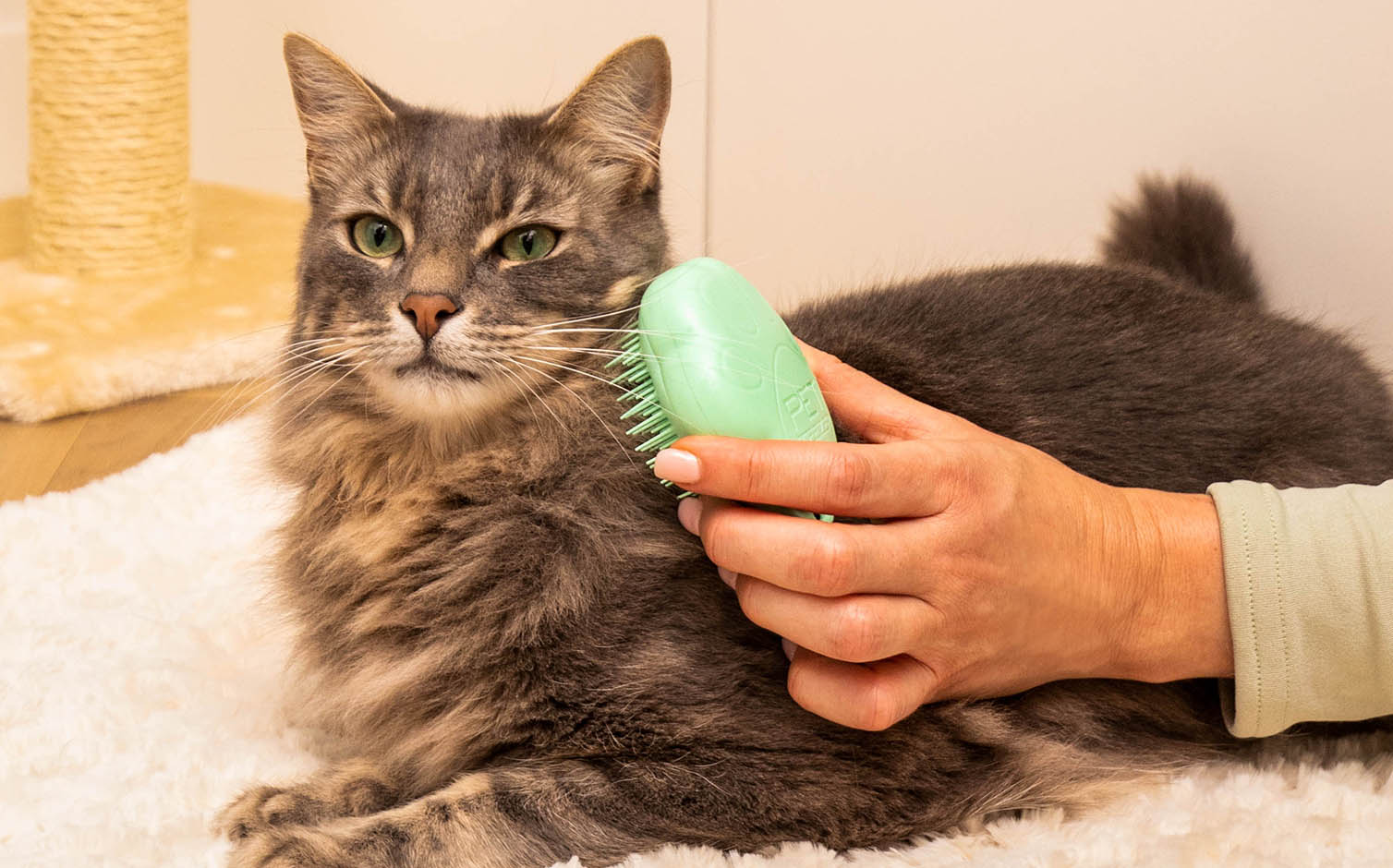
Credit: tangleteezer.com
Signs Your Cat Needs Grooming
Knowing when your cat needs grooming is important for their health and comfort. Cats hide their discomfort well. Watch for clear signs that grooming is needed. These signs help you keep your cat clean and happy.
Mattes And Tangles
Mattes and tangles form when fur gets twisted and stuck. They can pull on the skin and cause pain. Cats with long hair often get mats more quickly. Grooming helps remove these knots before they worsen.
Excessive Shedding
Shedding is normal, but too much can signal a need for grooming. Loose fur spreads around the home. It can cause hairballs and skin problems. Regular brushing reduces shedding and keeps fur smooth.
Unpleasant Odors
A bad smell from your cat means dirt or oils build up. It may also indicate skin infections. Grooming removes odors and keeps your cat smelling fresh. Clean fur helps prevent health issues.
Visible Dirt And Debris
Dirty fur shows your cat needs grooming soon. Dirt and debris stick to the coat easily. This can irritate the skin or cause infections. Grooming cleans the fur and protects your cat’s skin.
Changes In Behavior
Behavior changes can hint your cat needs grooming. Cats may scratch more or avoid being touched. They might hide or seem restless. These signs show discomfort linked to poor grooming.
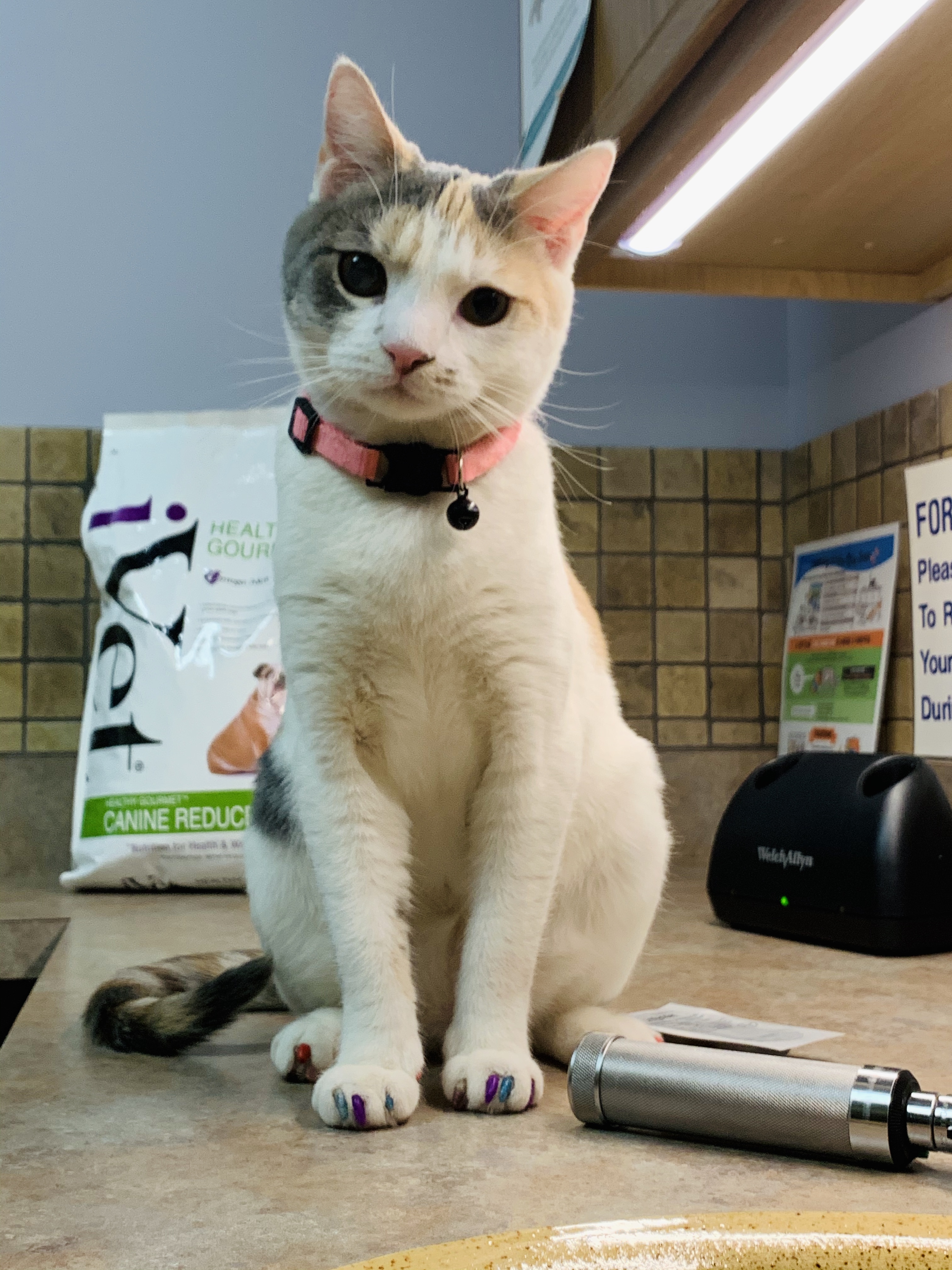
Credit: www.4pawsanimal.com
Grooming Frequency By Cat Type
Different types of cats need different grooming schedules. Their fur length, age, and health affect how often they need care. Knowing the right grooming frequency helps keep cats clean and healthy. It also reduces hairballs and skin problems. Below are grooming tips based on your cat’s type.
Short-haired Cats
Short-haired cats usually groom themselves well. Brush them once a week to remove loose fur. This helps reduce shedding and hairballs. Pay attention to their skin for dryness or irritation. Baths are rarely needed unless they get very dirty.
Long-haired Cats
Long-haired cats need brushing more often than short-haired ones. Brush them at least 3 times a week. This stops mats and tangles from forming. Mats can hurt your cat’s skin and cause pain. Regular grooming also helps spread natural oils for a healthy coat.
Senior Cats
Older cats may groom less due to arthritis or health issues. Brush them 2 to 3 times a week to keep their coat clean. Check for lumps, bumps, or skin changes during grooming. Gentle brushing helps improve blood flow and comfort.
Kittens
Kittens need gentle grooming to get used to the process. Brush them 2 to 3 times a week with a soft brush. This helps remove loose fur and dirt. It also builds trust and bonding between you and your kitten.
Seasonal Grooming Tips
Grooming your cat changes with the seasons. Each season brings new needs for your pet’s coat. Knowing when to groom helps keep your cat healthy and comfortable. Seasonal grooming also reduces hairballs and skin problems.
Follow these tips to care for your cat all year round. Adjust grooming routines to fit the season. This keeps your cat happy and looking great.
Spring Shedding
Spring is the prime time for shedding. Cats lose their thick winter coat now. Brush your cat daily to remove loose fur. This helps prevent mats and hairballs. Use a gentle brush designed for shedding.
Summer Maintenance
Summer means lighter coats and more outdoor play. Brush your cat weekly to keep the coat clean. Check for ticks or fleas after outside time. Keep your cat’s skin cool and hydrated.
Fall Preparation
Fall is when cats grow thicker coats again. Increase grooming to twice a week. This removes old fur and helps new fur grow. Trim nails and clean ears as part of fall care.
Winter Care
Winter coats need less brushing but more attention. Brush gently to avoid skin irritation. Keep your cat warm and dry. Use a soft brush and check for dry skin regularly.

Credit: www.petsbest.com
Benefits Of Regular Grooming
Regular grooming keeps your cat healthy and happy. It helps maintain a clean and shiny coat. Grooming also supports your cat’s overall well-being. Here are the key benefits of regular grooming for your cat.
Improved Coat Health
Grooming removes dirt and loose fur from your cat’s coat. It prevents matting and tangles that cause discomfort. Brushing spreads natural oils, making the fur soft and shiny. A well-groomed coat protects your cat’s skin better.
Reduced Hairballs
Cats swallow fur while cleaning themselves. This fur can form hairballs inside their stomach. Regular grooming removes loose hair before your cat swallows it. Fewer hairballs mean less vomiting and stomach upset.
Early Detection Of Health Issues
Grooming lets you check your cat’s skin closely. You can spot lumps, bumps, or wounds early. Detecting problems sooner helps with faster treatment. It also alerts you to parasites like fleas and ticks.
Enhanced Bonding
Grooming creates a calm and comforting time together. Your cat feels safe and loved during grooming sessions. This strengthens the bond between you and your pet. It also helps reduce your cat’s stress and anxiety.
Choosing The Right Grooming Schedule
Choosing the right grooming schedule for your cat helps keep them healthy and happy. Every cat has different needs based on their lifestyle, health, and coat type. A regular grooming routine prevents matting, reduces shedding, and supports skin health.
Understanding your cat’s unique needs will guide you in setting the best grooming times. Some cats need weekly sessions, while others require less frequent care. Let’s explore key factors to consider.
Assessing Your Cat’s Lifestyle
Indoor cats usually stay cleaner and need less grooming. Outdoor cats face dirt, bugs, and debris daily. They may need grooming every week to remove dirt and loose fur. Active cats with long hair need more frequent brushing. Calm cats with short fur may only require monthly grooming.
Considering Health Conditions
Cats with skin issues or allergies require gentle, regular grooming. Older cats or those with arthritis might need shorter, less frequent sessions. Cats with obesity can have trouble grooming themselves and benefit from help. Regular grooming checks can spot health problems early, like lumps or infections.
Professional Vs. Home Grooming
Home grooming suits cats that tolerate brushing and nail trims. It saves money and strengthens your bond. Professional groomers handle tough mats and deep cleaning better. They use special tools and techniques. Decide based on your cat’s comfort and your skill level. Some cats need a mix of both for best care.
Preparing Your Cat For Grooming
Preparing your cat for grooming helps make the process smooth and less stressful. Cats sense tension quickly. A calm start helps them feel safe. Preparation sets the stage for a positive grooming experience. It also makes handling easier for you.
Creating A Calm Environment
Choose a quiet room with few distractions. Soft lighting works best. Keep noises low or off. Speak in a gentle voice to soothe your cat. Use a soft blanket or towel for comfort. A calm space reduces fear and stress.
Using Proper Tools
Select brushes and combs suited for your cat’s fur type. Use gentle tools to avoid pulling hair. Check tools before grooming to ensure they are clean. Keep everything within reach to avoid sudden movements. Proper tools make grooming quicker and safer.
Positive Reinforcement Techniques
Offer small treats during and after grooming. Praise your cat with a soft voice. Use petting to reward calm behavior. Short sessions with rewards build trust. Positive reinforcement encourages your cat to enjoy grooming over time.
Frequently Asked Questions
When Is The Best Time To Groom My Cat?
The best time to groom your cat is every 4 to 6 weeks. Regular grooming prevents matting and reduces shedding. Adjust frequency based on your cat’s coat type and health condition.
How Often Should Long-haired Cats Be Groomed?
Long-haired cats should be groomed at least twice a week. Frequent grooming avoids tangles and mats. It keeps their coat healthy and shiny.
What Signs Show My Cat Needs Grooming?
Look for mats, excessive shedding, dirt, or a greasy coat. Also, check for skin irritation or odor. These signs mean your cat needs grooming soon.
Can Grooming Help With My Cat’s Health?
Yes, grooming improves skin health and detects parasites early. It also reduces hairballs and boosts circulation. Grooming supports overall hygiene and comfort.
Conclusion
Regular grooming keeps your cat healthy and happy. Watch for signs like matted fur or dirt buildup. Cats with long hair need more frequent care. Short-haired cats still benefit from occasional grooming. Grooming helps prevent skin problems and reduces shedding.
It also strengthens the bond between you and your cat. Choose a calm time to groom your pet. Consistency makes grooming easier and less stressful. Remember, a clean cat is a content cat. Keep grooming simple and part of your routine.
Your cat will thank you with purrs and love.