
Deciding when to retire your breeding female cat isn’t always easy. You want what’s best for her health and happiness, but you might also wonder how to make that choice at the right time.
If you’ve been asking yourself, “Is it time to stop breeding my cat? ” you’re in the right place. This article will guide you through the signs, reasons, and the best age to retire your female cat from breeding. By the end, you’ll feel confident about making the decision that benefits both you and your beloved cat.
Keep reading to discover how to care for her during this important transition.
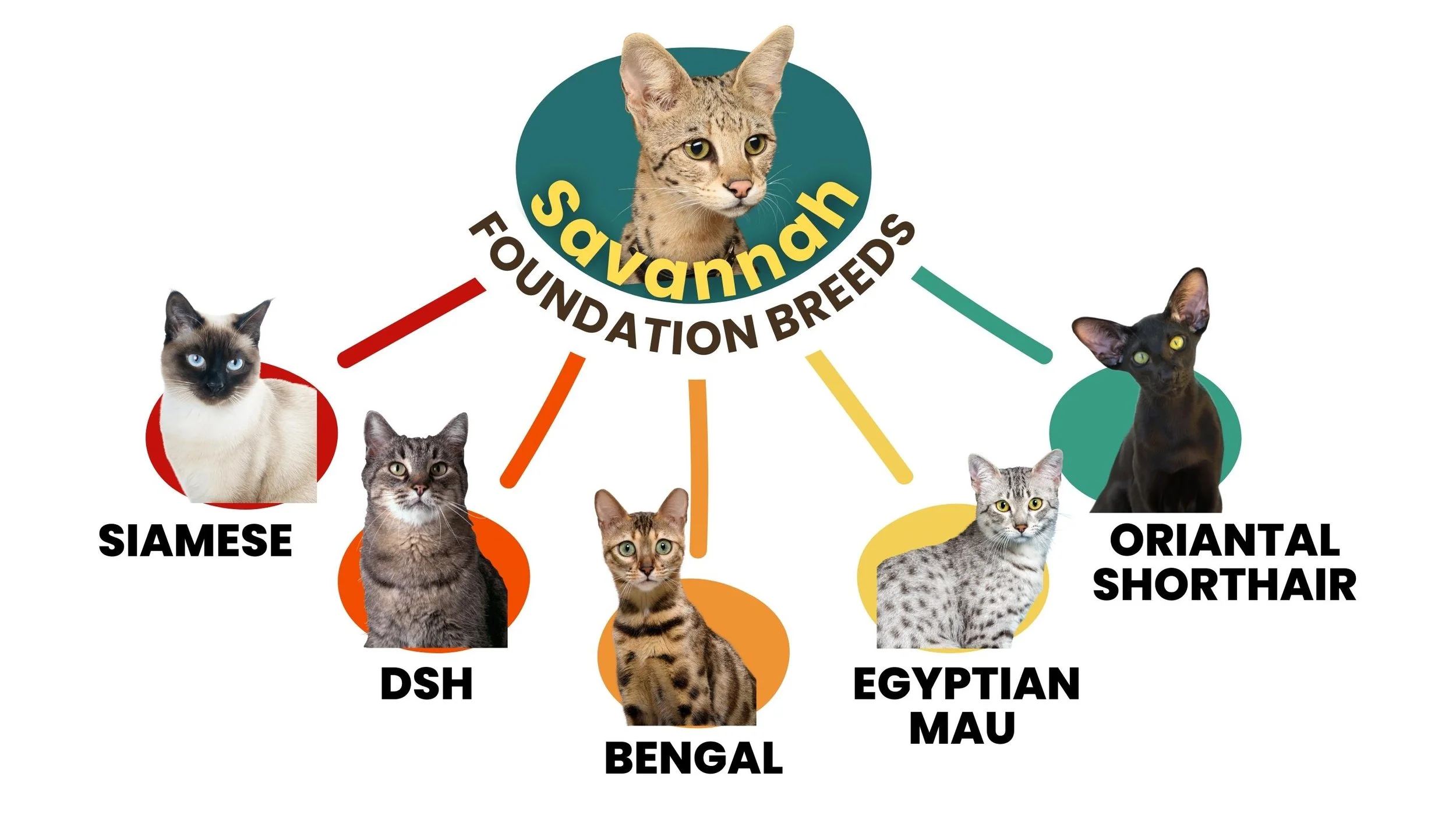
Credit: www.f1hybridssavannahcats.com
Signs A Breeding Cat Needs Retirement
Knowing when to retire a breeding female cat is important for her health and well-being. Many signs show that a cat may need to stop breeding. These signs help avoid risks and keep her happy. Watch for changes in age, health, behavior, and fertility. These clues guide you to make the best choice for your cat.
Age Factors
Older cats often face more challenges during pregnancy. Their bodies may not recover as quickly. Most breeders retire cats around six to eight years old. Age affects energy levels and overall health. Older cats may have a harder time caring for kittens. Age is a clear sign to consider retirement.
Health Concerns
Health issues increase with each pregnancy. Look for signs like weight loss or poor coat condition. Problems like infections or arthritis make breeding risky. Chronic diseases reduce a cat’s ability to handle stress. Regular vet check-ups help spot these concerns early. Poor health means it’s safer to retire the cat.
Behavioral Changes
Changes in behavior often signal that a cat needs rest. She may become less social or more irritable. Loss of interest in mating or caring for kittens is common. A tired cat may hide more or sleep excessively. These changes show she is ready to stop breeding. Respecting her behavior keeps her comfortable.
Decreased Fertility
Fertility naturally declines as cats age. Fewer successful pregnancies happen over time. Difficulty conceiving or smaller litters are signs to watch. Lower fertility affects the health of both cat and kittens. Breeding a cat with decreased fertility is stressful. Retirement allows her body to heal and stay healthy.
Risks Of Continuing Breeding
Breeding a female cat for too long can cause many problems. It affects her health, the quality of her kittens, and the genes she passes on. Knowing the risks helps decide the right time to retire her from breeding.
Health Risks To The Cat
Breeding strains a cat’s body. Over time, repeated pregnancies can cause exhaustion. She may develop infections in her uterus or other organs. Older cats face higher chances of complications during birth. Continuous breeding can shorten her life and reduce her quality of life.
Impact On Kitten Quality
Kittens born from older or overused mothers may be weaker. They might have lower birth weights and slower growth. Their immune systems can be weaker, making them sick more often. The chances of birth defects rise as the mother ages and breeds repeatedly.
Genetic Concerns
Breeding the same female too long limits gene diversity. This raises the risk of passing harmful traits to kittens. Genetic diseases may appear more often in the litter. Retiring a female helps keep the breed healthy and strong over time.
Optimal Retirement Age For Breeding Cats
Determining the optimal retirement age for a breeding female cat is important for her health and well-being. Cats have different needs as they age, and knowing when to stop breeding helps keep them safe. Retiring a cat at the right time supports her comfort and reduces health risks. This section covers key points about the best age to retire a breeding female cat.
Breed-specific Guidelines
Different cat breeds have unique health and reproductive traits. Some breeds mature faster and may need earlier retirement. Others stay healthy longer and can breed safely for more years. For example, Persian cats often retire earlier due to health issues. Siamese cats may breed longer with fewer problems. Knowing your cat’s breed helps set a good retirement age.
Veterinarian Recommendations
Veterinarians offer valuable advice on breeding and retirement age. They check the cat’s overall health before each pregnancy. Regular vet visits help spot signs of stress or illness. Vets often suggest retiring female cats between 5 and 7 years old. This range balances breeding benefits with health risks. Trust your vet’s guidance to decide when to retire your cat.

Credit: www.britishcatusa.com
Preparing Your Cat For Retirement
Preparing your female cat for retirement is an important step after her breeding years. She needs care that fits her new lifestyle. Changes in her daily routine, diet, and mental activities help her stay healthy and happy. A smooth transition supports her well-being in this quieter phase of life.
Adjusting Care Routines
Retired breeding cats need less intense care. Reduce the time spent on breeding tasks. Focus on gentle grooming and regular vet checkups. Create a calm environment with cozy resting places. Avoid stressful situations to keep her relaxed.
Managing Weight And Nutrition
Weight control is key for retired cats. Cut down on high-calorie food made for active breeders. Choose balanced meals with the right nutrients for older cats. Monitor her weight regularly to avoid obesity. Proper nutrition supports her overall health.
Providing Mental Stimulation
Mental activity keeps retired cats sharp. Offer toys that encourage play and curiosity. Introduce puzzle feeders to challenge her mind. Spend time petting and talking to her daily. Mental stimulation prevents boredom and improves mood.
Life After Breeding
Life after breeding for a female cat is a new chapter. It means rest, care, and watching her health closely. Retiring her from breeding helps her enjoy a calmer life. It also allows you to focus on her well-being and happiness.
Health Monitoring
Keep track of her weight and appetite. Watch for any signs of illness or discomfort. Regular vet visits are important. Blood tests and physical exams help spot problems early. Vaccinations and parasite control should continue as usual. Good health checks keep her strong and comfortable.
Behavioral Expectations
Her behavior may change after breeding stops. She might become more relaxed or sometimes restless. Give her space and quiet time to adjust. Play and interaction remain important for her mood. Be patient and observe her needs closely. Positive attention helps her feel secure and loved.
Long-term Wellness Tips
Provide a balanced diet suited for her age and activity. Avoid overfeeding to prevent weight gain. Ensure she has fresh water at all times. Keep her living area clean and safe. Regular grooming reduces stress and supports health. Mental stimulation through toys or puzzles is helpful. These tips ensure her happiness and longevity.
Consulting Experts For Retirement Decisions
Deciding when to retire a breeding female cat is important for her health and well-being. Experts can give the best advice based on experience and knowledge. Consulting professionals helps you make informed and caring decisions. This ensures your cat lives a happy and comfortable life after breeding.
Role Of The Veterinarian
Veterinarians watch the cat’s health closely. They check for signs of aging or illness. They advise on the right time to stop breeding. Vets also suggest health tests before retirement. Their guidance helps avoid health risks for the cat. Regular vet visits keep track of her condition.
Breeder Community Insights
Experienced breeders share useful tips and stories. They offer advice on managing breeding cycles and retirement. Their knowledge helps recognize signs that show it is time to retire. Talking with other breeders creates support and shared understanding. This advice complements what veterinarians recommend.

Credit: journals.sagepub.com
Frequently Asked Questions
When Is The Best Age To Retire A Breeding Female Cat?
The best age to retire a breeding female cat is around 5 to 7 years. This helps prevent health issues and ensures her well-being. Individual health and breed traits may affect timing, so consult a vet for personalized advice.
How Does Retiring Affect A Breeding Female Cat’s Health?
Retiring a breeding female cat improves her long-term health. It reduces stress and lowers risks of reproductive diseases. Regular vet check-ups after retirement help maintain her health and quality of life.
What Signs Indicate A Breeding Female Cat Should Retire?
Signs include reduced fertility, health issues, or behavioral changes. Older cats may have difficulty carrying pregnancies. If your cat shows any of these, consult a vet to decide the right time for retirement.
Can Retired Breeding Female Cats Still Live Active Lives?
Yes, retired breeding female cats can live active and happy lives. They require proper care, nutrition, and regular exercise. Retirement allows them to enjoy a less stressful and healthier environment.
Conclusion
Retiring a breeding female cat needs careful thought and care. Watch her health and behavior closely over time. Age, health, and litter size all guide the decision. Give her a calm, loving home after retirement. This keeps her happy and stress-free.
Remember, every cat is unique and needs respect. Choose the right time to protect her well-being. Your cat will thank you with love and trust.