

Have you ever watched two cats grooming each other and wondered why they do it? It’s more than just a cute moment.
When cats lick and clean each other, they’re sharing a special bond that says a lot about their feelings and trust. Understanding this behavior can help you see your cats in a whole new light and strengthen your connection with them.
Keep reading to discover what this grooming ritual really means and how it affects your furry friends.
Why Cats Groom
Cats spend a lot of time cleaning themselves. Grooming is a natural behavior for them. It serves many important purposes beyond just looking neat. Understanding why cats groom helps us see their world better.
Hygiene And Health
Cats lick their fur to keep it clean. This removes dirt, dust, and loose hair. Grooming stops parasites like fleas from staying on the body. It also spreads natural oils that keep the fur soft and shiny. Healthy skin means less chance of irritation or infection.
Stress Relief
Grooming calms cats down. The repetitive motion helps reduce anxiety. Cats often groom themselves when they feel nervous or scared. It works like a natural stress ball for them. Grooming releases endorphins, which make cats feel good and relaxed.
Social Communication
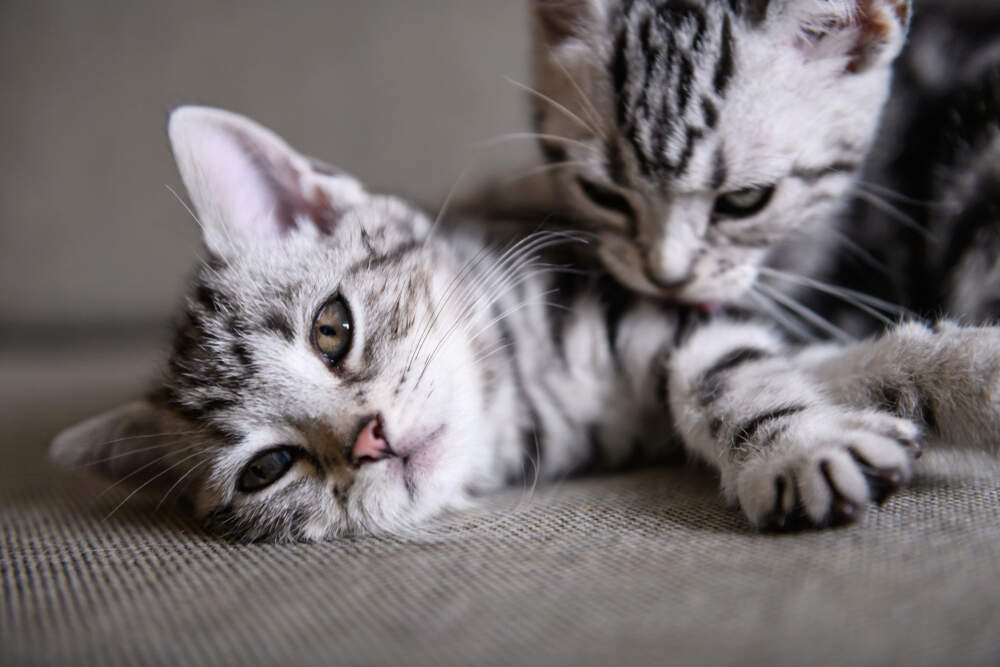
Cats groom each other to build bonds. This is called allogrooming. It shows trust and friendship between cats. Grooming helps cats share scents, marking their group. It can stop fights and keep peace in a group. Grooming is a way cats say, “You are part of my family.”
Credit: www.comfortzone.com
What Mutual Grooming Means
Mutual grooming between two cats is more than just cleaning. It shows deep social meaning and emotional connection. Cats use this behavior to communicate trust and friendship. It plays an important role in their social lives and group harmony.
Building Trust
When cats groom each other, they show they feel safe. Trust grows as they share this quiet moment. It helps reduce stress and fear. Cats become more relaxed around each other. Grooming is a sign they accept and like one another.
Strengthening Social Bonds
This grooming creates strong friendships. Cats build positive feelings while licking and cleaning. It is a way to stay close and connected. This bond helps them live peacefully together. The act shows care and support between cats.
Establishing Hierarchy
Mutual grooming also sets social order. Usually, higher-ranked cats groom lower-ranked ones more. It shows respect and position in the group. This behavior helps avoid fights. It keeps peace by reminding cats of their place.
Common Grooming Behaviors
Cats often groom each other as a natural part of their social behavior. This grooming helps keep their fur clean and healthy. It also builds trust and strengthens their bond. Observing these grooming sessions reveals patterns and signs that show affection.
Areas Cats Focus On
Cats usually groom spots that are hard to reach themselves. These include the head, neck, and behind the ears. They also clean around the cheeks and chin. The back and tail base get attention too. These areas are important for comfort and cleanliness.
Typical Grooming Patterns
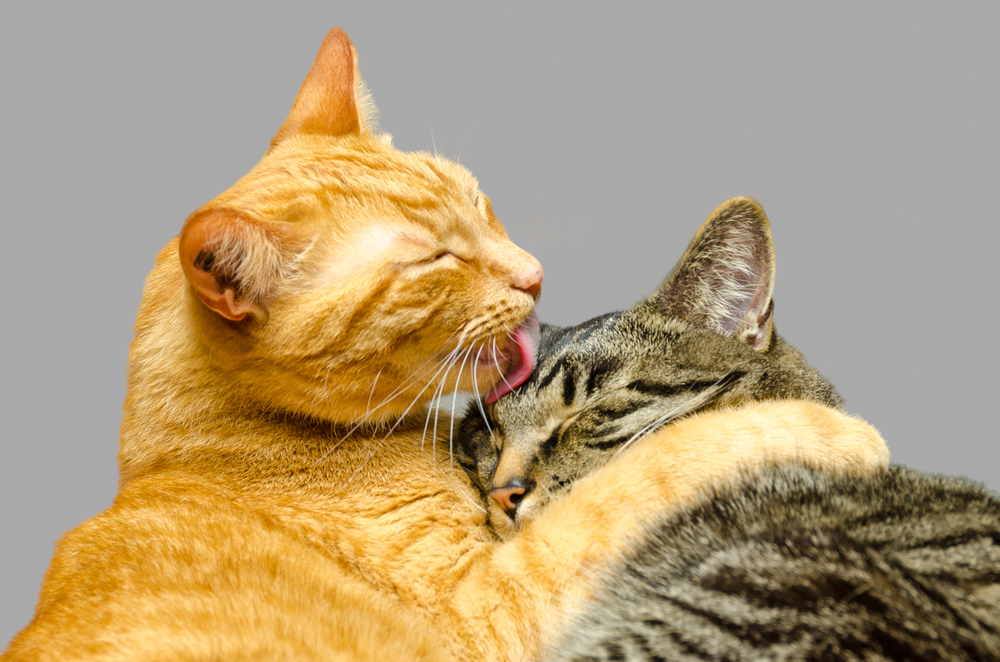
Grooming often starts with gentle licking and nibbling. Cats use their tongues to remove dirt and loose fur. They take turns grooming each other, creating a calm rhythm. The process can last several minutes. It is both practical and soothing for them.
Signs Of Affection
Mutual grooming shows more than just cleanliness. It signals friendship and trust between cats. Cats may purr or close their eyes during grooming. These signs mean they feel safe and happy. Grooming is a clear way cats show they care.
Credit: www.catster.com
Benefits Of Mutual Grooming
Mutual grooming between cats is more than just cleaning. It helps build trust and comfort. This behavior plays a big role in their social lives. Cats use grooming to connect and care for one another. It brings several benefits that strengthen their bond and well-being.
Emotional Comfort
Grooming calms cats and reduces stress. It makes them feel safe and loved. This act helps cats relax their minds. It creates a peaceful moment that improves their mood. Emotional comfort is a key reason cats groom each other.
Conflict Reduction
Mutual grooming lowers tension among cats. It stops fights before they start. Grooming sends a signal of friendship and peace. Cats who groom together often avoid arguments. This helps keep harmony in their group.
Group Cohesion
Grooming strengthens the bond within a cat group. It shows loyalty and trust among members. This behavior helps cats feel like part of a family. Group cohesion means cats work and live better together. Grooming is a simple way to keep the group united.
When Grooming Becomes Problematic
Grooming between two cats is a sign of friendship and trust. It helps them feel calm and connected. But sometimes, grooming can cause problems. It might become too much or turn into rough behavior. Understanding when grooming goes wrong can help keep both cats happy and healthy.
Overgrooming Issues
Overgrooming happens when one cat licks the other too much. This can hurt the skin or cause bald spots. The cat being groomed may feel stressed or uncomfortable. Watch for red or raw areas on the fur. Overgrooming can lead to infections if not stopped early.
Aggressive Grooming
Some cats groom in a rough way. They might bite or scratch during grooming. This behavior can scare or hurt the other cat. Aggressive grooming is a sign of tension, not care. It might happen when cats do not trust each other fully.
Ignoring Grooming Signals
Cats use body language to show if they want grooming. Turning the head, moving away, or growling means stop. Ignoring these signals can cause fights or stress. It is important to respect each cat’s feelings during grooming. This keeps peace between them.

Credit: www.fourpaws.com
Encouraging Grooming Between Cats
Encouraging grooming between cats helps build trust and friendship. Cats that groom each other feel safe and relaxed. This behavior also reduces stress and keeps them clean. Creating the right setting and guiding their interaction makes grooming more likely. Small steps can lead to big improvements in their bond.
Creating A Calm Environment
Start by making your home quiet and peaceful. Loud noises can scare cats and stop grooming. Provide soft bedding and cozy spaces for them to rest. Keep their food and water bowls apart to avoid competition. A calm place helps cats feel safe and open to grooming.
Introducing Cats Properly
Introduce new cats slowly and carefully. Let them see each other through a barrier at first. Swap bedding to share each other’s scent. Allow short, supervised meetings before longer playtimes. Proper introductions reduce fear and build positive feelings.
Rewarding Positive Interaction
Give treats or gentle praise when cats groom or play nicely. Rewards teach them that good behavior brings benefits. Avoid punishment; it can create fear or aggression. Consistent rewards encourage cats to keep grooming and bonding.
Frequently Asked Questions
Why Do Cats Groom Each Other Frequently?
Cats groom each other to strengthen social bonds. It reduces stress and promotes group harmony. Mutual grooming also helps keep hard-to-reach areas clean.
Is Grooming A Sign Of Cat Friendship?
Yes, grooming indicates trust and affection between cats. It shows they feel safe and comfortable together. Grooming builds and maintains positive relationships.
Can Grooming Prevent Cat Health Issues?
Mutual grooming helps remove dirt and parasites. It also stimulates blood flow and skin health. Grooming supports overall feline well-being.
Do Cats Groom Each Other To Show Dominance?
Sometimes grooming establishes social hierarchy but mainly it’s friendly. Dominant cats may groom subordinates to assert control. Overall, grooming is more about care than power.
Conclusion
Cats grooming each other shows trust and friendship. It helps them stay clean and calm. This behavior builds strong bonds between cats. Watching cats groom can be very soothing. It tells us they feel safe and happy. If your cats groom often, they enjoy each other’s company.
This simple act means a lot in cat language. Understanding it helps you care for your pets better. Keep an eye on your cats’ grooming habits. It says more than words ever could.