
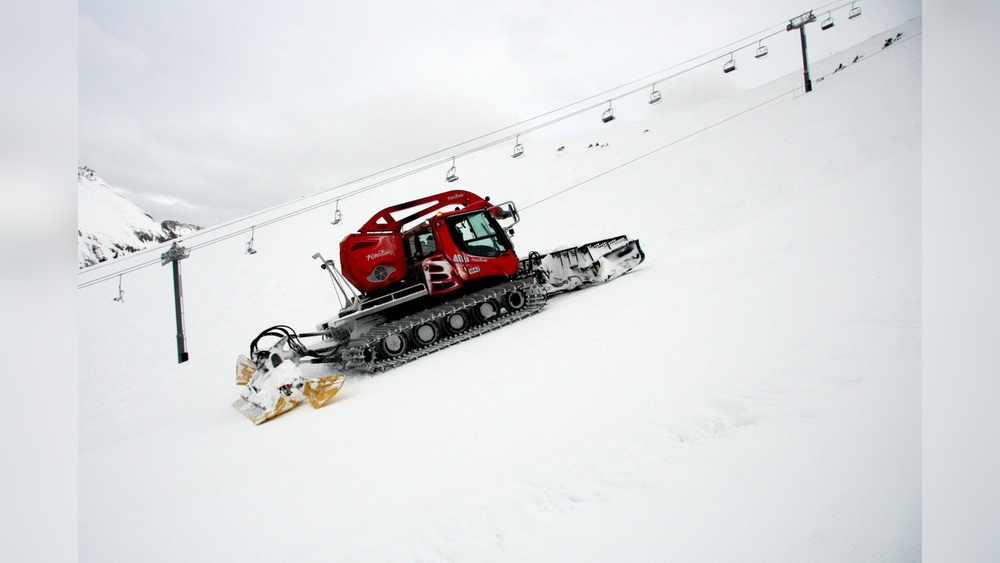
Have you ever wondered where the Winch Cat snow grooming began? If you love smooth, well-groomed ski slopes or perfectly maintained snow trails, this story is for you.
Understanding the origin of Winch Cat snow grooming helps you appreciate the technology behind those flawless winter surfaces. You’ll discover how this innovation changed the way snow is managed and why it matters for your next snowy adventure. Keep reading to uncover the fascinating beginnings of Winch Cat snow grooming and how it continues to shape winter sports today.

Credit: arapahoebasin.blogspot.com
Early Snow Grooming Methods
Early snow grooming methods were simple but vital for winter activities. Before machines, people used basic tools and teamwork to prepare snow surfaces. These methods laid the foundation for modern snow grooming technology.
Traditional Techniques Before Machines
People used wooden sleds and hand tools to smooth snow. They dragged heavy boards or logs across ski trails. Teams of workers packed snow with shovels and rakes. Animals like horses helped pull equipment over snow. These techniques required much effort and time.
Challenges Faced In Snow Grooming
Maintaining smooth trails was tough and slow. Snow packed unevenly, causing rough surfaces. Cold weather made tools hard to use. Workers faced fatigue and risk of injury. Changing weather often ruined the groomed snow quickly. These challenges pushed the need for better snow grooming solutions.
Birth Of Winch Cat Technology
Winch Cat technology began as a solution to tough snow grooming challenges. It aimed to improve how ski slopes and trails are prepared. The technology uses powerful winches and tracks to move over steep, rough terrain. This made grooming safer and more efficient in hard-to-reach places.
The early ideas came from the need to handle deep snow and steep mountainsides. Traditional snow groomers could not work well in these areas. Winch Cat technology offered a new way to tackle these problems. It combined strength, control, and stability in one machine.
Inventors And Pioneers
The first Winch Cat machines were created by engineers and mountain experts. They studied snow conditions and ski area needs closely. Their goal was to build a machine that could pull itself up steep slopes safely. They also wanted the machine to groom snow evenly and quickly.
Many early pioneers came from alpine countries with large ski industries. They shared ideas and tested designs in real mountain conditions. These efforts helped improve the machines fast. Their work laid the foundation for modern Winch Cat technology.
Initial Designs And Prototypes
The first prototypes had simple winch systems attached to tracked vehicles. These winches pulled the machine uphill with cables anchored at the top. Designers focused on balance and power to prevent slipping or tipping. Early machines showed promise but needed more refinement.
Tests revealed areas for improvement like cable strength and control systems. Engineers added better brakes and stronger frames. They also worked on the grooming attachments to smooth snow better. These early steps led to safer and more effective Winch Cats.
Key Innovations In Winch Cat Design
The design of Winch Cats has evolved to meet the needs of snow grooming. These machines had to work on steep slopes and deep snow. Innovations helped make grooming safer and more effective.
Early models were basic, but new features changed how these machines perform. The focus was on power, control, and safety. The winch system became a core part of the design.
Winch Mechanism Integration
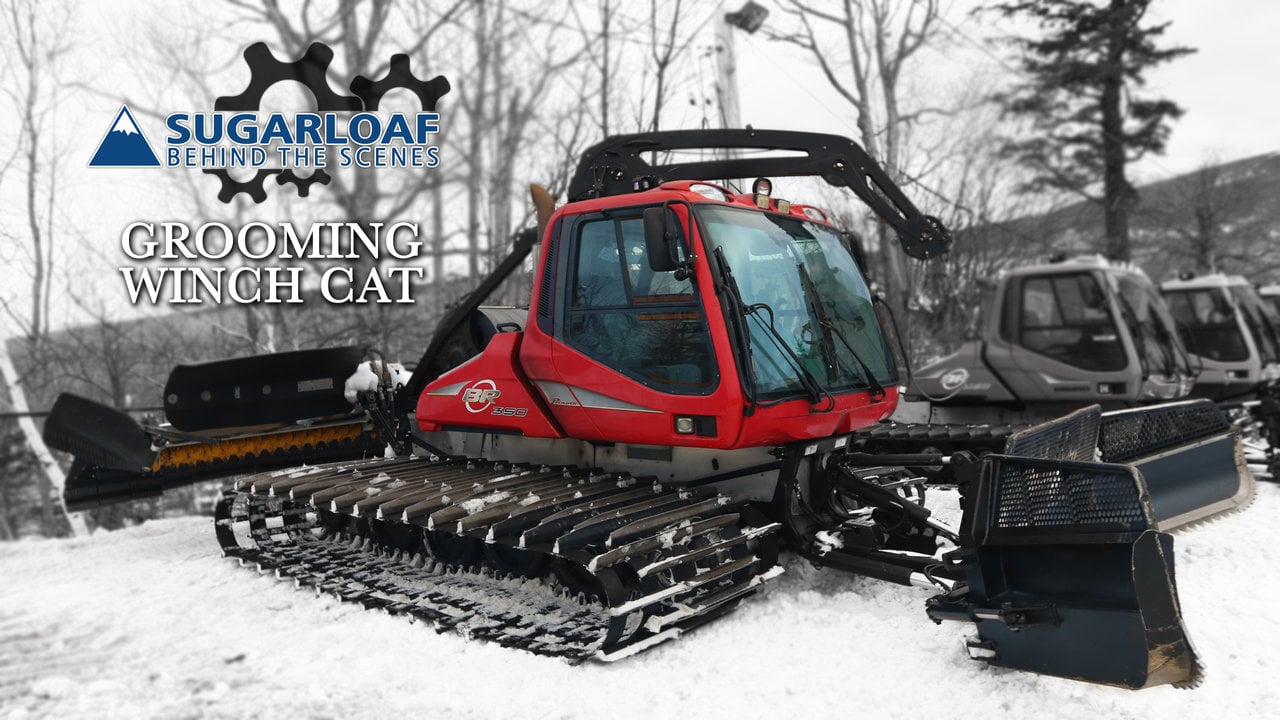
The winch system is mounted on the front or rear of the cat. It uses a strong cable to anchor the machine on steep slopes. This prevents slipping and sliding on icy surfaces. The winch allows the operator to control speed and direction better. It also helps pull the machine up or down hills safely. Winch integration made grooming on dangerous slopes possible.
Impact On Snow Grooming Efficiency
With the winch system, grooming became faster and smoother. Machines could work on slopes that were too steep before. The winch keeps the cat stable, reducing the risk of accidents. Operators can groom more area in less time. The snow surface becomes more even and safe for skiers. Overall, winch cats improved the quality and speed of grooming work.

Credit: www.nytimes.com
Geographical Origins
Winch Cat snow grooming machines have a distinct geographical origin that shaped their design and function. These machines were created to meet the needs of snowy, rugged terrains. Understanding where they started helps us see why they look and work the way they do.
Regions Leading Development
The early development of Winch Cat machines took place in mountainous areas. These regions had heavy snowfall and rough landscapes. Countries like Canada and parts of Europe played a key role. They had the right conditions to test and improve these machines. Ski resorts and forestry industries pushed for better snow grooming tools. This demand helped Winch Cat grow and evolve quickly.
Environmental Factors Influencing Design
Snow depth and cold temperatures shaped the Winch Cat design. Machines had to be strong to handle deep snow and icy conditions. The terrain was often steep and rocky. This required powerful winches and durable tracks. Designers also focused on stability and safety. Machines needed to work all day without breaking down. These environmental challenges made Winch Cat unique and reliable.
Winch Cat Evolution Over Time
The Winch Cat has come a long way since its early days. It started as a simple machine built to groom snow on ski slopes. Over time, it grew into a highly advanced vehicle. This evolution helped ski resorts maintain smooth, safe trails for visitors. The changes focused on improving power, control, and versatility. Each upgrade made the Winch Cat better at handling tough snow conditions.
Technological Advancements
Early Winch Cats used basic engines and manual controls. Today, they feature powerful diesel engines that deliver more force. Modern models have computerized systems to control speed and direction. GPS technology helps operators follow precise grooming patterns. Sensors check snow depth and firmness constantly. These advancements reduce fuel use and increase efficiency. Operators can work longer with less effort and better results.
Adaptations For Different Terrains
Winch Cats originally worked on gentle slopes only. Designers added stronger winches to manage steep, rugged mountains. Tracks were made wider and more flexible for rough snow and ice. Some models include adjustable blades to shape different trail types. They can climb steep hills and cross rocky areas safely. This adaptability allows grooming in more ski areas worldwide. Resorts benefit from trails that stay open and smooth longer.
Credit: vimeo.com
Winch Cat’s Role In Modern Snow Grooming
The Winch Cat plays an important role in snow grooming today. It helps ski resorts keep slopes smooth and safe. This machine uses a powerful winch system to pull itself up steep hills. It works well on hard and icy snow.
Winch Cats make grooming steep terrain possible. They reach places other machines cannot. Skiers enjoy better runs because of the smooth snow surface. Resorts rely on these machines during heavy snowfall or tough weather.
Current Usage In Ski Resorts
Ski resorts use Winch Cats on steep and difficult slopes. The winch helps the groomer climb safely. This allows grooming of areas with sharp drops and cliffs. Resorts with challenging terrain find Winch Cats very useful.
Many resorts use these machines for night grooming. They prepare slopes before the next day. This keeps ski trails ready and safe for visitors. The Winch Cat’s power and control improve grooming quality.
Benefits Over Other Grooming Equipment
Winch Cats pull themselves up steep hills. Other groomers struggle or cannot climb these slopes. This ability saves time and effort during grooming. It also improves safety for the operator.
These machines work well on icy and hard snow. They provide better traction than regular groomers. The winch system reduces slipping and sliding risks. Winch Cats also handle rough terrain with ease.
Using Winch Cats means ski resorts can groom more terrain. This leads to better skiing conditions for visitors. The machines help maintain slope quality all winter long.
Frequently Asked Questions
Where Did Winch Cat Snow Grooming Originate?
Winch Cat snow grooming began in the United States during the 1960s. It was developed to improve snow grooming on steep slopes. The innovation addressed challenges faced by traditional grooming machines. It quickly became popular in ski resorts worldwide for its efficiency.
Who Invented The Winch Cat Snow Groomer?
The Winch Cat was invented by a team of engineers led by Ed Winch. They focused on creating a powerful vehicle for snow grooming. Their invention revolutionized how ski slopes were maintained. The winch system allowed safer and more effective grooming on difficult terrains.
Why Is Winch Cat Grooming Important For Ski Resorts?
Winch Cat grooming ensures ski slopes remain smooth and safe. It helps compact snow evenly, preventing icy patches. This grooming method improves skier experience and safety. Resorts prefer it for maintaining steep and challenging slopes effectively.
How Does Winch Cat Grooming Differ From Traditional Grooming?
Winch Cat uses a winch cable to pull the vehicle uphill. Traditional groomers rely on engine power alone. This system allows grooming on very steep and difficult slopes. It provides better control and prevents vehicle slippage on icy surfaces.
Conclusion
Winch Cat snow grooming began with a simple need for better trail maintenance. It started in the early 1960s, aiming to make snowy paths smoother and safer. This innovation helped ski resorts and outdoor workers manage snow more easily. Today, Winch Cat machines are vital tools in winter sports and mountain care.
They show how smart ideas can improve outdoor experiences. Understanding their origin helps us appreciate the technology behind great snow grooming. The story of Winch Cat is about solving problems with practical solutions.