
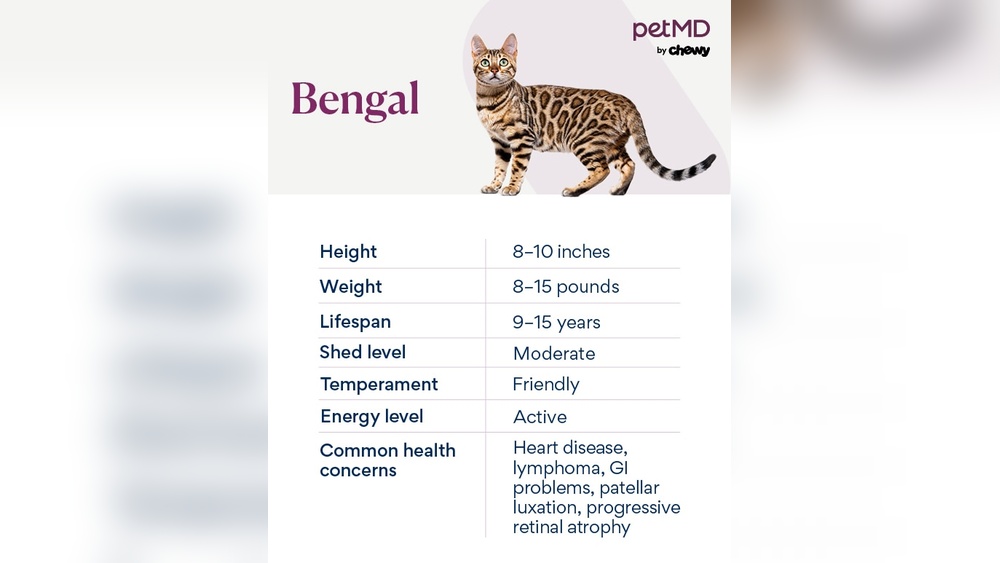
Have you ever wondered where the wild beauty behind Bengal cats really comes from? If you’re curious about the roots of these stunning pets, understanding where Asian leopard cats come from is key.
Knowing their origin not only deepens your appreciation but also helps you see why Bengals are so unique. Stick with me, and you’ll discover fascinating facts that might change how you see your Bengal forever. Ready to explore the wild beginnings of these captivating cats?
Let’s dive in!
Asian Leopard Cat Habitat
The habitat of the Asian Leopard Cat plays a key role in breeding Bengals. This small wild cat has a wide range and unique living conditions. Understanding where it lives helps breeders maintain healthy Bengal cats. Knowing its natural setting shows how the wild traits pass to Bengals.
Asian Leopard Cats adapt well to different environments. Their habitat affects their behavior and needs. This knowledge guides breeders in creating the right home for Bengals.
Geographic Range
Asian Leopard Cats live across South and Southeast Asia. Their range stretches from the Himalayas to Indonesia. Countries include India, Nepal, Bangladesh, Thailand, and Malaysia. They thrive in many types of places across this large area.
Natural Environment
These cats prefer dense forests and thick brush. They often live near water like rivers or swamps. Mountains and lowland forests suit them well. They can survive in tropical and subtropical climates. Their habitat provides shelter and food for hunting.
Behavior In The Wild
Asian Leopard Cats are mostly nocturnal hunters. They stay hidden during the day in thick cover. These cats are solitary and mark their territory with scent. They climb trees and swim well to catch prey. Their natural behavior influences the Bengal’s traits.
Physical Traits Of Asian Leopard Cats
The Asian Leopard Cat has unique physical traits that make it special. These traits influence Bengal cats bred from them. Understanding these features helps appreciate the breed’s origin and characteristics.
Size And Appearance
Asian Leopard Cats are small to medium in size. They usually weigh between 6 to 15 pounds. Their bodies are slender with long legs and a narrow face. Their eyes are large and almond-shaped, giving a sharp look. This size and shape help them move quickly and quietly in the wild.
Distinctive Markings
Their fur has striking patterns. Spots cover their body, varying from round to rosette shapes. The background color ranges from yellow to reddish-brown. Their belly and inner legs are white or cream. These markings help Bengals get their wild, exotic look.
Adaptations For Survival
Asian Leopard Cats have sharp claws for climbing trees. Their ears are pointed and can hear small sounds well. Their fur changes slightly with seasons to blend with the environment. These traits help them stay safe and catch prey easily.
History Of Bengal Cat Breeding
The Bengal cat has a unique history tied to wild cats and domestic breeds. Breeders aimed to combine wild beauty with a gentle nature. This goal led to careful breeding efforts over many years. The story starts with crossing Asian Leopard Cats with house cats. This blend created a new breed with striking patterns and friendly behavior.
Understanding the Bengal’s origins helps appreciate its special traits. The breed reflects a balance of wild genetics and domestic qualities. These cats are not only beautiful but also social and playful. Their history shows dedication to creating a healthy and stunning pet.
Early Crossbreeding Efforts
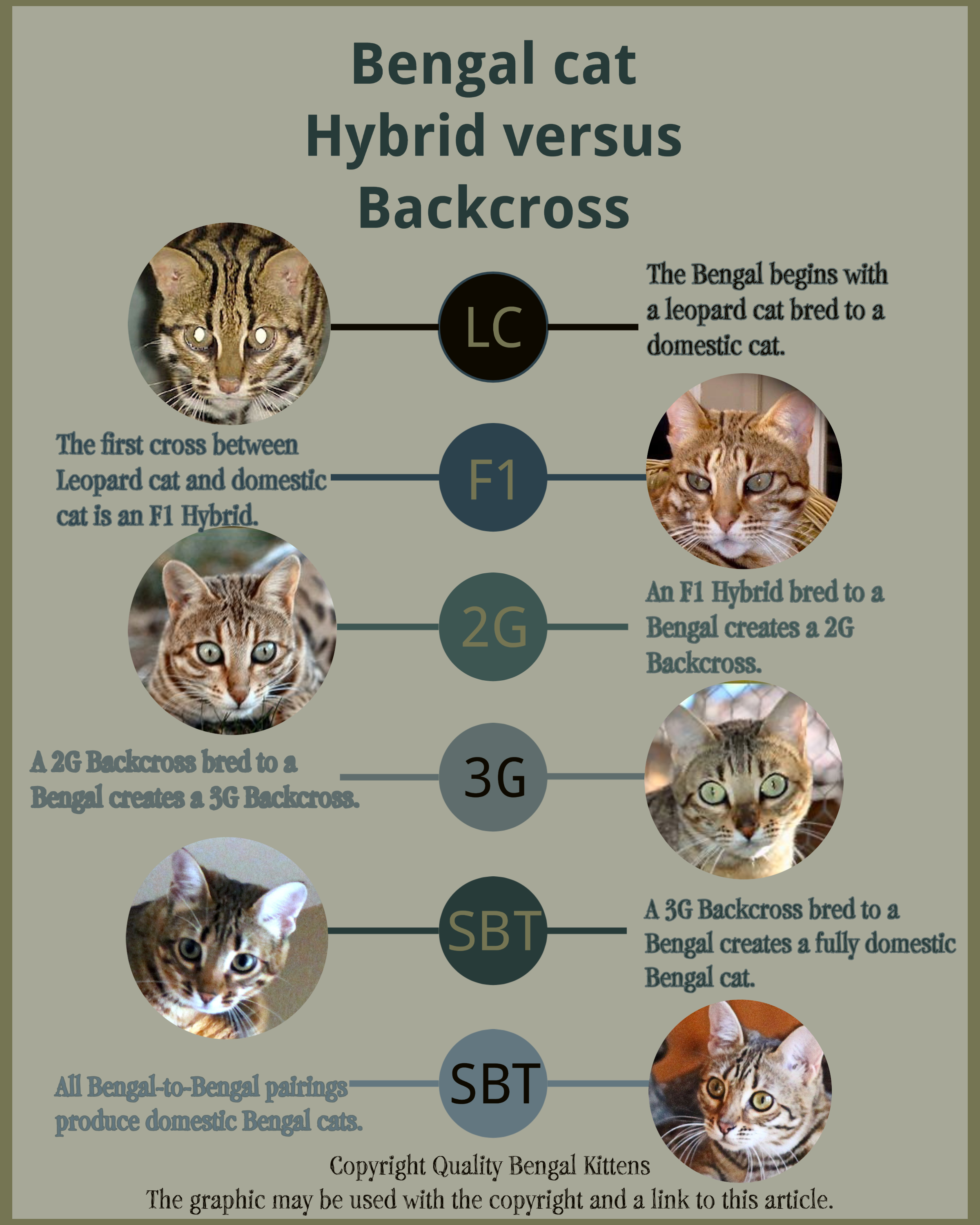
The first Bengal cats came from crossing wild cats with domestic ones. Breeders used the Asian Leopard Cat to add wild spots and rosettes. Early attempts faced challenges in health and temperament. Breeders worked to keep the cats friendly and safe as pets. These early efforts laid the foundation for the Bengal breed.
Role Of Asian Leopard Cats
Asian Leopard Cats are small wild cats native to Asia. They are known for their beautiful spotted coats. Breeders chose these cats for their unique patterns. Their wild genes give Bengals their exotic look. Careful breeding helped keep the breed gentle while keeping wild markings.
Development Of Bengal Standards
Standards for Bengal cats define their look and behavior. Breeders and cat associations set these rules. The standards focus on coat patterns, body shape, and temperament. Following these standards ensures Bengal cats are healthy and beautiful. They guide breeders to produce consistent quality Bengal cats.

Credit: en.wikipedia.org
Breeding Asian Leopard Cats With Domestic Cats
Breeding Asian Leopard Cats with domestic cats creates the unique Bengal breed. This process involves crossing a wild species with a pet cat. It aims to combine the exotic look of the leopard cat with the gentle nature of domestic cats.
Breeders must understand the complexity and care needed for such crossings. The breeding is not simple or quick. It requires knowledge, patience, and respect for both animals.
Challenges In Breeding
Asian Leopard Cats are wild and have strong instincts. They can be difficult to handle and breed. Domestic cats have different behaviors and genetics. This difference causes challenges in mating and raising kittens.
Fertility issues may arise due to the species gap. Some hybrids may have health problems or be less fertile. Breeders must monitor each pairing closely. They also need to manage the temperament of the offspring carefully.
Genetic Considerations
Asian Leopard Cats have different genes from domestic cats. These genes affect the kittens’ appearance and health. Breeders must understand which traits pass on. Not all kittens will look like leopards or behave like pets.
Careful selection of parents helps maintain good health. Genetic diversity is important to avoid diseases. Breeders often track family histories to prevent problems. This helps create strong and beautiful Bengals.
Ethical And Legal Aspects
Breeding wild animals with pets raises ethical questions. Some people worry about the welfare of the cats. Others question the impact on wild populations. Breeders must ensure all animals are treated well.
Laws regulate the breeding of wild and hybrid cats. These rules vary by region and country. Breeders must follow all legal requirements. This protects both the cats and the breeders.
Impact On Bengal Cat Characteristics
The Asian Leopard Cat plays a big role in shaping Bengal cats. This wild cat’s traits mix with domestic cats to create Bengal cats’ unique features. Understanding this impact helps us see what makes Bengals special.
Temperament Influences
Asian Leopard Cats bring a wild side to Bengal cats. Bengals often show high energy and strong hunting instincts. They are curious and love to explore. Bengals can be more active than other house cats. Their alertness and playfulness come from their wild ancestor.
Physical Traits Inherited
Bengal cats get their beautiful spots and rosettes from Asian Leopard Cats. Their fur is soft and shiny with a wild look. Bengals have strong, muscular bodies with a sleek shape. Their eyes are often large and expressive. These traits make Bengals look like tiny leopards.
Health And Longevity
The mix with Asian Leopard Cats can affect Bengal health. Bengals may have a strong immune system and good stamina. Some inherited health issues need careful attention. Regular vet visits help keep Bengals healthy. Their lifespan is usually long with proper care.

Credit: carolinatigerrescue.org
Conservation And Protection
Conservation and protection of Asian Leopard Cats play a key role in Bengal cat breeding. These wild cats are the foundation of Bengals. Protecting their natural habitats helps maintain healthy wild populations. Responsible breeding programs also support conservation efforts. This section explores the status of Asian Leopard Cats, how breeding and conservation balance, and the future of Bengal breeding programs.
Status Of Asian Leopard Cats
Asian Leopard Cats live across South and Southeast Asia. They prefer forests, grasslands, and wetlands. Many face habitat loss and hunting pressure. These threats cause population declines in some areas. The International Union for Conservation of Nature lists them as Least Concern. Still, local threats require close monitoring. Protecting their environment remains vital for their survival.
Breeding And Conservation Balance
Bengal cat breeders work to balance breeding with conservation. They use Asian Leopard Cats responsibly to maintain genetic diversity. Ethical breeders follow strict guidelines to avoid harming wild populations. Captive breeding programs help reduce the demand for wild cats. This balance ensures Bengal cats thrive without endangering their wild ancestors.
Future Of Bengal Breeding Programs
The future of Bengal breeding depends on conservation efforts. Breeders aim to improve health and traits while respecting wild species. Collaboration between conservationists and breeders is growing. New techniques support sustainable breeding and protect wild cats. Bengal cats will continue to be popular if these efforts succeed.
Credit: quality-bengal-kittens.com
Frequently Asked Questions
Where Do Asian Leopard Cats Originate From?
Asian Leopard Cats are native to South and Southeast Asia. They inhabit forests, grasslands, and wetlands in countries like India, China, and Indonesia. Their natural habitat influences their traits, which breeders value for creating Bengal cats.
How Are Asian Leopard Cats Used In Bengal Breeding?
Breeders cross Asian Leopard Cats with domestic cats to develop Bengals. This hybridization combines wild patterns with domestic temperament. The goal is to create a striking, sociable cat with the wild look of the Asian Leopard Cat.
What Makes Asian Leopard Cats Ideal For Bengal Cats?
Asian Leopard Cats have unique spotted coats and agile bodies. Their wild appearance and active nature pass on to Bengals. This combination produces a beautiful, energetic cat with exotic markings and a friendly personality.
Are Asian Leopard Cats Endangered Or Protected?
In some regions, Asian Leopard Cats face habitat loss and hunting threats. They are listed under various conservation statuses, including CITES Appendix II. Responsible breeding respects legal protections and supports species preservation.
Conclusion
Asian leopard cats come from forests across South and Southeast Asia. These wild cats are the original ancestors of Bengal cats. Breeders use them carefully to keep Bengal traits strong. Understanding their roots helps protect both species. Breeding Bengals requires respect for the wild heritage.
It also ensures healthy, beautiful cats for homes. The story of Asian leopard cats is key to Bengal cats’ future. Knowing this helps fans appreciate their unique nature. It reminds us why careful breeding matters so much.